What Takes Bugs Off Cars Without Damaging the Paint?
What takes bugs off cars without damaging the paint is a common question for anyone who drives on highways or parks under trees. Bug splatter is more than an eyesore—it can eat through your clear coat and cause permanent stains. This guide covers the safest methods, products, and techniques to remove bugs effectively while keeping your car’s finish flawless — see our related guide, How to Get Tree Sap Off a Car Without Damage.
Simply put, a combination of pH‑neutral soap, a bug–removal spray, and a soft microfiber towel works best. Avoid harsh chemicals or abrasive scrubbing. The right process takes two minutes and leaves zero scratches.
Key Takeaways
- Bugs damage paint through acidic enzymes that etch clear coat within hours.
- Safe removal starts with a pH‑neutral car wash soap and dedicated bug remover.
- Always use soft tools — micro‑fiber towels, bug sponges, or clay bars.
- Never scrape dry bugs with your fingernail or a rigid plastic card.
- Prevention with wax or sealant makes bug removal much easier later.
Why Bug Residue Damages Car Paint
Bug splatter is not just dirty—it’s chemically aggressive. Insects release enzymes that help them digest food, and those enzymes remain active in the splatter. When left on paint, they create a reaction that softens and etches the clear coat.
A study from the International Detailing Association shows that bug acids can begin damaging clear coat in as little as 12 to 24 hours, especially in direct sunlight. The longer the residue sits, the deeper the stain becomes.
- Bugs contain uric acid, proteins, and digestive enzymes.
- Heat sunlight accelerates the etching process.
- Once etched, the only fix is wet‑sanding or repainting.
- Clear coat is only about 1.5 to 2 mils thick — easily compromised.
- Dark‑colored cars show etching more than light‑colored cars.
Warning: Never let bug splatter bake in the sun for more than a day. Wash it off as soon as possible, especially in summer.
The Most Effective DIY Bug Remover: Soap and Water
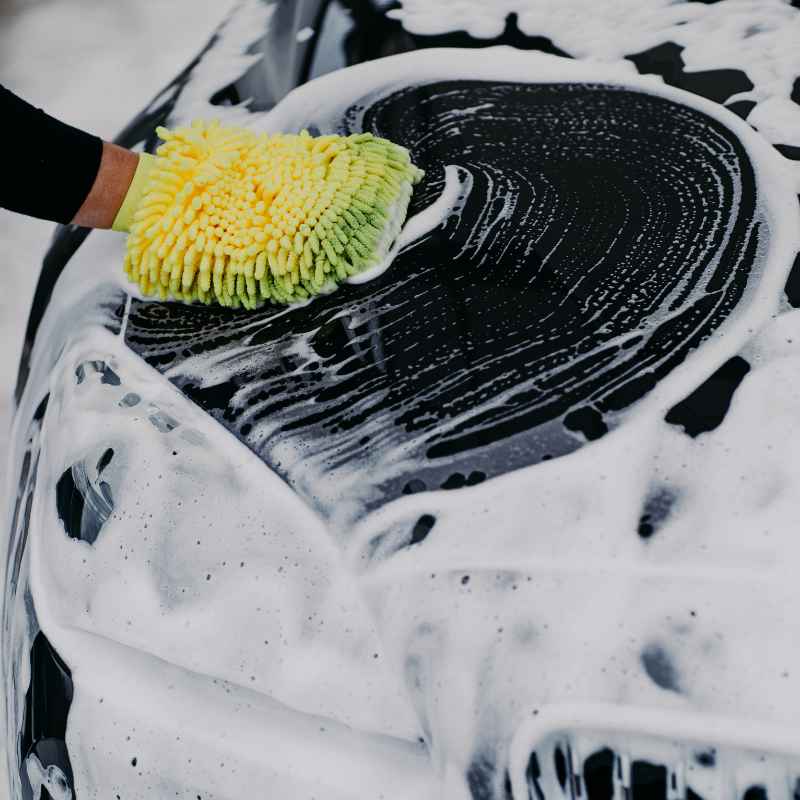
You don’t need expensive chemicals for light bug residue. A simple two‑bucket wash with pH‑neutral car soap and warm water can lift most bugs. The key is to pre‑soak and let the soap break down the proteins.
- Rinse the car to remove loose dirt.
- Fill a bucket with warm water and a high‑quality car wash soap (e.g., Meguiar’s Gold Class).
- Soak a microfiber wash mitt in the solution and place it over a bug‑covered area.
- Let it sit for 2–3 minutes to soften the residue.
- Gently wipe in a straight line — not a circular motion — to avoid micro‑scratches.
- Rinse and dry with a clean microfiber towel.
Tip: Use a separate mitt for bug areas to avoid transferring grit to the rest of the paint. Change your wash water often.
Top Commercial Bug Removal Sprays for Safe Cleaning
When soap alone isn’t enough, a dedicated bug remover speeds up the process. These sprays are formulated to dissolve insect proteins without harming wax or clear coat. Below is a comparison of three popular, paint‑safe options.
| Product | Key Ingredients | pH Level | Safe on Wax? |
|---|---|---|---|
| Chemical Guys Bug & Tar Remover | Surfactants, citrus extracts | 7.0 (neutral) | Yes |
| Meguiar’s M3916 Bug & Tar Remover | Water‑based solvents | 8.0 (slightly alkaline) | Yes – silicone‑free |
| Griot’s Garage Bug Smasher | Enzymes, mild detergents | 6.5 (neutral) | Yes – spray and rinse |
All three are safe for factory clear coats and most aftermarket paint jobs. Always test on an inconspicuous spot first, and follow the label’s dwell time. Over‑application can strip wax faster, but no product will damage paint if used correctly.
Important: Avoid generic “degreasers” like Simple Green or all‑purpose cleaners. Their harsh pH (often 9+) can cloud clear coat and remove wax instantly.
How to Safely Use a Bug Scrubber or Towel
Using the right bug removal tool is as important as the cleaner itself. A soft microfiber towel works for fresh splatter, but baked‑on bugs need a dedicated bug scrubber — a plastic mesh pad that lifts debris without scratching.
- Spray the bug remover directly onto the affected area.
- Let it soak for 2–5 minutes (longer for dried bugs).
- Dip the bug scrubber or microfiber in soapy water.
- Wipe gently in one direction — back and forth, not circles.
- Rinse the scrubber often to remove trapped grit.
- Reapply remover if needed; never scrub dry paint.
- Finish with a clean towel to dry the surface.
| Tool | Best For | Risk Level |
|---|---|---|
| Microfiber towel (plush) | Fresh, wet bug splatter | Low – safest option |
| Bug scrubber (soft plastic mesh) | Dried, stubborn bugs | Low – designed to be safe |
| Clay bar + lubricant | Paint contamination | Medium – requires lubrication |
| Melamine sponge (magic eraser) | Tar or tree sap | High – can scratch clear coat |
Never use a kitchen sponge, brush, or paper towel — these will almost certainly leave swirl marks. The bug scrubber from brands like Mothers or Griot’s is your safest bet for heavy residue.
Natural Bug Removers: Vinegar, Baking Soda, and WD‑40
Some drivers prefer home remedies to avoid chemicals. While certain natural options can work, they come with risks. Here’s how they stack up for safe bug removal from car paint.
- White vinegar (diluted 50:50 with water): The acid breaks down proteins. Safe if rinsed quickly, but can etch paint if left too long.
- Baking soda paste (mixed with water): Mild abrasive — use only as a last resort and with very light pressure. Rinse immediately.
- WD‑40: The solvents dissolve bug residue, but WD‑40 is not intended for paint and can strip wax. Use sparingly and wash afterward.
- Rubbing alcohol (70% isopropyl): Effective but evaporates quickly; may strip wax. OK for small spots.
- Dish soap (e.g., Dawn): Too alkaline and strips wax completely. Not recommended for regular use.
Warning: Never use a dry sponge or scrub pad with any natural cleaner. Always keep the surface wet and lubricated to prevent scratches.
If you must go natural, diluted white vinegar is the safest choice. Test it on a hidden panel first, and never let it dry on the paint.
Common Mistakes That Ruin Car Paint When Removing Bugs
Many drivers unknowingly damage their paint while trying to get it clean. Avoid these five pitfalls to keep your finish perfect.
- Scraping dry bugs with a credit card or fingernail — This creates deep gouges that cannot be polished out.
- Using a pressure washer directly on bug spots — The high‑pressure stream can force bug grit into the clear coat and cause micro‑pitting.
- Washing a hot car — Heat makes bugs bond more strongly and causes soap to dry quickly, leaving stains.
- Skipping lubrication — Always use a spray or soapy water; dry wiping is the #1 cause of swirl marks.
- Applying wax over bug residue — This seals in the acid, allowing it to continue eating the paint underneath.
Tip: Always wash and dry the car completely before applying any wax or sealant. Any remaining bug residue will be trapped.
How to Prevent Bugs From Sticking in the First Place
The best way to protect your paint is to make it harder for bugs to stick. A good wax or ceramic coating creates a slippery barrier that most insects slide off with a simple rinse.
- Apply a quality carnauba wax or synthetic sealant every 3 months.
- Use a ceramic spray coating (e.g., Turtle Wax Hybrid Solutions) for longer protection.
- Drive slower through bug‑heavy areas — speed increases splatter force.
- Keep a portable bug‑removal spray and microfiber towel in your trunk for immediate cleaning.
- Consider a front‑end clear film (PPF) for cars that routinely encounter bugs.
According to a survey by Pollen.com, cars with a fresh wax layer require 80% less scrubbing to remove bugs. The wax fills microscopic pores in the clear coat, so bugs sit on top rather than baking into the surface.
When to Use a Clay Bar or Professional Detailing for Bug Removal
If bugs have been on the paint for several days or weeks, even the best spray may not lift the embedded residue. In that case, a clay bar treatment or professional detail is the safest way to restore a smooth finish.
A clay bar uses a specialized rubber compound to pull contaminants from the clear coat without abrasion. It must be used with a lubricant spray to avoid dragging. The process takes about 30 minutes per panel and should be done only when needed.
- Wash the car thoroughly.
- Spray lubricant on a small section.
- Glide the clay bar in straight lines, checking it frequently for grit.
- Knead the clay when dirty to expose a clean surface.
- Wipe off residue and inspect for remaining stains.
Important: Only use a fine‑grade clay bar (often labeled “light”). A heavy‑duty bar can mar soft paint. If you’re unsure, pay a professional detailer $50–$100 for a full bug removal and polish.
Frequently Asked Questions
Does bug spray hurt car paint?
Only if it contains harsh solvents or an extreme pH. Dedicated bug removers are formulated to be paint‑safe. Generic household degreasers can damage clear coat and should be avoided.
Can I use a magic eraser to remove bugs from my car?
Not recommended. Melamine sponges act like fine sandpaper and will leave micro‑scratches on clear coat. Stick to a microfiber towel or plastic bug scrubber.
How long does it take for bugs to damage car paint?
Damage can start in 12 to 24 hours under direct sunlight. The longer you wait, the more likely the acids will etch the clear coat permanently.
Is WD‑40 safe for removing bugs from car paint?
It is safe for occasional use on small spots, but it strips wax and may leave a residue. Always wash the area with soap and water after using WD‑40.
What is the best product to remove bugs from car paint?
Meguiar’s Bug & Tar Remover and Chemical Guys Bug and Tar Remover are both excellent. They are pH‑neutral, safe on wax, and work quickly with minimal scrubbing.
Final Thoughts
The key to removing bugs without damaging paint is a gentle approach: use a pH‑neutral cleaner, let it soak, and wipe with a soft microfiber towel or bug scrubber. Avoid abrasive tools, dry scraping, and harsh chemicals. With regular waxing and prompt cleaning, your car’s finish will stay glossy and scratch‑free for years.
Products related to this article
Sponsored / affiliate links. As an Amazon Associate I earn from qualifying purchases. I may earn additional commission from eligible campaigns.
 Car Scratch Remover,Car Paint Scratch Repair-Erase Car Scratches Scratch Repair Wax with Wipe and Sponge for Deep Scratches (5PC)
 Car Scratch Remover for Vehicles, Car Paint Scratch Repair Kit for Light Scratches, Swirl Marks, Scuffs & Water Spots, Comes with Sponge, Safe for All Paint Colors, 100g, 1 Pack