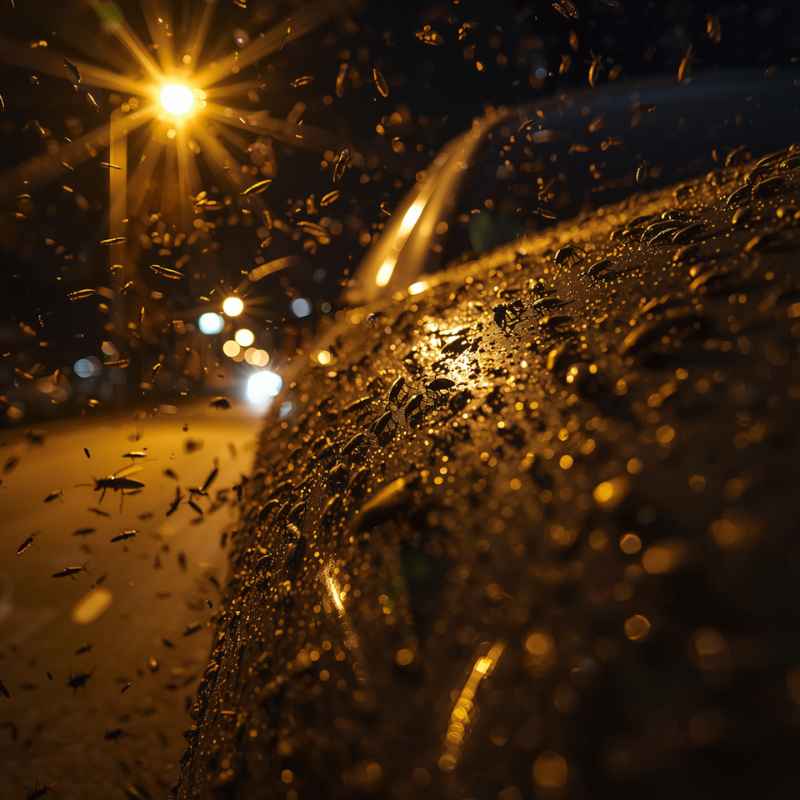
Why Are Bugs Attracted To My Car? The Real Reasons
It’s a common sight, especially after a long drive or a trip to the countryside. Your car, once clean, is now dotted with a variety of insects. From tiny gnats to larger beetles, it can feel like your car is a magnet for bugs.
You might wonder why this happens so often. It’s a puzzle many drivers face, leading to frustration and extra cleaning time. This article will explore the science behind why bugs are attracted to your car.
We’ll break down the reasons in simple terms. You’ll learn what draws them in and what you can do about it.
Bugs are attracted to cars for several reasons, including color, light, heat, and even the scent of exhaust fumes or the food smells from inside the vehicle. Understanding these attractants can help drivers take simple steps to reduce bug splatter.
The Science Behind the Bug Magnet
Cars have many qualities that appeal to insects. It’s not just random. Bugs operate on instinct and biological needs.
These needs often align with what a car offers. Let’s look at the main drivers. Understanding these can help you see your car in a new light.
It’s not personal, it’s just science. Bugs see our cars as places to explore. They might be looking for food, shelter, or a mate.
Sometimes, they are simply drawn to something that mimics a natural attraction for them. This attraction isn’t a flaw in your car. It’s a sign of how bugs interact with their environment.
Many factors play a role. We will dive into each one.
One of the biggest draws is color. Certain colors on your car can act like a beacon. Think about flowers.
Many flowers have bright colors. Bugs are often drawn to these colors to find nectar. Your car might be the wrong color.
It can trick their senses. This makes your car a prime target. It’s a fascinating aspect of insect behavior.
It shows how much we can learn from the natural world. Even the surfaces of a car can matter. A shiny surface might reflect light.
This can also catch their eye.
Heat is another major factor. Cars, especially after being driven, become warm. This warmth can be very inviting to insects.
They use external heat sources to regulate their body temperature. A warm car engine or a sun-baked hood can feel like a perfect spot for them. This is especially true in cooler weather.
Bugs are cold-blooded. They need warmth to move and survive. Your car becomes a cozy spot.
It offers a stable, warm environment. This is a survival advantage for them. So, they land and sometimes stay for a while.
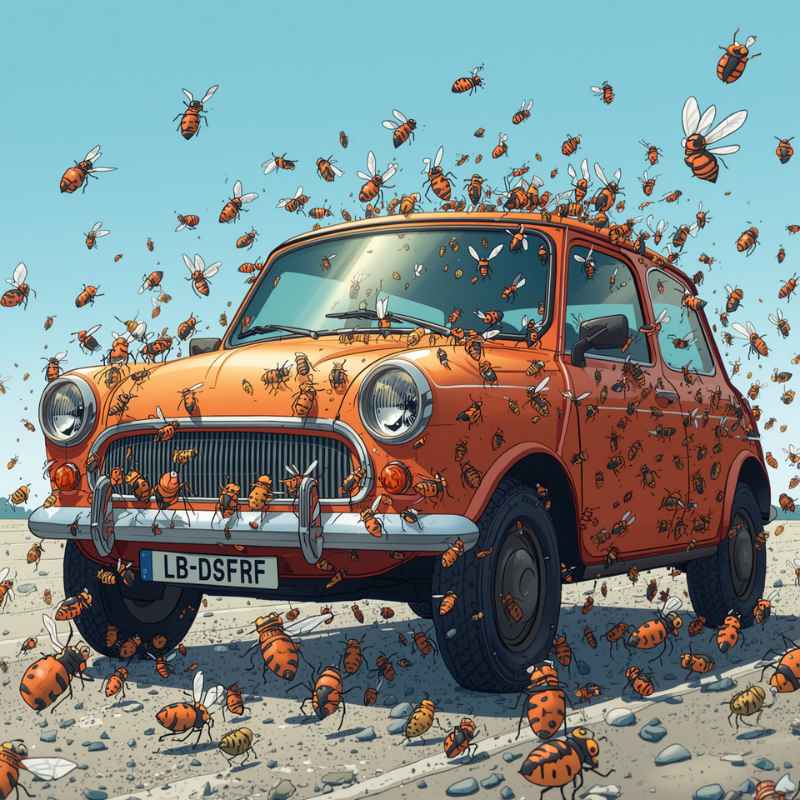
What Colors Attract Bugs the Most?
Not all car colors are equal when it comes to bug attraction. Research shows some colors are far more appealing to insects. This is based on how bugs see the world.
Their vision is different from ours. They can see colors we can’t. They also react to colors in specific ways.
Generally, dark colors tend to attract more bugs. This includes black, dark blue, and dark green. These colors might look like dark land or water to them.
Some insects are drawn to these dark areas. They might think it’s a safe place to rest or lay eggs. It’s a simple trick of perception.
These colors can mimic natural elements they associate with resources.
White and lighter colors are usually less attractive. They don’t stand out as much to many insect species. Think of a bright white flower versus a dark patch of soil.
Bugs often go for the flower. The same logic applies to cars. A bright, shiny surface can also be a factor.
However, color is a primary driver for many insects. If you’re choosing a new car, this is something to consider. It’s a small detail, but it can make a difference in how clean your car stays.
You might notice more bugs on a black SUV than a silver sedan. It’s a pattern that holds true for many drivers.
Some studies suggest specific color wavelengths are more attractive. For instance, many flying insects are drawn to yellow and green hues. These colors are often found in vegetation where they live and feed.
Therefore, your car might inadvertently resemble a large, appealing plant. It’s like a giant buffet or a resting spot. This can be particularly true for smaller flying insects.
They navigate using visual cues. A car that matches these cues will naturally grab their attention. It’s not about liking the color; it’s about instinct.
They are programmed to seek out these visual signals.
Bug Attraction by Color: A Quick Look
Dark Colors: Black, dark blue, dark green. Often mimic ground or water. Attract many flying insects.
Bright Colors: Yellow, green. Can resemble foliage and flowers. Appeal to species seeking nectar or plants.
Light Colors: White, silver. Generally less attractive. Blend more with sky or neutral backgrounds.
The Role of Light and Heat
Light is another powerful attractant for many insects. Think about moths around a porch light. This is the same principle.
Cars often have headlights, taillights, and interior lights. These lights can draw bugs in, especially at night. The steady glow mimics natural light sources.
These sources are often used by insects for navigation or finding mates. Your car can become a point of reference for them. They might fly towards the light.
They may even get stuck on or around the vehicle. This is a common reason for bug splatter on headlights.
Heat radiated from your car is also a big deal. After driving, the engine, exhaust system, and even the tires can be quite hot. Bugs are cold-blooded.
They need warmth to be active. A warm surface can feel like a safe haven. It allows them to move, rest, and digest food more easily.
This is particularly true during cooler parts of the day or in spring and fall. Your car offers a reliable heat source. It can be more consistent than natural warmth from the sun.
This makes it a very attractive spot for them. They might not be actively seeking your car, but its heat makes it a desirable location.
Even the residual heat after the engine has been turned off can be a draw. It takes time for a car to cool down completely. During this period, it remains a warm refuge.
This can lead to bugs being on your car when it’s parked. They might have been drawn by the heat while you were driving. Or they might have landed on a cooling surface.
The combination of light and heat makes your car a beacon for insects. It’s particularly noticeable when driving at dusk or dawn. These are peak times for insect activity.
They are also times when your car’s lights and heat are most noticeable.
Scent and Other Chemical Cues
Insects rely heavily on their sense of smell. Their antennae are incredibly sensitive. They can detect scents from far away.
Your car can give off various smells that attract bugs. One of the most common is exhaust fumes. While we might find them unpleasant, some insects are drawn to certain compounds in exhaust.
These might mimic natural smells of decay or other attractants. It’s an unintended consequence of our vehicles. The smell acts as a signal.
It tells them something interesting might be nearby.
Food smells from inside your car can also attract bugs. If you’ve eaten in your car, crumbs or spills can leave behind traces. These small amounts of food can be a huge draw for ants, flies, and other pests.
Even if you clean regularly, some microscopic residue might remain. This is especially true for sugary drinks or sticky snacks. The smell can travel.
It can draw insects from a distance. They are always searching for food sources. Your car can inadvertently become a food destination.
It’s like a tiny restaurant on wheels for them.
Some car waxes or cleaning products can also contain scents that appeal to bugs. While they smell good to us, they might smell like nectar or other attractants to insects. It’s a matter of chemical composition.
The compounds in the product might trigger their foraging instincts. This is less common than other attractants but still possible. The overall aroma profile of your car matters.
From the exhaust to accidental spills, these scents create an inviting environment. They are chemical breadcrumbs leading bugs right to your car. This is a subtle but significant factor in why bugs stick around.
Scent Signals That Draw Bugs In
Exhaust Fumes: Certain compounds mimic natural attractants for some insects.
Food Residues: Crumbs and spills, even small ones, are strong attractants.
Cleaning Products: Some waxes and polishes may have scents appealing to bugs.
Other Organic Smells: For example, if you transport pets or plants, their smells can attract insects.
Wasps respond to these same scent cues even more aggressively than most bugs, often nesting in warm, sheltered spots like mirror housings — see our guide on why wasps like cars for how to keep them out.
The Role of Movement and Location
Bugs are also attracted to movement. When you’re driving, your car is constantly in motion. This movement can catch the eye of an insect.
They might see your car as something alive or something to investigate. Think about a bug flying. It might be less likely to fly directly into a parked object.
But a moving object is more dynamic. It presents an opportunity for interaction. This is especially true for certain types of flying insects.
They are highly attuned to motion. It signals potential food or mates.
Your car’s location plays a huge role. If you park in an area with a lot of vegetation, you’re likely to encounter more bugs. This is simple proximity.
Parks, forests, fields, and even gardens are bug habitats. When your car is parked in or near these areas, it’s naturally exposed to more insects. They are already there.
They don’t need to travel far to find your car. Parking your car under a tree can also be problematic. Many insects live in trees.
They might fall or fly onto your car. Some trees also drop sticky sap that attracts bugs.
Water sources are another factor. If your car is parked near a pond, lake, or even a leaky faucet, you might see more bugs. Many insects need water to survive.
They are drawn to areas where they can find it. Puddles of water on your car itself can also be an attractant. Insects might land on them to drink.
This is especially true on hot days. Even dew on your car in the morning can be enough. So, where you park can make a big difference.
It’s about being in the right (or wrong) place at the right time for the bugs.
Location, Location, Location: Parking Smart
Park Away From Dense Vegetation: Avoid parking directly next to thick bushes or tall grass if possible.
Consider Proximity to Water: Standing water can attract a variety of insects.
Watch Out for Sap-Dropping Trees: These can attract bugs and create sticky messes.
Avoid Parking Near Insect Breeding Grounds: Identify and steer clear of areas known for mosquito or fly populations.
The Unfortunate Reality: Bug Splatter
When all these factors combine – color, light, heat, scent, movement, and location – bug splatter becomes almost inevitable. It’s the visible result of your car’s attractive qualities to insects. The sheer volume of bugs can be overwhelming.
You might drive through a swarm of gnats or mosquitoes. They get caught on your windshield and grill. This is why you often see cars covered after a long road trip.
The constant exposure to the elements and insect populations wears down even the cleanest vehicle. It’s a natural part of driving in many environments.
The damage from bug splatter isn’t just cosmetic. Bug guts are acidic. They can eat away at your car’s paint and clear coat over time.
The longer they sit, the more damage they can do. This is why cleaning them off promptly is important. The hard exoskeletons of insects can also cause micro-scratches.
These are tiny, almost invisible marks. But over time, they can dull your car’s finish. This is why it’s more than just an aesthetic issue.
It affects the longevity and appearance of your car’s exterior. It’s a battle against the elements and nature.
Dealing with bug splatter is a common car owner’s lament. It’s a messy job. The dried remains can be hard to remove.
They stick to the surface with surprising tenacity. It requires specific cleaning products and techniques to lift them safely. This is where many car enthusiasts invest in protective coatings.
These coatings act as a barrier. They make it easier to clean off bugs. They also help prevent damage to the paint.
It’s a practical concern for anyone who wants to keep their car looking its best. It’s a necessary evil of enjoying the open road.
Personal Experience: The Night I Learned My Lesson
I remember one particular road trip vividly. It was late summer. I was driving back home from a visit to my parents’ place.
It was a beautiful evening, just as the sun was starting to set. I had a brand new car. I was so proud of its gleaming, dark blue paint job.
I decided to take a scenic route. It wound through rolling hills and thick forests. I thought it would be a peaceful drive.
I was wrong. As twilight deepened, the insects came out in full force. It felt like I was driving through a cloud of them.
My headlights were suddenly very popular. They seemed to attract every flying bug for miles. The windshield became a canvas.
It was quickly covered in a gruesome mosaic of insect remains. My new car, my pride and joy, looked like it had been through a war. I felt a pang of regret for choosing that route.
More than that, I felt a surge of annoyance. Why did they all have to target my car? It was a humbling experience.
It showed me how powerful natural instincts are. My car’s dark color and bright lights were a direct invitation. I learned that night that my car’s appearance could be a magnet for more than just admiring glances.
It was a lesson in automotive entomology, learned the hard way.
The next morning was even worse. The sun had baked the bug splatter onto the car overnight. It looked terrible.
I had a car detailing appointment scheduled for a few days later. But I couldn’t wait. I went to the nearest car wash.
I used the high-pressure sprayer. I even tried scrubbing it myself. It barely made a dent.
The dried guts were like cement. I felt a mix of panic and determination. I didn’t want permanent damage to my new paint.
I ended up buying a special bug and tar remover. I spent an hour carefully cleaning each spot. It was a messy, tedious job.
I vowed to be more mindful of where and when I drove. I also started keeping a small cleaning kit in my trunk. It felt like a constant battle.
This experience taught me that prevention and quick action are key. It also made me appreciate the simple act of a clean car. That drive was a turning point.
I saw my car not just as a machine, but as a surface interacting with the natural world. And sometimes, that interaction is messy.
What This Means for Your Car
Understanding why bugs are attracted to your car is the first step. It helps you manage expectations. Your car will likely attract some bugs.
This is especially true if you live in or travel through bug-prone areas. It’s a natural phenomenon. The good news is, you can take steps to minimize the issue.
It’s about being proactive. You don’t have to accept a bug-covered car as inevitable. With a little awareness and some simple actions, you can keep your car looking cleaner.
It’s about working with the environment, not against it.
When it’s normal to see bugs on your car: After driving on highways, especially through rural or wooded areas. During spring and summer months when insect activity is high. At dawn and dusk when many insects are most active.
If your car is a dark color. If you park in areas with lots of greenery or water. These are all common scenarios where bug attraction is expected.
Don’t worry too much if you see a few bugs after these situations. It’s typically not a sign of a problem with your car itself.
When to potentially worry: If you notice an unusually massive infestation. If bugs seem to be actively trying to get inside your car, not just on the exterior. If you see bugs that are known to carry diseases or pests.
If the bug splatter is causing significant damage to your paintwork very quickly. In most cases, seeing bugs on your car is simply a normal occurrence. It’s a part of life when you drive.
The goal is not to eliminate all bugs, but to manage their impact. A little bit of understanding goes a long way. It helps you deal with it more effectively.
Simple Checks for Bug-Related Concerns
Visual Inspection: Look for unusual clusters of bugs or specific types of insects.
Paint Condition: Check for spots where bug guts have etched the paint.
Interior Check: Ensure no bugs have managed to enter and infest the cabin.
Driving Habits: Reflect on your recent driving locations and times.
Quick Tips to Reduce Bug Splatter
Keeping your car clean is the most effective way to deal with bugs. Regular washing removes any residue that might attract them. It also washes away any bugs that have already landed.
Make washing a habit. Don’t let bug splatter sit for too long. The longer it stays, the harder it is to remove.
And the more damage it can do. A quick rinse after a drive through a bug-heavy area can save you a lot of trouble later.
Consider using a car wash soap that is pH-neutral. These are less likely to attract bugs. Some soaps have added scents that can be appealing to insects.
Avoid strong, perfumed cleaners if possible. Look for products specifically designed for bug removal. These often contain enzymes that break down insect remains.
They are formulated to be safe for your car’s paint. When using them, follow the instructions carefully.
Applying a coat of wax or a paint sealant can create a protective barrier. This makes it harder for bugs to stick. It also makes them easier to wash off.
When bugs land on a waxed surface, they don’t adhere as strongly. A good sealant can last for several months. It’s an investment in your car’s appearance and protection.
Think of it as an invisible shield against bug assault. This is a key step for many car enthusiasts. It preserves the shine and finish of the paint.
Park in a garage or under cover whenever possible. This keeps your car out of the elements. It also shields it from direct insect activity.
If a garage isn’t an option, try to park away from natural attractants like dense foliage or water. Even parking under a carport can make a difference. It reduces exposure.
Minimizing exposure is the simplest way to reduce the problem. It’s about controlling the variables you can.
Your Quick Bug-Reduction Checklist
Wash Regularly: Don’t let bug splatter set in.
Use Proper Cleaners: Opt for pH-neutral soaps and bug removers.
Wax or Seal: Create a slick, protective barrier on your paint.
Park Smart: Choose locations that minimize insect exposure.
Keep a Kit: Carry basic cleaning supplies for quick spot removal.
Frequently Asked Questions About Bugs on Cars
Why do bugs seem to explode on my windshield?
This happens because the windshield is often the first surface to meet flying insects. As you drive at speed, the force of the air hitting the bugs causes them to splatter. Their hard exoskeletons break apart on impact.
The speed amplifies the effect, making it look like an explosion.
Are certain car materials more attractive to bugs?
While color is a bigger factor, the surface texture can play a small role. Smooth, glossy surfaces are generally easier for bugs to land on and move across. Matte or rough textures might be less appealing.
However, the primary attractants remain color, light, heat, and scent.
Can bugs damage my car’s paint permanently?
Yes, they can. Bug guts are acidic and can etch into the paint if left too long. This creates a dull spot or a permanent mark.
The abrasive nature of their exoskeletons can also cause micro-scratches. Prompt cleaning is crucial to prevent lasting damage.
How can I clean bug splatter safely?
Start with a good rinse. Then, use a dedicated bug and tar remover or a strong car wash soap. Apply the cleaner, let it dwell for a few minutes (but don’t let it dry), and then gently wipe with a microfiber cloth.
Avoid harsh scrubbing that can scratch the paint. Always rinse thoroughly afterward.
Do bugs pose a threat to my car’s engine?
While bugs on the exterior are common, a massive accumulation in the engine bay can be problematic. They can clog air intakes or radiators, reducing cooling efficiency. If you notice a heavy buildup of bugs in the grille or around the engine components, it’s a good idea to clean it out.
Why are my headlights covered in bugs after one night?
Headlights emit light, which is a powerful attractant for many nocturnal insects. They are drawn to the light source. If you park your car outside overnight, especially in a warm or humid area, bugs will likely gather around the illuminated headlights.
Conclusion
It’s clear that bugs are drawn to cars for a variety of reasons. From the allure of dark colors and inviting heat to the subtle whispers of scent, our vehicles often present themselves as attractive targets. Understanding these natural attractants helps demystify the constant battle against bug splatter.
By being aware of these factors and employing simple cleaning and parking strategies, you can significantly reduce the number of insects that call your car home. Keep your car clean, park smart, and enjoy your travels!
Products related to this article
Sponsored / affiliate links. As an Amazon Associate I earn from qualifying purchases. I may earn additional commission from eligible campaigns.
 Car Scratch Remover for Vehicles, Car Paint Scratch Repair Kit for Light Scratches, Swirl Marks, Scuffs & Water Spots, Comes with Sponge, Safe for All Paint Colors, 100g, 1 Pack
 Car Scratch Remover,Car Paint Scratch Repair-Erase Car Scratches Scratch Repair Wax with Wipe and Sponge for Deep Scratches (5PC)