5 Best Car Cleaners for Every Mess (2026): We Compared
The best car cleaner depends on the job: use a pH-balanced wash for paint, an interior cleaner for vinyl and fabric, and an iron remover or bug tar remover for bonded grime. The wrong product can etch clear coat, leave residue, or stain trim. This guide ranks cleaners by the problem they solve, so you can match each one to the right task.

Quick comparison
This comparison is here to help you buy in the right order. Start with the mess you see most, then add surface-specific products only where the job calls for them.
| Product | Badge | Best for | Price |
|---|---|---|---|
| Meguiar’s Gold Class Car Wash, 1 Gallon | Ultra-Rich FoamMeguiar’s | Our pick | 1 Gallon · Car wash soap · Foam cannon ready | $26.80
Price as of 28 Oct 2026
|
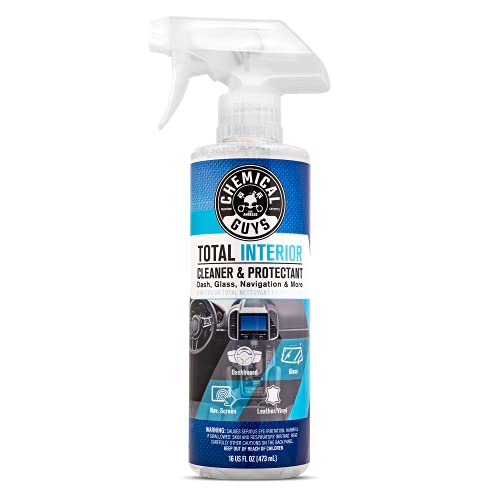
| Chemical Guys, Total Interior Cleaner & Protectant, LeatherChemical Guys | Also great | 16 oz · Interior cleaner · Leather and vinyl | $11.97
Price as of 28 Oct 2026
|
| P & S PROFESSIONAL DETAIL PRODUCTS – Brake Buster Wheel andP & S PROFESSIONAL DETAIL PRODUCTS | Also great | 1 Gallon · Wheel and tire cleaner · Non-acid formula | $36.99
Price as of 28 Oct 2026
|
| Invisible Glass Auto Glass Cleaner Spray, 22 fl oz, 92164 |Invisible Glass | Pair with it | 22 fl oz · Glass cleaner · Ammonia-free | $4.48
Price as of 28 Oct 2026
|
| Turtle Wax Hybrid Solutions Iron Remover & Wheel Cleaner,Turtle Wax | Upgrade pick | 23 oz · Iron remover · pH neutral | $12.99
Price as of 28 Oct 2026
|
When you build a kit, start with the product that matches the surface and contamination level. A shampoo is for regular paint maintenance, a wheel cleaner is for brake dust, and a glass cleaner belongs on windows only. If you clean often, add a pre-wash cleaner and ceramic spray sealant later so the routine gets faster, not harsher.
How we chose
We compared manufacturer instructions, product positioning, and commonly cited detailing guidance on safe surface prep, including the need to rinse loose grime before contact washing and to avoid letting chemicals dry on the panel. For pressure-washer context, we checked published specs for bar and litres per hour, then used those numbers only as setup guidance rather than a substitute for paint-safe technique. For maintenance timing, detailing and protection intervals were checked against mainstream automotive care guidance, including waxing every three to six months and matching protection to wash frequency. [NHTSA on windshield visibility and safe glass cleaning] and [Consumer Reports on car wash product selection and paint safety].
Price matters here because some products come in gallon sizes or as concentrates, while others are single-use sprays. A cheaper bottle is not a better buy if it only handles one narrow problem or leaves residue on sensitive trim.
Pressure washer: best for deep exterior prep
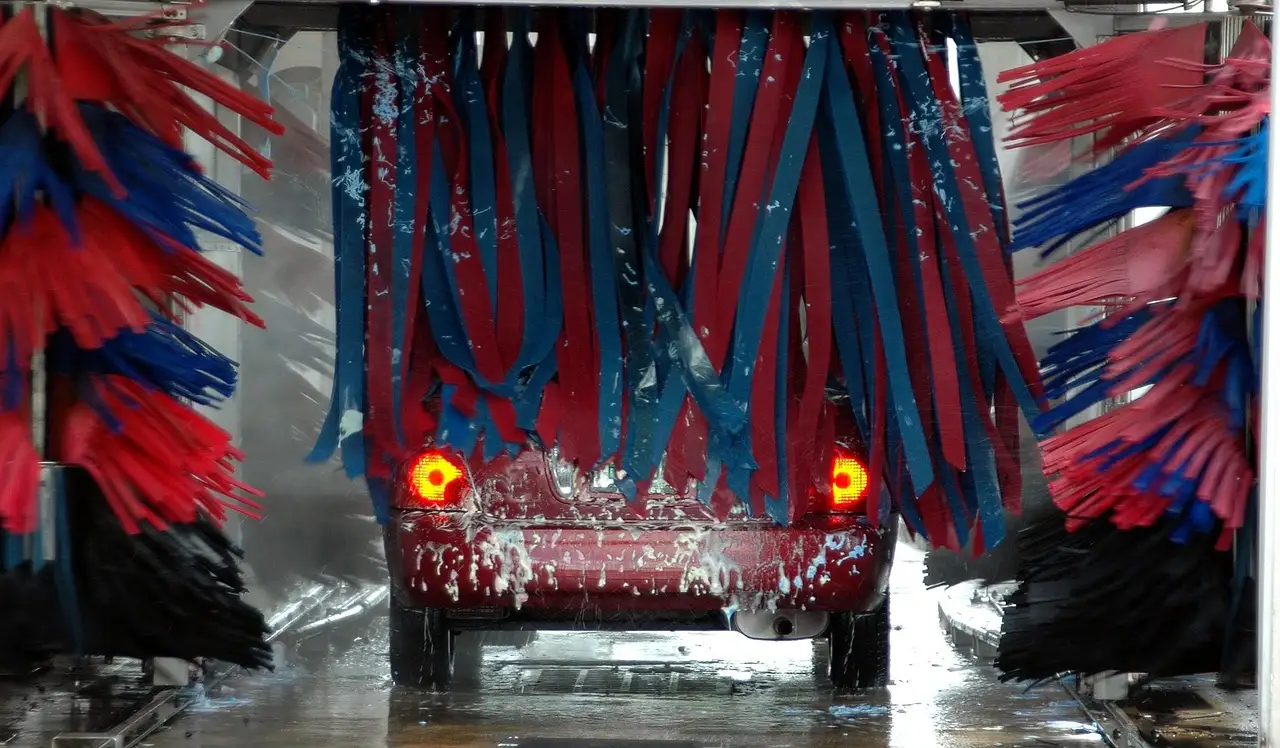

If you want the quickest reset for heavy exterior dirt, start with a pressure washer only if your driveway setup justifies it. The AVA Evolution P70 delivers 540 litres of water per hour, runs at 150 Bar, uses a 2400W motor, and is covered by a 20-year warranty. Those figures point to a mains-powered cleaner built for serious rinse force.
For lighter driveway use, a cordless unit can be enough. Worx Nitro Hydroshot is cordless and offers 56 Bar of pressure, and Worx says its battery once cleaned up to four cars before recharging. That makes it easier to store and carry, but it is a different tool from a mains machine when you need stronger rinse force.
Choose corded if you want higher output, longer sessions, and less battery management. Choose cordless if portability matters, you have no outdoor outlet nearby, or you only need periodic rinsing. Noise also matters: manufacturers list decibel figures differently, so check the listing for your model before you buy.
Corded or cordless: which one fits your driveway
Corded units suit regular deep-cleaning and larger vehicles because they keep output steady. Cordless units suit quick washes, tight storage, and places where dragging a hose and cable is inconvenient. If you only wash one small car occasionally, cordless can be enough; if you are stripping winter grime from several vehicles, mains power is the safer bet.
Check litres per hour, bar, and warranty
Water output in litres per hour tells you how quickly the machine moves rinse water across the panel. Pressure in bar affects how aggressively it lifts dirt, but higher pressure is not automatically better for paint. Warranty length matters too, especially on expensive units; the AVA Evolution P70 is listed with a 20-year warranty.
When a pre-wash still needs agitation
Even a strong washer does not replace contact work. Heavy mud, traffic film, and algae still need a pre-wash cleaner and a mitt or brush on stubborn areas. Use the washer to loosen and move dirt off the surface, then let the chemical do its part before you touch paint.
Wash kit essentials: best for contact washing
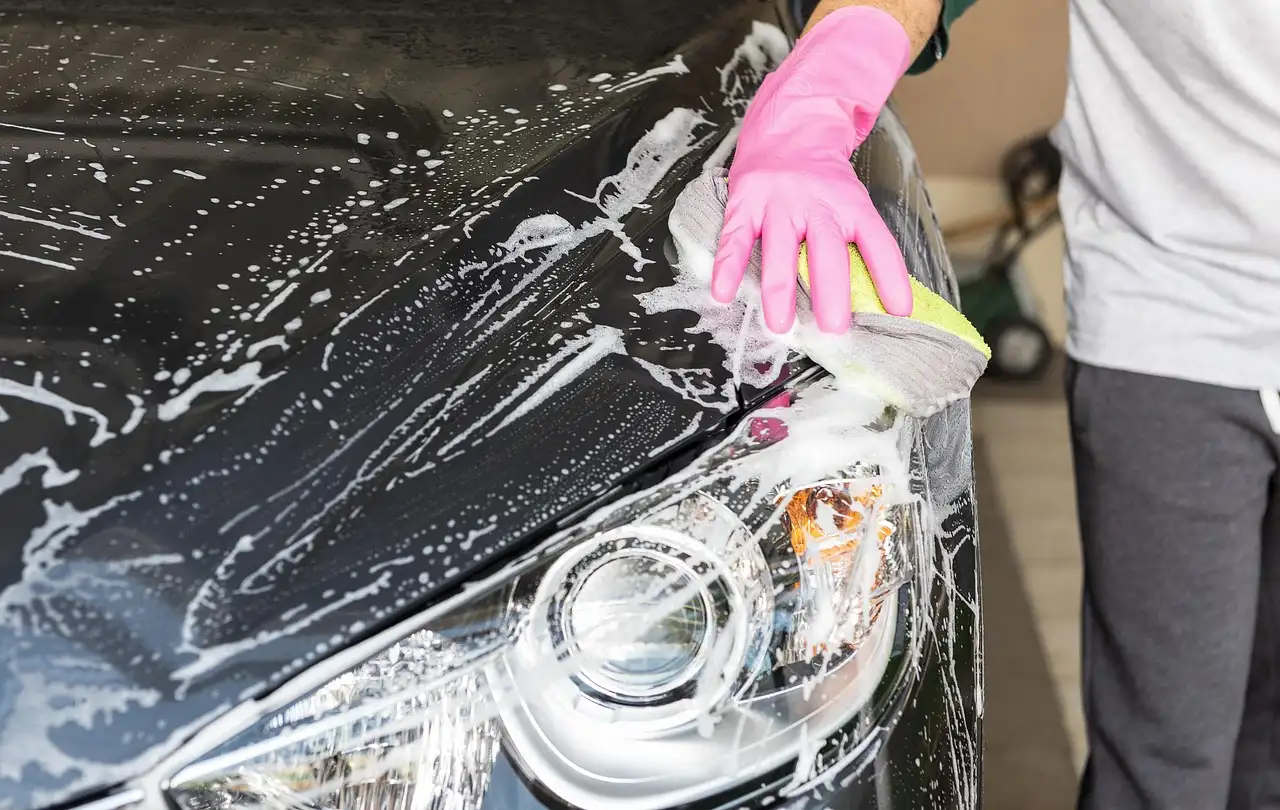
For regular exterior washing, Meguiar’s Gold Class Car Wash is the broadest all-round soap in this list. It is a 1 gallon car wash soap, works with foam cannons when diluted 5:1, and combines cleaning and conditioning in one step. That makes it a practical pick for maintenance washes where you want one bottle that can stretch across many uses.
The trade-off is that it is a shampoo, not a decontamination product. It will not remove tar, embedded iron, or heavy road film by itself. Use it after pre-wash, not instead of it.
Pre-wash cleaner: spray or foam before the mitt
A pre-wash cleaner belongs on heavy grime before contact washing. Spray and foam formats both work, but the point is the same: dissolve loose contamination so your mitt does less scrubbing. Paint safety depends on the formula and dwell time, so follow the label and do not let product dry on the surface. [AA1 Car Care Guide] supports rinse-first prep before touching paint.
Stubborn dirt can still need agitation. That is especially true on lower doors, rear bumpers, and the leading edge of an SUV where road film builds up fast. Pre-wash reduces the load; it does not remove the need for a mitt on every panel.
Car shampoo: pH-neutral, wax-safe, and slick enough for paint
For paint protection, look for a pH-neutral or wax-safe shampoo with good lubricity. Lubricity helps reduce drag between wash media and clear coat, which matters when you are trying to minimize wash marks. A shampoo that foams and rinses cleanly is easier to manage and less likely to leave residue. Meguiar’s Gold Class is built for regular washing and is biodegradable, which supports frequent use.
Shampoo dilution depends on the product and the wash method. Manufacturers commonly specify foam-cannon mixes around 5:1 for some soaps, while a bucket wash usually uses far less product per gallon; always follow the label instead of guessing. For protection, use soap that won’t strip the existing layer every wash. [Meguiar’s product instructions] and [Chemical Guys dilution guidance] are examples of why label ratios matter.
Wash mitt and microfiber drying towel: what to pair with shampoo
A wash mitt should fit your hand securely so it does not twist or slip while you wash. Microfiber and lambswool are the common choices, and both can be paint-safe when the construction is designed to trap grit away from the surface. Use light pressure and keep the mitt clean. A dedicated wash mitt is safer than a kitchen sponge because it holds less grit against the paint.
For drying, choose a microfiber towel with high absorbency, a streak-free finish, and durable edges that will not scratch trim. Bigger towels are easier for large panels, while softer edge construction helps avoid marks at mirror caps and gloss-black trim. Wash durability matters if you want a towel that can survive repeated laundering. See the linked guide for a deeper towel comparison.
Wheel cleaner: best for brake dust

For wheels, P & S PROFESSIONAL DETAIL PRODUCTS Brake Buster is the most straightforward choice here. It is commonly described as a non-acid formula and is often used on many wheel types, including chrome, aluminum, painted, and powder-coated wheels. It cuts through brake dust and road contaminants, and it foams well in a sprayer or straight from the bottle.
The main drawback is that brake dust still needs dwell time and sometimes agitation. On heavily soiled wheels, no spray is magic. Let the cleaner sit only as directed, then use a dedicated wheel brush or microfiber tool if the residue does not move cleanly. Industry guidance from the Tire Industry Association and OEM wheel-care notes generally recommends avoiding harsh acids on coated or finished wheels unless the label explicitly allows it.
Acid-free or safe-on-alloy formulas
Wheel cleaners should be matched to the finish, not just the dirt. Acid-free and safe-on-alloy formulas are the safer default for modern wheels, especially if the wheel has a coating or a painted face. A harsh product can dull finishes, stain hardware, or leave a cloudy look behind.
Dwell time, agitation, and coated-wheel compatibility
Dwell time is the window where the cleaner breaks down brake dust before you agitate. Too short, and the dust stays put. Too long, and the product can dry or leave marks. If the wheel is coated, check the label for compatibility and avoid anything that could compromise the protective layer. Keep water nearby so you can rinse before the product dries.
Interior cleaner: best for cabin surfaces

Chemical Guys Total Interior Cleaner & Protectant is aimed at one-bottle cabin cleaning. It is listed for dashboards, seats, door panels, trim, and glass, and it uses a spray-and-wipe application with no rinsing. The product leaves a fresh, factory-style finish, which makes it appealing if you want a cleaner that does not leave a shiny residue.
The drawback is that an all-in-one interior product still needs careful surface checks. Screens, piano-black trim, and matte plastics can react differently, so test a small area and follow the vehicle manual when a surface is sensitive. Residue is the problem to avoid, not just visible dirt. For best results, spray onto the towel instead of the panel.
Plastic, vinyl, leather, and screen safety
Interior cleaner has to be safe on multiple materials without leaving film behind. Plastic and vinyl are the easy targets, but leather and screens raise the stakes. Use a product that is stated to be safe on the surface you are cleaning, and keep it off buttons, vents, and display edges where liquid can collect. Low-moisture application matters on touchscreens because excess fluid can wick into seams.
Matte finish versus glossy finish
Matte finishes are better for most modern cabins because they look closer to factory trim and avoid greasy reflections. Glossy products can make a dashboard look cleaned, but they often leave an unwanted shine on vents, touchscreens, and piano-black panels. If you want a restrained look, matte is the safer goal.
Fresh scent or unscented
Scent is a preference, but it also matters for closed cabins. A fresh scent can make the cabin feel cleaner, while unscented formulas reduce the chance of fragrance hanging around on hot days. If you are sensitive to odor, choose unscented and avoid heavy spray use on fabric.
Glass cleaner and ceramic sealant: best for visibility and protection
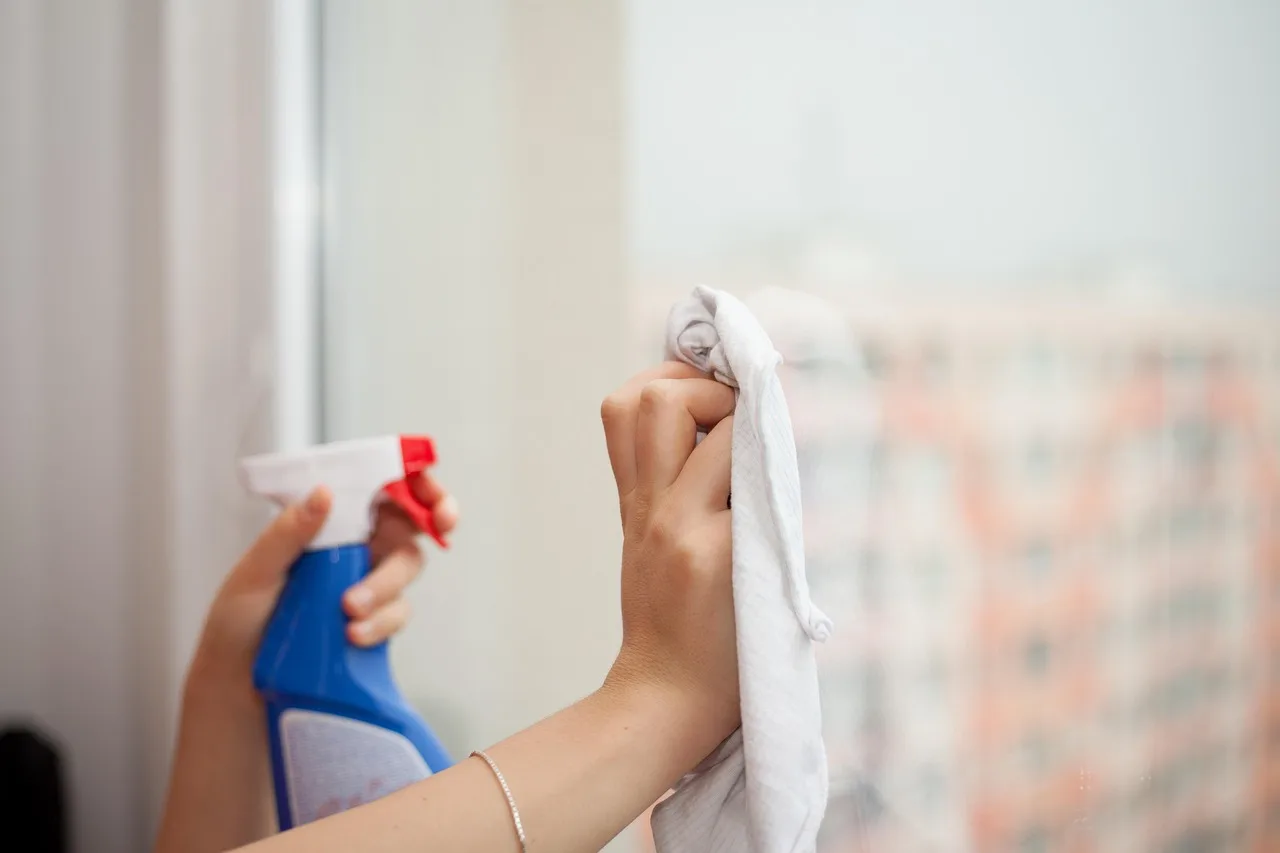

Invisible Glass Auto Glass Cleaner is the simplest glass-first pick here. It is ammonia-free, tint-safe, and designed to cut fingerprints, smudges, grease, and road film while wiping streak-free. That makes it useful on outside glass and on inside glass where residue is easy to spot in direct sun.
The drawback is that glass cleaners are surface-specific. Use them on windows and mirrors, not on trim or paint, and keep product away from touchscreens unless the manufacturer says otherwise. A streak-free result depends on clean towels and light pressure.
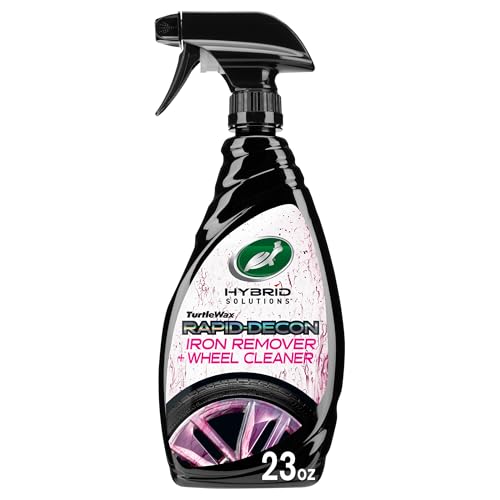
Turtle Wax Hybrid Solutions Iron Remover & Wheel Cleaner is the decontamination option in this list. It is pH neutral, acid free, and safe for paint, metal, glass, and all wheels. The color-changing formula shows when it reacts, which helps on embedded iron and brake dust that a normal wash will miss.
The drawback is that this is not a daily soap. It is for bonded contamination and wheel decon, so you do not need to use it every wash. Used properly, it pairs well with a regular shampoo and a maintenance sealant.
Streak-free glass cleaning for inside and out
Glass cleaner should evaporate cleanly and leave no film. That matters most on interior glass, where haze shows up at night and in low sun. A residue-free finish is also important when you are cleaning the windshield from the cabin side, since any leftover film becomes glare.
Anti-fog or rain-repellent variants
Some glass cleaners add anti-fog or rain-repellent behavior, but those claims should match the listing and the vehicle’s needs. If your main problem is inside fogging, a dedicated anti-fog product may help more than a basic cleaner. If you mainly want cleaner glass with no extra layer, a standard streak-free spray is simpler.
Hydrophobic spray sealants and wash durability
Ceramic spray sealants add hydrophobic protection, a higher gloss finish, and easier application than liquid wax for many owners. Their value is in wash durability and quicker drying, not in replacing a full correction process. Consumer care guidance commonly places exterior wax or paint protection at roughly three to six month intervals, depending on climate and wash frequency. Ceramic spray sealants are often used on a similar maintenance cadence.
If you want protection after washing, a spray sealant can be a good last step. It is most useful when you want water to bead off faster and dirt to release more easily at the next wash. Apply it to clean paint only, not to heavy grime.
Which car cleaner for which mess?
Use this table when you are deciding what to buy first. The safest product category is the one that matches both the contamination and the surface, because the wrong cleaner can create more work than the dirt itself.
| Mess type | Safest product category | Surface risk | Separate tool required? |
|---|---|---|---|
| Light dust on paint | Car shampoo with a wash mitt | Low if the panel is pre-rinsed | Yes, mitt and drying towel |
| Brake dust on wheels | Wheel cleaner or iron remover | Medium on delicate finishes if the label is ignored | Often yes, wheel brush helps |
| Dried road film | Pre-wash cleaner, then shampoo | Medium if the film is rubbed dry | Yes, wash mitt |
| Interior fingerprints | Interior cleaner | Medium on glossy trim and screens | Yes, microfiber towel |
| Screen smudges | Interior cleaner marked safe for screens | High if residue or excess liquid is left behind | Yes, soft microfiber towel |
| Tar | Tar remover or bonded contamination remover | High on fresh paint edges and plastics | Yes, applicator or microfiber |
| Heavy algae | Pre-wash cleaner, then agitated wash | Medium to high if growth is scrubbed dry | Yes, mitt or soft brush |
Picture a compact hatchback with winter road film on the lower doors and brake dust on the front wheels. A shampoo alone will not clear the wheels cleanly, and a wheel cleaner alone will not fix the paint. The better buy is a wash kit plus a separate wheel cleaner.
Say your infotainment screen shows fingerprints every few days. A glass cleaner is not the right first move if the screen coating is sensitive. Use an interior cleaner marked safe for screens, apply it lightly to the cloth, and keep the panel dry.
Which one should you buy?
If you only want one exterior cleaner, start with a car shampoo that is wax-safe and works with your wash method. If the car has heavy grime, add a pre-wash cleaner before you touch paint. If the wheels are the worst part of the car, buy the wheel cleaner first and clean the rims before the body.
If your cabin is the problem, an interior cleaner with a matte finish is the highest-impact single buy. If visibility is the issue, glass cleaner comes next. A ceramic spray sealant is worth adding after you have the basics, because it supports easier washing later and better water behavior on clean paint.
- Buy the product that solves the mess you see most often.
- Add the matching tool only when the product needs one, such as a mitt, towel, or wheel brush.
- Choose gallon or concentrate formats when you clean often and can use the product before it ages on the shelf.
- Pay for surface safety before scent, shine, or marketing language.
- Move to protection products only after you have a reliable wash and drying setup.
Frequently asked questions
What is the best car cleaner for interior and exterior use?
A true all-surface cleaner is a compromise, so the best answer depends on the surface. Chemical Guys Total Interior Cleaner & Protectant is aimed at interior materials and glass, while Meguiar’s Gold Class is the stronger choice for painted panels. For both jobs, separate products usually give cleaner results and less residue.
Which car cleaning products are actually worth buying?
The highest-value buys are the products you use on every wash: shampoo, a wash mitt, drying towels, glass cleaner, and a wheel cleaner. Add a pre-wash cleaner if the car gets heavy road film, and a ceramic spray sealant if you want easier maintenance between washes. Start with the mess, not the shelf.
What products do I need to clean a car properly?
For a proper clean, you need a rinse or pressure washer, car shampoo, a wash mitt, microfiber drying towels, wheel cleaner, and glass cleaner. An interior cleaner rounds out the kit for the cabin. If the car has bonded grime, add a pre-wash cleaner or iron remover before the contact wash.
What is the best car wash soap for paint protection?
A pH-neutral or wax-safe shampoo is the safer choice when you want to preserve existing protection. Meguiar’s Gold Class fits that role because it cleans and conditions in one step and works with foam cannons when diluted 5:1. Use it with good wash technique so you do not strip protection unnecessarily.
Which car cleaner works best on wheels and brake dust?
P & S Brake Buster is the straightforward wheel cleaner in this group because it is non-acid and safe for all wheel types. For embedded iron and heavy brake dust, Turtle Wax Hybrid Solutions Iron Remover & Wheel Cleaner gives a stronger decontamination step. Use the gentlest product that clears the wheel safely.
What is the best glass cleaner for car windows?
Invisible Glass Auto Glass Cleaner is the easiest pick for streak-free windows because it is ammonia-free, tint-safe, and designed to cut road film and haze. It works on inside and outside glass, provided you use a clean microfiber towel. If you want anti-fog or rain-repellent behavior, check the label for a dedicated variant.
Products related to this article
Sponsored / affiliate links. As an Amazon Associate I earn from qualifying purchases. I may earn additional commission from eligible campaigns.
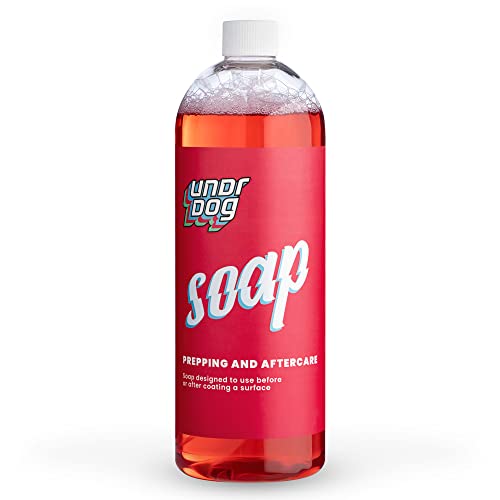 Undrdog Car Wash Soap, Foam Cannon Soap For Pressure Washer, Cleaner Detailing Supplies, Foam Gun Soap For Cars, Motorcycles, Trucks, Boats, 8, 16, 32oz (32oz)
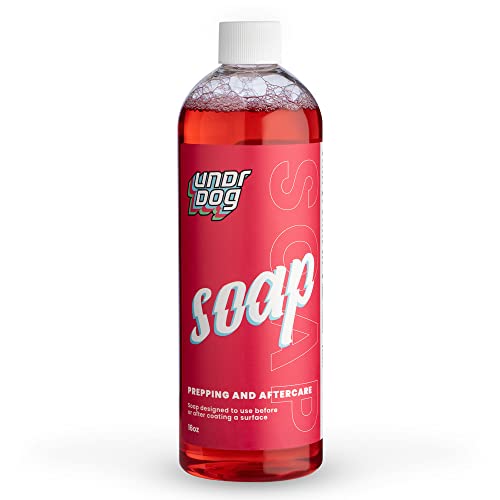 Undrdog Car Wash Soap, Foam Cannon Soap For Pressure Washer, Cleaner Detailing Supplies, Foam Gun Soap For Cars, Motorcycles, Trucks, Boats, 8, 16, 32oz (16oz)