Best Car Alternators: New vs. Remanufactured (Top Picks)
The right replacement alternator matches your vehicle’s original amperage rating — typically 70 to 250+ amps — not just a brand name. Installing an undersized unit forces it to run at maximum output nonstop, overheating the rectifier diodes and risking a dead battery at the worst time. This guide covers sizing a replacement, new-vs-remanufactured trade-offs, trusted brands, and how to confirm your alternator is actually the problem before you buy.
Quick Answer
Match your replacement alternator’s amperage to your original — usually 70–180 amps for cars, 200+ for trucks and SUVs — and never go lower. A new alternator (Denso, Bosch, Motorcraft) costs more but suits a vehicle you’re keeping long-term; a remanufactured one (Denso, Bosch, ACDelco) is cheaper and works fine for an older car. Always confirm the part fits by year, make, model, and engine — not brand alone.
How to Choose the Right Replacement Alternator
Start with amperage, not brand: the replacement should match or slightly exceed the output printed on your original alternator’s housing, or the spec your dealer or parts store pulls from your VIN. A small passenger car typically needs 70–130 amps; a truck or SUV running heated seats, a winch, or aftermarket audio can need 150–250+ amps. You can always install a higher-rated unit than stock — the alternator only supplies the current your electrical system actually demands — but never install a lower-rated one.
Amperage is only half the fit check. Confirm the mounting bracket, pulley type (V-belt vs. serpentine), and wiring connector all match your specific year, make, model, and engine — two alternators with identical amp ratings can still be physically incompatible. Not sure which part under the hood is the alternator in the first place? See our guide on where the alternator is located on a car before you start comparing parts.
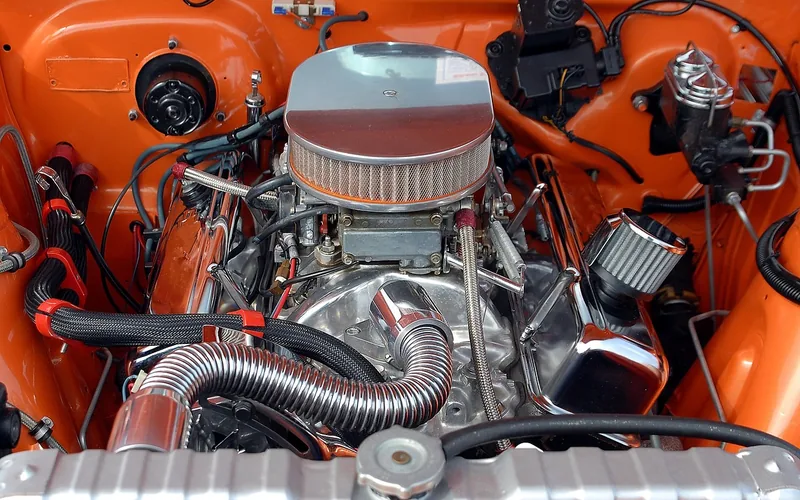
Rated amperage — typically 70–180 amps and up — is the single most important spec to check before buying a replacement, and it should match or slightly exceed the original.
— Paraphrased from AutoZone’s alternator buying guide
New vs. Remanufactured Alternator: Which Should You Buy?
A new alternator is built entirely from unused parts to meet or exceed OEM specs — it costs more up front but tends to last longer, which matters if you plan to keep the vehicle for years. A remanufactured alternator has been disassembled, cleaned, and rebuilt with new wear parts, then bench-tested to OEM spec before resale; from a reputable brand it performs comparably for a lower price, making it the common choice for older vehicles or budget repairs.
| Alternator Type | Typical Part Cost | Best For | Typical Warranty |
|---|---|---|---|
| New | $180 – $1,000+ | Vehicles you plan to keep 10+ years | 1–3 yrs; limited lifetime on some premium brands |
| Remanufactured | $80 – $300 | Older vehicles, budget-focused repairs | Typically 1–2 yrs |
| Used / Salvage | $50 – $150 | Not generally recommended — unknown history | Rarely any warranty |
The two alternators below are popular one-wire, high-output options often used for small-block/big-block Chevy, GM, and Ford V8 engine swaps and restorations — they are starting points to research, not a universal fit for every vehicle. Always confirm your mounting bracket, pulley type, and wiring configuration against your specific engine before buying. The two testers let you confirm your current alternator is actually failing before you spend money on a replacement.
Popular High-Output Alternator Pick (GM/Chevy — Confirm Fitment First)
1-Wire Self-Exciting High-Output Alternator, 120A (GM/Chevy 305/350) – $89.99
A self-exciting one-wire design that skips the factory wiring harness entirely — a common upgrade for the small/big-block Chevy and Buick applications covered in the compatibility section above.
- Best for: Small-block/big-block Chevy, GM, and Buick V8 swaps or restorations
- Why we picked it: One-wire simplicity avoids the OEM connector-matching issues described above, and 120A covers most non-truck electrical loads
- Main drawback: Not a factory-style multi-wire replacement — skip it if your vehicle’s ECU expects OEM charging-system feedback
Compare more alternator & diagnostic options
 Option 1 — Ford Fitment 1-Wire High-Output Alternator, 140A (Ford) – $129.99
|
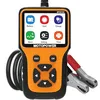 Option 2 — Diagnose First MOTOPOWER MP0515A Battery & Alternator Tester – $25.60
|
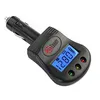 Option 3 — Budget Pick 12V Plug-In Battery & Charging System Tester – $15.29
|
As an Amazon Associate we earn from qualifying purchases.
Top-Rated Alternator Brands to Look For
Brand reputation matters less than matching amperage and confirming fit, but these five names come up most often among mechanics and parts stores for reliability:
- Denso — OEM-fit alternators across a huge range of Japanese and domestic applications, with outputs from about 40 to 160+ amps.
- Bosch — widely available in new and remanufactured form; Bosch units are frequently cited as matching or exceeding OEM amperage and voltage output.
- ACDelco / Delco Remy — the GM-aligned choice, especially for 1998–2005 GM vehicles; Delco Remy (Remy) also sells respected units for other makes.
- Motorcraft — Ford’s own brand, and the safest bet for factory-spec fit and connector compatibility on Ford, Lincoln, and Mercury vehicles.
- WAI Global, Mechman, and XS Power — aftermarket specialists built for high-output needs (audio systems, off-road lighting, engine swaps) rather than a stock daily-driver replacement.
Signs Your Alternator Needs to Be Replaced
A failing alternator rarely fails silently. Watch for:
- Headlights or dashboard lights that dim at idle and brighten as engine speed increases
- A battery or charging-system warning light that flickers or stays lit on the dash
- A growling or whining noise coming from the engine bay, especially as the alternator nears failure
- Slow cranking, stalling, or difficulty starting as the battery stops getting properly recharged
- Electrical accessories acting up — slow power windows, a glitchy stereo, flickering interior lights
- A burning rubber or hot-electrical smell, which can mean a slipping belt is overloading a weak alternator
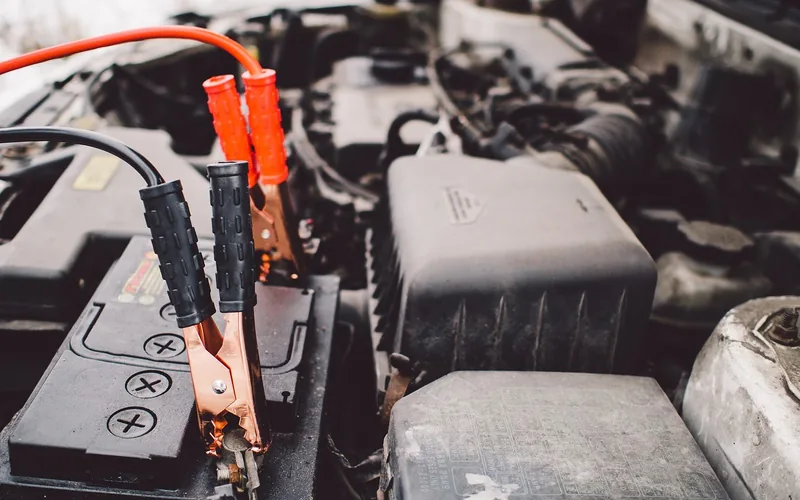
📊 Alternator replacement (parts + labor) typically runs $350–$900 for most vehicles — Source: RepairPal, 2026
If you’re not sure whether the problem is your alternator or the battery itself, start with our guide on how to check your car battery’s health before you buy anything.
How to Confirm Your Alternator Is Actually Bad (Before You Buy)
A dead battery, a corroded terminal, or a slipping belt can all mimic alternator failure. Run through these checks before you spend money on a replacement part:
- Check for the dashboard warning light: look for an illuminated battery or “ALT” icon — it points to unstable charging voltage, not necessarily a dead battery.
- Test voltage with the engine off: a healthy 12V battery should read close to 12.6 volts at rest; a much lower reading points to the battery or a parasitic drain first.
- Test voltage with the engine running: reconnect the tester and start the engine — a working alternator should push the reading to roughly 13.5–14.8 volts.
- Run a full charging-system load test: plug in a combined battery/alternator tester, such as the MOTOPOWER MP0515A above, to check actual output under load, not just resting voltage.
- Inspect the belt and wiring: a slipping serpentine belt or corroded connector can mimic alternator failure — check both before you buy a replacement.
Want to Charge a Portable Power Station From Your Alternator? (DC-DC Chargers)
If you searched for a car alternator “for charging,” you may actually be looking for a way to charge a portable power station from your vehicle’s existing alternator — not a replacement part. A DC-DC charger like the BLUETTI Charger 1 (560W) taps your alternator’s output through a dedicated cable, charging a compatible power station roughly six times faster than a standard cigarette-lighter charger, and it’s compatible with about 95% of solar generators on the market. It’s a popular add-on for road trips, RVing, and van builds — but it does nothing to fix a failing alternator itself; see the sections above for that.
Frequently Asked Questions
What amperage alternator do I need for my car?
Match your original alternator’s rated output, usually printed on the housing or looked up by your dealer or parts store using your VIN. Most passenger cars use 70–130 amps; larger SUVs and trucks with heavy electronics can need 150–250+ amps. You can safely install a higher-rated alternator than stock, but never a lower one.
Is a remanufactured alternator as good as a new one?
A quality remanufactured alternator from a reputable brand like Denso, Bosch, or ACDelco is disassembled, cleaned, and rebuilt to meet OEM specs, then bench-tested before sale. It performs like new for most drivers and costs less, though a brand-new unit typically lasts longer if you’re keeping the vehicle for many years.
How much does it cost to replace a car alternator?
Total replacement, including parts and labor, typically runs $350 to $900 for most vehicles. Hard-to-reach alternators on V6/V8 trucks and SUVs can push labor time to 2.5–3 hours, raising the total. The part alone ranges from about $80 (remanufactured) to $1,000+ (new, premium brand).
What are the signs my alternator is going bad?
Watch for dimming or brightening headlights, a battery or charging warning light on the dash, a growling or whining noise from the engine bay, slow cranking or stalling, and electrical accessories acting up (slow windows, flickering dash lights). A burning rubber smell can mean a slipping belt is overloading a weak alternator.
Can I install a higher-amp alternator than stock?
Yes. A higher-rated alternator simply provides more available current headroom — it only supplies what your electrical system actually demands, so it won’t force excess current into the battery. This is common when adding aftermarket audio, lighting, or a winch. Just confirm the mounting bracket and pulley still match your engine.
Does the BLUETTI Charger 1 replace my car’s alternator?
No. The BLUETTI Charger 1 is a DC-DC charger, not a replacement alternator — it uses your vehicle’s existing alternator output to charge a separate portable power station up to six times faster than a standard cigarette-lighter charger. If your alternator itself is failing, you need a replacement alternator, not a DC-DC charger.
Bottom Line
Picking the best car alternator comes down to matching amperage first, confirming physical fit second, and choosing new vs. remanufactured based on how long you plan to keep the vehicle. Before you spend money on a replacement, run a quick voltage or load test to make sure the alternator — and not the battery or belt — is actually the problem.
Products related to this article
Sponsored / affiliate links. As an Amazon Associate I earn from qualifying purchases. I may earn additional commission from eligible campaigns.