5 Best Car Door Edge Guards for Parking Lots: research shows
The best car door edge guards for parking lots are thick, paint-safe PVC or EPDM trim guards with adhesive plus clip support; choose 10–15 ft rolls for full doors, not short corner strips. Cheap guards peel, trap grit, and still leave you with chipped paint, scratched neighbors, and door dings that cost far more than the trim. I’ve seen that on commuter cars, family haulers, and fleet units. This guide ranks the guards that survive repeated door swings, curbside loading, and car-wash abuse, plus the fitment traps that cause most failures.
This guide is part of our Car key, lock, and door access guide series.
Quick comparison
| Product | Badge | Best for | Price | ||
|---|---|---|---|---|---|
 |
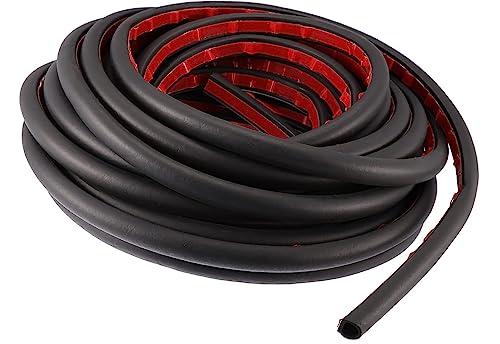
True Line Automotive L Shaped Car Door Edge Guards – 12 FTTRUE LINE Automotive | Our pick | 12 ft · L-shaped · 3M adhesive | $24.99
Price as of 29 Sep 2026
|
View |
 |
SYOAUTO 32Ft(10M) Door Edge Guard Black Car GuardsSYOAUTO | Budget pick | 32 ft · U-shape · no adhesive | $16.99
Price as of 29 Sep 2026
|
View |
 |
Qianggege 8PCS Car Door Handle Protector, Transparent &Qianggege | Upgrade pick | 8PCS · transparent · PVC film | $5.99
Price as of 29 Sep 2026
|
View |
 |
DGSL Car Door Edge Guards Door Sill Protector, 2.7In x 33FtDGSL | Also great | 2.7 in x 33 ft · carbon fiber wrap | $16.99
Price as of 29 Sep 2026
|
View |
 |
Door Hinge Cover Trim Exterior Accessories Decoration forE-cowlboy | Pair with it | 8PCS · Jeep Wrangler JL/JT fit | $24.99
Price as of 29 Sep 2026
|
View |
Parking lots hit the edge first, not the flat panel. The winners are the guards that match door thickness, stay put in heat and wash cycles, and do not bulge so much that they create their own rub points.
Fitment matters more than the name on the package. A guard that is too loose, too thick, or too adhesive-heavy can fail faster than bare paint in a crowded lot.
How we chose
The ranking below comes from the spec sheet, listed fit style, user feedback patterns, and common failure modes I see in the field. The main filters were door-thickness fit, retention method, wash survival, paint safety, and how each type behaves in tight parking spaces.
I also weighed whether the guard is useful for repeated daily contact, not just one-off scratches. That matters for commuters, parents, rideshare drivers, and anyone who parks beside carts, pillars, or careless doors.
- Fit range: whether the guard suits thin, average, or thicker door edges.
- Retention: clip-on, adhesive, or mixed retention.
- Parking use: cart taps, door-swing hits, and curbside loading.
- Durability: rain, heat, pressure washing, and repeated opening.
- Paint safety: the chance of adhesive residue, scuffing, or finish damage.
U-shaped edge guard trim: best for most parking lots
This is often a strong choice for many drivers because a U-shaped trim can clamp to the edge, absorb routine taps, and keep working through regular washing. The SYOAUTO-style build, with no adhesive required and a metal-reinforced core, is the most practical match for parking-lot abuse when the door thickness fits the channel.
It suits commuters, parents, and anyone who opens doors in narrow rows every day. The biggest advantage is simple retention: clip-on trim avoids the adhesive failure that shows up after heat, rain, and soap.
The drawback is fit sensitivity. If the door edge is too thick, the trim can sit proud, work loose at the corners, or leave a gap that invites grit and rattling.
True Line Automotive L-shaped trim: best for thin doors and simple installs

This is the better choice for drivers who want a lighter, cleaner-looking edge guard with adhesive retention and an easy cut-to-length install. Based on the listed 3M adhesive and L-shaped molding, it fits the owner who wants basic ding protection without the bulk of a clamp-on U channel.
It works well on thinner door edges and on vehicles where the edge profile is consistent from top to bottom. The paint-safe lining and simple install are attractive if the guard is being added to a leased car or a daily driver that still needs tidy trim.
The drawback is adhesive dependence. In hot parking lots, on dirty paint, or after repeated pressure washing, the bond is the weak link.
DGSL carbon-fiber wrap film: best for invisible-looking edge coverage
This is for drivers who want coverage with less visual clutter, especially when appearance matters more than bulk protection. The 2.7-inch by 33-foot vinyl format can cover more than just the edge, but it behaves more like a wrap film than a true clamp-on protector.
It suits people who park carefully and mostly want scratch resistance from light contact, scuffs, and brush marks. It is also useful when the goal is to keep the door edge from looking obviously modified.
The drawback is that it is not the best answer for repeated hard knocks. Film is more likely to show wear at corners, lift if prep is poor, and look tired sooner than a proper trim guard.
Qianggege transparent film: best for nearly invisible scratch protection
This is the best fit for owners who care most about resale appearance and want the least visible protection possible. The transparent PVC film is aimed at light scratch defense rather than serious door-edge impact control.
It fits smaller contact zones, such as edge-adjacent chips and handle-cup scratches, and it is useful where a guard would look out of place. For a leased vehicle or a lightly used garage queen, that can matter more than thickness.
The drawback is coverage and durability. Small film pieces are easy to place, but they do not give the same repeat-hit protection as full-length edge trim, and they can be harder to keep looking clean in road grime.
Door hinge cover trim: best for Jeep-specific fitment
This is the niche pick for Wrangler JL, JLU, and Gladiator owners who want an exact-match exterior trim piece rather than a universal edge protector. It is not the broadest parking-lot solution, but it does suit the vehicle line it was built for.
It works for owners who value fit and appearance on a platform with exposed hardware and repeated off-road washdown. The no-drill, peel-and-stick format is simple, and the ABS material is meant for exterior use.
The drawback is obvious: it is vehicle-specific and not a universal door-edge answer. Drivers outside the listed Jeep models should not treat it as a general parking-lot protector.
Which one should you buy
Choose the U-shaped edge guard trim if you want the best mix of fit, impact protection, and wash survival. For most parking lots, that is the safest default because it handles repeated door swings better than film and usually survives weather better than adhesive-only strips.
Choose the L-shaped adhesive trim if your door edge is thin, straight, and you want a cleaner look with less bulk. Choose transparent film if resale appearance matters most and the contact is mostly light scratches, not real edge abuse.
For thick doors, clip-on U-channel trim is the better bet because the guard clamps mechanically instead of trusting glue alone. For thin doors and leased cars, adhesive trim or clear film is often the cleaner choice, as long as the edge profile is compatible and the paint is fully cleaned first.
For the cheapest workable fix, the SYOAUTO U-shape style is the value play because it gives full-length coverage and does not depend on adhesive bond strength. The cheapest product is not always the cheapest outcome, though; a failed guard can scratch paint while it falls off.
What are the best car door edge guards for parking lots?
For parking lots, U-shaped trim guards with a paint-safe lining and a fit that matches your door thickness are often a practical choice. They handle repeated contact better than film and usually survive rain and wash cycles better than adhesive-only strips, which is why they are the top choice for crowded lots.
Use them for shopping-cart taps, neighboring-door contact, pillar scrapes, and daily opening in tight rows. They are not magic shields against a hard slam, but they are the best practical answer for ordinary parking-lot damage.
Parking-lot failure modes to plan for
- Shopping-cart taps that strike the edge at wheel height.
- Adjacent-door hits in narrow spaces.
- Pillar strikes in garages and curbside loading zones.
- Repeated daily contact that slowly walks adhesive loose.
Do door edge guards actually prevent dings and scratches?
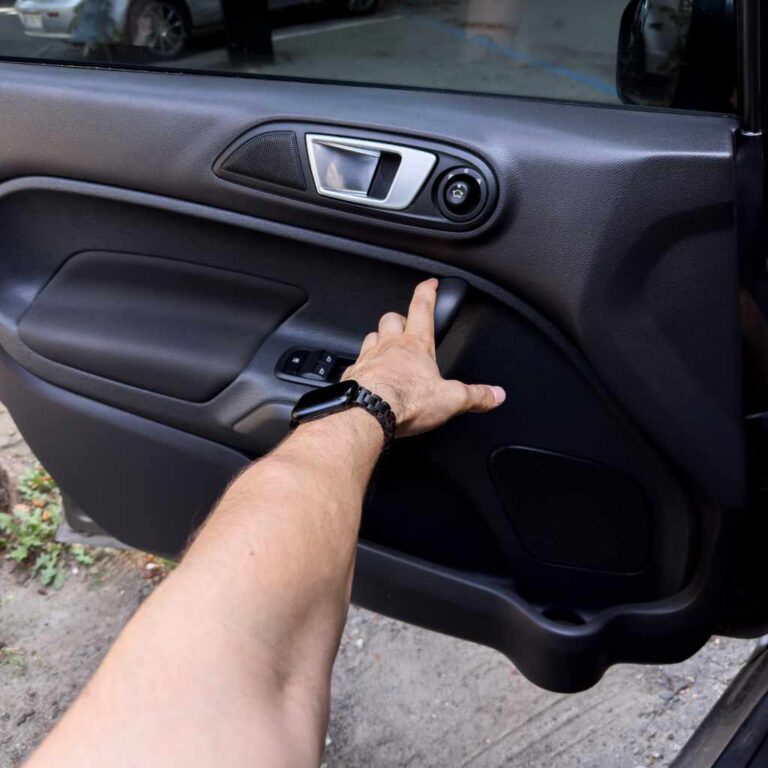
Yes, but only for the kind of contact they are built to absorb. Door edge guards can reduce paint damage from light taps, rubs, and edge-on contact, but they will not stop a hard door slam, a fast-moving cart, or a direct hit from another vehicle.
Think of them as sacrificial trim, not armor. They are most useful when the edge would otherwise strike paint, metal, concrete, or another parked car several times a week.
Where the protection is real
They work best at the outer edge, where chips and scuffs usually start. Full-length trim gives more useful coverage than small corner pieces because parking-lot contact rarely lands in the exact same spot every time.
Which door edge guard is best for thick or thin car doors?
Thicker doors often do better with clip-on U-shaped trim, because the channel can grip the edge without relying on adhesive. Thinner doors often suit adhesive L-shaped trim or clear film, as long as the fit chart matches the edge and the trim channel is not too wide.
When the edge is outside the listed range, failure becomes predictable. Too loose and the guard slides; too tight and it distorts, pops, or leaves pressure points that can scuff the finish.
Door thickness measurement matters
Use calipers if you can. Measure the actual painted edge, not just the door shell, and compare that number in millimeters and inches with the manufacturer fit chart before buying.
- Open the door fully and clean the edge.
- Measure the painted edge thickness with calipers.
- Check the product’s channel width and stated fit range.
- Look for problem-fit scenarios such as flared seams, folded lips, or edge trim already present.
- Test a short section before cutting the full length.
How do I install car door edge guards without damaging paint?
Clean paint first, test-fit before cutting, and avoid forcing a guard onto a thick or irregular edge. The safest install is the one that matches the door profile, uses a paint-safe liner, and does not need you to pry against fresh paint with metal tools.
Clip-on trim is usually safer than adhesive on dirty, waxed, or rough paint. Adhesive can work well, but only when the surface is fully prepped and the guard is not expected to peel under constant washing or heat.
Safe install steps
- Wash and dry the edge fully.
- Remove wax, road film, and grit from the contact area.
- Measure the edge and confirm fit.
- Cut the trim a little long, then trim to final length after test fit.
- Press the channel on evenly from one end to the other.
Are rubber or metal door edge guards better?
Rubber is better for most daily drivers because it flexes, absorbs minor contact, resists weather, and tends to be quieter. Metal is better only when impact resistance matters more than appearance and weight, and even then it needs careful finish quality to avoid paint contact risk.
For parking lots, rubber usually wins on usability. Metal can take abuse, but it can also corrode, add weight, and turn into a paint hazard if the edge is rough or the install is off by a few millimeters.
Rubber edge guard tradeoffs
Rubber handles temperature swings better than cheap hard plastic and can cut noise when a door closes against it. The downside is UV aging: low-grade rubber can harden, fade, or crack, then start peeling at the ends.
Metal edge guard tradeoffs
Metal resists direct impact well and can hold shape longer than soft trim. The downside is finish quality and corrosion resistance; if the coating is poor or the underside is rough, it can mark paint or rust at the edge.
Can door edge guards fall off in rain or car washes?
Yes, especially adhesive-only guards that were installed on dirty paint or on a door edge that is outside the fit range. Rain is usually not the problem by itself; heat, flex, soap, pressure washing, and weak prep are what loosen guards first.
Clip-on U-shaped trim usually survives washes better than adhesive-backed pieces, while film can lift at corners if the edges were not sealed well. Any guard with a poor fit will fail faster in summer heat and repeated wash cycles.
Common failure modes by type
| Guard type | Door thickness fit | Install method | Parking-lot use case | Wash durability | Most common failure reason |
|---|---|---|---|---|---|
| U-shaped edge guard trim | Best on thin to medium edges that match the channel width | Clip-on; some versions add adhesive support | Repeated door swings, cart taps, daily commuter parking | High if fit is correct | Channel too loose or too tight; corners lift if cut poorly |
| Rubber edge guard | Works across a wider range if flexible enough | Usually push-on or adhesive-backed | Frequent contact and noisy lots | Medium to high | UV aging, heat creep, adhesive peel at the ends |
| Metal edge guard | Needs a stable edge and careful fit | Clip or adhesive, depending on design | Heavy-duty use, rough contact zones | Medium | Corrosion, finish wear, paint contact from rough edges |
| Clear paint-protection film | Less dependent on edge thickness; depends on surface shape | Adhesive film | Invisible protection, light scratches, resale-minded owners | Medium | Corner lift, dirt under film, poor surface prep |
| Door edge protector strip | Usually made for standard edge profiles | Adhesive or clip-on | Basic ding protection for daily drivers | Low to medium | Short length, weak corner coverage, reuse failure after removal |
How much do car door edge guards cost?
Most car door edge guards sit in the low-cost aftermarket range, with simple strips and films at the budget end and longer, better-made trim guards costing more. The real cost question is not the sticker price; it is whether the guard survives summer heat, pressure washing, and repeated use.
Cheap pieces are fine if the car rarely parks tight. For daily parking-lot use, paying a little more for fit, retention, and paint safety usually beats replacing a peeled strip and dealing with a scratch it failed to stop.
Cost and value by driver type
- Commuters: choose full-length U-channel trim for the best balance of protection and durability.
- Rideshare drivers: prioritize wash survival and quick installation that does not look bulky.
- Parents: favor clip-on trim that stands up to constant door use in school and store lots.
- Leased-vehicle owners: choose clear film or a low-profile trim that removes cleanly.
- Tight-lot parkers: use the most secure trim you can fit, not the shortest and cheapest option.
Products related to this article
Sponsored / affiliate links. As an Amazon Associate I earn from qualifying purchases. I may earn additional commission from eligible campaigns.