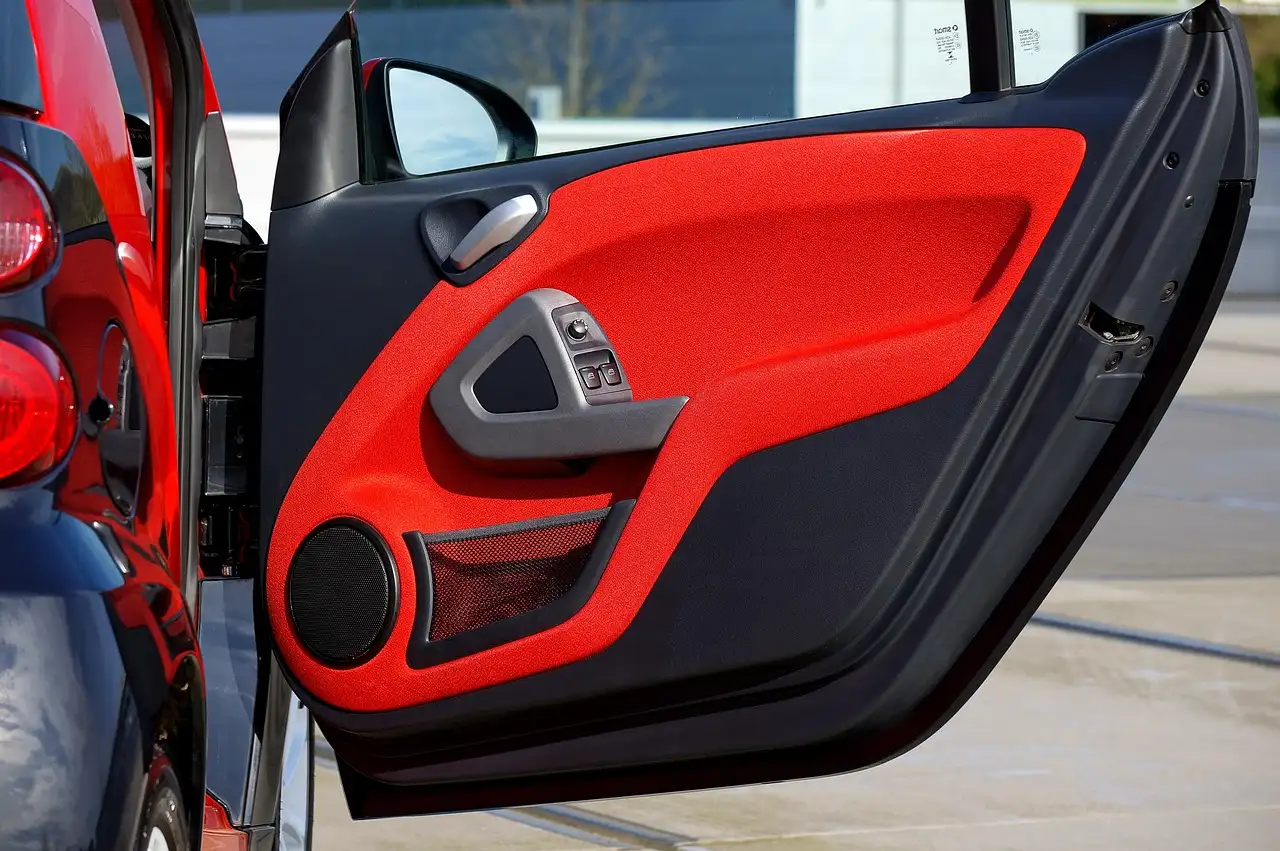
3 Best Car Lock Lubricants for Frozen Locks (2026): we compared
For a frozen car door lock, use a dry lock lubricant with graphite or PTFE in the cylinder; use silicone spray on the latch or weather seal, and avoid using WD-40 as the final fix. The wrong product can leave the key stuck, make the latch gummy, or send the lock back to freezing tomorrow. This guide matches lubricant type to frozen cylinders, sticky latches, and squeaky hinges so you fix the right part first.
Quick comparison
| Product | Badge | Best for | Price | ||
|---|---|---|---|---|---|
 |
Hillman 703185 Graphite Tube 3G, White Key Lock LubricantHillman | Our pick | 3g graphite tube for car locks | $6.92
Price as of 26 Sep 2026
|
View |
 |
CRC Heavy Duty Silicone Lubricant Spray – Dry Film, WaterCRC | Also great | 11 oz silicone spray, water resistant | $12.34
Price as of 26 Sep 2026
|
View |
 |
Graphite Powder Lubricant, Dry Lube, Reduces Friction,RanLanBox | Budget pick | Fine-tip nozzle graphite powder | $6.99
Price as of 26 Sep 2026
|
View |
 |
Valvoline FlexFill Advanced Full Synthetic 75W-90 Gear OilValvoline | Pair with it | 75W-90 synthetic gear oil pouch | $18.99
Price as of 26 Sep 2026
|
View |
Match the lubricant to the part, not the symptom. A frozen lock cylinder wants a dry or silicone-based approach, while a hinge or latch needs a heavier lubricant that stays on metal.
The wrong product often works once, then leaves residue that traps dirt and moisture. That is why winter lock care needs a part-by-part decision, not one spray for everything.
How we chose
We compared winter freeze resistance, residue buildup, dirt attraction, and how cleanly each lubricant comes off later. We also looked at whether the product fits the exact part: lock cylinder, latch, or hinge.
Cold-weather ease of application mattered too. A lubricant that works in a warm garage but clogs a fine cylinder in February is the wrong answer.

Silicone-based lubricant: best for frozen lock cylinders
Silicone-based lubricant is often a good all-around pick for a frozen car door lock cylinder. It blocks water, holds up in hot weather, and the silicone-based lock lubricant does not contain toxic chemicals.
This is the best fit when the problem is inside the car door lock cylinder itself, which is a delicate internal mechanism that dirt and moisture foul fast. It beats grease here because it protects the cylinder without turning the keyway into a sticky dust trap.
Before spraying, clear out dried oil, dust, and dirt. If the lock is already frozen, thaw it first, dry it fully, then apply a light amount. Over-oiling is a common mistake; a fine cylinder wants a thin coating, not a wet one.
The main drawback is that silicone spray is not the right answer for every moving part on the door. It helps the cylinder, but it is not the best long-term lubricant for heavy metal-on-metal hinge joints.
Graphite lubricant: best for exterior lock mechanisms
Graphite lubricant is a strong choice for exterior lock mechanisms because it comes in powder form and repels dirt. That makes it useful for a car door lock cylinder that sees winter grit, road salt, and repeated key use.
Graphite often beats spray lubricants when the goal is to keep a fine mechanism dry and clean. It is especially sensible for exterior locks where residue buildup is the real problem, not just friction.
Do not use graphite on a wet or filthy lock and expect it to fix the mess. If moisture or grime is already inside, clean and dry the mechanism first or the powder can clump and leave the cylinder harder to turn.
The drawback is simple: graphite is not a rescue for heavily rusted or mechanically damaged parts. It works best as prevention or on a cleaned cylinder that still moves but feels rough.
White lithium grease: best for hinges and latches
White lithium grease belongs on metal-on-metal parts such as hinges and latches, not inside the lock cylinder. It is a sticky lubricant that repels water, and that makes it well suited to a car door hinge or a latch that squeaks, drags, or shows corrosion.
For the latch, check for visible rust or crusted contamination first. A latch that is already packed with dirt should be cleaned before any new spray or grease goes on, or the old mess just gets sealed in.
The drawback is where people most often go wrong: a fine lock cylinder is not a grease joint. White lithium can gum up a delicate keyway and make a frozen lock worse over time.
The product shown here is gear oil, which is not the same thing as white lithium grease and is not the right choice for a door lock cylinder. It belongs to drivetrain work, not a winter lock fix.
How do you clean a sticky car lock before lubricating it?
Clean it with a small wire brush, a toothbrush, or a Q-tip before adding fresh lubricant. A sticky car lock usually has dried oil, dust, and grime in the keyway or around the latch, and new lubricant over old sludge only makes the buildup thicker.
Start gently. Do not force the key through packed debris, because that can bend a worn key or push dirt deeper into the cylinder. Dry the part completely before you spray or apply powder.
Step-by-step freeze recovery sequence
- Thaw the frozen area first. Use gentle warmth, not aggressive heat, so you do not warp trim or drive water deeper into the mechanism.
- Work the key only when the cylinder begins to move. If it resists hard, stop and inspect for packed ice or grime.
- Clean out old oil, dust, and dirt with a wire brush, toothbrush, or Q-tip.
- Dry the lock, latch, or hinge fully.
- Apply the correct lubricant to the correct part: silicone or graphite in the cylinder, white lithium grease on hinges and latches.
- Cycle the part a few times so the lubricant spreads, then wipe away excess.
Should I use graphite, silicone, or WD-40 in a car lock?
Use silicone or graphite in the lock cylinder, and treat WD-40 as a short-term helper, not the final answer. Silicone is the safer all-around choice for a frozen cylinder, while graphite is often better for an exterior lock mechanism that needs to stay dry and clean.
WD-40 can free partially rusted or sticking latches and hinges, and it is useful when a part needs lighter lubrication. It is usually not the best long-term lock lubricant because it can leave the mechanism too wet for a fine keyway in winter.
When silicone is the better call
Choose silicone-based lubricant when the cylinder is the problem and moisture is the enemy. Its water barrier matters in winter, and it is less likely than an oily spray to leave residue that grabs dust.
When graphite is the better call
Choose graphite when the lock is dry, exterior, and still mechanically sound. It is a clean fit for a fine lock mechanism that should not be loaded with liquid oil.
When WD-40 is useful
Use WD-40 when a latch or hinge is slightly rusted, gummy, or sticking and you need light freeing action. After that, switch to the right long-term lubricant for that part.
What lubricant is best for car door hinges and latches?
White lithium grease is the best fit for car door hinges and many latches because those parts are metal-on-metal joints. A hinge needs a lubricant that stays in place, resists water, and keeps weather exposure from grinding the joint dry again.
WD-40 can help free a stuck latch or hinge, but it should not be the final maintenance product. Once the part moves, follow with a proper grease if the joint is a hinge or a latch that needs lasting protection.
Hinge care without overdoing it
Spray the hinge lightly, then work the door open and closed. If the squeak remains, a small follow-up amount of grease at the pivot point usually does more than another heavy spray.
Latch care without making it gummy
Check the latch for corrosion before lubricating. If old oil and dirt are present, clean first, then apply the correct spray or grease sparingly so the latch keeps moving in cold weather.
Why does my car door lock freeze in winter?

Car door locks freeze in winter because moisture gets into the cylinder, then turns to ice. Dirt and corrosion make it worse, because grime holds water and rough surfaces give ice more places to stick.
The same problem shows up in latches and hinges, but the fix is not identical. A frozen cylinder needs a dry or silicone-based approach, while a hinge or latch often needs grease or a freeing spray first.
How do I stop my car door lock from freezing again?
The best prevention is seasonal maintenance, usually twice per year: one lubrication in summer and one lubrication in winter. Clean the mechanism first, then use the correct lubricant for the exact part so moisture, dirt, and corrosion have less to grab.
A silicone-based lubricant is a safe all-around choice for lock cylinders, graphite is a good fit for exterior locks that must stay clean, and white lithium grease belongs on hinges and latches. That split matters more than brand names or spray volume.
Seasonal maintenance schedule
- Summer application: clean the lock cylinder, latch, and hinge areas, then apply the proper lubricant for each part.
- Winter application: repeat the cleaning step, then refresh the cylinder with silicone or graphite and the moving metal joints with white lithium grease.
- After snow or freezing rain: wipe visible moisture from the door edge, lock area, and exposed latch parts before it refreezes.
Can I use white lithium grease on a car door lock?
Do not use white lithium grease inside a car door lock cylinder. It is the right product for hinges and latches, where metal-on-metal contact benefits from a sticky, water-resistant lubricant, but a fine cylinder needs a drier product that does not trap grit.
If the lock cylinder is already sticky, clean it first and choose silicone or graphite instead. That keeps the keyway from turning into a dirt-filled paste in cold weather.
How often should car door locks be lubricated?
Car door locks should be lubricated twice per year in most cases, with one summer application and one winter application. That schedule keeps seasonal moisture, dust, and temperature swings from building up inside the cylinder and around the latch.
If a door is used heavily or sees road salt, check it more often. The key test is simple: if the lock feels gritty, slow, or starts to stick, clean it before adding more lubricant.
What should I use to clean a sticky car lock before lubricating it?
Use a small wire brush, a toothbrush, or a Q-tip to clean a sticky car lock before lubricating it. Those tools can remove old oil, dust, and grime without forcing the key or scraping the mechanism harder than necessary.
After cleaning, dry the part completely. Lubricant on top of moisture usually gives a short fix, then the lock binds again when the temperature drops.
Does WD-40 damage car door locks?
WD-40 usually does not damage car door locks, but it should not be the final lubricant in a lock cylinder. It is better suited to freeing partially rusted or sticking latches and hinges, where lighter lubrication is enough to get the part moving.
If you use it in a lock, treat it as a temporary freeing step, then clean and follow with the proper cylinder lubricant. Leaving it as the only product can invite residue buildup and cold-weather re-freezing.
Which one should you buy?
Buy silicone spray if the problem is a frozen lock cylinder and you want the safest all-around choice. Buy graphite if the lock is an exterior cylinder that needs a dry, dirt-resistant lubricant. Buy white lithium grease for hinges and latches. Choose WD-40 only when you need to free a stuck or rusty part before the real lubricant goes on.
For a driver who wants one product for the cylinder, silicone is the practical pick. For someone fighting dusty exterior locks, graphite is cleaner. For doors that squeak at the hinge or drag at the latch, grease is the correct tool.
Frequently asked questions
What is the best lubricant for frozen car door locks?
Silicone-based lubricant is generally the best all-around choice for a frozen car door lock cylinder. It helps block water, works well in winter, and does not leave the heavy residue that can make a fine keyway dirty again after the thaw.
How do I remove old oil, dirt, and grime from a car lock?
Use a small wire brush, toothbrush, or Q-tip to lift old oil and dirt from the keyway and surrounding parts. Work gently, wipe away debris, and dry the mechanism before adding fresh lubricant so the new product does not seal in the mess.
Products related to this article
Sponsored / affiliate links. As an Amazon Associate I earn from qualifying purchases. I may earn additional commission from eligible campaigns.