Best Car Tool Kits (2026): Based on Specs and Reviews
Start with five project kits: oil changes, brakes, suspension, interior trim, and diagnosis. Buy those before a big generic set, because the wrong bundle wastes money, duplicates tools you will not use soon, and still leaves you stuck mid-repair. This guide lists the exact starter tools to buy first for each job, plus the few extras worth adding later.
Quick comparison
| Product | Badge | Best for | Price | ||
|---|---|---|---|---|---|
 |
CASOMAN 3/8" Drive Impact Socket Set, 49 Piece Standard SAECASOMAN | Our pick | 49 pc · 35.97 · Impact Sockets | $35.97
Price as of 16 Oct 2026
|
View |
 |
OBD2 to USB Cable Diagnostic Tool OBD2 Code Reader ScannerGeneric | Also great | OBD2 USB · 14.49 · Adapter | $14.49
Price as of 16 Oct 2026
|
View |
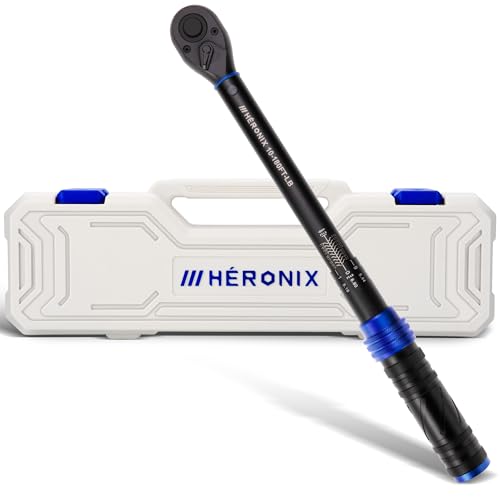 |
HERONIX 1/2 Inch Drive Click Torque Wrench, 10–180HERONIX | Also great | 1/2" · 26.89 · Torque Wrench | $26.89
Price as of 16 Oct 2026
|
View |
The trade-off is straightforward: the CASOMAN socket set covers the widest range of wrenching jobs first, the HERONIX torque wrench handles the fasteners that punish guesswork, and the OBD2 USB cable is the cheapest path into diagnosis on supported laptops.
If you are building a first serious garage kit, buy the socket set first, then the torque wrench, then the scanner. That order matches the jobs that fail most often from missing tools: stuck fasteners, under- or over-tightened hardware, and a check-engine light you cannot read.
How we chose
The shortlist favors project coverage over raw piece count. A bigger box is not better if half the pieces duplicate sizes you will not use soon.
We looked for the drive sizes that map to real car work, including 1/4-inch, 3/8-inch, and 1/2-inch use. We also weighed socket depth, six-point versus twelve-point design, wrench coverage, safety tools, and storage quality.
Warranty support and brand trust matter too. A solid case, a ratchet that releases quickly, and a maker that stands behind the set all affect whether the kit still feels useful after the first year.
Project tool matrix
| Project | Minimum tool bundle | Buy first / later / skip | Failure risk if you miss a tool |
|---|---|---|---|
| Oil changes and fluid checks | 3/8-inch socket set, drain-plug socket or wrench, oil-filter tool, torque wrench for reinstall | Buy first | Rounded drain plug, crushed filter seal, leak at the plug, over-tightened hardware |
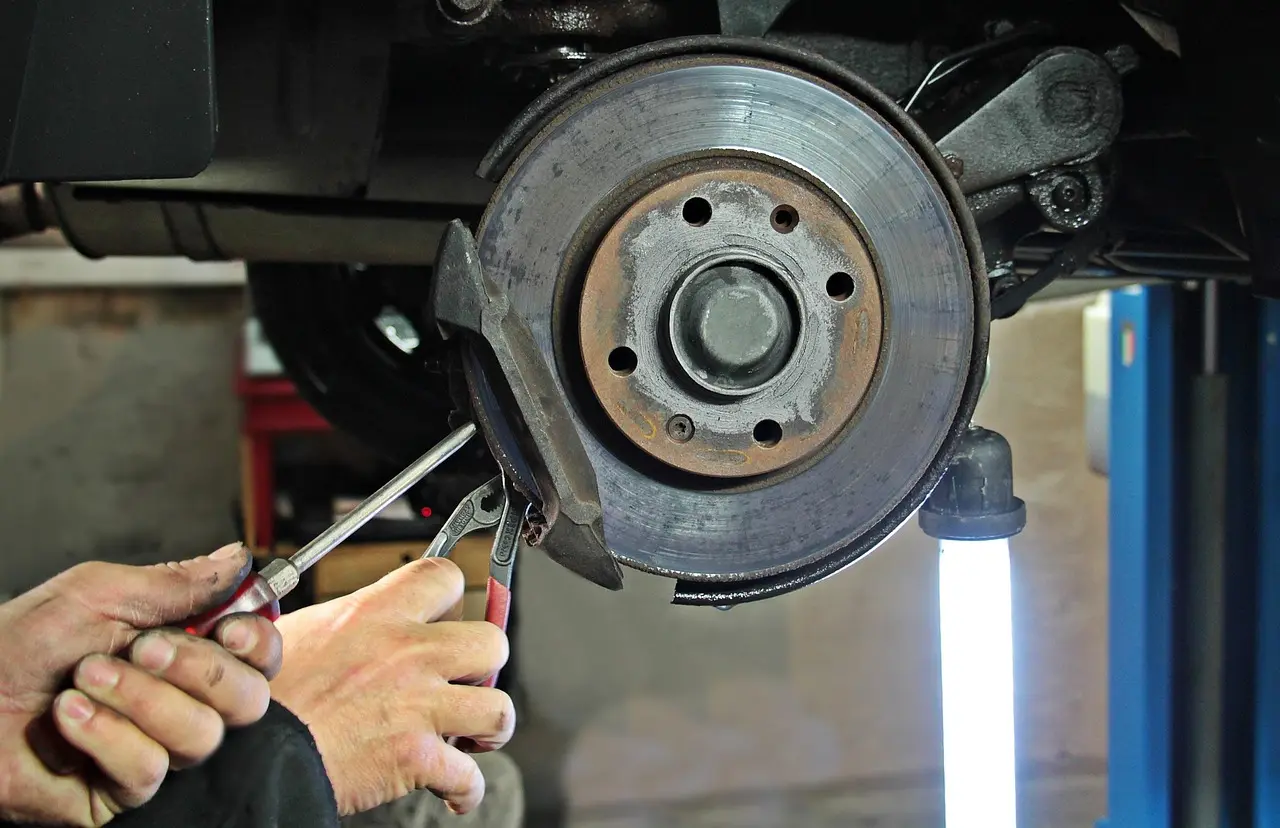
| Brake jobs and wheel service | 1/2-inch sockets, torque wrench, floor jack, jack stands, combination wrenches, tire pressure gauge | Buy first | Warped rotor risk from uneven wheel torque, stripped caliper bolts, unsafe lifting |
| Suspension and tire work | 1/2-inch drive, long breaker bar, deep sockets, torque wrench, jack stands, wrench set | Buy first | Rounded lug nuts, seized fasteners, unstable support, damaged ball-joint or strut hardware |
| Interior work and trim repairs | 1/4-inch drive, small sockets, trim tools, short combination wrenches | Buy later | Broken clips, marred trim, fastener heads stripped by oversized tools |
| Check-engine diagnosis and basic troubleshooting | OBD-II scanner, tire pressure gauge, basic hand tools, notebook or phone log | Buy first | Parts swapping without a code read, missed low-pressure tire, repeated warning light |
Starter socket set: best for general repairs
This CASOMAN 3/8-inch set suits a beginner who wants one socket kit that can handle common under-hood work, brake hardware, and many small-to-mid fasteners without buying a separate pile of loose pieces. Based on the published details, the 49-piece layout, 6-point design, and included extension, universal joint, and reducer make it more useful than a bare-bones box.
The main drawback is scope. A 3/8-inch set cannot replace a full 1/4-inch precision kit or a real 1/2-inch wheel and suspension setup, and an impact-style set is not the same thing as a complete mechanics tool set with ratchets, wrenches, and torque control.
1/4-inch, 3/8-inch, and 1/2-inch roles
For car work, 1/4-inch drive belongs on small fasteners, trim screws, and light interior jobs. 3/8-inch is the general-purpose drive for under-hood work. 1/2-inch is the size that earns its keep on lug nuts, suspension bolts, and other higher-torque jobs.
Is a 1/4 inch, 3/8 inch, and 1/2 inch tool set enough for car work? For many home garages, yes, if the sockets, extensions, and ratchets are good and you add the right wrenches and torque control. It is enough to start. It is not enough to avoid every specialty tool later.
Metric first, with SAE where it matters
Do I need metric or SAE sockets for modern cars? Buy metric first for most modern cars. Many domestic and imported vehicles still mix sizes, though, so SAE sockets stay relevant for older hardware, accessories, and some American-built models.
A mixed fleet changes the answer. If the garage sees one older truck and one newer sedan, a metric-first set with select SAE sizes is smarter than a huge SAE-heavy bundle you rarely touch.
Shallow versus deep sockets
Shallow sockets fit many exposed fasteners and let you work in tighter spaces. Deep sockets reach recessed nuts, longer studs, and hardware buried under brackets or wheels. A starter set should include both, because the wrong depth can waste time or round a fastener.
Six-point versus twelve-point
Six-point sockets grip a fastener more securely and are usually safer on stubborn hardware. Twelve-point sockets can be useful where access is tight, but they are not the best first choice for rusted brake or suspension bolts. If the bolt fights back, six-point is the safer move.
A common first-timer mistake is using a shiny twelve-point socket on a corroded caliper bracket bolt. The first slip rounds the head, and the job gets longer, noisier, and more expensive.
Ratchet features, quick-release, and storage
Buy a mechanics tool set with a quick-release ratchet if possible. The release button keeps sockets from sticking on the drive, which matters when you are swapping sizes often or working in a cramped engine bay.
Storage matters too. A sturdy case or cabinet helps you spot missing pieces and keeps the kit usable. Piece count is useful only if the set stays organized and the ratchet still feels solid after repeated use.
Torque wrench and wrench set: best for critical fasteners
This HERONIX 1/2-inch click torque wrench is aimed at the jobs where tightening by feel is a bad idea: wheels, brakes, and many engine-cover fasteners. The dual-scale layout and 72-tooth ratchet head are practical details, and the published ±3% figure is the kind of spec that matters when torque must be repeatable.
The drawback is that a 1/2-inch torque wrench is not the only wrench you need. It covers heavier fasteners well, but it does not replace a smaller torque wrench for delicate fasteners or a combination wrench set for tight spaces and line fittings.
Where torque matters most
Include a torque wrench for wheel lugs, brake hardware, and engine covers. Over-tightening can distort parts, strip threads, or make later service much harder. Under-tightening can let parts loosen, which is worse.
Ironcube’s checklist is right on one key point: a torque wrench is critical for correct tightening. That is especially true after brake work, where uneven clamping can create noise, vibration, or uneven wear.
Open-end, box-end, and flare-nut wrenches
A combination wrench set gives you an open end and a box end in one tool. The open end works where the box end cannot fit, while the box end grips better on many fasteners.
Flare-nut wrenches belong on brake and fuel line fittings. Their shape helps protect soft fittings from rounding. If you work near brake lines, this is not an optional upgrade. It is cheap insurance against a stripped fitting.
What to buy first and what to postpone
Start with the sizes your car uses most, then add the less common sizes later. A full premium wrench set is useful, but a smaller set with the right range beats a huge box that duplicates sizes you never touch.
Wrench quality also affects knuckle room. In a tight engine bay, a thin, well-fitted box end is often better than a heavier wrench with flashy packaging.
Safety and diagnosis kit: best for lifting and fault-finding
This OBD2 to USB cable is for the home mechanic who wants a low-cost way to read codes on a laptop and dig into supported modules. The wired connection avoids signal dropouts, and the MS-CAN/HS-CAN switch expands access on compatible vehicles. The main drawback is obvious: it depends on a computer, so it is less convenient than a handheld scanner.
Buy this if you want code reading before parts replacement, especially when a check-engine light appears and you do not want to guess. It is not a substitute for every scan tool feature, but it is enough to stop blind troubleshooting.
Floor jack and jack stands
Floor jack and jack stands are required for tire rotation and brake inspection. Never work under a car supported only by a jack. A jack lifts; it is not the final support.
That rule sounds basic because it is. Yet it prevents the kind of failure that turns a routine brake check into a tow and a hospital bill.
Tire pressure gauge
A tire pressure gauge belongs in the glove box. It helps with safety and fuel economy, and it takes almost no space. For a beginner kit, this is one of the cheapest tools with the biggest return.
OBD-II scanner
An OBD-II scanner checks engine light codes before you visit a repair shop. That matters because a stored code can tell you whether the problem points to a sensor, a misfire, a fuel issue, or something more serious. It also helps you avoid replacing the wrong part first.
Why these tools prevent wasted parts swaps
Say your sedan throws a check-engine light after a rough idle. A code read can separate an ignition problem from a loose gas cap or an oxygen-sensor fault. Without that readout, a beginner can buy parts in the wrong order and still keep the light on.
Suppose a wheel swap leaves one lug nut visibly different from the rest. A torque wrench and gauge let you spot the mistake before the car goes back on the road. That is the difference between a quick fix and an avoidable comeback.
Which one should you buy?
For a first kit, buy by job, not by piece count. If you plan to do oil changes, brakes, and wheel swaps, start with sockets, a torque wrench, jack stands, and a floor jack. If diagnostics matter more than mechanical work, move the scanner up the list.
Do not overbuy duplicates. A giant mechanics tool set can look smart on paper, but a beginner often needs fewer pieces and better coverage: metric sockets, a few SAE sockets, one solid torque wrench, and a wrench set that reaches brake and line fittings.
Brand trust matters, but price alone should not decide the purchase. Car Talk names DEWALT as its best overall pick, CRAFTSMAN VERSASTACK as its DIY pick, and WORKPRO’s 450-piece drive socket set as a popular option. It also points to Kobalt as a budget choice under $500 and Icon for low prices and high value. Those labels help, but the right choice still depends on the car and the job list.
If you want the widest start, choose a socket-first path, then add torque and diagnosis. If you work on mixed vehicles, include SAE alongside metric from day one. If your repairs stay light, skip oversized cabinet sets and buy the tools you will reach for this month, not next year.
What tools do I need for basic car maintenance at home?
Basic home maintenance starts with a socket and ratchet set, a torque wrench, combination wrenches, a tire pressure gauge, and safe lifting gear. Add jack stands before any wheel or brake work. An OBD-II scanner is the next buy if you want to read check-engine codes before paying a shop.
Which mechanic tool set is best for a beginner DIYer?
The best beginner mechanic tool set is the one that covers the jobs you actually plan to do. For most new DIYers, that means metric sockets first, a few SAE sizes, a 3/8-inch drive for general work, and storage that keeps pieces organized instead of scattered.
Is a 1/4 inch, 3/8 inch, and 1/2 inch tool set enough for car work?
Yes, for most first-stage car work, those three drive sizes cover the bulk of the job. Use 1/4-inch on trim and small fasteners, 3/8-inch on common repairs, and 1/2-inch on lug nuts and heavier bolts. You will still need the right sockets, wrenches, and torque control.
Do I need metric or SAE sockets for modern cars?
Metric should come first for most modern cars. SAE still matters on older vehicles, some American models, and mixed-fleet garages. A smart starter set gives metric priority and keeps enough SAE on hand for the fasteners that do not follow the usual pattern.
What tools are worth buying first for DIY mechanics?
Buy the tools that stop work from stalling: sockets, ratchets, a torque wrench, combination wrenches, jack stands, a floor jack, and a tire pressure gauge. Add the OBD-II scanner early if warning lights are part of your maintenance routine. Skip specialty tools until a job clearly needs them.
Which tool brands do mechanics trust for home garage use?
Home-garage buyers often look at DEWALT, CRAFTSMAN, WORKPRO, Kobalt, Icon, Pittsburgh, Wright Tool, Wera, Blue-Point, and J.H. Williams. Trust should follow the warranty, fit, ratchet feel, and parts coverage, not only the brand name on the case.
What is the best budget mechanic tool set for DIY car work?
The best budget path is a focused socket and wrench setup rather than the cheapest giant case. Car Talk points to Kobalt as a budget choice under $500 and Icon for low prices and high value. Pick the set that covers your next three repairs, then add pieces as jobs demand them.
What extra tools should I add after buying a socket set?
After the socket set, add a torque wrench, combination wrenches, a floor jack, jack stands, a tire pressure gauge, and an OBD-II scanner. If you handle brake work, add flare-nut wrenches. If your car has deep recesses or mixed fasteners, add shallow and deep sockets before chasing a bigger kit.
Products related to this article
Sponsored / affiliate links. As an Amazon Associate I earn from qualifying purchases. I may earn additional commission from eligible campaigns.