Best Radar Detectors for Cars: Top 2 Picks Reviewed
For maximum range, pick the Escort Redline 360c; for the quietest daily-drive experience in this two-model field, pick the Cobra RAD 480i. The Escort is the stronger long-range, premium option with built-in WiFi and 360-degree awareness, while the Cobra is the simpler, cheaper detector with Bluetooth support and less ownership friction than a more complex flagship.
Quick comparison
| Product | Badge | Best for | Price | ||
|---|---|---|---|---|---|
 |
Cobra RAD 480i Laser Radar Detector, Long Range Detection,COBRA | Our pick | Cobra · Long Range · Black | $137.54
Price as of 19 Oct 2026
|
View |
 |
Escort Redline 360c Plug and Play Radar Detector, ExtremeEscort | Upgrade pick | Escort · Extreme Range · Plug and Play | $799.95
Price as of 19 Oct 2026
|
View |
The table keeps the decision simple: one model leans hard toward long-range performance and premium features, while the other cuts cost and setup time. That tradeoff matters more than brand loyalty when you spend a lot of time on highways or in stop-and-go traffic.
📊 Car and Driver’s close second is the Escort Redline 360c. Source: Best Radar Detectors for 2026, Tested.
How we chose
These two made the cut because they cover the two buying jobs most drivers actually face: maximum warning distance and lower-hassle daily driving. We compared range, rear-antenna behavior, false-alert filtering, GPS lockouts, app support, display usability, and update friction.
Radar detectors warn you about police radar. They are less useful against laser or LIDAR, where the alert often comes late enough to matter less than strong radar-band coverage and good filtering. X, K, Ka, and laser support still matter, but real-world value usually comes from how cleanly a detector handles nuisance alerts.
Legal status is separate from performance. Radar detector legality varies by state, and commercial vehicles face their own restrictions, so you still need to verify the rules where you drive.
Escort Redline 360c: best for maximum range
The Escort Redline 360c is the pick for drivers who want a premium detector with strong range and broad awareness. It fits highway-heavy commuting, long interstate trips, and drivers who want fewer false alerts than a budget unit usually delivers.
Its strength is the mix of extreme range, 360-degree directional awareness, built-in WiFi, and connected compatibility. That combination matters when you want early warning from both directions, plus app-linked updates and filtering that can reduce the chatter from door openers and other everyday sources.
The drawback is cost and complexity. At $799.95, it is expensive, and the premium feature set can mean more setup, more app dependence, and more ownership friction than a simpler detector. The display size tradeoff also matters: a larger screen can be easier to read, but it may not suit every windshield layout.
Range and rear awareness
The Redline 360c is built for drivers who want very strong radar reach and directional context after the first alert. Rear awareness matters because it helps you tell whether the threat is ahead, behind, or moving with you, which is especially useful on multilane roads and in traffic that changes quickly.
That matters more than raw laser support in everyday driving. Laser alerts can happen, but radar-band detection is still the core of a useful detector.
Filtering, GPS, and daily use
Built-in GPS filtering helps the Redline 360c mute repeat nuisance alerts and handle known false-trigger spots. That is useful on routes with the same grocery store entrances, gas stations, or automatic doors that trigger K-band chatter.
It also helps in heavier ADAS environments, where some vehicles can create extra nuisance alerts. If your windshield is short or the detector has to sit low, false-alert management becomes even more important because placement can blunt both range and filtering confidence.
Update method and ownership friction
The Redline 360c’s WiFi and connected ecosystem reduce the burden of keeping it current, but that convenience can push more of the experience into an app or account workflow. That is a fair trade for some buyers and unnecessary complexity for others.
Suppose your commute includes the same six-mile suburban stretch every morning, complete with automatic doors and a school zone sign. In that case, GPS filtering and frequent database updates do real work. On a mostly rural route with few false triggers, the same features are less urgent.
Cobra RAD 480i: best for lower-cost daily driving
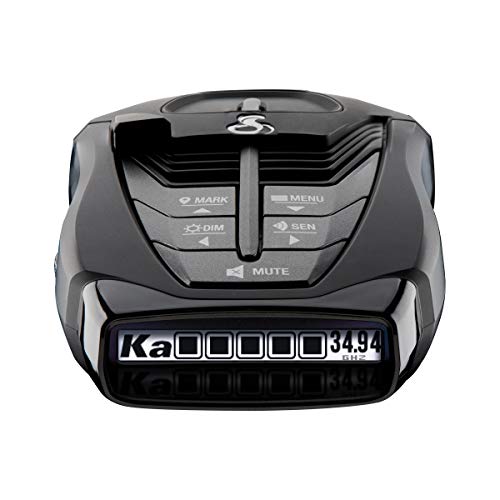
The Cobra RAD 480i is the more budget-conscious option here, and that is its main appeal. It suits drivers who want basic radar warning, smartphone support, and a lower entry price without paying for a flagship feature set they may never use.
Its strengths are Bluetooth connectivity, community shared alerts, and front and rear laser signal detection. The anti-falsing circuitry is another plus for city use, where traffic sensors, door openers, and driver-assist systems can create noise that makes a detector annoying to live with.
The drawback is that it is not in the same class as a premium range-first detector. The Cobra RAD 480i had a frontal range of about 1 mile, and it lacks built-in GPS. That means less help with lockouts, less help with repeat false-alert spots, and more reliance on the driver to distinguish useful alerts from noise.
Quietness versus simplicity
If your priority is a more affordable detector that still supports app-connected alerts, the Cobra makes sense. If your priority is the quietest possible experience on heavily traveled routes, built-in GPS and stronger filtering usually matter more than the lowest sticker price.
The 480i’s lack of built-in GPS is a real ownership tradeoff, not a minor omission. Without lockouts, repeat nuisance alerts can become part of your routine.
Display readability and everyday use
A simpler detector can be easier to live with because there are fewer menus and fewer choices. That said, the display still has to be readable at a glance, especially when you are checking it in bright daylight or at night without taking your eyes off the road for long.
For many buyers, the key question is whether they want a detector to warn them and stay out of the way, or whether they want a more connected system that learns routes and suppresses repeat alerts. The Cobra leans toward the first approach.
What matters before you buy?
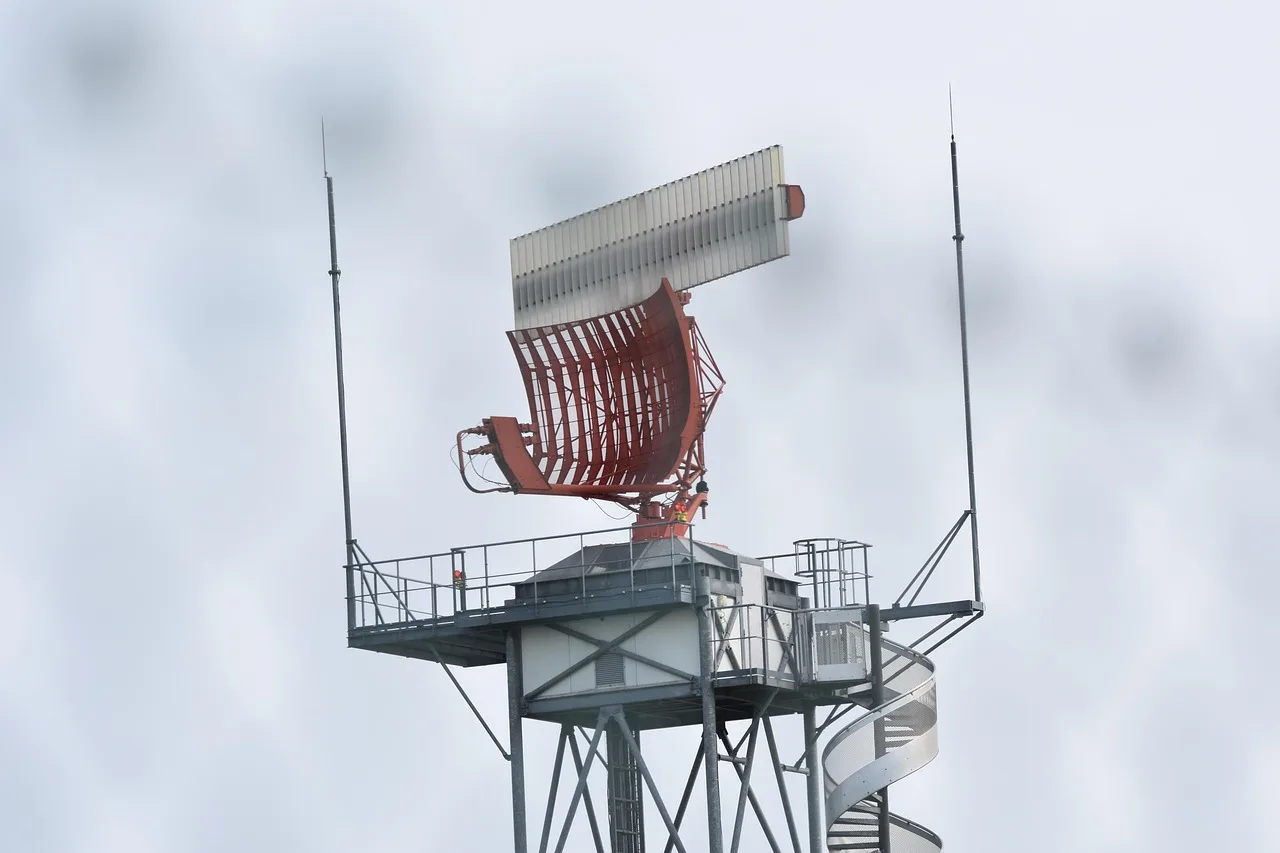
The right radar detector is the one that fits your route, your windshield, and your tolerance for noise. Frequency coverage matters, but the daily experience is often shaped more by GPS lockouts, alert filtering, and how often the detector forces you to mute false alarms.
Radar bands and laser support
A good detector should cover X band, K band, Ka band, and laser/LIDAR. X band is less common in many places, K band is still a nuisance source in some areas, and Ka is a major enforcement band that deserves strong attention. Laser support is useful, but it is not a substitute for strong radar detection.
Where available, MRCD and MRCT support can also matter. That is more relevant in some regions than others, so check local enforcement patterns before paying for a feature you may never use.
GPS lockouts, red-light cameras, and speed-camera databases
GPS lockouts let the detector mute known false-alert locations automatically or manually. Auto lockouts are more convenient, while manual lockouts give you more control if a detector misses a spot or learns something too broadly.
Speed-camera and red-light camera alerts can be useful if the database is maintained well. Free firmware and database updates matter because a detector that falls behind can become noisier or less accurate over time.
Mounting height, windshield layout, and ADAS noise
Low windshield placement can reduce line of sight and make the detector less effective. Short windshields can force a compromise between visibility and mounting position, and some vehicles with heavy driver-assist systems create extra nuisance alerts that make filtering more valuable.
Picture a compact car with a short windshield and a dense ADAS suite. A detector that is already chatty will feel even noisier there, especially in traffic where the same false triggers repeat every few blocks.
Legal limits by state and vehicle class
Radar detector legality is not uniform. Some states treat them differently from one another, and commercial vehicles face separate restrictions, so check the rules before mounting one in a work truck or across state lines.
Do you need GPS and lockouts?
If your route repeats the same false-alert zones, yes, GPS and lockouts are worth paying for. If you mostly drive rural roads with fewer store fronts, toll gantries, and driver-assist clutter, a simpler detector can still make sense.
The buying question is not whether GPS is a nice feature. It is whether you want the detector to learn and mute the same nuisance spots every day, or whether you are willing to live with more manual muting.
When mute memory helps
Mute memory is useful on regular commutes where the same false alert happens at the same driveway, signal, or shopping center entrance. Once a detector remembers that spot, it can stay quieter without constant button presses.
That is a real benefit in city-heavy driving, where repeat alerts can wear on you faster than a single long highway run.
When auto lockouts are worth it
Auto lockouts are worth it if you drive the same roads often and want the detector to do the housekeeping for you. They are less important if your routes change constantly or if you want to inspect each alert yourself.
A detector with strong filtering but no lockouts can still work well, but it usually asks more of the driver. That is fine for some buyers and annoying for others.
When a simpler detector is enough
If you only need long-range warning on open roads and you do not mind a little more muting, a simpler detector can be enough. That is especially true if your area has limited camera enforcement and fewer repeat false-alert zones.
In that case, spending extra on app features and database management may not buy you much.
Which one should you buy?
Choose the Escort Redline 360c if you want the stronger premium choice for long-range awareness, connected features, and quieter operation in day-to-day driving. Choose the Cobra RAD 480i if your budget is tighter and you are willing to give up built-in GPS and some range to keep the purchase simpler.
If your driving is mostly highway, buy the Escort. If your driving is mixed and cost matters more than maximum reach, buy the Cobra. If you want the quietest premium setup and do not care about a lower price, the Escort is the better long-term fit.
Skip both if you need something very specific, like a detector with deeper GPS database dependence, a more aggressive focus on arrows and rear antennas, or a different ecosystem entirely. The right answer is the one that matches your route, not the one with the longest feature list.
Frequently asked questions
What are the best radar detectors for cars right now?
The best detector depends on what you value most: range, quietness, or simplicity. In this two-model comparison, the Escort Redline 360c is the premium pick, while the Cobra RAD 480i is the cheaper alternative. A good choice also depends on whether you drive mostly highway miles or city streets.
Which radar detector has the best range?
Among the models covered here, the Escort Redline 360c is the better range-first choice. The Cobra RAD 480i is the lower-cost option, but its published frontal range is shorter and it lacks built-in GPS. Range matters most on open roads, where early warning gives you more time to react.
Do I need a radar detector with GPS and lockouts?
You should pay for GPS and lockouts if you drive the same routes repeatedly or live with frequent false alerts. They help the detector mute known nuisance spots and can reduce the day-to-day annoyance that makes some detectors feel too chatty. If your routes are random, a simpler unit can be enough.
Which radar detector is quietest for city driving?
The quietest city detector is usually the one with the strongest filtering and useful GPS lockouts. In this comparison, the Escort Redline 360c is the better fit for quieter daily use because it adds GPS filtering and a more advanced connected ecosystem. The Cobra can still be manageable, but it lacks built-in GPS.
Do radar detectors work against laser?
They can alert to laser or LIDAR, but that does not mean laser protection is as useful as strong radar detection. Laser warnings often arrive late, so you should treat them as a secondary feature. The real value still comes from range on X, K, and Ka bands plus good false-alert filtering.
Are radar detectors legal in my state?
Legality varies by state, and commercial vehicles can face separate restrictions. Before you buy or mount one, check the rules where you live and where you drive. A detector that performs well is still the wrong choice if it is not allowed in your vehicle class or location.
Products related to this article
Sponsored / affiliate links. As an Amazon Associate I earn from qualifying purchases. I may earn additional commission from eligible campaigns.