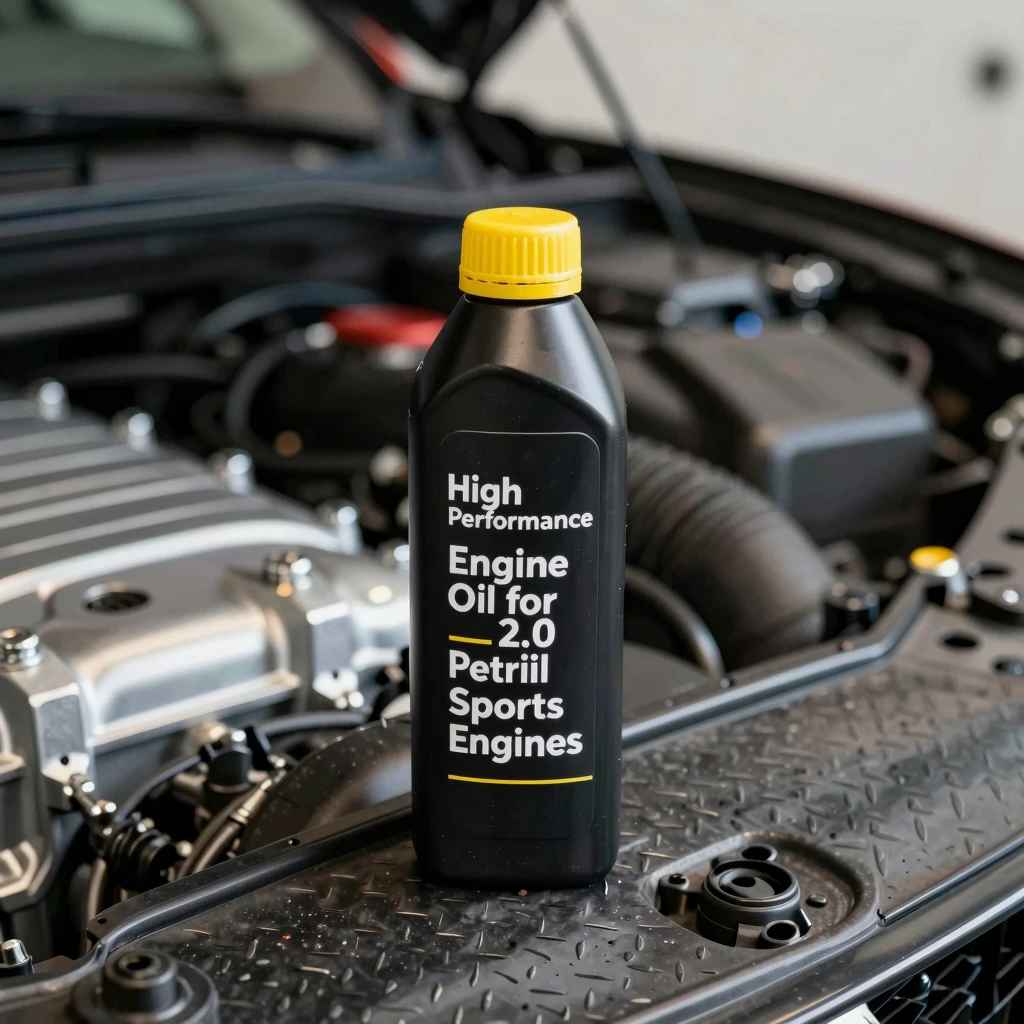
Best Engine Oil For 2.0 Petrol Sports Cars
Choosing the Best Engine Oil for a 2.0 Petrol Sports Car can feel like a puzzle, especially when you’re new to car care. Lots of numbers and names might seem confusing at first glance. But don’t worry!
It’s simpler than you think to pick the right oil to keep your car’s engine happy and running smoothly. We’ll walk through it step by step so you can feel confident about your choice.
Finding The Best Engine Oil For A 2.0 Petrol Sports Car
Selecting the right engine oil for a 2.0 petrol sports car is vital for its peak performance and longevity. Sports cars, with their emphasis on power and speed, often have engines that work harder and hotter than standard vehicles. This means the engine oil needs to do more than just lubricate; it must also protect against wear, manage heat effectively, and keep the engine clean.
Picking the wrong oil can lead to decreased performance, increased wear on engine components, and even costly repairs down the line. This section will guide you through the key factors to consider when identifying the Best Engine Oil for a 2.0 Petrol Sports Car.
Understanding Oil Viscosity Grades
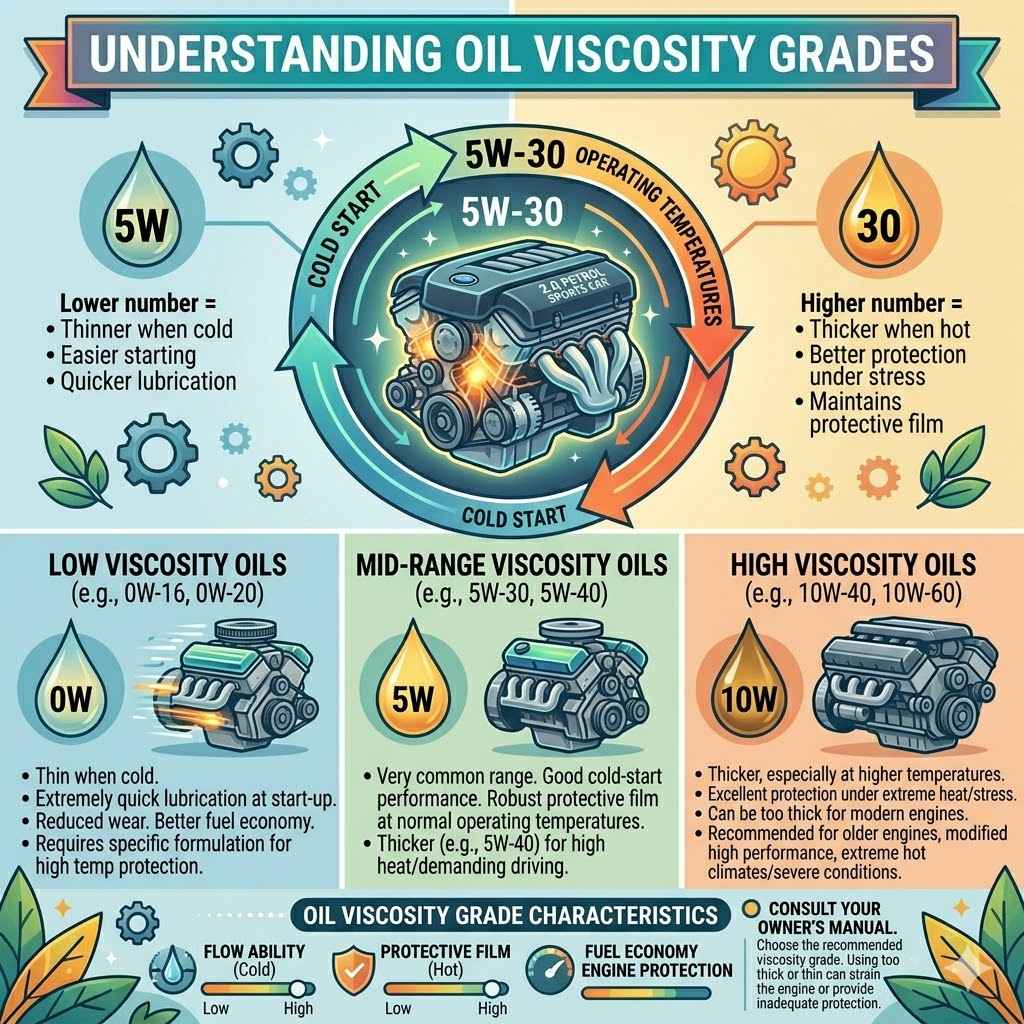
Oil viscosity is a measure of how thick or thin an oil is. This is one of the most important factors when choosing engine oil, as it dictates how well the oil flows at different temperatures. Viscosity grades are represented by a two-part number, like 5W-30.
The ‘W’ stands for ‘winter’, meaning the first number indicates the oil’s viscosity at cold temperatures, while the second number shows its viscosity at operating temperatures. A lower ‘W’ number means the oil is thinner when cold, allowing for easier starting in cold weather and quicker lubrication of engine parts. A higher second number means the oil is thicker at high temperatures, providing better protection for the engine when it’s working hard.
For a 2.0 petrol sports car, the owner’s manual is your best friend. It will specify the recommended viscosity grade. For instance, many high-performance engines might call for a 0W-20 or 5W-30 oil.
These grades are designed to offer excellent flow at start-up, reducing wear, and maintain a protective film at higher engine operating temperatures. Using a viscosity that is too thick can strain the engine and reduce fuel efficiency, while one that is too thin may not provide adequate protection under stress.
Low Viscosity Oils (e.g., 0W-16, 0W-20)
These oils are very thin when cold. They allow for extremely quick lubrication when you start your engine, which is crucial for reducing wear, especially in high-performance engines that are often started and stopped frequently. They also contribute to better fuel economy because the engine doesn’t have to work as hard to pump the oil.
However, they must be specifically formulated to offer sufficient protection at high operating temperatures.
Mid-Range Viscosity Oils (e.g., 5W-30, 5W-40)
This is a very common range for many petrol engines, including those in sports cars. A 5W-30 oil offers good cold-start performance and a robust protective film at normal operating temperatures. A 5W-40 oil provides a slightly thicker film at operating temperatures, which can be beneficial for engines that experience high heat or are subjected to very demanding driving conditions, such as track days or aggressive spirited driving.
High Viscosity Oils (e.g., 10W-40, 10W-60)
These oils are thicker, especially at higher temperatures. While they offer excellent protection under extreme heat and stress, they can sometimes be too thick for modern engines, potentially hindering oil flow and fuel efficiency. They are often recommended for older engines or those that have been modified for very high performance and operate in extremely hot climates or under severe conditions.
Choosing The Right Oil Specification
Beyond viscosity, engine oil also has specifications that denote its quality and performance standards. These specifications are set by organizations like the American Petroleum Institute (API) and the European Automobile Manufacturers’ Association (ACEA). For petrol engines, you’ll often see API ratings like “SP” (the latest standard), “SN,” or “SM.
” ACEA classifications might include “A3/B4” or “C3.” These ratings indicate the oil’s suitability for specific engine types and its ability to meet certain performance criteria, such as detergency (keeping the engine clean), oxidation stability (resisting breakdown), and protection against wear.
For a 2.0 petrol sports car, it’s essential to look for oils that meet the specific manufacturer’s recommendations. These are usually found in your car’s owner’s manual. Manufacturers often have their own proprietary specifications, such as “VW 504 00 / 507 00” for Volkswagen group cars or “BMW LL-01” for BMWs.
These manufacturer-specific approvals ensure that the oil has been tested and proven to work harmoniously with the engine’s design and materials. Using an oil that meets these approvals guarantees that it will provide the optimal level of protection and performance for your specific vehicle.
API Service Categories
The API sets standards for engine oils. For modern gasoline engines, you’ll typically want an oil that meets API SP, SN Plus, or SN. API SP is the most recent and provides enhanced protection against low-speed pre-ignition (LSPI) and wear compared to older standards.
LSPI is a phenomenon that can occur in modern turbocharged direct-injection engines, and API SP oils are formulated to prevent it, which is particularly important for performance engines.
ACEA European Oil Sequences
ACEA classifications are important, especially for European vehicles. For petrol engines, look for sequences like A3/B4 or A5/B5. A3/B4 oils offer robust engine protection and are suitable for higher-performance engines.
ACEA C categories (e.g., C3) are for oils compatible with exhaust after-treatment systems like catalytic converters and diesel particulate filters, though many performance petrol cars can use these if recommended.
Manufacturer-Specific Approvals
Many car manufacturers have their own stringent oil specifications. These approvals mean the oil has passed rigorous tests defined by the carmaker. For a sports car, these approvals are paramount.
For example, a Porsche might require a specific approval like A40, while a Mercedes-Benz might ask for MB-Approval 229.5. Always check your owner’s manual for the exact codes your car needs. Using an oil with the correct manufacturer approval is the best way to ensure compatibility and optimal performance.
Synthetic vs. Conventional Engine Oil
The choice between synthetic and conventional engine oil is significant for sports cars. Conventional oil is derived from crude oil and undergoes less processing. It is generally less expensive but offers less protection under extreme conditions.
Synthetic oil, on the other hand, is engineered in a lab from base oils that are chemically altered. This process creates a more uniform molecular structure, leading to superior performance characteristics.
Synthetic oils provide better lubrication at both high and low temperatures. They are more resistant to breaking down under heat and pressure, which is common in high-performance engines. This means they maintain their protective properties for longer periods.
Furthermore, synthetic oils often have better cleaning additives and are less prone to forming sludge and deposits, keeping your engine cleaner. For a 2.0 petrol sports car, a high-quality synthetic oil is almost always the recommended choice, offering the best balance of protection, performance, and longevity.
Synthetic Oil
Full synthetic oils are the pinnacle of engine oil technology. They are made from highly refined base oils and advanced additive packages. Their consistent molecular structure means they provide superior lubrication, resist thermal breakdown, and maintain their viscosity over a wider temperature range compared to conventional oils.
This leads to better engine protection, extended drain intervals, and improved fuel efficiency. For demanding applications like sports cars, synthetics are the go-to choice.
Synthetic Blend (Semi-Synthetic) Oil
A synthetic blend combines conventional and synthetic base oils. This offers a step up in performance from conventional oil but is typically less expensive than full synthetic. It can be a good compromise for drivers who want better protection than conventional oil but don’t necessarily need the absolute highest level of performance offered by full synthetics, though for a sports car, full synthetic is generally preferred.
Conventional Oil
Conventional oil is the most basic type, refined directly from crude oil. It’s the least expensive option but offers the least protection, especially under extreme temperatures and heavy loads. While it might be sufficient for older, less demanding vehicles, it is generally not recommended for modern 2.0 petrol sports cars that are designed for higher performance and operate under more stress.
The Role of Additives in Engine Oil
Engine oil is not just base oil; it’s a complex blend of base oils and additives. These additives are critical for enhancing the oil’s performance and providing specific protective functions. Without the right additives, even the best base oil wouldn’t be able to keep an engine running optimally, especially a high-performance one.
Different types of additives are included to address various needs of the engine.
Detergents and dispersants are vital for keeping the engine clean by preventing the formation of sludge and varnish. Anti-wear agents, like zinc dialkyldithiophosphate (ZDDP), form a protective film on metal surfaces, reducing friction and wear, particularly in high-stress areas like camshafts and bearings. Antioxidants slow down the oil’s degradation process caused by heat and oxygen, extending its life.
Viscosity index improvers help the oil maintain its thickness across a range of temperatures, ensuring consistent lubrication. For a 2.0 petrol sports car, the quality and type of additives play a huge role in ensuring the engine’s longevity and performance.
Detergents and Dispersants
Detergents are alkaline compounds that neutralize acidic byproducts of combustion, preventing them from corroding engine parts. Dispersants are polar molecules that surround and suspend contaminants like soot and sludge particles in the oil, preventing them from clumping together and forming deposits. Together, they help keep internal engine surfaces clean and prevent blockages in oil passages.
Anti-Wear Additives
These are crucial for protecting engine components from friction and wear. The most common anti-wear additive is ZDDP. It reacts with metal surfaces under pressure and heat to form a sacrificial protective layer.
This layer reduces direct metal-to-metal contact, significantly minimizing wear, especially in the valvetrain and bearing surfaces that experience high loads.
Oxidation and Viscosity Modifiers
Antioxidants work by slowing down the chemical reaction between the oil and oxygen, which causes the oil to thicken and break down over time. Viscosity index improvers are polymers that are designed to expand at higher temperatures, counteracting the natural tendency of oil to thin out. This ensures that the oil maintains a stable viscosity and protective film across a wide operating temperature range, which is vital for sports car engines.
Real-World Examples and Scenarios
Consider two scenarios involving a 2.0 petrol sports car. In the first, a driver exclusively uses a conventional 10W-40 oil that meets a generic API SN specification. This car is frequently driven hard, experiencing high RPMs and quick acceleration.
Over time, the driver might notice a decrease in engine responsiveness and potentially an increase in oil consumption as the oil breaks down under heat.
In the second scenario, another driver with a similar 2.0 petrol sports car opts for a full synthetic 0W-20 oil that meets API SP and the manufacturer’s specific approval, like a European car manufacturer’s performance specification. This driver also drives spiritedly but finds that the engine runs smoother, feels more responsive, and the oil remains cleaner for longer intervals. This highlights how the right oil can significantly impact performance and engine health.
Scenario 1: Track Day Preparedness
Imagine a driver preparing their 2.0 petrol sports car for a track day. The car will be pushed to its limits for extended periods, generating significant heat and stress. The driver consults the owner’s manual, which recommends a 5W-40 full synthetic oil with a specific European approval (e.g., ACEA A3/B4 or a manufacturer equivalent).
They choose a reputable brand that meets these exact specifications.
On the track, the oil’s high-temperature viscosity holds strong, preventing excessive wear on critical engine components like the crankshaft bearings and piston rings. The advanced additive package in the full synthetic oil helps to keep the engine clean under extreme conditions, managing combustion byproducts. The oil’s thermal stability prevents it from breaking down prematurely, ensuring consistent lubrication throughout the demanding driving session.
This proactive choice ensures the engine can handle the abuse of track driving without suffering damage.
Scenario 2: Daily Driving with Spirited Bursts
A different driver uses their 2.0 petrol sports car for daily commuting but enjoys occasional spirited drives on winding roads. Their car’s manual specifies a 0W-20 or 5W-30 full synthetic oil with API SP certification. This driver selects a high-quality 0W-20 full synthetic oil.
During the cold start of their daily commute, the 0W viscosity allows the oil to reach vital engine parts almost instantly, minimizing wear during the crucial initial moments of operation. As the engine warms up, the oil maintains its protective film, even during short bursts of acceleration. The API SP rating ensures protection against LSPI, a common concern in turbocharged engines.
The dispersant additives keep the engine internals clean from daily driving soot, and the oil’s excellent oxidation resistance means it can last for the full recommended drain interval without degrading significantly. This oil choice balances efficiency, protection, and performance for everyday use and occasional enthusiastic driving.
Oil Change Intervals and Maintenance
Even the Best Engine Oil for a 2.0 Petrol Sports Car needs to be changed periodically. Oil degrades over time due to heat, contamination, and chemical breakdown. Following the manufacturer’s recommended oil change intervals is crucial for maintaining engine health.
These intervals are typically found in the owner’s manual and can vary based on driving conditions.
Severe driving conditions, such as frequent short trips (where the engine doesn’t reach optimal operating temperature), stop-and-go traffic, towing, or aggressive driving, often warrant shorter oil change intervals. For a sports car, especially one that sees spirited driving, it’s often wise to err on the side of caution and change the oil slightly more frequently than the minimum recommended interval. This ensures that the oil is always performing at its best, providing optimal protection.
Don’t forget to also replace the oil filter during each oil change; it removes contaminants from the oil.
Manufacturer Recommended Intervals
Your car’s owner’s manual provides the baseline for oil change intervals. These are usually expressed in mileage (e.g., every 5,000 or 10,000 miles) and time (e.g., every 6 or 12 months), whichever comes first. These intervals are determined by the manufacturer based on extensive testing under various conditions.
Adhering to these recommendations is the most basic yet critical step in maintaining your engine.
Driving Conditions Matter
The type of driving you do significantly impacts how quickly oil degrades. Short trips where the engine doesn’t fully warm up are harsh on oil because moisture and combustion byproducts accumulate. High-performance driving, track use, or towing generate more heat and stress, also accelerating oil breakdown.
If your driving habits fall into the “severe” category, you should shorten your oil change intervals. Many modern cars have oil life monitoring systems that adjust the recommended interval based on driving data.
Importance of Oil Filters
An oil filter’s job is to capture dirt, debris, and wear particles from the engine oil. Over time, the filter becomes clogged and less effective. Replacing the oil filter every time you change the oil is essential.
A clogged filter can restrict oil flow, leading to insufficient lubrication, or worse, it can bypass the filter altogether, allowing contaminants to circulate freely throughout the engine. Using a high-quality filter designed for your vehicle is also important.
Keeping Your Sports Car Engine Running Strong
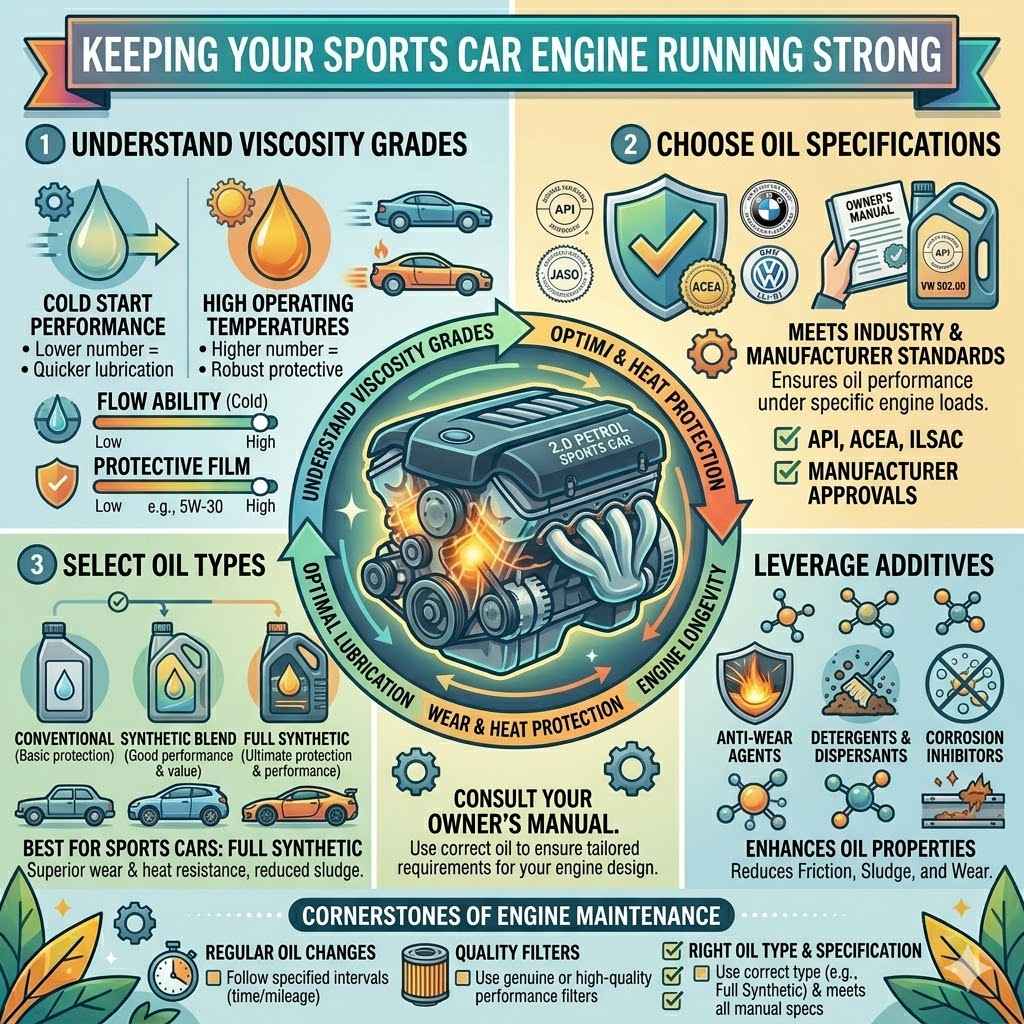
Choosing the Best Engine Oil for a 2.0 Petrol Sports Car involves understanding viscosity grades, specifications, oil types, and the role of additives. It is crucial to always consult your vehicle’s owner’s manual for the exact requirements, as these are tailored to your specific engine’s design and performance needs. Using the correct oil ensures optimal lubrication, protection against wear and heat, and ultimately, the longevity of your high-performance engine.
Regular oil changes, using quality filters, and selecting the right oil type and specification are the cornerstones of maintaining your sports car’s engine.
Frequently Asked Questions
Question: What is the most important factor when choosing engine oil for my 2.0 petrol sports car?
Answer: The most important factor is to use the viscosity grade and specification recommended by your car’s manufacturer, as found in the owner’s manual.
Question: Can I use conventional oil in my sports car if it’s cheaper?
Answer: It is generally not recommended. Sports cars’ engines are designed for high performance and heat, requiring the superior protection offered by synthetic or synthetic blend oils.
Question: How often should I change the oil in my 2.0 petrol sports car?
Answer: Follow your owner’s manual’s recommended intervals, but consider shortening them if you drive under severe conditions, such as frequent short trips or aggressive driving.
Question: What does the ‘W’ in the oil viscosity grade mean?
Answer: The ‘W’ stands for ‘winter,’ and the number before it indicates how the oil performs in cold temperatures. A lower number means it flows better when cold.
Question: Are manufacturer-specific oil approvals really necessary?
Answer: Yes, they are highly recommended. These approvals mean the oil has passed specific tests to ensure it works perfectly with your car’s engine design and materials.
Conclusion
Selecting the Best Engine Oil for a 2.0 Petrol Sports Car means matching your vehicle’s specific needs with high-quality synthetic oil. Always prioritize the viscosity and manufacturer specifications detailed in your owner’s manual. This ensures optimal engine protection and performance.
Regular oil changes with quality filters are key to a healthy engine. Make informed choices to keep your sports car running at its best.