How to Get a Car Unstuck from Snow: 7 Steps + Safety Warning
A car stuck in snow almost always breaks free once you clear the exhaust pipe, turn off traction control, and add grip under the drive wheels with sand, floor mats, or tire chains — spinning the wheels only packs the snow into ice and digs the car in deeper. This guide covers the full 7-step process AAA recommends, which traction method actually works best, and the one safety step (clearing your tailpipe) that NHTSA warns drivers never to skip.
Quick Answer
Clear snow from around and under the tires (and the exhaust pipe), turn off traction control, then add grip under the drive wheels with sand, kitty litter, floor mats, or tire chains before gently rocking the car between drive and reverse. Never spin the wheels at high speed — it melts snow into ice and digs the car in deeper. Call roadside assistance if the car hasn’t moved after 2-3 attempts.
Tools You’ll Need to Get a Car Unstuck From Snow
Most of what you need is either already in your trunk or sitting in your garage. Keep this list in your car all winter so you’re never caught without it.
- A folding or full-size shovel
- Sand, non-clumping kitty litter, or traction granules
- A snow brush and ice scraper
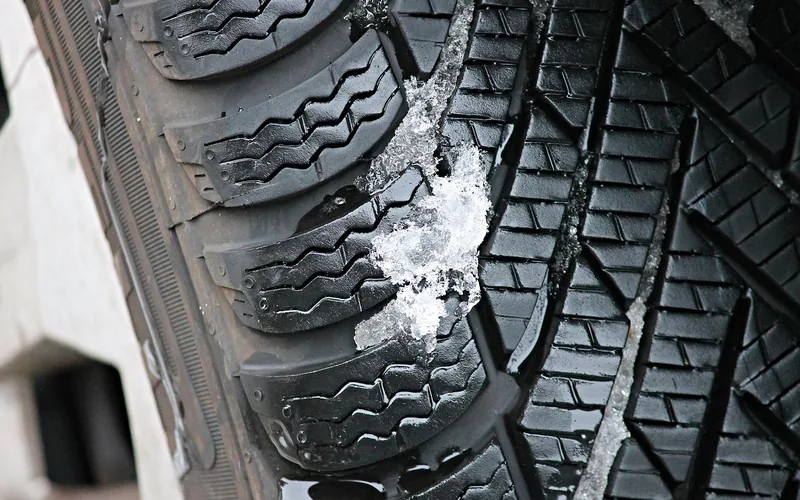
- Tire chains (rated for your tire size)
- Your car’s own floor mats, rubber-side down, as a backup traction surface
- A tow rope or strap
- A portable jump starter or battery charger
- A blanket, hand warmers, and warm layers
- A flashlight and a charged phone
- A basic first aid kit
Step 1: Assess the Situation Before You Do Anything
Look around for hidden dangers before you get out. Watch for ice patches underfoot, oncoming traffic if you’re on a road shoulder, and changing weather. Once it’s safe to step out, check how deep the car is actually stuck — look at whether the tires are spinning freely, whether snow is packed underneath the frame (high-centered), and whether the car can move at all in either direction. This tells you which steps below you’ll actually need.
Step 2: Clear Snow and Ice — Including the Exhaust Pipe
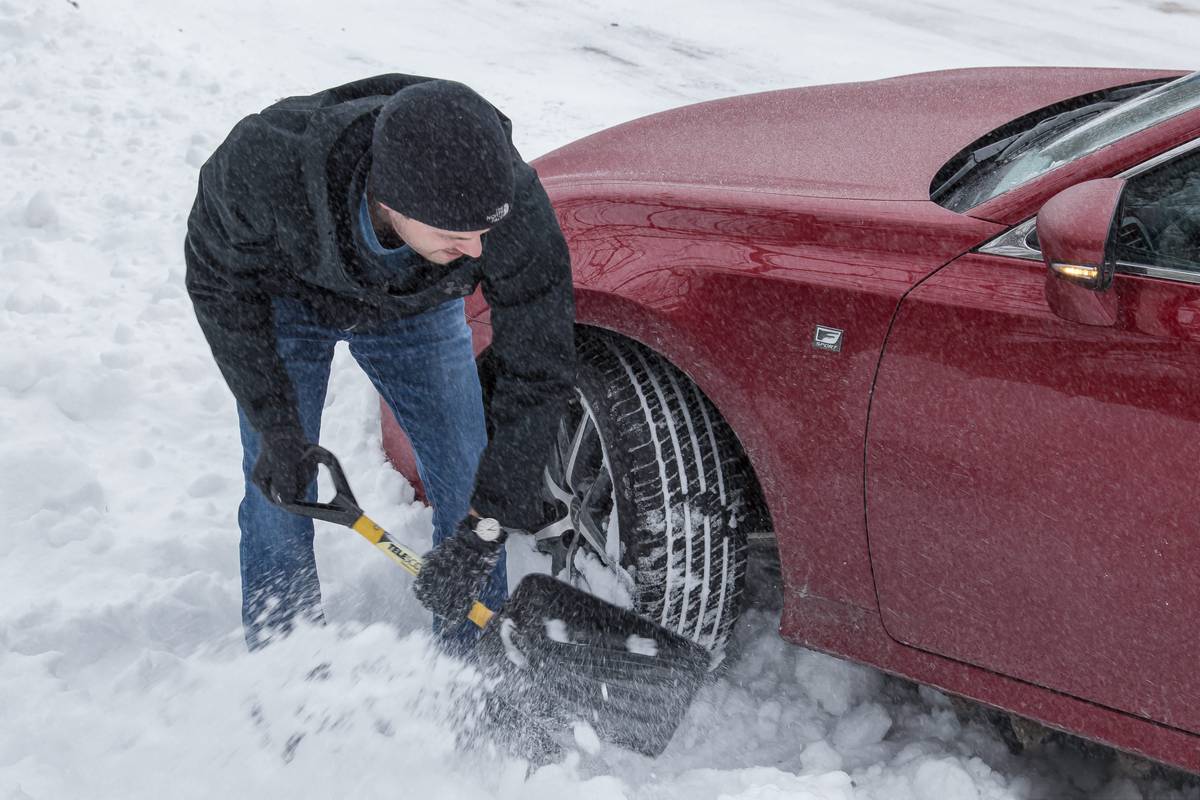
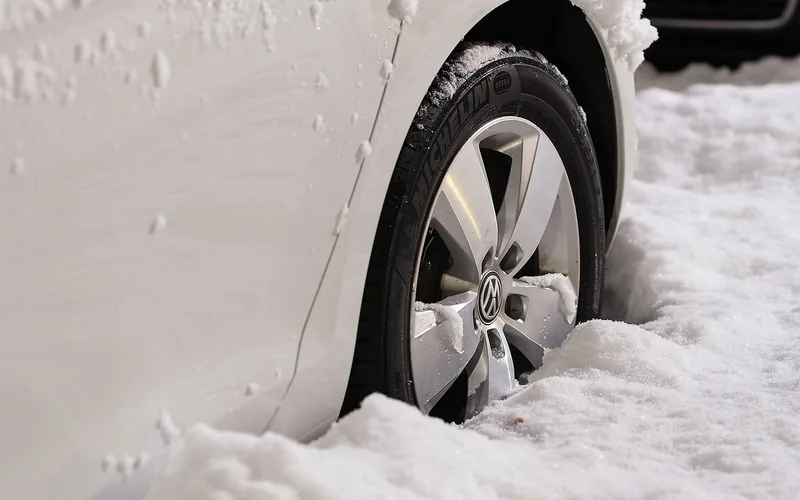
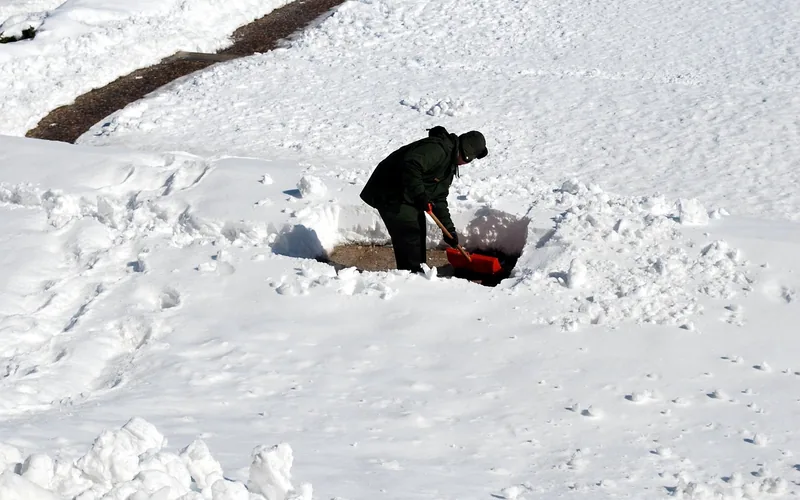
Grab a shovel and clear the snow in front of, behind, and underneath each tire so the car has room to move. Work in short bursts — clear a bit, then rest — rather than digging nonstop. Chip away any ice buildup under the car with the shovel or an ice scraper, focusing on the areas closest to the tires.
Before you do anything else, check your exhaust pipe. If it’s packed with snow or ice, carbon monoxide (CO) can back up into the cabin instead of venting outside — a colorless, odorless gas that’s easy to miss until it’s too late. The National Highway Traffic Safety Administration’s winter driving guidance is direct on this point: make sure your exhaust pipe is clear before you run the engine, and even then, only run it sporadically rather than continuously while you work.
“Make sure your exhaust pipe is clear of any snow and run your car only sporadically — just long enough to stay warm.”
📊 Roughly 500 people die every year in the U.S. from unintentional carbon monoxide poisoning, and a snow-blocked tailpipe on a parked or stuck vehicle is one of the most common causes — Source: NHTSA, Winter Driving Safety Tips
Best Tire Chains Pick
SCC Super Z6 Cable Tire Chains (Set of 2)
Lightweight cable-style chains that fit passenger cars, pickups, and SUVs — the most direct fix for a car with zero grip left on packed snow.
- Best for: cars already stuck with tires spinning on packed snow or ice
- Why we picked it: chains add grip immediately without digging, unlike sand or kitty litter which wash away after one attempt
- Main drawback: not legal or recommended for bare pavement — remove once you’re back on cleared roads
Compare more winter recovery gear
 Option 1 AstroAI 27″ 2-in-1 Snow Brush & Ice Scraper
|
 Option 2 Traction Magic Instant Grip Granules
|
 Option 3 NOCO Boost GB40 Portable Jump Starter
|
As an Amazon Associate we earn from qualifying purchases.
Step 3: Turn Off Traction Control
It sounds backward, but traction control usually works against you here. The system is designed to cut power the moment it senses wheel slip — which is exactly what happens the instant a tire finds a bit of grip on packed snow. Turning it off (usually a dashboard button marked “TC” or “ESC OFF”) lets the wheels spin briefly and build the momentum needed to climb out, instead of the computer repeatedly cutting the throttle. Turn it back on as soon as you’re moving again on cleared pavement.
Step 4: Add Traction Under the Drive Wheels
Once the exhaust is clear and traction control is off, give the tires something to grip. Sprinkle sand, non-clumping kitty litter, or traction granules directly in front of the drive tires and cover the area well. No sand on hand? Your car’s own floor mats work in a pinch — lay them rubber-side down under the tires and drive slowly over them. For a car that’s completely dug in, tire chains give the most reliable grip of any option here.
Sand vs. Kitty Litter vs. Tire Chains vs. Floor Mats: Which Works Best?
| Method | Grip Level | Setup Time | Best For |
|---|---|---|---|
| Tire chains | Highest | 5-10 min | Cars fully stuck on packed snow or ice |
| Sand / traction granules | Moderate | 1-2 min | Light-to-moderate stuck situations |
| Non-clumping kitty litter | Moderate | 1-2 min | Same as sand, more likely already in the trunk |
| Floor mats | Low-Moderate | Under 1 min | Emergency backup with zero extra gear |
| Traction/recovery boards | High | 2-3 min | Deep snow, mud, or repeated stuck situations |
Step 5: Rock the Car Gently Between Drive and Reverse
Shift into drive, ease onto the gas, then shift into reverse and repeat. Doing this smoothly a few times builds momentum and can loosen the packed snow around the tires enough for one direction to finally grip. Press the gas slowly — sudden throttle just makes the tires spin. Keep the steering wheel straight for maximum grip, and stop the moment you feel the wheels slipping rather than flooring it further.
Step 6: Get Help Pushing or Call for a Tow
If a friend, family member, or passerby is nearby, an extra push while you gently apply the gas can be enough. Always keep a charged phone on you and know your exact location before you get out, so help can find you quickly if it comes to that. When none of the steps above work, a tow service or roadside assistance membership is the safer next move — stay clear of the road and follow their instructions once they arrive.
What NOT to Do When Your Car Is Stuck in Snow
- Don’t floor the gas pedal. Flooring it just spins the tires faster, which melts the top layer of snow into slippery ice and digs the car in deeper.
- Don’t start the engine before checking the exhaust pipe. A blocked tailpipe can let carbon monoxide seep back into the cabin.
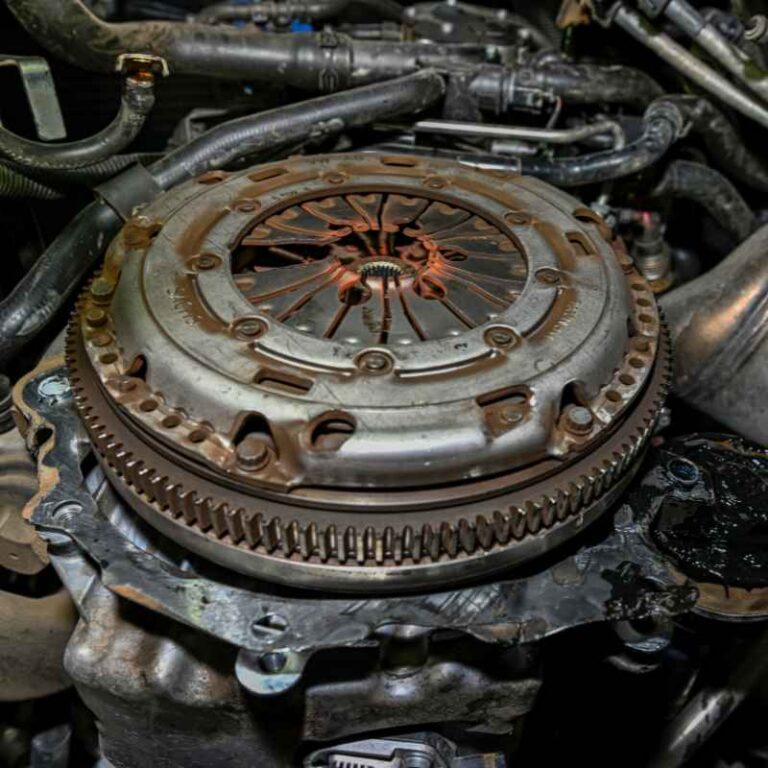
- Don’t rock the car for more than a minute or two at a time. Repeated hard shifts between drive and reverse can overheat and damage an automatic transmission or clutch.
- Don’t ignore a high-centered car. If the frame is resting on packed snow with the tires barely touching the ground, spinning the wheels won’t help — you need to dig snow out from underneath first.
Does Having AWD or 4WD Mean You Won’t Get Stuck?
Not by itself. All-wheel drive and four-wheel drive send power to whichever wheels have the most grip, which helps you get moving — but if none of the tires have any traction to begin with, the drivetrain has nothing to work with. Tire quality and tread depth matter more than drivetrain for getting unstuck: a front-wheel-drive car on good winter tires will often out-perform an AWD vehicle riding on worn all-season tires. AWD and 4WD can also give a false sense of confidence, since they don’t improve braking or cornering on ice at all — only acceleration.
Preventing Future Incidents
Prepare the car before snow season arrives. Have the battery tested, since cold weather is one of the fastest ways to reveal a weak one. Top off antifreeze so the engine doesn’t freeze, keep the gas tank at least half full for emergencies, and check that the wiper blades and windshield washer fluid are both rated for winter temperatures.
Winter tires grip snow and ice noticeably better than all-season tires, and tire chains are worth keeping in the trunk even if you don’t need them every trip. Check tread depth regularly — worn tires slide more on ice — and keep tire pressure at the recommended level, since cold weather causes tires to lose air pressure on its own.
Staying Safe While You Work
Digging out a car is real physical work in cold conditions — pace yourself. Take breaks, stay hydrated, and stop if you feel tired, dizzy, or short of breath. Dress in warm layers with gloves, a hat, and boots, and keep your hands and feet dry, since wet clothing makes the cold hit much harder. If conditions get worse, get back in the car, run the engine only in short bursts (with the exhaust pipe clear), and wait for help rather than pushing through exhaustion.
If your car is stuck on a mud or sand surface instead of snow, the traction principles are similar but the tools and techniques differ — see our full guide on how to get a car unstuck from mud, snow, or sand for scenario-specific steps.
Frequently Asked Questions
What should I do first if my car is stuck in snow?
Check the area for hazards, then clear snow away from the tires and exhaust pipe before doing anything else. Once it’s clear, add traction with sand, salt, or kitty litter, shift gently between drive and reverse, and avoid spinning the wheels rapidly.
How do you get a car unstuck by yourself?
Shovel snow away from the tires, add traction with sand, kitty litter, or floor mats placed rubber-side down, then rock the car gently forward and backward to build momentum. Lowering tire pressure slightly can also improve grip. Always prioritize safety over speed while attempting these methods.
How do you dig a car out of snow?
Clear snow around the car with a shovel, focusing on the tires and the exhaust pipe first. Apply sand or kitty litter for traction, then start the engine and use gentle forward-and-reverse motions. Avoid spinning the tires, which packs the snow into ice and makes the car harder to free.
How do you get a car unstuck from a snowbank?
Clear snow from around the tires, add sand or kitty litter for traction, and shift to a low gear if your car has one. Rock the car gently back and forth rather than gunning the engine, and use a shovel to dig out more of the packed snowbank if the car still isn’t moving.
Should I turn off traction control if I’m stuck in snow?
Yes. Traction control cuts engine power the moment it detects wheel slip, which can prevent the small burst of spin needed to climb out of packed snow. Turn it off with the dashboard button (often labeled TC or ESC OFF) while you’re stuck, then switch it back on once you’re moving on cleared pavement.
Does having AWD or 4WD mean I won’t get stuck?
No. AWD and 4WD send power to whichever wheel has the most grip, but they can’t create traction that isn’t there. Tire quality and tread depth matter more than drivetrain type for both getting stuck and getting unstuck, and neither system improves braking or cornering on ice.
Is it dangerous to run my engine while stuck in snow?
It can be if the exhaust pipe is blocked with snow or ice. A blocked tailpipe can let carbon monoxide build up inside the cabin without any smell or warning. NHTSA recommends clearing the exhaust pipe completely before running the engine, and only running it in short, sporadic bursts rather than continuously.
Conclusion
Getting a car unstuck from snow comes down to patience and the right order of steps: clear the exhaust and the tires, turn off traction control, add traction under the drive wheels, then rock the car gently rather than flooring it. Keep a shovel, sand or traction granules, and tire chains in the trunk all winter so you’re never caught without them.
If none of these steps free the car, don’t keep spinning the wheels — call for a push or roadside assistance instead. Stay warm, take breaks while you work, and always double-check that your exhaust pipe is clear before running the engine. With the right prep, a snowy driveway or backroad doesn’t have to end your trip.
Products related to this article
Sponsored / affiliate links. As an Amazon Associate I earn from qualifying purchases. I may earn additional commission from eligible campaigns.