How to Remove Car Wrap Adhesive Safely (No Paint Damage)
Removing car wrap adhesive takes two steps: soften it with a heat gun below 120°F, then dissolve what’s left with a citrus-based remover like 3M Adhesive Remover — never acetone or paint thinner, which can haze or strip clear coat. Skipping the heat step means more scraping, and scraping with anything but plastic risks scratches. This guide covers the safe removal steps, product comparisons, what to avoid, and a final clay-bar step for stubborn haze.
Insert your Affiliate Disclosure reusable block here
Quick Answer
Soften car wrap adhesive with a heat gun held 5 to 6 inches away, staying under 120°F (50°C), then lift the bulk with a plastic scraper. Dissolve what remains with 3M Adhesive Remover or Goo Gone (about 2 minutes’ dwell time), then wipe with a 50/50 isopropyl alcohol mix. Never use acetone, paint thinner, or metal blades.
What You’ll Need
- Heat gun (or a hairdryer for small spots)
- Plastic scraper or trim removal tool — never metal
- 3M Adhesive Remover or Goo Gone Automotive
- 99% isopropyl alcohol (to mix 50/50 with water)
- Microfiber towels
- Nitrile gloves and safety goggles
- Car wash soap and water
- Clay bar and detail spray (for stubborn spots)
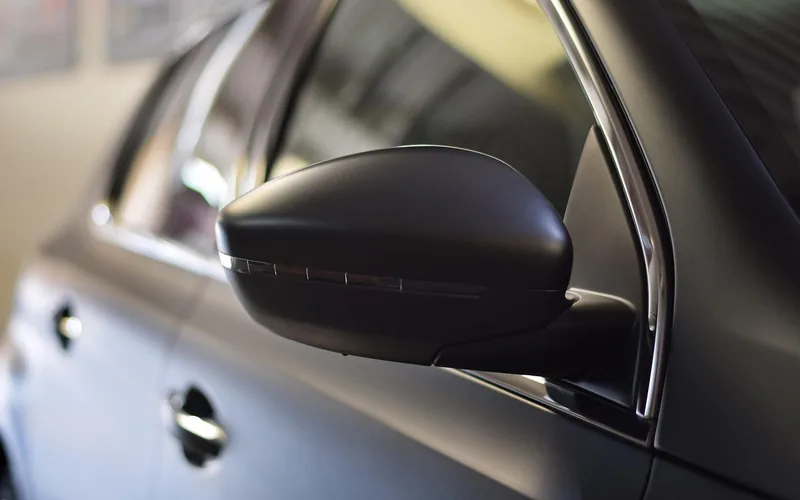
Understanding Wrap Adhesive: Why Residue Is Left Behind
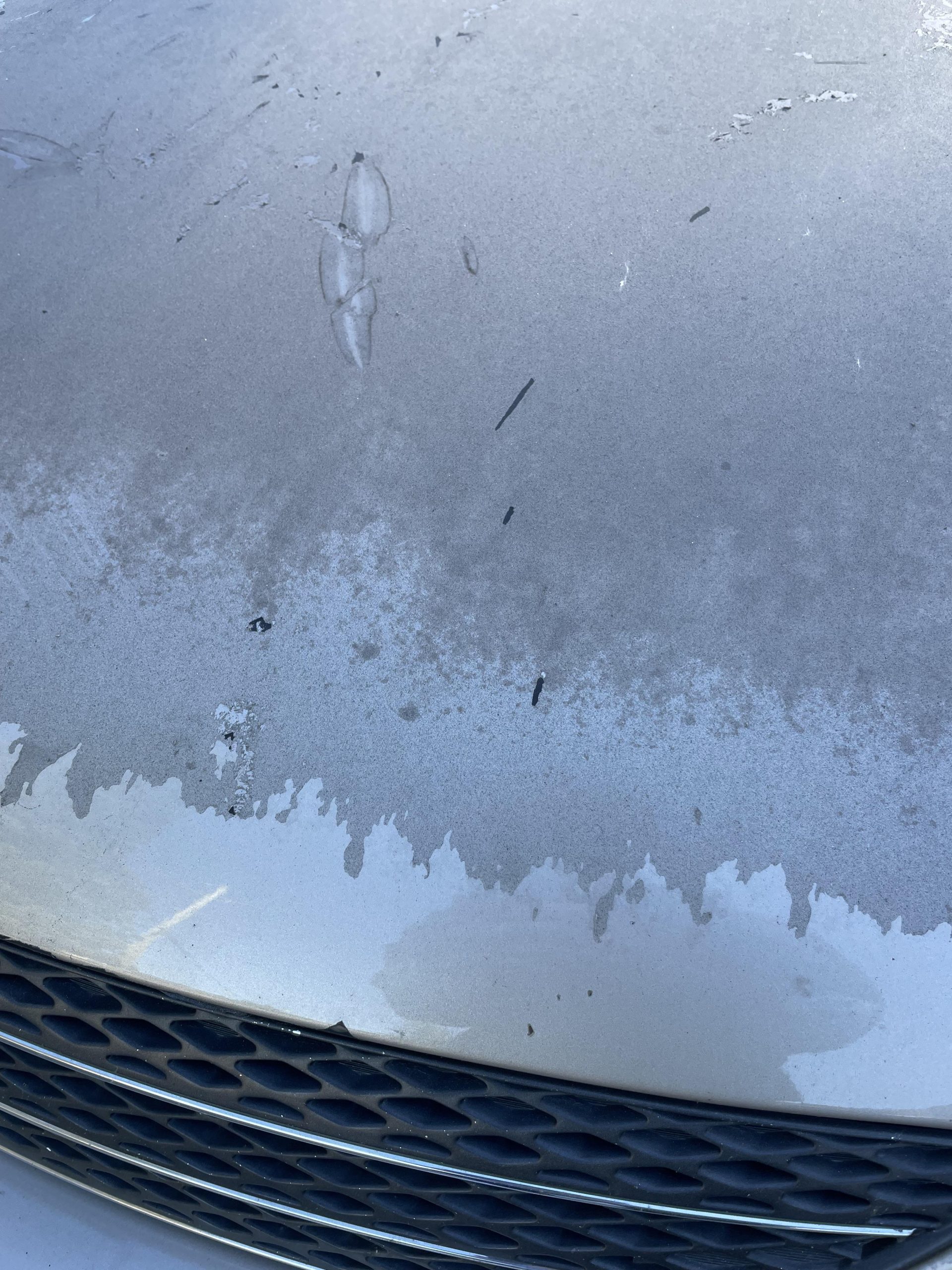
Vinyl wrap adhesive is a pressure-sensitive adhesive (PSA) bonded to the back of the wrap film. It comes in two main types: water-based adhesive, which releases more easily but has less long-term hold, and solvent-based adhesive — used in most quality cast vinyl wraps — which bonds more aggressively and typically leaves more residue behind once the film comes off.
Knowing which type your wrap used helps you pick the right remover. Solvent-based residue usually needs a stronger citrus-based remover, while lighter water-based residue often comes off with just isopropyl alcohol and warm water. How much residue is left also depends on the wrap’s age and how much UV and heat exposure it’s had — older, sun-baked wraps tend to leave more behind. If you’re weighing whether the wrap did any lasting harm to the paint underneath, our guide on whether vinyl wrap ruins car paint covers that separately.
Best Wrap Adhesive Remover Pick
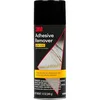
3M Adhesive Remover, 12 oz.
A citrus-solvent aerosol built specifically to dissolve wrap and tape adhesive without harming cured automotive paint.
- Best for: Stubborn, solvent-based wrap adhesive that won’t budge with soap and water
- Why we picked it: Dissolves residue in about two minutes per its own technical data sheet and is formulated for cured automotive paint
- Main drawback: Strong solvent smell — use it in a ventilated area or outdoors
Compare more wrap adhesive removal options
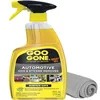 Option 1 Goo Gone Automotive Adhesive Remover
|
 Option 2 Rapid Tac Rapid Remover
|
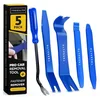 Option 3 Tresalto Auto Trim Removal Tool Kit
|
As an Amazon Associate we earn from qualifying purchases.
How to Remove Car Wrap Adhesive: Step-by-Step
- Soften the adhesive with heat: Hold a heat gun 5 to 6 inches from the surface, keep it under 120°F (50°C), and move it constantly in small circles for 20 to 30 seconds per section. A hairdryer on its highest setting works on small spots if you don’t have a heat gun.
- Scrape off the bulk residue: Use a plastic scraper or trim tool held at a low angle to lift the softened adhesive. Never use a metal blade or razor — even light pressure can scratch clear coat.
- Apply an adhesive remover: Spray 3M Adhesive Remover or Goo Gone Automotive directly onto the remaining residue and let it sit for about two minutes so it can dissolve the bond, per the product’s own technical data sheet.
- Wipe with isopropyl alcohol: For anything left behind, wipe with a cloth dampened in a 50/50 mix of isopropyl alcohol and water. Use light, circular motions — never pour alcohol directly onto the paint.
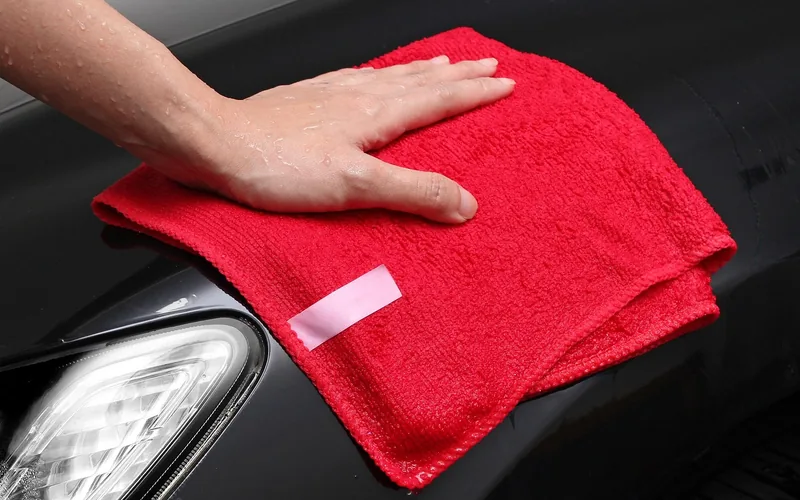
- Wash and dry the panel: Wash the area with car wash soap and water to clear away any remover residue, then dry completely with a clean microfiber towel. A cleaner that’s safe for car paint works well for this final pass.
- Clay bar stubborn spots: If the surface still feels tacky or rough after washing, run a clay bar over the area with detail spray as a lubricant to lift any bonded residue the remover missed.
What Not to Use When Removing Wrap Adhesive
- Acetone or paint thinner: Too aggressive for clear coat — can cause hazing, dull patches, or fade pigment with repeated use.
- Full-strength vinegar: Vinegar is acidic and works only on very light residue. If you use it, dilute it 50/50 with water, apply it briefly, and rinse the area immediately — left on full-strength or too long, it can damage clear coat the same way acetone does.
- Metal razor blades or screwdrivers: Even a light pass can leave a visible scratch. Plastic tools only.
- High heat settings: Anything above roughly 120°F (50°C) risks blistering paint, especially on darker colors that already absorb more heat. If a screw or scratch does slip through, our guide on buffing out car scratches covers the fix.
3M vs. Goo Gone vs. Isopropyl Alcohol vs. Vinegar
| Product | Dwell Time | Best For | Risk |
|---|---|---|---|
| 3M Adhesive Remover | ~2 minutes | Solvent-based or stubborn residue | Strong solvent smell — ventilate the area |
| Goo Gone Automotive | 3–5 minutes | Light-to-moderate residue, sensitive trim | Slower on heavy solvent-based glue |
| Isopropyl alcohol (50/50) | Wipe immediately | Final cleanup pass | Undiluted alcohol can strip wax and clear coat |
| Vinegar (diluted 50/50) | Under 1 minute, rinse right away | Very light residue only | Acidic — damages clear coat if left on too long |
📊 3M’s technical data sheet for its General Purpose Adhesive Cleaner recommends saturating a towel and holding it directly on stubborn adhesive for approximately two minutes before wiping, and lists a safe working surface-temperature range of 40°F to 95°F (4°C to 35°C). — Source: 3M General Purpose Adhesive Cleaner Technical Data Sheet, 2019
“3M General Purpose Adhesive Cleaner will not harm most thoroughly cured automotive paint, vinyl, or fabrics when properly used — but the same data sheet advises testing an inconspicuous area first to confirm compatibility before treating the whole panel.”
Common Mistakes to Avoid
- Scraping cold, hardened adhesive without heating it first — this is what causes most scratches during removal.
- Using a metal blade “just this once” — even one pass can leave a mark that’s more work to fix than the residue was.
- Skipping the spot test — remover formulas can react differently depending on the paint’s age and finish.
- Rushing the vinegar shortcut — applying it undiluted or leaving it on too long trades sticky residue for a dulled clear coat.
Frequently Asked Questions
How do you remove vinyl wrap adhesive from a car?
Heat the residue with a heat gun under 120°F, scrape the bulk off with a plastic scraper, then apply an adhesive remover like 3M or Goo Gone and let it sit for about two minutes before wiping clean. Finish with a 50/50 isopropyl alcohol wipe and a wash.
What’s the best adhesive remover for car wraps: 3M or Goo Gone?
3M Adhesive Remover works faster on stubborn, solvent-based wrap adhesive and dissolves residue in about two minutes per its technical data sheet. Goo Gone Automotive is gentler and better for lighter residue or more sensitive trim, but it can take longer on heavy-duty wrap glue.
Can removing car wrap adhesive damage your paint?
Yes, if you use the wrong tools or products. Metal scrapers, acetone, paint thinner, and full-strength vinegar can all scratch or haze the clear coat. Sticking to plastic tools, an automotive-grade remover, and diluted isopropyl alcohol keeps the risk low.
Is vinegar safe for removing car wrap adhesive?
Only for very light residue, and only if it’s diluted 50/50 with water, applied briefly, and rinsed off immediately. Vinegar is acidic and can damage clear coat if left on the paint too long or used at full strength — an automotive-grade remover is safer for anything beyond a light spot.
Can you remove car wrap adhesive without a heat gun?
Yes. A hairdryer on its highest setting works on small sections, or you can skip heat entirely and let an adhesive remover soak on the residue for several minutes to dissolve it. Avoid substituting abrasive pads or harsh chemicals for heat.
Why is there still adhesive left after the wrap film is already off?
Vinyl wraps use a pressure-sensitive adhesive that bonds to the paint over time, and some of it typically stays behind when the film is peeled — especially with solvent-based adhesives used in most quality cast vinyl wraps. How much is left depends on the wrap’s age, quality, and how much heat and UV exposure it’s had. If you’re dealing with a small sticker or decal instead of a full wrap, our guide to removing sticker residue from a car covers that smaller-scale job specifically.
Conclusion
Removing car wrap adhesive doesn’t require anything exotic — heat, patience, and the right remover handle almost every job. Work in small sections, keep the heat gun moving, and never reach for a metal blade or straight acetone. If you’re planning to wrap the car again once the old adhesive is gone, or you’re curious what a fresh wrap costs, both are worth a read before you start the next project.
Products related to this article
Sponsored / affiliate links. As an Amazon Associate I earn from qualifying purchases. I may earn additional commission from eligible campaigns.