Best Ford Mechanic Near You: Expert Service Guide
Finding the best Ford mechanic near you is crucial for keeping your vehicle running smoothly and reliably. Your Ford deserves expert care, whether it’s for routine maintenance, unexpected repairs, or specialized diagnostics. This guide will help you identify top-tier Ford mechanics and understand what makes them stand out, ensuring your investment is well-protected.
Simply put, the best Ford mechanic near you is a certified professional with specialized Ford training, a solid reputation for honest service, competitive pricing, and a commitment to using genuine Ford parts and advanced diagnostic tools. Look for ASE certification, positive customer reviews, and transparent communication.
Key Takeaways
- Prioritize Ford mechanics who are ASE-certified and possess specific training for Ford vehicles.
- Seek out mechanics with a strong local reputation, evidenced by customer reviews and word-of-mouth referrals.
- Ensure the mechanic uses genuine Ford parts or high-quality aftermarket alternatives and has up-to-date diagnostic equipment.
- Look for transparent pricing, clear communication about repairs, and a warranty on parts and labor.
- Consider mechanics who specialize in Ford models or have a dedicated Ford service department for the best Ford mechanic near you experience.
What is a Ford Specialist Mechanic?
A Ford specialist mechanic is an automotive technician who has undergone specific training and gained extensive experience working on Ford vehicles. Unlike general mechanics, these specialists understand the intricate details of Ford’s engineering, including their unique engine designs, electrical systems, and common issues across various models like the F-150, Escape, Explorer, and Mustang.
Their expertise allows for more accurate diagnoses, efficient repairs, and proactive maintenance recommendations tailored to your specific Ford. They are often equipped with specialized tools and software that are essential for servicing modern Ford cars, trucks, and SUVs, ensuring that repairs are performed to factory specifications.
What to Look for in a Ford Mechanic
When searching for the best Ford mechanic near you, several key factors should guide your decision. Firstly, certification is paramount. Look for Automotive Service Excellence (ASE) Blue Seal certifications, which indicate a mechanic’s proficiency.
For Ford specialists, specific Ford factory training or certifications are a significant plus, showing they have hands-on experience with the brand’s technology.
Secondly, reputation plays a vital role. Online reviews, customer testimonials, and recommendations from friends or family can offer invaluable insights into a mechanic’s honesty, skill, and customer service. A mechanic with consistently positive feedback is likely to provide reliable and fair service.
- ASE Certification: Look for technicians certified by the National Institute for Automotive Service Excellence (ASE). This covers various areas, including engine repair, brakes, and electrical systems.
- Ford-Specific Training: Technicians with factory training or specialized courses from Ford are highly desirable.
- Customer Reviews: Check platforms like Google, Yelp, and automotive repair review sites for consistent positive feedback.
- Shop Reputation: Ask for recommendations from other Ford owners in your community.
- Warranty on Repairs: A reputable mechanic will offer a warranty on parts and labor, giving you peace of mind.
- Clean and Organized Facility: A well-maintained shop often reflects a well-organized and professional approach to service.
- Clear Communication: The mechanic should be willing to explain repairs, costs, and answer your questions thoroughly.
How to Verify a Mechanic’s Credentials
Verifying a mechanic’s credentials ensures you’re entrusting your Ford to qualified professionals. The most straightforward method is to ask directly about their certifications and training. Reputable shops will readily provide this information.
You can also check the ASE website to confirm if a technician is certified in the areas you need service.
For Ford-specific training, inquire if the shop has technicians who have attended Ford’s official training programs or if they are part of a Ford dealer network. Sometimes, independent shops may specialize in certain makes, and their technicians will have undergone manufacturer-specific training. Don’t hesitate to ask about their experience with your particular Ford model and year.
| Credential/Aspect | Importance for Ford Mechanics | How to Verify |
|---|---|---|
| ASE Certification | Indicates general automotive competence across multiple systems. | Ask directly; check ASE website (ase.com) with technician’s name. |
| Ford Factory Training | Essential for understanding Ford’s proprietary technology, diagnostics, and repair procedures. | Inquire with the service advisor or manager; look for official Ford training certificates. |
| Dealership vs. Independent | Dealerships have direct access to Ford’s latest info; independents can offer competitive pricing. | Check if the shop is a Ford dealership or has a focus on European/American makes. |
| Diagnostic Tools | Crucial for modern Fords with complex electronics. Access to Ford IDS (Integrated Diagnostic System) is a bonus. | Ask what diagnostic tools they use; look for mentions of manufacturer-specific software. |
A shop’s investment in advanced diagnostic tools often correlates with their commitment to servicing modern vehicles effectively. This table highlights key aspects to consider.
The Role of Diagnostic Tools and Equipment
Modern Ford vehicles are sophisticated machines, heavily reliant on complex computer systems and sensors. The best Ford mechanic near you will invest in and maintain advanced diagnostic tools, including the Ford Integrated Diagnostic System (IDS) or similar advanced scan tools. These tools are not just for reading error codes; they allow technicians to monitor live data streams from sensors, perform system tests, reprogram modules, and calibrate components.
Using outdated or generic diagnostic equipment can lead to misdiagnosis, unnecessary part replacements, and prolonged repair times. A specialist will know how to interpret the intricate data provided by these systems, identify the root cause of issues, and ensure all repairs are performed with precision, restoring your Ford to its optimal performance. This includes tools for emissions testing, alignment, brake bleeding, and even specialized equipment for hybrid or electric Ford models.
- Ford IDS (Integrated Diagnostic System): The primary diagnostic software used by Ford dealerships and certified independent shops. It provides access to all vehicle modules, programming, and special functions.
- OBD-II Scanners: Advanced multi-system scanners capable of reading powertrain, ABS, airbag, and body control module codes.
- Oscilloscopes and Multimeters: Essential for diagnosing electrical system faults and verifying component performance.
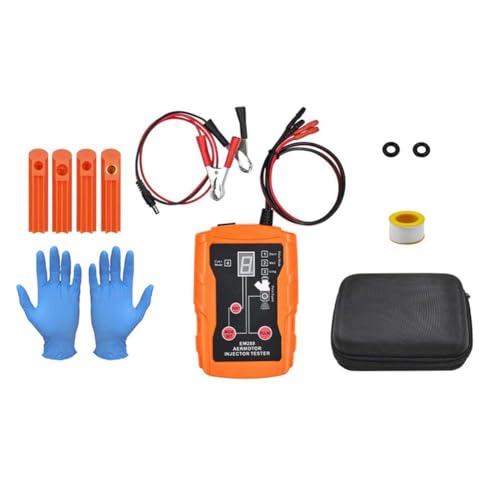
- Fuel System Pressure Testers: For accurate diagnosis of fuel delivery issues.
- Battery and Charging System Testers: To assess the health of the vehicle’s power system.
- Specialty Tools: Such as those for HVAC system service, suspension work, and driveline repairs specific to Ford models.
- Software Updates: Technicians should ensure diagnostic tools and vehicle software are regularly updated to reflect the latest manufacturer information.
Genuine Ford Parts vs. Aftermarket Parts
One of the critical distinctions between a good and a great Ford mechanic is their stance on parts. Genuine Ford parts are designed, manufactured, and tested by Ford to meet strict quality and performance standards. Using genuine parts ensures the best fit, durability, and compatibility with your specific Ford model, maintaining its original performance and safety.
While aftermarket parts can sometimes be more affordable, their quality can vary significantly. The best Ford mechanics will prioritize using genuine Ford parts, especially for critical components like engines, transmissions, brakes, and safety systems. If aftermarket parts are used, they should be from reputable brands known for quality and reliability, and the mechanic should be transparent about this choice and the warranty provided.
A mechanic who consistently uses high-quality parts and can justify their choice is a valuable asset.
| Aspect | Genuine Ford Parts | High-Quality Aftermarket Parts | Lower-Quality Aftermarket Parts |
|---|---|---|---|
| Fit and Compatibility | Guaranteed perfect fit and seamless integration. | Generally good fit, but may require minor adjustments. | Often poor fit, leading to installation issues. |
| Durability and Longevity | Built to Ford’s high standards; typically the longest lifespan. | Varies by brand; reputable brands offer good durability. | Often significantly shorter lifespan, leading to premature failure. |
| Warranty | Usually comes with a comprehensive manufacturer warranty. | Good brands offer solid warranties, often comparable to OEM. | Limited or no warranty, increasing future costs. |
| Cost | Typically the highest upfront cost. | Often more affordable than OEM, balancing cost and quality. | Lowest upfront cost, but highest long-term cost due to failures. |
| Performance | Ensures optimal performance as designed by Ford. | Can match OEM performance if it’s a high-quality part. | May negatively impact performance, fuel economy, or emissions. |
Choosing a mechanic who understands and respects the difference between part qualities is essential for the longevity of your Ford.
Understanding Pricing and Estimates
Transparency in pricing is a hallmark of a trustworthy Ford mechanic. Before any work begins, you should receive a detailed written estimate that outlines the cost of labor, parts, and any additional fees. This estimate should clearly specify the expected duration of the repair and the nature of the work to be performed.
Be wary of mechanics who provide vague estimates or are unwilling to put them in writing. It’s also wise to compare estimates from a couple of different reputable shops if the repair is significant. Remember that the lowest estimate isn’t always the best; consider the mechanic’s qualifications, the quality of parts used, and the warranty offered.
A fair price for expert service is an investment in your Ford’s reliability.
- Request Written Estimates: Always ask for a detailed estimate before authorizing any work.
- Labor Rates: Understand the shop’s hourly labor rate and how it applies to the estimated repair time.
- Parts Costs: The estimate should break down the cost of each part required.
- Additional Fees: Inquire about any shop supplies, disposal fees, or diagnostic charges.
- Total Estimated Cost: The estimate should provide a clear final figure for the repair.
- Communication for Overages: Establish a policy for how you will be contacted if the repair cost exceeds the original estimate.
- Warranty Information: The estimate should mention the warranty on parts and labor provided by the shop.
Important: If a repair estimate seems significantly lower than others, it may indicate the use of lower-quality parts or less experienced technicians. Always prioritize quality and reliability over just the cheapest price.
Common Ford Repairs and When to Seek a Specialist
While any certified mechanic can perform basic maintenance like oil changes and tire rotations, certain common Ford repairs warrant the attention of a specialist. These include issues with the PowerShift automatic transmission, common in models like the Focus and Fiesta, which requires specialized knowledge and tools for proper diagnosis and repair. Other examples include complex electrical system diagnostics, powertrain control module (PCM) issues, and diesel engine repairs for Ford Super Duty trucks.
Experiencing persistent check engine lights, strange transmission behaviors, or issues with Ford’s SYNC infotainment system are prime examples where a specialist’s expertise can save time and money. They are more likely to correctly identify the root cause and perform the repair efficiently, preventing recurring problems. For instance, a 2018 Ford F-150 recall for brake fluid leaks prompted many owners to seek out specialized service centers.
- PowerShift Transmission Issues: Often requires specialized diagnostic procedures and internal component repair or replacement.
- Engine Performance Problems: For issues like misfires, rough idling, or lack of power, especially with EcoBoost engines.
- Electrical System Faults: Diagnosing complex wiring harnesses, sensors, and modules can be challenging for generalists.
- SYNC System Malfunctions: Issues with Bluetooth connectivity, touch screen responsiveness, or software glitches in Ford’s infotainment.
- Diesel Engine Services: For models like the Power Stroke, requiring specific knowledge of diesel fuel systems and emissions.
- Brake System Repairs: Especially for advanced systems like ABS or those experiencing specific Ford-related issues.
- Suspension and Steering Components: Addressing noises or performance issues in Ford’s unique suspension designs.
Seeking out a specialist for these types of repairs ensures that the intricacies of your Ford are handled by those who know them best.
Local vs. Dealership Service for Your Ford
When it comes to servicing your Ford, you often have two main options: the official Ford dealership or an independent, local mechanic. Dealerships typically offer factory-trained technicians, genuine Ford parts, and the latest diagnostic equipment specifically for your vehicle. They are also the go-to for warranty work and recalls.
However, dealership services often come at a higher price point.
Independent shops that specialize in Ford can provide a compelling alternative. They often offer more competitive pricing, more personalized customer service, and may have technicians with extensive experience on specific Ford models. The key is to find an independent shop that has invested in the right tools, training, and parts sourcing to match dealership-level expertise.
Many consumers find a balance by using independent specialists for routine maintenance and non-warranty repairs, and dealerships for major warranty-related issues or recalls. A study by Consumer Reports in 2022 indicated that 60% of car owners prefer independent repair shops for their perceived value and customer service.
| Factor | Ford Dealership | Specialized Independent Shop | General Independent Shop |
|---|---|---|---|
| Technician Training | Ford factory-certified. | Ford-specific training or extensive experience. | General automotive certifications. |
| Parts Used | Genuine Ford parts exclusively. | Primarily genuine or high-quality OEM-equivalent. | Mix of aftermarket, quality varies. |
| Diagnostic Equipment | Latest Ford IDS and specialized tools. | High-quality diagnostic tools, potentially including Ford IDS. | Standard OBD-II scanners. |
| Cost | Generally the highest. | More competitive than dealerships. | Often the most affordable. |
| Warranty Service | Handles all warranty repairs and recalls. | May offer their own warranty on repairs. | Typically offers a limited warranty. |
The choice between a dealership and an independent shop often depends on your priorities regarding cost, warranty, and personalized service.
Tips for Finding and Choosing Your Mechanic
To find the best Ford mechanic near you, start by asking for recommendations from other Ford owners, friends, or family members. Online resources like Google Reviews, Yelp, and specialized automotive forums can also be excellent sources of information. Look for mechanics who specialize in Ford vehicles or have a strong track record with the brand.
Before committing to a shop, consider visiting them in person. Observe the cleanliness and organization of the facility. Speak with the service advisor or mechanic about your vehicle’s needs and gauge their communication style and willingness to answer your questions.
Trust your instincts; a good mechanic will make you feel confident in their abilities and transparent in their dealings. According to a J.D. Power study, 70% of consumers base their repair shop choice on the recommendations of people they trust.
- Ask for Referrals: Word-of-mouth is often the most reliable way to find a trustworthy mechanic.
- Check Online Reviews: Look for consistent positive feedback regarding honesty, quality of work, and customer service.
- Verify Certifications: Ensure technicians are ASE-certified and have Ford-specific training.
- Specialization: Prioritize shops that focus on Ford vehicles or European/American makes.
- Visit the Shop: Assess the cleanliness, organization, and professionalism of the facility.
- Communicate Clearly: Discuss your concerns and ask questions to gauge the mechanic’s responsiveness.
- Get a Written Estimate: Never authorize work without a clear, detailed estimate.
- Understand the Warranty: Inquire about the warranty offered on parts and labor.
Warning: Avoid mechanics who pressure you into unnecessary repairs or use vague language when describing issues. Always get a second opinion for major repairs if you feel unsure.
Frequently Asked Questions
What is the average cost of Ford maintenance?
The average cost of Ford maintenance can vary significantly based on the model, year, and the type of service required. Routine services like oil changes typically range from $50 to $150. However, major repairs or specialized services, such as transmission work or engine diagnostics, can cost hundreds or even thousands of dollars.
A 2023 report by RepairPal indicated that the average annual repair cost for a Ford vehicle is approximately $777, which is slightly above the average for all makes.
How often should I get my Ford serviced?
Ford recommends following the maintenance schedule outlined in your owner’s manual. Generally, routine services like oil changes and tire rotations are recommended every 5,000 to 7,500 miles or every six months, whichever comes first. More in-depth inspections and services are typically due at intervals of 15,000, 30,000, and 100,000 miles.
Modern Fords with intelligent oil life monitors may adjust these intervals based on driving conditions.
Can a general mechanic work on my Ford?
Yes, a general mechanic can perform many basic maintenance tasks and common repairs on a Ford vehicle. However, for complex issues, specialized repairs, or diagnostics involving Ford’s proprietary systems and technology, a mechanic with Ford-specific training and equipment is highly recommended for accurate and efficient service.
What are the most common Ford recalls?
Common Ford recalls have historically involved issues such as unintended airbag deployments, potential fire risks, brake system defects, and problems with powertrains or transmissions. For example, recalls have been issued for issues related to door latches, rearview cameras, and engine or transmission performance in various Ford models like the F-150, Explorer, and Escape. It’s essential to check for recalls specific to your VIN on the NHTSA website or Ford’s official recall page.
What does an extended warranty cover for a Ford?
An extended warranty for a Ford, often referred to as a vehicle service contract, typically covers mechanical breakdowns and repairs after the manufacturer’s original warranty expires. Coverage varies widely, but common components covered include the engine, transmission, drivetrain, steering, and brakes. It’s crucial to read the contract carefully to understand what is included, what is excluded (like routine maintenance or wear-and-tear items), and any deductibles or claim procedures.
Final Thoughts
Finding the best Ford mechanic near you is about more than just finding someone who can fix your car; it’s about building a relationship with a trusted professional who will help maintain your vehicle’s longevity and performance. Prioritize certified technicians, excellent reviews, transparent pricing, and a commitment to quality parts. By following these guidelines, you can ensure your Ford receives the expert care it deserves, keeping you safe and reliable on the road for years to come.
Products related to this article
Sponsored / affiliate links. As an Amazon Associate I earn from qualifying purchases. I may earn additional commission from eligible campaigns.