How Much Should You Charge for Car Detailing in 2026?
Charge $100 to $150 for a basic detail, $175 to $300 for a full interior-and-exterior detail, and $400 to $900+ once you add paint correction or a ceramic coating. Those are 2026 national averages, and your own price should move up or down from there based on your market, your experience, and how much time each job actually takes you.
Undercharging is the fastest way to burn out in this business, and overcharging without the reputation to back it up just sends customers to the next detailer on the list. The numbers below come from real 2026 industry pricing data, not guesswork, so you can set a rate that covers your costs, pays you fairly for your time, and still looks reasonable next to the competition in your area.
How Much Do Detailers Actually Charge in 2026?
BEST STARTER KIT FOR NEW DETAILERS
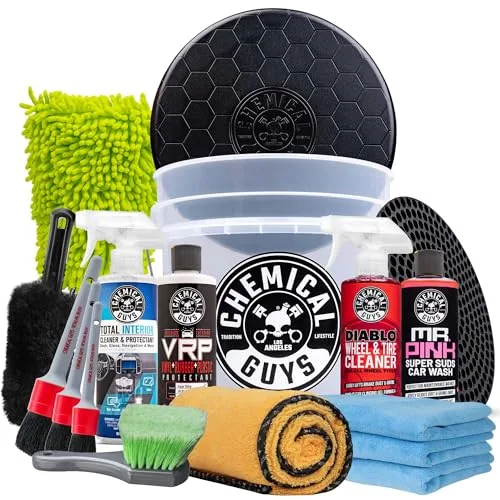 |
Chemical Guys 17-Piece Car Detailing Kit – $99.99 If you are pricing your first jobs, this is the kind of bundle that covers most of the “Material Costs” line item below in one purchase instead of ten separate ones.
|
National averages for 2026 break down into three clear tiers. A basic wash-and-vacuum runs $50 to $100, and basic detailing packages average around $158 nationwide. A full interior-and-exterior detail typically lands between $175 and $300, averaging about $278. Premium services, the kind that include paint correction or a full ceramic prep, average $443 and can climb past $1,000 for larger vehicles or heavily neglected paint.
Where you fall inside each range depends on the size and condition of the vehicle. A compact sedan that gets washed weekly takes far less time than a three-row SUV that has not been cleaned in a year. A neglected interior with lingering odors, deep-set pet hair, or old stains adds real time to the job, so it is fair to charge more for it rather than eating that extra hour yourself.
2026 Pricing by Package and Add-On
Most successful detailers price in tiers instead of one flat number. A good-better-best structure lets a customer pick what fits their budget while making it easy for you to upsell someone who came in for a basic wash into a full detail. Here is how the tiers typically break down, along with the most common paid add-ons.
| Package or Add-On | Typical Price | What It Covers |
|---|---|---|
| Basic wash and vacuum | $50-$100 | Exterior hand wash, tire shine, interior vacuum, window cleaning |
| Standard full detail | $150-$250 | Basic package plus wax, upholstery or carpet shampoo, trim dressing, engine bay wipe-down |
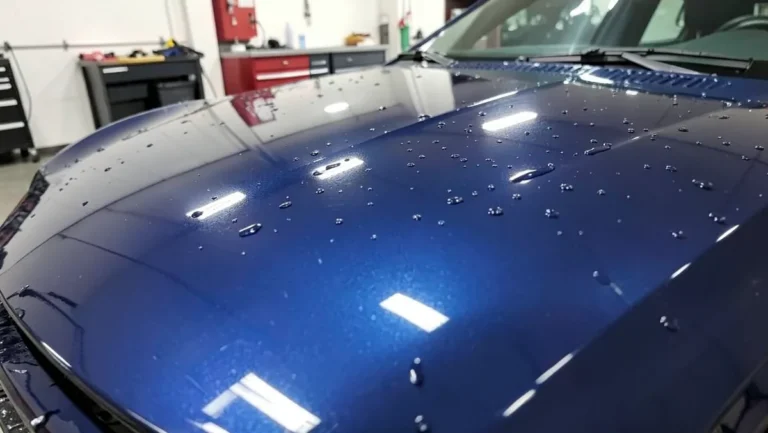
| Premium/show detail | $400-$1,000+ | Full detail plus machine paint correction and ceramic-ready paint prep |
| Add-on: paint correction | $400-$900 | Machine compounding and polishing to remove swirls, oxidation, and light scratches |
| Add-on: ceramic coating | $900-$2,500 | Multi-year hydrophobic paint protection, applied after correction |
| Add-on: engine bay detail | +$100-$400 | Degreasing and dressing the engine compartment |
Basic packages are the entry point most new customers try first, which is why how often someone gets their car detailed matters for pricing too. A customer on a monthly maintenance plan needs far less work per visit than someone booking one full detail a year, so many shops offer a lower recurring rate to lock in repeat business.
What Your Materials and Tools Actually Cost
Every price you charge has to cover more than your time. Cleaning products alone run $5 to $20 per bottle, and a full detail uses several: car shampoo, wheel cleaner, interior protectant, glass cleaner, and wax or sealant. A good polishing or cleaning kit can bundle most of that into one purchase, which is usually cheaper per job than buying each product separately once you factor in how long a bottle actually lasts.
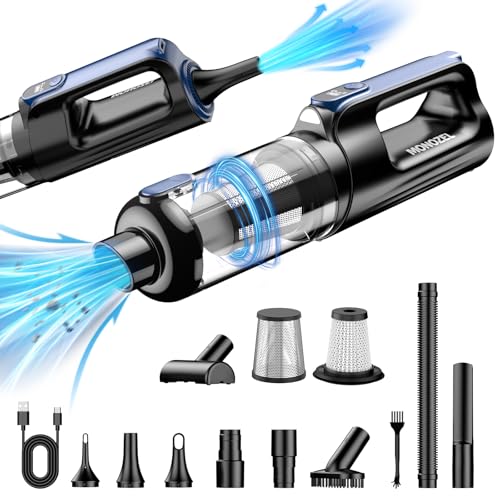
Equipment is the bigger investment. Microfiber towels cost $10 to $30 for a pack, a wet/dry shop vacuum runs $50 to $150, and a dual-action polisher for paint correction ranges from $80 for an entry-level unit to $300+ for a professional-grade tool. None of that needs to be bought all at once. Most detailers start with the basics, price their first jobs to cover consumables and their time, and reinvest in better equipment as bookings grow.
Pricing Your Labor and Time
A basic wash and vacuum takes 30 to 60 minutes for one detailer working alone. A standard full detail runs 2 to 3 hours, and a premium detail with paint correction can take 4 to 8 hours depending on the size of the vehicle and how much correction the paint needs. Most professional detailers price around $50 to $100 an hour once materials are factored in, so a 3-hour standard detail at $70 an hour lands right in that $175-$300 national range.
If you are new, it is fine to charge less while you build speed and a portfolio of before-and-after photos. Just track your actual hours honestly for the first few months. If a “basic” detail keeps taking you 90 minutes instead of 45, your price needs to reflect that, not your goal time.
How Location and Mobile Service Change Your Price
Detailers in large cities and coastal metro areas can generally charge more than detailers in small towns, simply because local labor and rent costs are higher and customers expect to pay more across the board. Rural areas usually see lower prices but also less competition, which can balance out.
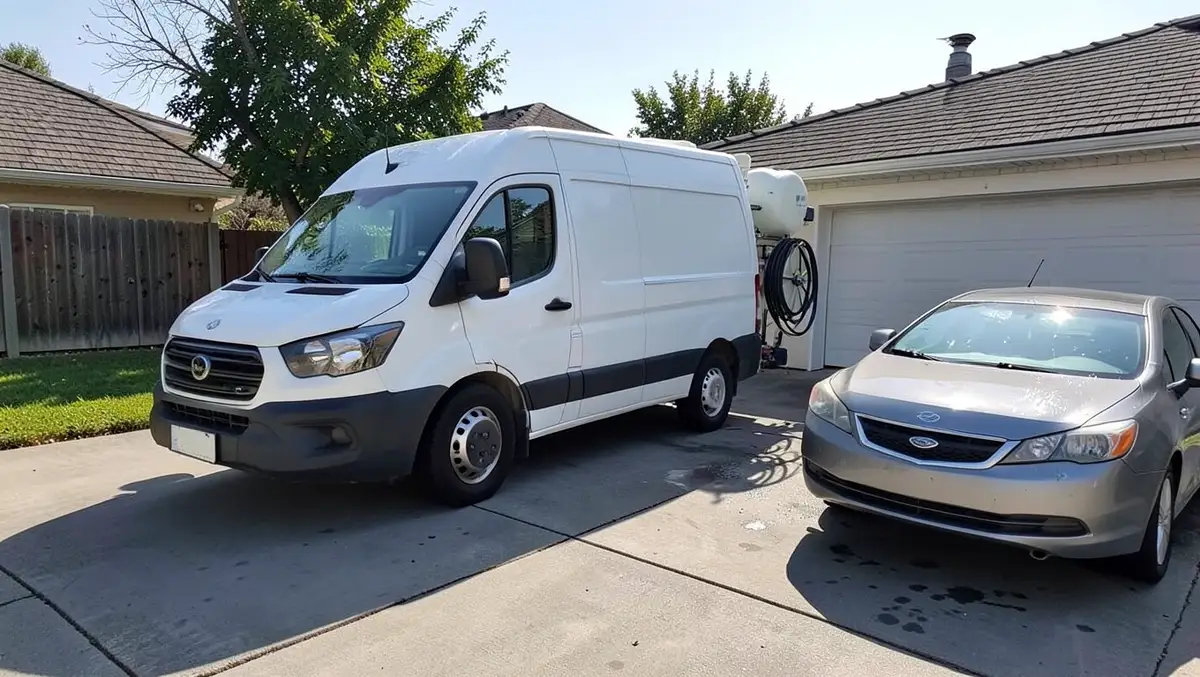
Mobile detailing changes the math further. Bringing your own water tank, generator, and supplies to a customer’s driveway typically adds $10 to $40 on top of a shop’s base price, since you are covering fuel, travel time, and the convenience of not making the customer drive anywhere. Climate matters too: areas with heavy road salt, dust storms, or frequent rain create more buildup between visits, which can justify slightly higher standard rates or a shorter recommended service interval.
Checking What Local Competitors Charge
Before you finalize a price list, spend an hour looking at what other detailers in your area actually charge. This is not about matching the lowest number you find. It is about knowing where you sit in the local market so you can price with confidence instead of guessing.
Benchmarking Competitors
Pull up the websites and social pages of five or six detailers within a 20-mile radius. Note their package names, prices, and what is actually included in each tier, since “full detail” means something different from shop to shop. Average those numbers to get a realistic local baseline, then decide whether you belong above, at, or below that line based on your own experience and equipment.
Differentiating Your Services
If your price sits above the local average, you need a reason customers can point to. That might be a specific product line, a satisfaction guarantee, faster turnaround, or simply photos that show sharper results than the competition. Say it plainly on your pricing page or booking form. Customers rarely question a higher price when the difference is obvious before they even book.
Value vs. Price: Why Customers Actually Pay
Customers rarely pick the cheapest detailer on the list. They pick the one they trust to treat their car carefully and deliver the result shown in the photos. Price too low and people assume the work is corner-cut; price fairly and back it up with real before-and-after shots, and most customers will not push back.
Trust builds over repeat visits more than any single job. Be upfront about what is and is not included in each package before the car arrives, never add surprise charges at pickup, and follow through on the timeline you quote. A reputation for straightforward pricing is worth more in referrals than any single discount you could offer.
Smart Ways to Adjust Your Pricing
Seasonal and first-time promotions can fill a slow schedule without permanently lowering your rates. A 10-15% discount for a first-time customer, a bundle price for booking three visits in advance, or a slow-Tuesday rate all bring in bookings you would not otherwise get, as long as the discount has a clear end date so it does not become the expected price.
Demand-based pricing works the other way during your busy season. If your calendar is booked two weeks out every spring, that is a signal you can raise prices 5-10% without losing bookings. Review your rates against local competitors at least once a year rather than leaving them unchanged while your costs and experience both grow.
Frequently Asked Questions
How much should you charge for a full car detail?
Charge $175 to $300 for a standard full detail, which averages $278 nationally in 2026. Basic wash-and-vacuum packages run $50 to $100, while premium detailing with paint correction or ceramic prep averages $443 and can exceed $1,000 on larger or more neglected vehicles.
What should a beginner detailer charge?
New detailers typically start at $50 to $100 for a basic package, roughly $20-30 below the local average, to build a client base and a portfolio of before-and-after photos. Raise your prices in steps as your speed, equipment, and reviews improve rather than staying at a beginner rate indefinitely.
How much do professional detailers make per car?
After materials, most detailers net $50 to $150 on a basic-to-standard job and $150 to $400+ on a premium job that includes paint correction. Your actual take-home depends on how efficiently you work and how much you spend on products, since a slower detailer earns less per hour even at the same listed price.
What does a full detail on a car include?
A full car detail includes interior vacuuming, upholstery or carpet cleaning, a full exterior wash, waxing or sealant, wheel and tire detailing, window cleaning, and a basic engine bay wipe-down. Paint correction and ceramic coating are usually sold as separate add-ons rather than included in a standard full detail.
Should you charge hourly or a flat rate for detailing?
Flat-rate packages are easier to market and quote over the phone, and most established detailers use them for standard basic, standard, and premium tiers. Hourly pricing, usually $50 to $100 an hour, works better for one-off jobs that do not fit a normal package, like heavy pet hair removal or extensive stain treatment.
Is mobile detailing more expensive than a shop?
Yes, mobile detailing usually costs $10 to $40 more than the same package at a fixed shop location. That premium covers the detailer’s travel time, fuel, and the water and power equipment they bring to your driveway, and most customers accept it in exchange for not having to drop the car off anywhere.
Conclusion
Start with the 2026 national ranges above, then adjust for your local market, your speed, and the equipment you actually own. A basic package around $100-$150, a standard full detail around $175-$300, and premium add-ons priced separately gives you a structure that covers your costs and still looks fair next to local competitors.
Review your prices at least once a year. As your reviews, speed, and equipment improve, your rates should move up with them instead of staying fixed at your beginner price.
Products related to this article
Sponsored / affiliate links. As an Amazon Associate I earn from qualifying purchases. I may earn additional commission from eligible campaigns.