Crimp or Quick-Splice? Best Wire Connectors for Car Stereo
Crimp connectors hold up better than quick-splice taps for a car stereo install, because a proper crimp compresses directly onto the bare copper strands instead of just piercing the wire’s insulation.
Quick-splice (T-tap) connectors are still fine for a fast, temporary tap on a low-current wire, but they’re more likely to work loose or corrode in a high-vibration spot like behind the dash or under a kick panel. Below are three connector kits worth stocking – one for permanent crimped splices, one for thin-gauge twist connections, and one for quick, tool-free taps – along with which job actually fits each one.
Crimp vs. Quick-Splice: Which Wire Connector Holds Up Better?
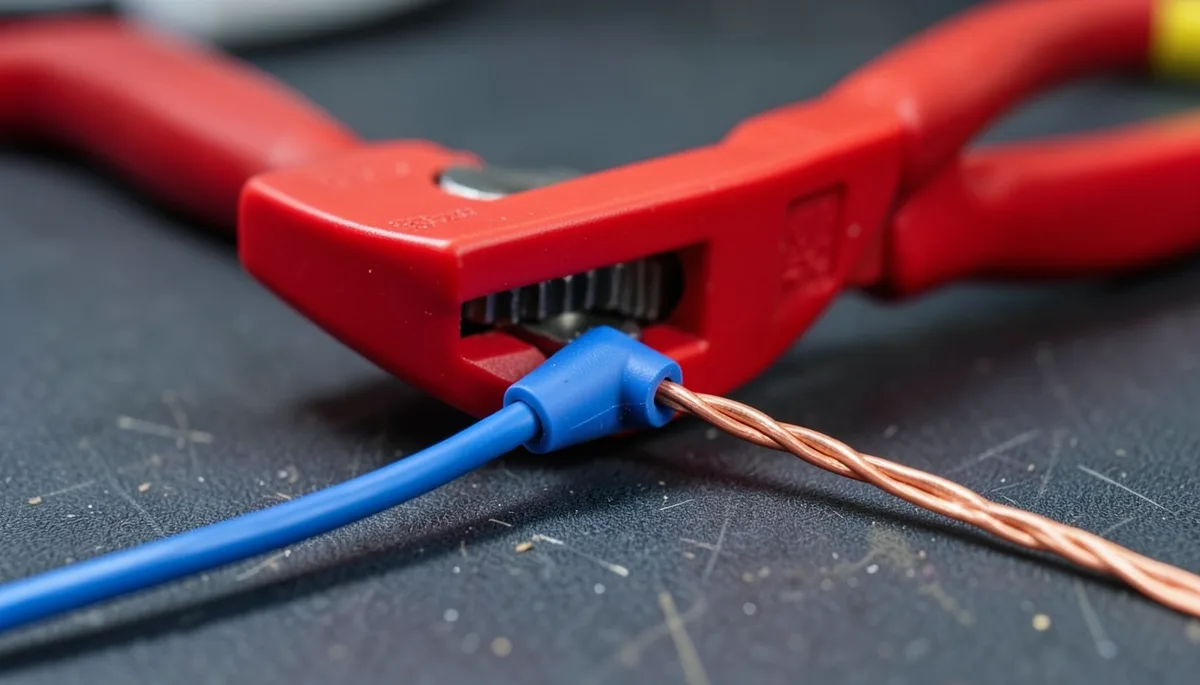
A crimp connector – a butt splice, ring terminal, or closed-end cap – goes on after you strip the wire, and a ratcheting crimp tool then compresses the metal sleeve directly around the bare copper. Done correctly, that’s a gas-tight mechanical joint that resists vibration, heat cycling, and corrosion far better than anything that doesn’t make full contact with stripped copper.
A quick-splice or T-tap connector skips the stripping step entirely: its metal blade clamps down through the wire’s insulation to reach the copper underneath. That’s what makes it fast, but the same piercing blade can nick individual strands right where it bites in, which is why installers generally treat a quick-splice as a convenient short-term tap rather than a permanent connection for something like a stereo’s main power or ground wire. A twist-on connector like the Posi-Twist below sits in between the two – no piercing involved, but it relies on friction rather than a compressed joint, so it’s best kept to lighter accessory and signal wiring. If you’re wiring a full system rather than just adding one connector, our guide to wiring car audio the right way covers gauge sizing and fusing for the whole harness.
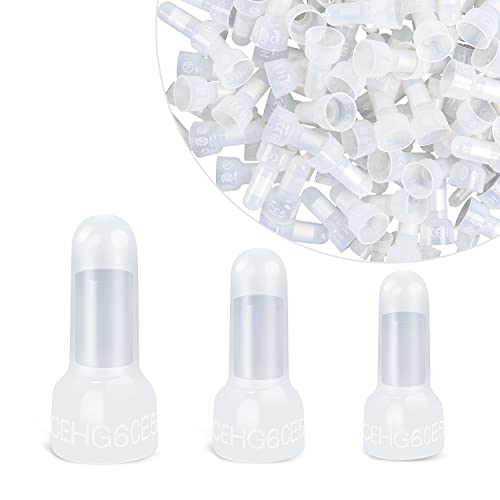
Nilight – 50036r Closed End Crimp Terminal
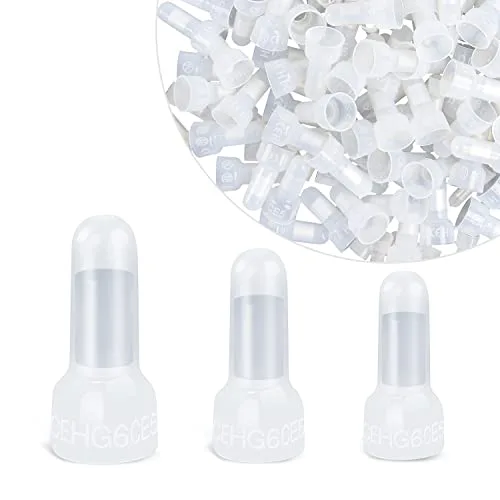
This is a genuine crimp-connector kit, not a quick-splice: you strip the wire and crimp the closed nylon cap over the exposed strands with a ratcheting crimp tool (not included). That real compression joint is exactly why it holds up better in a tight, vibration-heavy spot behind the dash than a piercing tap does. The 300-piece assortment spans 22-16, 16-14, and 12-10 gauge, which covers everything from a remote turn-on wire down to a stereo’s main power feed.
Pros:
- Covers three separate gauge ranges (22-16, 16-14, 12-10) in one kit.
- Closed-end cap fully seals the wire tip – no exposed bare copper.
- A genuine crimped connection, not a piercing tap.
- 300 pieces included, plus a 2-year warranty.
Cons:
- A proper joint needs a separate ratcheting crimp tool – squeezing these with regular pliers gives a weaker, inconsistent crimp.
- The nylon cap doesn’t heat-shrink-seal against moisture the way a heat-shrink butt splice does.
If you’re running new power wire for an amp or subwoofer rather than just splicing a signal lead, the same crimp-vs-tap logic applies – see our subwoofer wiring guide for gauge and fusing guidance on that run.
To buy this product, click here.
Posi-products Posi-twist Wire Connectors
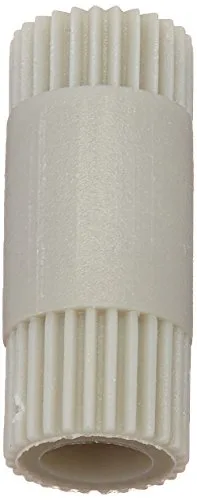
Posi-Twist connectors work like a miniature wire nut sized for automotive-gauge wire: strip both ends, twist the bare copper together, then thread the connector on until it seats. There’s no crimping tool and no piercing blade involved, which makes these a fast option for splicing two thin accessory wires – extending a dash cam or amp remote-turn-on lead, for example – where a full crimp kit is overkill. The 18-26 gauge range covers most factory signal and accessory wiring, but it tops out well below what a stereo’s main power and ground wires typically need.
Pros:
- No tools needed beyond a wire stripper – twist and thread on.
- Solid twist-and-lock design once fully seated.
- Well suited to thin accessory and signal wire.
- Made by Posi-Products, backed by a 2-year warranty.
Cons:
- Only available in beige, so you can’t color-code circuits by connector.
- 18-26 gauge is too light for a stereo’s main power or ground run.
- Relies on friction and a threaded seat rather than a compressed joint.
These pair well with car stereo wiring harness adapters when you only need to extend or branch a single signal wire rather than rebuild the whole harness.
To buy this product, click here.
Nilight – 50004r Quick Splice Wire Terminals Kit
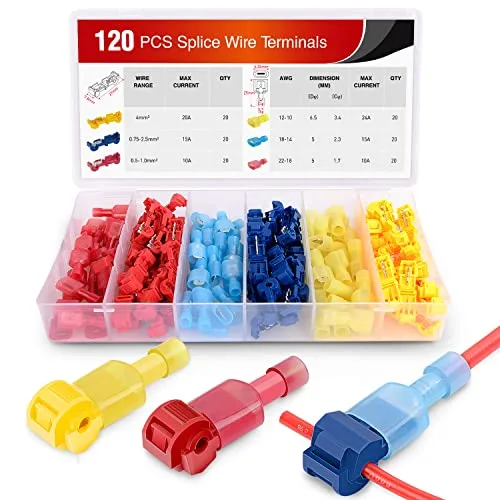
This is the true quick-splice, or T-tap, style connector: you clamp the connector’s own blade down through the wire’s insulation, and it self-strips as it seats, so there’s no separate stripping step. That speed is the entire point – it’s the fastest way to tap into an existing wire for something like an add-on amp trigger or a dash cam. The tradeoff is the one installers bring up most often: the piercing blade nicks individual copper strands where it bites in, which makes a quick-splice tap a weaker mechanical joint than a real crimp, so it’s better suited to a temporary or low-current tap than a permanent power connection.
Pros:
- Self-stripping blade – no separate wire-stripping step.
- The fastest option for tapping into an existing wire.
- 120 pieces (60 pairs), including the matching male quick-disconnect ends.
- Nylon fully insulated housing, plus a 2-year warranty.
Cons:
- Not rated for high-current or permanent power connections.
- The piercing blade weakens the wire slightly at the tap point.
- Takes some practice to seat the clamp fully every time.
To buy this product, click here.
Frequently Asked Questions
Is a Crimp Connector Better Than a Quick-Splice for Car Stereo Wiring?
For a permanent power or ground connection, yes. A crimp compresses directly onto stripped copper for a joint that holds up under vibration and heat cycling. A quick-splice pierces through the insulation instead, which is faster but nicks a few strands, so it’s best reserved for a temporary or low-current tap rather than a stereo’s main power feed.
What Is A Closed End Crimp Terminal?
A closed-end crimp terminal is a nylon cap you crimp over a stripped wire end to seal and terminate it, with no bare copper left exposed. The Nilight kit includes 300 pieces across three gauge ranges, so it fits everything from thin signal wire to a stereo’s main power feed. It’s a genuine crimped connection, which makes it more durable in automotive applications than a piercing tap.
How Do Posi-twist Wire Connectors Work?
Posi-Twist connectors are designed for 18-26 gauge wires. Strip both wire ends, twist the bare copper together, then thread the connector on until it seats – no crimping tool or piercing blade required. They’re reusable and work well for car stereo wiring projects that only need to extend or branch a thin accessory wire.
What Are Quick Splice Wire Terminals?
Quick-splice wire terminals, also called T-taps, clamp a blade through the wire’s insulation to tap into it without cutting or stripping first. Nilight’s kit includes 120 pieces with nylon insulation. Simply clamp the connector onto the wire and it self-strips as it seats. They’re fast for automotive wiring taps, but the piercing blade makes them better for temporary or low-current connections than a permanent power run.
Why Use Insulated Male Quick Disconnects?
Insulated male quick disconnects let you unplug a wire without cutting it, which is useful for a connection you might need to service or remove later, like an aftermarket amp or accessory. Nilight’s kit includes fully insulated connectors that prevent the bare metal from shorting against nearby metal. This keeps the connection safer in a cramped engine bay or under-dash space.
Are These Wire Connectors Durable?
All three hold up well within their intended use. The crimp terminals and Posi-Twist connectors are rated for long-term automotive use and each carries a 2-year warranty. The quick-splice terminals are durable for what they’re designed for – a fast, low-current tap – but they aren’t the right choice for a permanent high-current power connection, where a real crimp is the more reliable option.
Conclusion
The right wire connector for a car stereo install depends on the wire, not just the brand. For a stereo’s main power and ground wires, a genuine crimp connection – like the Nilight closed-end crimp terminal kit – holds up better under vibration and heat than anything that pierces the insulation. For thin accessory or signal wire, the Posi-Twist connectors give you a tool-free twist connection without the bulk of a full crimp kit. For a fast, temporary tap into an existing wire, the Nilight quick-splice kit gets the job done, as long as you keep it off the main power feed.
Match the connector to the job and you’ll get a stereo installation that stays quiet, stays connected, and doesn’t need to be redone a year later.
Products related to this article
Sponsored / affiliate links. As an Amazon Associate I earn from qualifying purchases. I may earn additional commission from eligible campaigns.