3 Best Leather Protectants for Cars (2026): We Compared
Choose a water-based leather protectant for matte OEM seats, a conditioner-plus-protectant for dry, glossy, or lightly worn leather, and a ceramic leather coating if you want the strongest stain and UV barrier with a slicker feel. Pick the wrong type and you can leave seats greasy, change the factory sheen, or let spills and sun damage stick. This guide ranks top picks by leather finish, seat condition, and desired feel.
Quick comparison
| Product | Badge | Best for | Price | ||
|---|---|---|---|---|---|
 |
Lexol All Leather Conditioner for Car Seats, Furniture,Lexol | Our pick | 16.9 oz · conditioner · multi-surface | $11.99
Price as of 25 Oct 2026
|
View |
 |
Meguiar’s Gold Class Leather Conditioner Spray, 16 Oz |Meguiar’s | Budget pick | 16 oz · spray · aloe | $7.97
Price as of 25 Oct 2026
|
View |
 |
Chemical Guys, Leather Protectant Dry-to-Touch Serum forChemical Guys | Also great | 16 oz · serum · satin finish | $27.99
Price as of 25 Oct 2026
|
View |
The biggest trade-off is feel versus barrier strength. Water-based protectants keep the factory look, conditioners help dry leather feel softer, and ceramic coatings usually give the driest finish with the strongest stain and UV resistance.
Use this table to sort products by the kind of seat surface you actually have, not by the most familiar label on the bottle.
| Product | Best for | Finish | Compatibility | Main drawback |
|---|---|---|---|---|
| Chemical Guys HydroLeather | OEM-matte protection | Dry to the touch | Natural leather; check label for finish type | Not aimed at deep conditioning |
| Leather Honey Leather Conditioner | Dry seats needing softness | Softer, slightly richer feel | Finished leather only; not suede, faux leather, or vinyl | Can add more feel change than some owners want |
| 303 Products Leather 3-In-1 Complete Care | Routine care and UV protection | Clean, low-residue finish | Leather and similar interior materials per label | Less targeted than a dedicated ceramic coating |
| Gyeon Leather Shield EVO | Light-colored or high-end interiors | Natural finish retention | Natural leather | More specialized than a simple conditioner |
How we chose
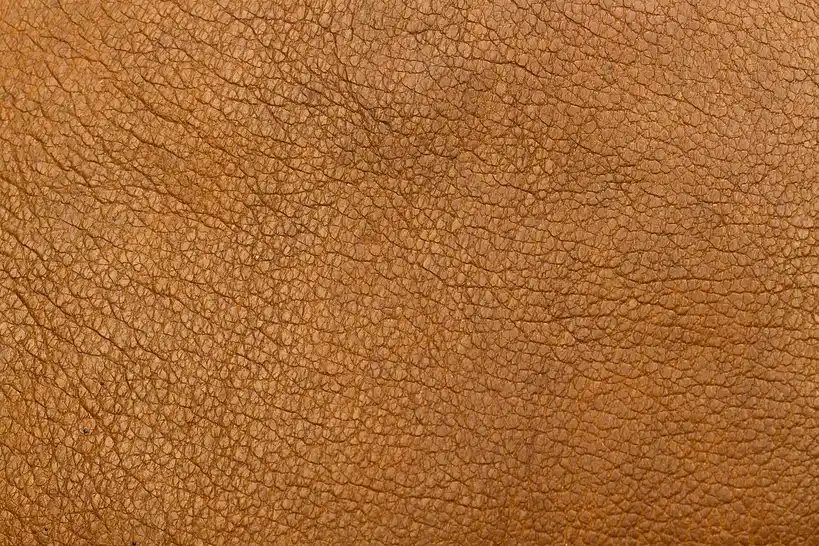
Four criteria separate the useful products from the generic ones: leather type compatibility, finish and residue profile, protection goal, and likely reapplication cadence. Those are the details that decide whether a seat stays OEM-matte, turns glossy, or feels slick after a few weeks.
We also weighed failure modes that buyers often miss: perforation clogging, dye-transfer risk on light interiors, residue on high-touch bolsters, and the wrong product on suede or unfinished leather. Compatibility is the first filter.
- Match the material: finished leather, suede or unfinished leather, faux leather, and vinyl do not all need the same formula.
- Match the finish: choose matte, satin, or dry-to-touch based on the look you want to preserve.
- Match the problem: dry seats need conditioning; sun exposure needs UV protection; stains and frequent spills call for stronger surface shielding.
- Watch residue: a greasy film can make seats slippery and attract dirt.
Leather type compatibility
Finished leather is the safest target for most seat care products. Suede and unfinished leather are the exceptions, because conditioners and coating products can darken them or leave a visible patch. Faux leather and vinyl need label confirmation too, since some leather formulas are not intended for those surfaces.
Finish and residue profile
For interiors, finish matters almost as much as protection. Matte and dry-to-touch products preserve an OEM look, satin products add a little visual depth, and glossy residue usually means the formula is too heavy for seats or was overapplied.
Protection goal and reapplication cadence
Think about what you are trying to stop. UV, dirt, stains, drying, and cracking all point to different product strengths. A light routine care product may need more frequent reapplication, while a ceramic coating usually lasts longer but is less forgiving if the leather is not clean first.
Common failure modes
The most common mistakes are simple: using a conditioner on already-soft leather, choosing a glossy dressing for a matte interior, or applying anything too heavily to perforated seats. Another common problem is slickness on steering wheels and bolsters after residue builds up.
Chemical Guys HydroLeather: best for OEM-matte protection
HydroLeather fits owners who want a ceramic barrier without turning the seat surface oily or shiny. Based on the manufacturer’s specs and published details, it is presented as a durable ceramic protective barrier that dries to the touch with no sticky residue, while aiming to preserve an OEM-like feel.
That makes it the strongest match for newer interiors, leased vehicles, and anyone trying to keep a factory matte appearance. It also suits drivers who care more about long-lasting surface shielding than about adding softness to dry leather.
The trade-off is that this is not a deep conditioner. If the seats already feel dry or stiff, a coating alone will not replace lost pliability, and you still need careful prep before application.
Who should buy it?
Buy it if your seats are in good shape, you want a dry finish, and you are mainly trying to block UV, dirt, and stain transfer without changing the cabin’s original look. It is a sensible pick for newer finished leather and for owners who dislike silicone-like residue.
Limitations to know
It is not the best first choice for neglected leather that needs softening. It is also not the easiest answer for suede or unfinished leather, and any ceramic-style product can feel too slick if it is applied too heavily or on the wrong surface.
Leather Honey: best for dry seats
Leather Honey is the pick for finished leather that feels dry, has lost some flexibility, or needs a more conditioned hand. It is positioned for long-lasting conditioning, and the formula is not suitable for suede, faux leather, or vinyl, which makes the compatibility check especially important.
This is the most relevant option when softness matters more than a bare-minimum protective layer. Seats that look dull, feel thirsty, or show early cracking signs often need that conditioning step before any more technical protectant is layered on.
The drawback is control. A richer conditioner can change the surface feel more than a lighter protectant, so it is not the first choice if you want a crisp OEM-matte finish with almost no sheen shift.
Limitations to know: do not use
Do not use it on suede, faux leather, or vinyl. If your seats are already oily, glossy, or prone to residue buildup, this kind of conditioner can make the finish look heavier than intended.
303 Products Leather 3-In-1: best for routine care
For routine care, 303 Products Leather 3-In-1 Complete Care is a practical middle ground. It cleans, conditions, and protects in a rinse-free formula, and it includes UV protection, so it works well when you want one step for regular maintenance rather than a separate cleaner and conditioner.
That all-in-one format is useful for seats that are not badly dried out but still need regular upkeep. It is especially relevant for drivers who want a cleaner finish with less product swapping across the garage shelf.
The downside is obvious: a 3-in-1 product rarely excels at one single task as much as a specialist formula. If your leather is heavily dry or you want a dedicated ceramic barrier, a separate product may be the better match.
Limitations to know: it is less specialized
It is less specialized than a dedicated conditioner for dry leather or a dedicated ceramic coating for maximum barrier strength. Very neglected seats may need a deeper prep step before this kind of routine product can do much.
Gyeon Leather Shield EVO: best for light-colored interiors
Gyeon Leather Shield EVO is the best match when you want ceramic protection and natural finish retention on light-colored or high-end leather. It is a ceramic coating for natural leather, with UV protection built into the use case, and that matters on white, beige, or pale gray seats that show transfer quickly.
Light interiors expose product residue fast. A coating that keeps the leather looking close to original while giving a drier feel is often the safer choice than a heavy conditioner on those surfaces.
The limitation is specialization. It is not a cure for dry leather, and ceramic products are usually less forgiving if the seat has grime, body oils, or old dressing left behind.
Limitations to know: it is aimed
It is aimed at natural leather, so compatibility still matters. It is not the right answer for suede, and it may be more product than a low-mileage car with already well-kept seats really needs.
Do you need a cleaner or conditioner first?
If the seats have dust, body oils, dye transfer, or old residue, start with a cleaner. If the leather feels dry, stiff, or has a flat, thirsty look after cleaning, add a conditioner next. If the surface is already in good shape, a protectant-only or ceramic option can be the better first move.
When a cleaner-only product makes sense
A cleaner-only step makes sense when the leather is not dried out but needs freshening up before protection. That is common on newer seats, on steering-wheel leather with hand oils, and on light-colored interiors where residue stands out.
When the conditioner is the better pick
A conditioner is the better pick when the problem is feel, not just appearance. If the seat is dry and you want the material to feel less brittle, conditioning should come before any protective coat is applied.
When a protectant-only or ceramic option fits better
Use a protectant-only or ceramic option when the leather is already healthy and you care most about UV, stain resistance, and keeping the factory sheen intact. That is often the right call for newer vehicles and high-touch daily drivers.
Say your beige front seats look clean but pick up sunscreen and denim transfer after a month of commuting. A cleaner-plus-protectant or ceramic product fits better than a heavy conditioner, because the problem is surface contamination and stain control, not dryness.
Suppose a three-year-old black leather seat feels a little rough on the bolsters and has a dull patch where people slide in and out. A conditioner first, then a lighter protectant, is usually a better sequence than jumping straight to a coating.
Which one should you buy?
Start with the seat’s condition, then decide how much change in feel you can accept. If you want the least visual change, choose a dry protectant. If the leather feels tired, choose conditioning. If the cabin sees strong UV or frequent spill risk, move toward a ceramic or UV-focused formula.
Best for new or well-kept seats
Choose Chemical Guys HydroLeather if the interior is already in good shape and you want to preserve the OEM look. Choose 303 Products Leather 3-In-1 Complete Care if you want a single routine product with UV protection and a simpler maintenance plan.
Best for dry or neglected seats
Choose Leather Honey if the seats need softness and the material is finished leather. It is the clearest choice here because it is positioned for long-lasting conditioning, which is the right priority on dry leather.
Best for perforated or ventilated seats
Choose the lightest possible product application and a formula that is not overly rich. A product designed for perforated leather, such as Chemical Guys VentRight, is the cleaner fit for that use case; among the products in this guide, the safest approach is a low-residue protectant applied sparingly so perforations do not clog.
Best for faux leather and vinyl
Do not assume a leather conditioner is safe here. Check the label first, because Leather Honey is not suitable for suede, faux leather, or vinyl, while multi-surface products such as Chemical Guys Total Interior Cleaner & Protectant and Leather Honey UV Protectant Cleaner are aimed at broader interior use. Label verification matters more than brand familiarity.
Leather seat decision matrix
This matrix translates seat condition into the safest product type, expected finish, reapplication cadence, and the most common failure mode to avoid. Use it before choosing by brand.
| Seat condition | Safest product type | Expected finish | Reapplication cadence | Common failure mode to avoid |
|---|---|---|---|---|
| New | Water-based protectant or ceramic coating | Matte to dry-to-touch | After routine cleaning or seasonal maintenance | Gloss buildup from overapplication |
| Dry | Conditioner first, then light protectant | Satin or soft matte | When the surface starts to feel stiff again | Using a coating alone and leaving the leather dry |
| Stained or high-touch | Cleaner plus protectant or ceramic coating | Low-residue, non-greasy | More often on bolsters and seat bases | Residue that attracts more dirt |
| Perforated, light-colored, or high-UV | Low-residue protectant or ceramic coating | Matte to natural finish retention | Follow label timing; inspect after sun-heavy weeks | Clogged perforations or dye-transfer buildup |
For all of these cases, match the product to finished leather unless the label explicitly says otherwise. Suede and unfinished leather need a different approach, and faux leather or vinyl should be treated only with products that name those materials directly.
What is the best leather protectant for car seats?
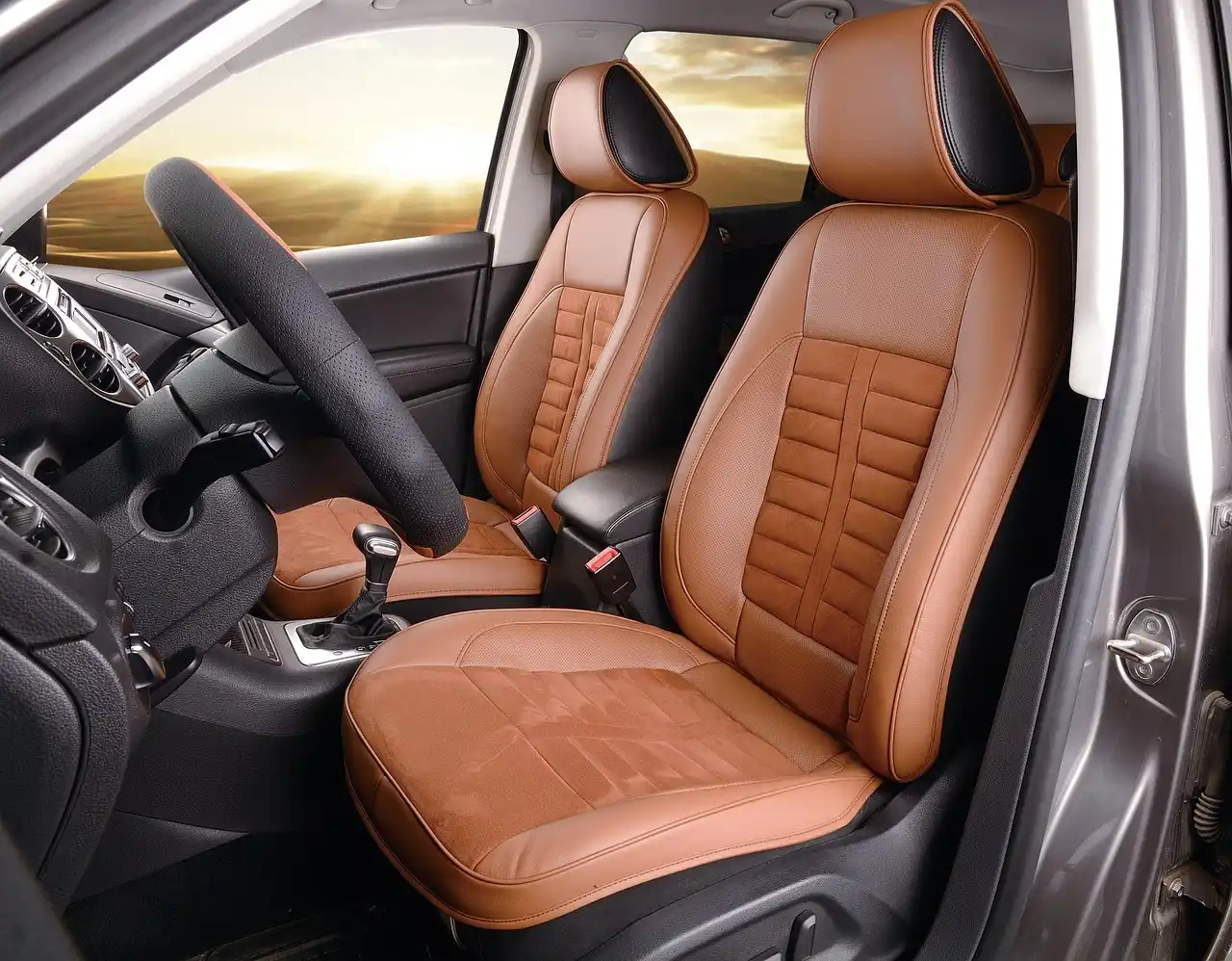
The best leather protectant depends on your seat condition and the finish you want to keep. For a broad audience, a dry-to-touch ceramic or water-based protectant is the safest starting point because it preserves the factory look and adds UV and stain resistance without making seats greasy.
Do I need a leather cleaner or conditioner for my car seats?
You need a cleaner if the surface has dirt, oils, or transfer marks. You need a conditioner if the leather feels dry, stiff, or looks dull after cleaning. On many cars, both have a role, but the correct order is cleaner first and conditioner second.
Can leather protectant help prevent cracking and fading?
Yes. A good leather protectant helps slow UV fading and can reduce the drying that leads to cracking. It will not repair deep damage, though, and it works best when the leather is already clean and not loaded with old residue.
What leather protectant is safe for perforated or ventilated seats?
Perforated or ventilated seats need a low-residue product and a light hand. The main risk is clogging the holes or leaving residue that affects airflow. A targeted perforated-leather formula is best; if you use a general protectant, apply sparingly and wipe off excess immediately.
Which leather protectant leaves a dry, non-greasy finish?
Ceramic-style leather coatings and dry-to-touch protectants are the best bets for a non-greasy finish. HydroLeather is described as drying to the touch with no sticky residue, and Gyeon Leather Shield EVO is aimed at natural finish retention. Those qualities matter if slickness is a problem.
Can I use leather protectant on faux leather or vinyl?
Only if the label says so. Some leather products are made for finished leather only, while others are multi-surface. Leather Honey is not suitable for suede, faux leather, or vinyl, so compatibility checks are essential before applying anything to synthetic surfaces.
How often should I apply leather protectant to car seats?
Most owners should reapply based on wear, sun exposure, and product type rather than a fixed calendar. Routine protectants may need more frequent use than ceramic coatings. High-UV parking, white interiors, and heavily used bolsters usually need closer inspection and earlier reapplication.
Is ceramic leather coating better than conditioner for car interiors?
Neither is universally better. Ceramic coating is better for barrier strength, UV resistance, and a dry finish. Conditioner is better when the leather is dry and needs softness. For many interiors, the right answer is based on seat condition: condition first, then protect.
What should I use on white or light-colored leather seats?
Use a low-residue protectant or ceramic coating that keeps the finish natural and resists dye transfer. Light leather shows buildup quickly, so avoid greasy formulas. A product aimed at natural finish retention is usually safer than a rich conditioner on white or beige seats.
Products related to this article
Sponsored / affiliate links. As an Amazon Associate I earn from qualifying purchases. I may earn additional commission from eligible campaigns.
 Leather Cleaner for Car Interior - 2 Pack Leather Seat Cleaner & Conditions Car Seats, Dashboard, Furniture & More, Restores Shine, About 120g per Bottle
 Ethos Leather Conditioner Complete Kit – Leather Seat Cleaner & Conditioner with UV Protection for Car Interior, Couch, Jacket, Boots – Cleans and Conditions Vinyl & Plastic Surfaces