Best Car Tires for Winter: How to Choose Snow and Ice Tires
Winter tires can cut stopping distance on ice and packed snow by roughly 30-40% compared to all-season tires, because their rubber compound stays soft below about 45°F (7°C) instead of hardening like regular tires do.
That gap matters most in the moments you cannot afford to lose: braking at a red light on packed snow, or steering around a patch of black ice. All-season tires are a compromise built for a wide temperature range, and once the mercury drops, that compromise works against you. This guide covers how winter tires actually work, how to read the certification symbol that separates a real winter tire from a marketing label, studded versus studless choices, sizing, when to swap tires on and off, and how to tell when a set is too worn to trust.
Why Winter Tires Matter More Than an All-Season Tire
Every tire is a trade-off between rubber that stays flexible in the cold and rubber that holds up in summer heat. All-season tires are formulated to survive both, which means they are never optimized for either. Once temperatures fall into the mid-40s Fahrenheit and below, the rubber compound in an all-season or summer tire begins to stiffen. A stiffer tire cannot flex into the tiny grooves of ice or press into fresh snow the way a soft compound can, so grip drops even before any snow has fallen.
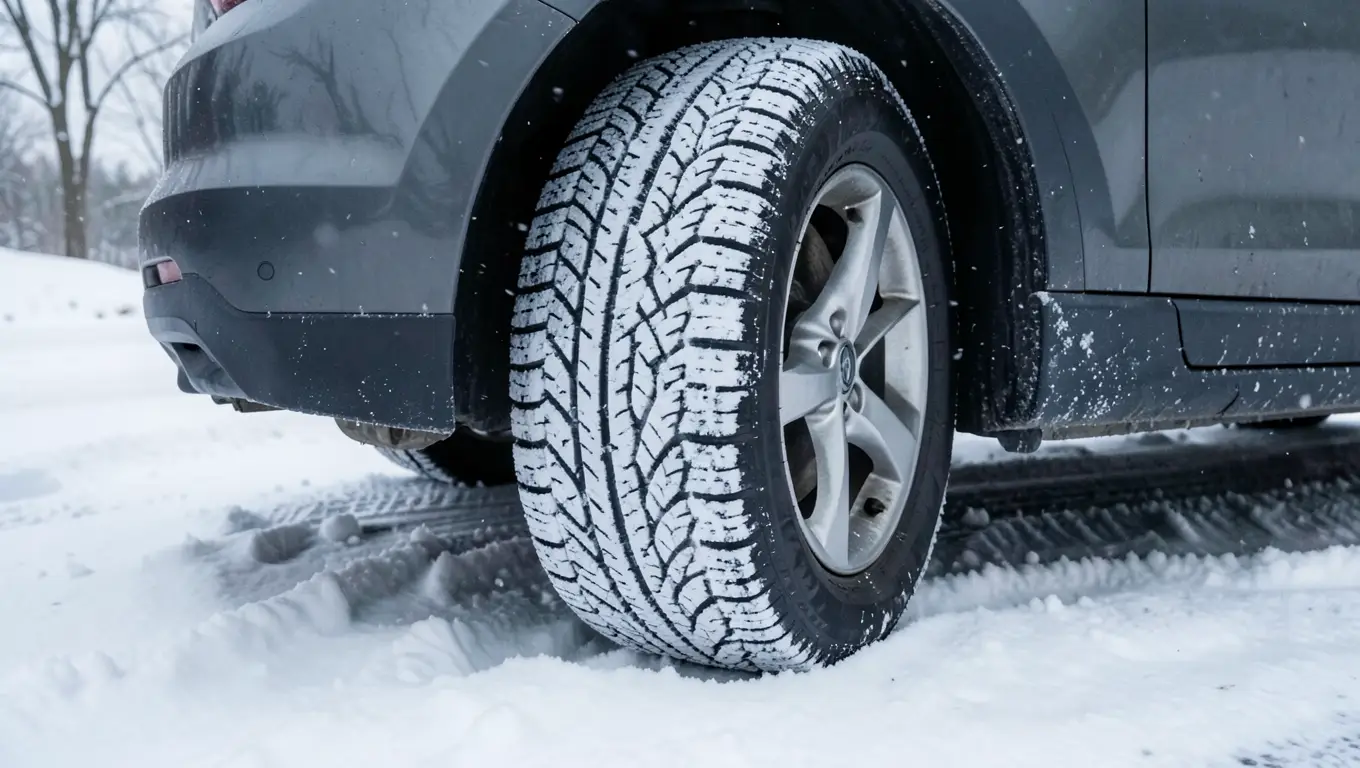
Winter tires solve this with a silica-heavy rubber compound engineered to stay pliable well below freezing, paired with a tread pattern cut with hundreds of thin slits called sipes. Those sipes open up under load to bite into snow and squeegee water off ice, then close again as the tire rolls, which is why a winter tire keeps working through slush, packed snow, and the freeze-thaw cycle that turns a parking lot into a skating rink overnight.
Top-Rated Studless Winter Tire
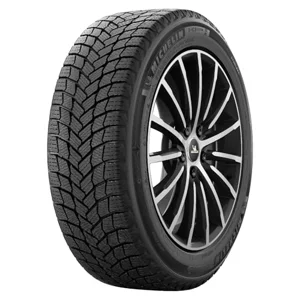 |
Michelin X-Ice Snow 195/65R15 – $132.84 A silica-based studless winter tire built with the soft, siped compound this guide describes, so it keeps flexing and biting into ice well below 45°F without the noise or road-surface restrictions of studded tires.
|
How to Tell a Real Winter Tire From an All-Season Tire
Look at the tire’s sidewall for a small icon of a three-peaked mountain with a snowflake inside it. This is the 3-Peak Mountain Snowflake (3PMSF) symbol, and it is the industry test standard, not a marketing badge. To earn it, a tire has to stop at least 10% faster than a reference all-season tire on packed snow, verified by an independent lab. An all-season tire that simply says “all-weather” or shows a plain snowflake without the mountain outline has not passed this test and should not be treated as a real winter tire.
The symbol matters beyond marketing, too: several US mountain states enforce chain or traction-tire laws during storms, and Quebec, Canada legally requires vehicles to run 3PMSF-rated or dedicated winter tires from December 1 through March 15 each year. Checking for the symbol before you buy is the fastest way to avoid a tire that looks winter-ready on the box but is really just an all-season tire with an aggressive tread pattern.
Studded vs. Studless Winter Tires
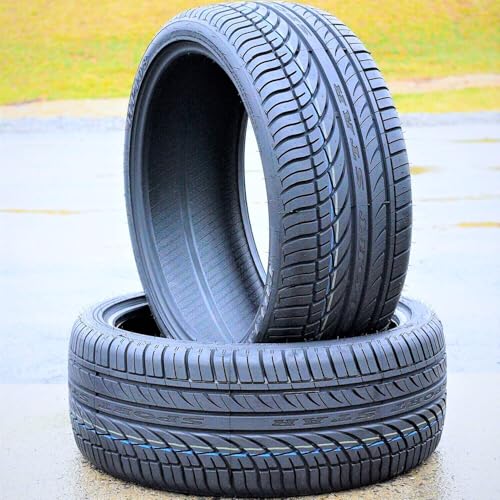
Studless winter tires, sometimes called Nordic tires, rely entirely on their rubber compound and sipe pattern for grip. They perform well on snow, slush, and moderate ice, ride quietly, and are legal on every paved road in the country year-round. A tire like the Nexen Winguard Winspike shown below is a studdable design, meaning small metal studs can be pressed into pre-molded pockets in the tread for extra bite on solid ice.
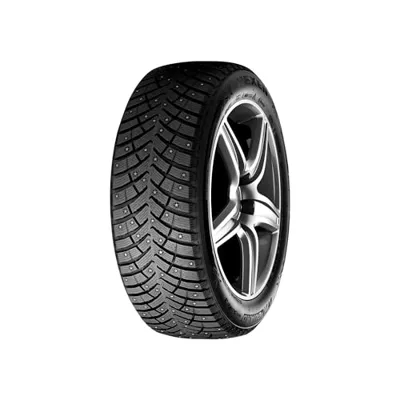
Studded tires out-grip studless tires on pure glare ice, but that advantage comes with real trade-offs: they are louder on dry pavement, wear road surfaces faster, and a large number of US states restrict or fully ban them, or only permit them during a fixed seasonal window. Because those rules change and vary by state, check your state Department of Transportation site before buying studded tires rather than assuming they are legal where you live.
Winter Tire Types Compared
| Tire Type | Best For | Ride Noise | Typical Price (per tire) |
|---|---|---|---|
| All-season tire | Mild climates, occasional light snow | Low | $80–$180 |
| Studless winter tire | Regular snow and ice, daily driving | Low–Moderate | $100–$220 |
| Studdable/studded winter tire | Frequent glare ice, rural mountain roads | Higher on dry pavement | $90–$200 |
How to Choose the Right Size and Type for Your Car
- Match your original tire size. Check the driver-side door jamb sticker or your owner’s manual for the size code, such as 195/65R15. Going smaller or larger than the manufacturer’s spec can affect the speedometer, ABS, and stability control calibration.
- Buy a full set of four, not two. Mixing winter tires on one axle with all-seasons on the other creates uneven grip between the front and rear of the car, which can make the vehicle spin unpredictably during hard braking or cornering — a documented handling risk that tire makers and safety groups both warn against.
- Consider your typical conditions. Mostly slush and light snow on plowed roads favors a studless tire. Regular driving on unplowed rural roads or glare ice favors a studdable tire, where legal.
- Check load rating and speed rating. These letters and numbers after the tire size (like 91T) need to meet or exceed your vehicle’s minimum requirements, listed in the same door-jamb sticker.
When to Put Winter Tires On (and Take Them Off)
The 45°F (7°C) rule is the simplest guide: once your area’s average daily temperature drops consistently below that mark, all-season rubber starts to stiffen and lose grip, even on dry pavement, so it is time to switch. In most of the northern and mountain United States that means late October through early November. Reverse the swap in spring once temperatures reliably climb back above 45°F, because winter tires wear noticeably faster than all-seasons once the weather warms — their softer compound that grips ice so well also grinds away faster on warm asphalt.
How to Know When to Replace Winter Tires
Winter tires lose their edge well before they hit the legal wear limit. Most tire makers and independent testers recommend replacing a winter tire once tread depth reaches 6/32 inch (about 4.8mm), even though the tire is still legal to drive on down to the federal minimum of 2/32 inch (1.6mm). Below 6/32 inch, the tread grooves are too shallow to pack and release snow effectively, so braking distance on snow and ice climbs quickly even though the tire still looks like it has plenty of rubber left.
| Tread Depth | What It Means | What to Do |
|---|---|---|
| 10/32” (new) | Full winter traction performance | No action needed |
| 6/32” (~4.8mm) | Winter grip starts dropping off noticeably | Start shopping for a replacement set |
| 4/32” (~3.2mm) | Traction on snow and ice significantly reduced | Replace before winter driving season |
| 2/32” (1.6mm) | Federal legal minimum for any tire | Illegal to drive on; replace immediately |
A quick way to check between measurements: insert a quarter into the tread groove with Washington’s head pointing down. If the top of his head disappears into the tread, you still have more than 4/32 inch left. If it is fully visible, the tire is due for replacement.
Winter Tire Care Tips
- Check tire pressure monthly. Air pressure drops roughly 1 PSI for every 10°F the temperature falls, so a tire that was properly inflated in October can be noticeably low by January.
- Store off-season tires indoors. Stack them in a cool, dry space out of direct sunlight, or stand them upright, to prevent flat-spotting and UV cracking.
- Rotate every 5,000–8,000 miles. This spreads wear evenly across the set so all four tires reach the replacement point at roughly the same time.
- Do not run winter tires year-round. Beyond the faster wear, their softer compound can actually increase braking distance on warm, dry pavement compared to an all-season tire.
Frequently Asked Questions
What Are the Best Car Tires for Winter Driving?
Look for a tire carrying the 3-Peak Mountain Snowflake symbol first — that is the certification that actually confirms winter performance. Among studless options, the Michelin X-Ice Snow and Bridgestone Blizzak WS90 are consistently well-rated for ice and snow braking. If you regularly face glare ice on rural or mountain roads, a studdable tire like the Nexen Winguard Winspike is worth considering where studded tires are legal in your state.
Do Winter Tires Really Make a Difference?
Yes. Because their rubber stays soft below about 45°F, winter tires deliver meaningfully shorter stopping distances and better cornering grip on snow and ice than all-season tires, which stiffen up in the same conditions. The difference is most dramatic in exactly the moments that matter most: emergency braking on packed snow or black ice.
Can I Use Winter Tires Year-Round?
It is not recommended. Winter tire rubber is too soft for warm weather, which wears the tread down quickly and can actually reduce grip and increase stopping distance on hot, dry pavement compared to an all-season tire. Swap them out once temperatures reliably climb above 45°F in spring.
How Do I Know When to Replace My Winter Tires?
Replace winter tires once tread depth reaches about 6/32 inch (4.8mm), even though the legal minimum is 2/32 inch (1.6mm). Below 6/32 inch, the tread can no longer pack and release snow efficiently, so braking performance drops well before the tire becomes illegal to drive on. Most winter tires reach this point after roughly 3-4 seasons of regular use.
Are Studded Tires Legal in My State?
It depends on where you live. Many states allow studded tires only during a fixed seasonal window, some restrict them by road type, and a number of states ban them outright because they wear down pavement. Rules change from season to season, so check your state Department of Transportation website before buying studded tires rather than assuming they are permitted.
Do I Need Winter Tires if My Car Has All-Wheel Drive?
Yes. All-wheel drive (AWD) helps a vehicle accelerate from a stop, but it does nothing to improve braking or cornering grip, which depend entirely on the tires. An AWD car on all-season tires can still slide through a stop sign or a curve on ice, while a front-wheel-drive car on real winter tires will generally stop and turn more predictably.
Conclusion
Winter tires are not a luxury upgrade — they are a rubber compound and tread design built specifically to keep working once temperatures fall and roads turn to snow, slush, or ice. Look for the 3-Peak Mountain Snowflake symbol to confirm you are buying a real winter tire and not just an aggressive-looking all-season, choose studded or studless based on how much glare ice you actually face and whether studs are legal where you live, and replace the set once tread depth reaches 6/32 inch rather than waiting for the legal minimum. A properly chosen and maintained set of winter tires is one of the most direct ways to shorten your stopping distance the next time the roads turn slick — see our guide on preventing your car from sliding on ice this winter for what to do once you are already on the road.
Products related to this article
Sponsored / affiliate links. As an Amazon Associate I earn from qualifying purchases. I may earn additional commission from eligible campaigns.