TPMS Sensor Cost / Price / How Much
A TPMS sensor replacement is commonly reported to cost about $75 to $200 per wheel at an independent tire shop and about $150 to $300 at a dealer, while DIY parts often run about $25 to $80 each before tools and programming. Ignore a dead sensor and you can lose low-pressure warnings, fail an inspection in some states, and drive on underinflated tires. This guide breaks down parts, labor, relearn fees, valve-stem extras, and the cheapest way to get the job done.
TPMS sensor cost by the numbers
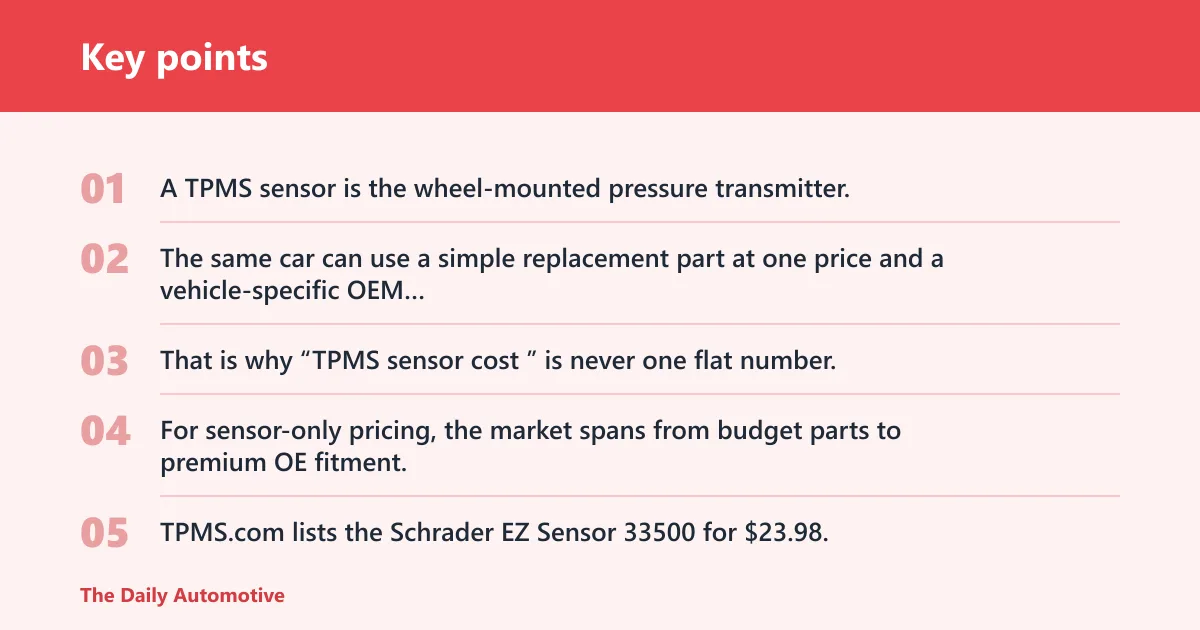

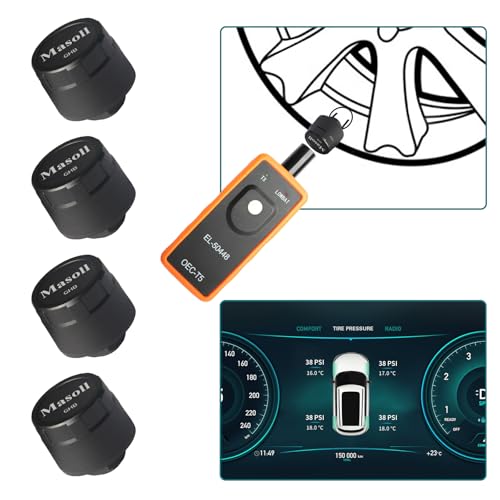
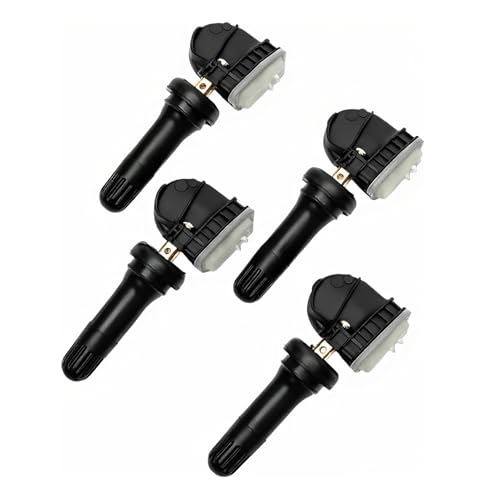
A TPMS sensor is the wheel-mounted pressure transmitter, and its price depends on fitment, frequency, and whether it is OEM, OE-equivalent, or programmable. The same car can use a simple replacement part at one price and a vehicle-specific OEM sensor at another. That is why “TPMS sensor cost” is never one flat number.
Typical sensor-only price ranges
For sensor-only pricing, the market spans from budget parts to premium OE fitment. TPMS.com lists the Schrader EZ Sensor 33500 for $23.98, and the Schrader EZ Sensor 33500B 12-pack at $219.98. TPMS Direct lists many OEM TPMS sensors at $24.98 retail price, while a Huf IntelliSens Audi S8 sensor is listed at $69.98 retail price. Walmart also lists an OEM TPMS sensor set for a 2018-2019 Chevy Equinox at $32.89 and a MOCA TPMS sensor pack at $27.09.
OEM versus OE-equivalent pricing
OEM TPMS sensors usually sit at the top of the price stack because they are built for a specific vehicle application. OE-equivalent and aftermarket programmable sensors are often cheaper, and one programmable part can cover multiple vehicles when programmed correctly. TPMS.com says its TPMS parts are “OEM or OE equivalent” from the original manufacturer, and it also says sensors can be “standard and reprogrammable.”
Why frequency and fitment change the price
Fitment matters because the sensor has to match the vehicle’s make, model, year, and radio frequency. The common U.S. and import frequencies are 315 MHz and 433 MHz, and the wrong one will not communicate with the car. Valve stem material also matters. Rubber and metal stem applications use different service parts, and that changes both the part list and the labor time.
TPMS sensors also vary by wheel application. Some are easier to access and replace than others, especially when the sensor is paired with a metal stem or mounted inside a wheel with more difficult access. That is one reason two vehicles with the same warning light can produce very different repair quotes.
What you actually pay to replace one
The out-the-door bill is more than the sensor alone. A complete replacement often includes the sensor, a TPMS service kit, labor, a relearn or programming step, and tax. On some jobs, the wheel must also be removed, broken down from the tire bead, and balanced again after the repair.
Parts, labor, relearn, and tax
A shop invoice can break down into several line items quickly. A sensor may cost under $25 in some applications, but labor can add another meaningful chunk, and relearn work can push the total higher if the vehicle needs a scan tool or OBD procedure. Taxes are small compared with labor, but they still move the final total.
Why service kits are often added
A TPMS service kit usually includes the valve stem grommet, washer, nut, and related accessories. Those parts are often replaced during sensor service because the seal can age out, especially after the tire has already been dismounted. The kit helps keep the stem sealed after install, and it is one of the most common hidden charges on a quote.
Common mistake: pricing only the sensor and ignoring the service kit. If the shop has to replace the stem seal, nut, and washer anyway, the job is no longer a pure parts swap.
Why one wheel can cost more than you expect
One sensor replacement can become a bigger bill when the wheel is hard to access, the stem is metal, or the shop needs to program a universal sensor before install. A tire shop with the right tool can move faster than a general repair bay, but a dealer may charge more for the scan and relearn step. The same warning light can therefore mean different bills depending on where the work is done.
Say your crossover uses a metal valve stem and a programmable sensor. The part may be inexpensive, but the shop still has to break the bead, install the service kit, program the sensor, and complete the relearn before the light clears. The labor can cost more than the sensor itself.
TPMS replacement cost calculator
This calculator shows how the bill changes by shop type. It uses common retail pricing from the sources above and realistic service-line estimates for labor, relearn, and tax. Actual totals depend on the vehicle, the shop’s labor rate, and whether the wheel setup takes extra time to service.
| Line item | DIY | Independent shop | Dealer |
|---|---|---|---|
| Sensor price | $23.98 to $69.98 | $24.98 to $69.98 | $24.98 to $69.98 |
| Service kit | $5 to $12 | $8 to $20 | $10 to $25 |
| Labor | $0 if you already have the tools | $40 to $120 | $90 to $180 |
| Relearn or programming | $0 to $40 for tools or time | $20 to $60 | $30 to $80 |
| Taxes and fees | Varies by state | Varies by state | Varies by state |
| Estimated total per wheel | $29 to $122 | $93 to $270 | $154 to $355 |
The DIY total stays low only if you already own the relearn tool or scan tool and can do the wheel work yourself. TPMS.com lists sensors that start at $23.98, Walmart lists a KINGBOLEN EL-50448 relearn tool at $9.59, and Walmart lists a Foxwell NT809TS scan tool at $389.00. Those tools can change the economics of a one-time repair fast.
Costs scale from one wheel to four when the vehicle is due for all new stems, the batteries are aging across the set, or the shop has to break down multiple tires anyway. For a full set, the parts stack multiplies quickly, but the labor per wheel can fall a little if the shop is already set up for the job. A cheap sensor can still become a large ticket once four service kits, four labor charges, and a relearn are added.
Do TPMS sensors need programming?
Many replacements need either a relearn or full programming, and some need both. A manual relearn can be enough on certain vehicles, while others need an OBD relearn or a programming tool to copy sensor IDs into the car’s system. If the new sensor is programmable, the shop’s scan tool time becomes part of the cost.
Relearn versus programming
A relearn teaches the vehicle to recognize the new sensor IDs. Programming writes or clones data into a universal sensor before or during installation. That distinction matters because a programmable sensor can save money on the part, but it can add labor if the shop must use a programming tool and verify the IDs afterward.
OBD relearn versus manual relearn
An OBD relearn uses a scan tool to register sensor IDs through the diagnostic port. A manual relearn often uses a button sequence, a drive cycle, or a pressure-change method described by the vehicle maker. The wrong step can leave the warning light on even after the new sensor is installed.
When a programming tool adds labor cost
Programming tools matter most when the shop installs universal sensors or needs to diagnose a stubborn warning light. A scan tool like the Foxwell NT809TS, listed at $389.00 on Walmart, is the kind of equipment that can support relearn and diagnostic work. Shops that own that gear may charge less than dealers for the same basic service, but the equipment cost still shows up in labor pricing.
Why shop prices vary so much
Shop pricing moves because not every wheel is easy to service and not every sensor comes out the same way. Valve stem material, wheel design, diagnostic time, and the shop’s tool setup all affect the final bill. That is why two quotes for the same dashboard light can be far apart.
Valve stem material and service kit choice
Rubber stem jobs are usually simpler than metal stem jobs, and the service kit choice changes with that hardware. Metal stems often need more careful handling and can cost more to reseal. If the old hardware is brittle or corroded, the service kit becomes more than a routine add-on.
Wheel type and sensor access
Some aftermarket wheels and low-profile tire setups make bead breaking and sensor access slower. Tight clearance around the valve area can increase labor time, and that often gets billed back to the customer. Wheel design therefore affects cost even before the sensor is installed.
Suppose a sedan needs one front sensor and has a standard rubber stem. Now compare that with a performance car that uses a metal stem and a low-profile tire. The sensor price may not change much, but labor and service parts usually do.
Balancing, diagnostics, and shop setup
Some shops include balancing after dismounting the tire, while others list it separately. Diagnostic time also varies when the light remains on after the install. If the shop has a dedicated TPMS tool on hand, the relearn is faster. If not, the time and labor rise.
One sensor or all four?
Replacing one failed sensor is often enough when the other three are healthy and the vehicle is newer. On older or higher-mileage cars, a full set can make more sense if the batteries are near the end of their service life or if the wheels are already being dismounted. The right call depends on labor overlap and the age of the remaining sensors.
When replacing one makes sense
If only one sensor has failed and the others are still reporting normally, one replacement is usually the least expensive choice. That is common when a sensor battery dies early or one wheel was damaged. A single replacement keeps the bill contained and avoids paying for parts that still work.
When a full set is the smarter spend
A full set can be the smarter spend when the vehicle is older, the tires are due for replacement, or the shop is already dismounting all four wheels. Paying labor twice is hard to justify if the other sensors are close to failure. The same logic applies when the quote for one sensor is already close to the price of a larger parts package.
Are TPMS sensors worth it?
Yes, in most cases they are worth the money because they keep pressure warnings active and help you catch a slow leak before the tire is badly underinflated. The value is highest when the car depends on the system for warnings and when the alternative is driving blind to a flat or near-flat tire. The question is usually not whether to replace a dead sensor, but how to do it at the lowest total cost.
Cost versus warning-light peace of mind
A working sensor can prevent guesswork when a tire loses air slowly. TPMS warning lights also help with fuel economy and tire life because underinflation is easier to spot early. TPMS.com says the warning light goes on when a tire is 25 percent or more low, which is late enough that the tire already needs attention.
OEM versus aftermarket value
OEM sensors are often the safer choice when you want exact fitment and the least guesswork. Aftermarket programmable sensors can be a better value when the vehicle is supported and the shop knows how to program them. TPMS.com says its parts are “OEM or OE equivalent,” which is the kind of description buyers look for when comparing price against fitment risk.
When a dealer price is justified
A dealer price can be justified when the vehicle has a finicky system, a high-end application, or a fitment issue that a generic part cannot solve quickly. That is especially true on vehicles where the sensor is not cheap to misfit. If the quote includes diagnosis, programming, and relearn, the extra money may buy less guesswork.
Frequently asked questions
How much to install TPMS sensors?
Installation usually adds $40 to $180 per wheel depending on the shop type, wheel access, and whether programming is required. Independent tire shops are often lower than dealers because they work on TPMS jobs more often and may already have the scan tool needed for the relearn.
How much to replace TPMS sensors?
DIY parts can be much cheaper, but the final bill still depends on the service kit, relearn step, and whether you need to buy or borrow tools.
What is the average cost to replace a TPMS sensor?
A practical average for many drivers is around $100 to $175 per wheel at an independent shop. That range usually reflects a sensor, a service kit, labor, and a relearn. Luxury models and dealer work can move the average higher fast.
How much does a TPMS sensor cost by itself?
Sensor-only pricing can start around $23.98 for a Schrader EZ Sensor 33500 and rise to $69.98 for a Huf IntelliSens Audi S8 sensor. The same source lists many OEM TPMS sensors at $24.98 retail price, which shows how much fitment and application can change the shelf price.
Does replacing TPMS sensors require programming or relearn?
Often yes. Many vehicles need a manual relearn or an OBD relearn after replacement, and programmable sensors may need to be programmed before install. If the IDs are not synced to the car, the light can stay on even though the new sensor is working.
Products related to this article
Sponsored / affiliate links. As an Amazon Associate I earn from qualifying purchases. I may earn additional commission from eligible campaigns.