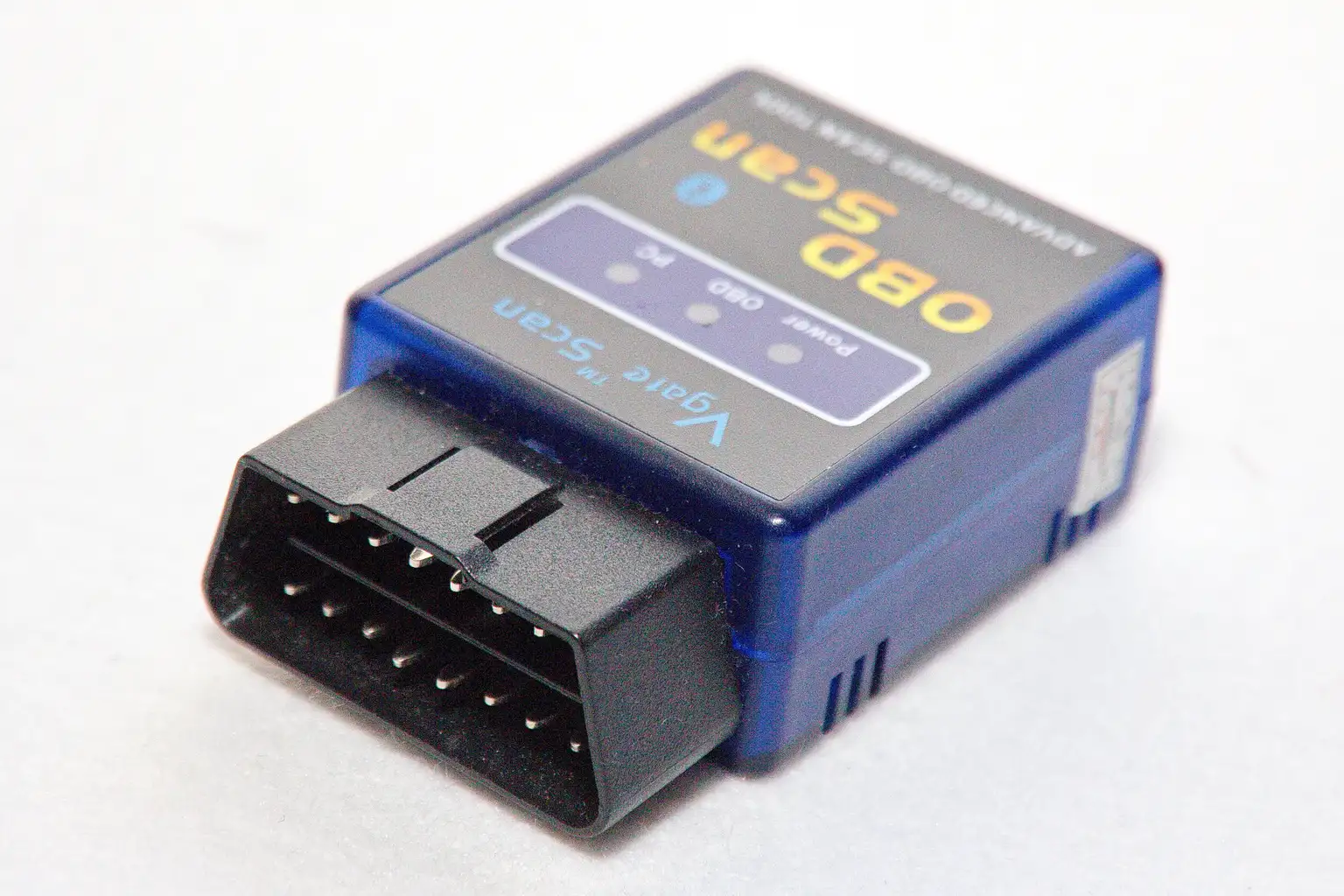
5 Best OBD2 Scanners for Beginners (2026): we compared
The best car engine diagnostic scanner for beginners is usually a basic OBD2 code reader with live data and code clearing; spend more only if you need ABS, airbag, or bidirectional tests. Buy the wrong one and you may miss the real fault, replace parts that were fine, and burn money fast. This guide matches scanner types to the exact diagnosis level a first-time DIYer actually needs.
This guide is part of our Car engine troubleshooting guide series.
Quick comparison
| Product | Badge | Best for | Price | ||
|---|---|---|---|---|---|
 |
FOXWELL NT301 OBD2 Scanner Live Data Professional MechanicFOXWELL | Also great | OBD2 scanner with live data graphing | $55.95
Price as of 30 Sep 2026
|
View |
 |
Autel Scanner MaxiCOM MK808Z-BT: Same As MK808BT Pro,Autel | Upgrade pick | Bidirectional scanner with 28+ services | $549.00
Price as of 30 Sep 2026
|
View |
 |
THINCAR Thinkdiag Mini Bluetooth OBD2 Scanner Diagnosticthinkcar | Our pick | Bluetooth scanner supporting all 1996+ vehicles | $64.95
Price as of 30 Sep 2026
|
View |
 |
Launch OBD2 Scanner CRP123X V3.0 Elite,7 Resets ScanLAUNCH | Also great | Scanner with 7 resets and lifetime updates | $209.00
Price as of 30 Sep 2026
|
View |
 |
ANCEL AD310 Classic Enhanced Universal OBD II Scanner CarANCEL | Budget pick | Compact OBD2 code reader and clearer | $23.99
Price as of 30 Sep 2026
|
View |
The easiest path is not the fanciest scanner. It is the one that fits how much diagnosis you want to do, how much phone setup you can tolerate, and whether you want a simple screen or app help that walks you through the next step.
For absolute beginners, handheld code readers are the simplest. Bluetooth tools make more sense when you want better interpretation, while bidirectional scanners are for owners who already know they will use extra functions beyond code reading.
According to — Car and Driver found the Ancel BD310 had an excellent user interface. (source)
How we chose
We compared setup friction, diagnosis depth, ownership cost, and how much the tool helps a beginner avoid guesswork. That matters more than a long feature list.
We also looked at whether each scanner reads codes quickly, shows live data PIDs, pulls freeze-frame data, and displays I/M monitors. Those four functions are the difference between clearing a light and doing useful diagnosis.
App quality, account setup, wireless range, and subscription rules matter too. A cheap scanner that is annoying to use can be more frustrating than a slightly pricier one that works the first time.
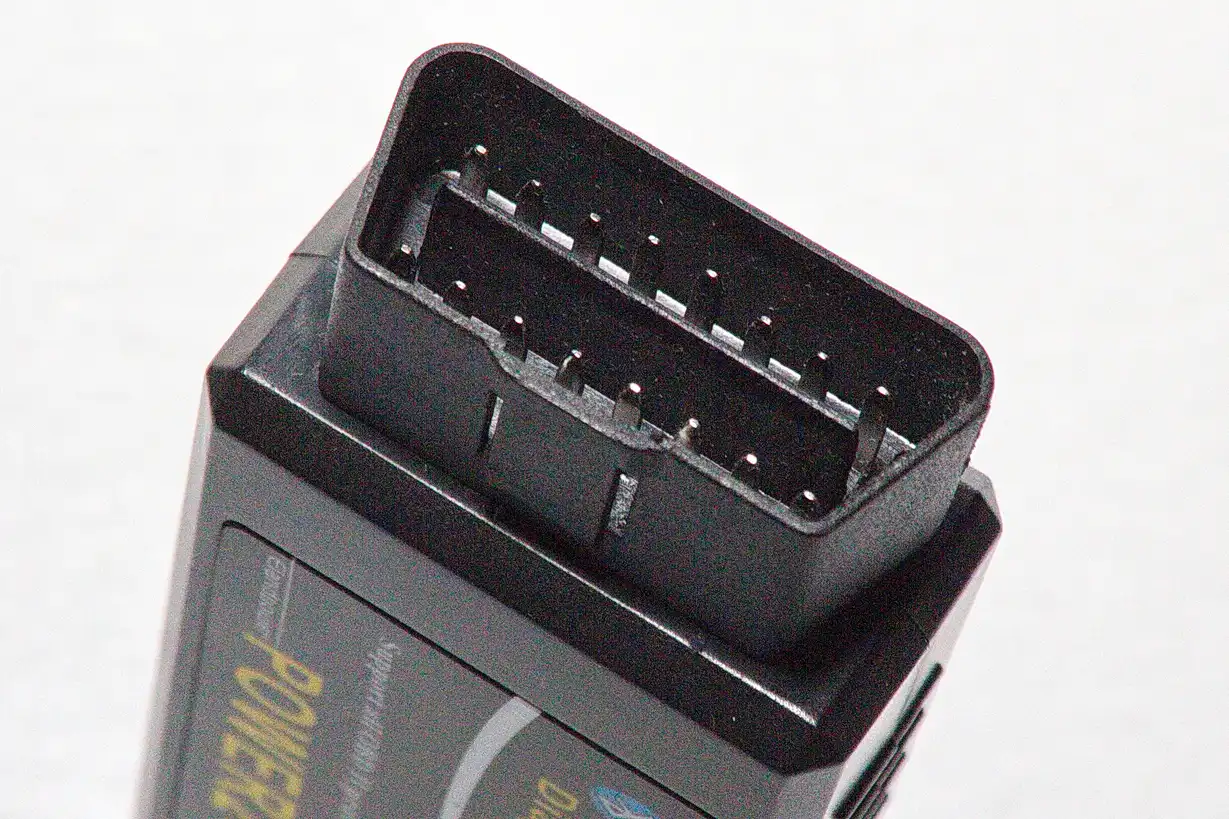
BlueDriver Pro Next Gen: best for guided Bluetooth diagnosis
BlueDriver Pro Next Gen is the best fit for a beginner who wants help reading the result, not just seeing a code number. It is a Bluetooth scanner, it does not need a subscription, and it requires account creation before use, so there is some setup before the first scan.
What stands out is the guided app approach. Based on the spec sheet and review data, it gives a cleaner path for someone who does not know where to start after a check-engine light comes on. It also showed 12 active live data PIDs and 11 I/M monitors in testing, which is enough for basic symptom checks and emissions-readiness checks.
The drawback is the same one that affects many Bluetooth tools: you need a compatible phone, you need to tolerate app steps, and there is more setup friction than with a simple handheld reader. If the goal is instant plug-in-and-read simplicity, this is more tool than necessary.
Ancel BD310: best middle ground
The Ancel BD310 is the best middle-ground pick for a beginner who wants both corded simplicity and Bluetooth convenience. It works with both corded and Bluetooth interfaces, and Car and Driver found the interface excellent, which matters a lot when you are new to scanning.
That mix makes it useful for a household that wants a quick dashboard-style scan one day and app-based diagnosis the next. It showed 18 active live data PIDs and 13 freeze-frame data PIDs in testing, which gives a beginner more room to compare symptoms against sensor behavior and the conditions that set the code.
The drawback is that the BD310 still asks you to choose how you want to use it, so it is not as friction-free as a plain handheld reader. If you want the simplest possible first scan with no phone at all, a basic code reader is still easier.
Motopower MP69033: best cheap handheld reader
The Motopower MP69033 is the right pick for a beginner who only wants to plug in, read the code, and move on. Car and Driver measured it at 18.6 seconds from plug-in to Bluetooth code display, and it was priced at $27 before discount in the test roundup, which puts it squarely in the budget end. (caranddriver.com)
This kind of handheld reader is fast because it uses a built-in screen and skips the phone-app dance. It is a simple way to check a check-engine light, confirm I/M monitor status, and read basic fault codes without extra ownership friction.
The drawback is the screen and interface. It has an old-school pixelated display, and while it offers graphing for certain live data PIDs, it is not the strongest choice if you want guided diagnosis or a polished workflow. It is a code reader first, not a teaching tool.
Autel MaxiCOM Mk808Z-BT: best for future growth
The Autel MaxiCOM Mk808Z-BT is for the beginner who already knows the hobby will grow into more than code reading. It is a bidirectional scanner and includes a free one-year subscription, which helps offset the higher entry cost at the start.
Bidirectional tools can send commands to vehicle systems, so they go far beyond what most first-time DIYers need. That is useful if you plan to do more advanced service work, but it is overkill if your only job is reading check-engine lights and clearing codes.
The drawback is obvious: cost, complexity, and extra capability you may never use. A touchscreen and broad function set sound attractive, but beginners who only want basic diagnosis usually pay for a lot of features they will not touch.
What should a beginner’s first scan look like?
A beginner’s first scan should start by plugging in the tool, confirming the battery is healthy enough for a stable session, and reading the stored codes before clearing anything. That keeps the original fault evidence intact and prevents a useful clue from disappearing.
The first scan should also check freeze-frame data and I/M monitors, then use live data to compare the complaint with sensor readings. That workflow is what separates real diagnosis from random part swapping.
First-scan checklist for the first 10 minutes
- Plug in the scanner with the ignition in the correct key position for the tool.
- Confirm the vehicle communicates and the battery voltage is not obviously weak.
- Read all stored trouble codes before pressing clear.
- Record freeze-frame data for each relevant code.
- Check I/M monitors if emissions readiness matters.
- Look at live data PIDs that match the symptom, such as fuel trim, coolant temperature, or O2 sensor behavior.
- Compare the data with what the car is actually doing at idle, cruise, or under load.
- Only clear codes after you have written everything down.
What should a beginner’s first scan look like?
The first scan should be a fact-finding pass, not a repair. Read the code, capture the freeze-frame, check monitor status, then use live data to see whether the symptom lines up with what the sensors are saying.
This matters for intermittent misfires, rough idle, and battery-related faults. A code alone tells you what the computer noticed; live data and freeze-frame show when and how it noticed it.
Which one should you buy?
Buy Bluetooth if you want app-guided help on a phone and do not mind setup. Buy a handheld reader if you want the simplest first scan and no phone dependency. Buy the midrange option if you want both modes in one tool.
Skip the bidirectional tool unless you already know you need extra controls. A lot of beginners do not. They only need fast code reading, freeze-frame data, I/M monitors, and enough live data to avoid guessing.
What is the best car engine diagnostic scanner for beginners?
The best beginner scanner is usually the one that matches your patience level, not the longest feature list. For most first-time DIYers, that means a basic OBD-II scanner with code reading, live data PIDs, freeze-frame data, and I/M monitors, with Bluetooth only if you want app guidance.
BlueDriver Pro Next Gen is the best choice for guided Bluetooth diagnosis. A handheld reader like the Motopower MP69033 is better if you want immediate results with almost no setup.
Best beginner picks by use case
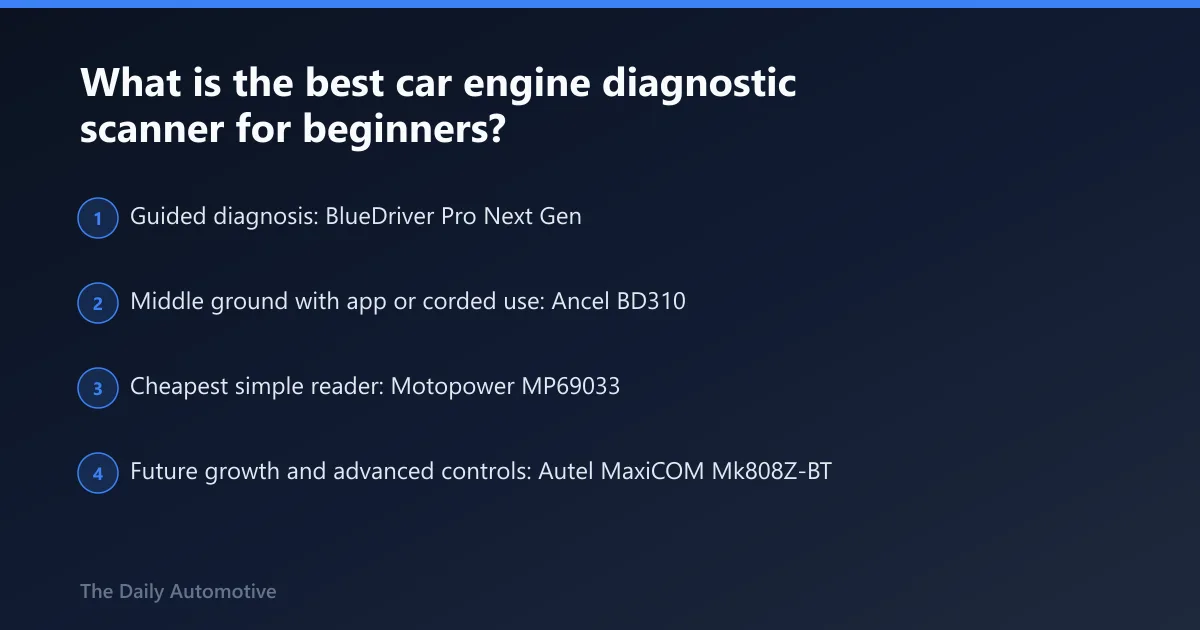
- Guided diagnosis: BlueDriver Pro Next Gen
- Middle ground with app or corded use: Ancel BD310
- Cheapest simple reader: Motopower MP69033
- Future growth and advanced controls: Autel MaxiCOM Mk808Z-BT
Do I need Bluetooth or a handheld OBD2 scanner?
Bluetooth is best if you want the phone to do the heavy lifting and you are comfortable with app setup, account creation, and phone compatibility checks. A handheld scanner is better if you want instant reading on a built-in screen with fewer moving parts.
For beginners, handheld usually feels simpler. Bluetooth usually feels smarter once you are comfortable with the app flow.
Will a cheap scanner read a check-engine light?
Yes. A cheap OBD-II scanner can read and clear check-engine codes, and that is enough for many beginner jobs. It can save time and money versus a shop visit, especially when the fault is simple and the code points in a useful direction.
The tradeoff is depth. Cheap readers often give you the code and maybe a little live data, but not the kind of guidance that helps with intermittent faults or confusing symptoms.
Can a beginner use live data and freeze-frame data?
Yes, and beginners should use both. Live data PIDs show what the engine sensors are doing right now, while freeze-frame data shows the snapshot captured when the code set. Together, they help separate a real fault from a momentary event.
That is especially useful for rough idle, misfires, and battery or charging complaints. If the numbers do not match the symptom, you have a useful clue before spending money on parts.
What features matter most in a starter OBD-II scanner?
For a starter scanner, the most useful features are fast code reading, clear live data, freeze-frame access, and I/M monitors. Those are the tools that help a beginner understand what the car is doing and whether it is ready for an emissions check.
App quality matters almost as much. A slick-looking scanner is frustrating if the connection is slow or the menus are confusing.
How much should I spend on a beginner car scanner?
Spend enough to match your diagnosis goal. If you only want to clear codes and check basic fault messages, a cheap handheld reader can be enough. If you want guided help and better interpretation, a midrange Bluetooth tool makes more sense.
Do not pay for bidirectional features unless you plan to use them. That higher spend is easy to justify on paper and hard to justify on a first car scanner.
Does a scanner need an app or subscription?
Not always. Handheld readers usually do not need an app, which keeps ownership simple. Bluetooth scanners usually need a compatible phone and app, and some require account creation before use. BlueDriver Pro Next Gen does not need a subscription, but it does require an account.
That ownership friction matters. A scanner that is slightly better on paper can be worse in real life if setup takes too long or the app is clumsy.
What does an OBD-II scanner actually tell you?
An OBD-II scanner tells you the trouble codes stored by the car, plus supporting data such as live data PIDs, freeze-frame data, and I/M monitor status. It works on most modern cars with OBD-II, and it is available as corded or Bluetooth.
That means it can point you toward a cause, but it does not guarantee the exact failed part. Clearing a code is not the same as diagnosing why it set.
Are wireless Bluetooth scanners easy to use?
They can be, but only if your phone is compatible and you are comfortable with pairing, app setup, and sometimes account creation. Some Bluetooth scanners also have wireless range limits, so the tool may be convenient only when the device stays close to the car.
For beginners, Bluetooth is easiest when the app is well designed. If the app is clunky, a simple handheld reader may feel easier every time.
Which scanner is best if I only want to clear codes?
If your only goal is to clear codes and read the basic fault, a cheap handheld code reader is the best fit. It is fast, simple, and usually cheaper than Bluetooth models because it skips app setup and phone compatibility issues.
The Motopower MP69033 is a good example of that use case. The ANCEL AD310 is another basic code reader option, but the main point is the same: if you only want code clearing, do not pay for a deeper tool.
Frequently asked questions
What is the best car engine diagnostic scanner for beginners?
The best beginner scanner is usually a basic OBD-II code reader with live data and code clearing, unless you specifically want app help. BlueDriver Pro Next Gen is the best pick for guided Bluetooth diagnosis, while a handheld reader is better for the simplest first scan.
Do I need Bluetooth or a handheld OBD2 scanner?
Choose Bluetooth if you want app-based guidance and you do not mind pairing, account setup, and phone compatibility checks. Choose a handheld scanner if you want the quickest plug-in result on a built-in screen with less setup friction.
Will a cheap scanner read a check-engine light?
Yes. A cheap OBD-II scanner can read and clear check-engine codes, and that is enough for many beginner-level jobs. What you lose at the lower end is mainly app-guided diagnosis, deeper live data, and better help interpreting odd symptoms.
Can a beginner use live data and freeze-frame data?
Yes. Beginners can use live data PIDs to compare sensor behavior with the symptom, and freeze-frame data to see the conditions when the code set. That is often the fastest way to avoid clearing the light and guessing blindly.
What features matter most in a starter OBD-II scanner?
Start with fast code reading, live data, freeze-frame data, and I/M monitors. Those are the features that help with check-engine lights, emissions readiness, and basic troubleshooting. App quality and setup speed matter almost as much as the raw feature list.
Does a scanner need an app or subscription?
Not always. Handheld readers usually work on their own, while Bluetooth scanners usually need a phone app and sometimes account creation. BlueDriver Pro Next Gen does not need a subscription, but it does require account creation before use.
Products related to this article
Sponsored / affiliate links. As an Amazon Associate I earn from qualifying purchases. I may earn additional commission from eligible campaigns.