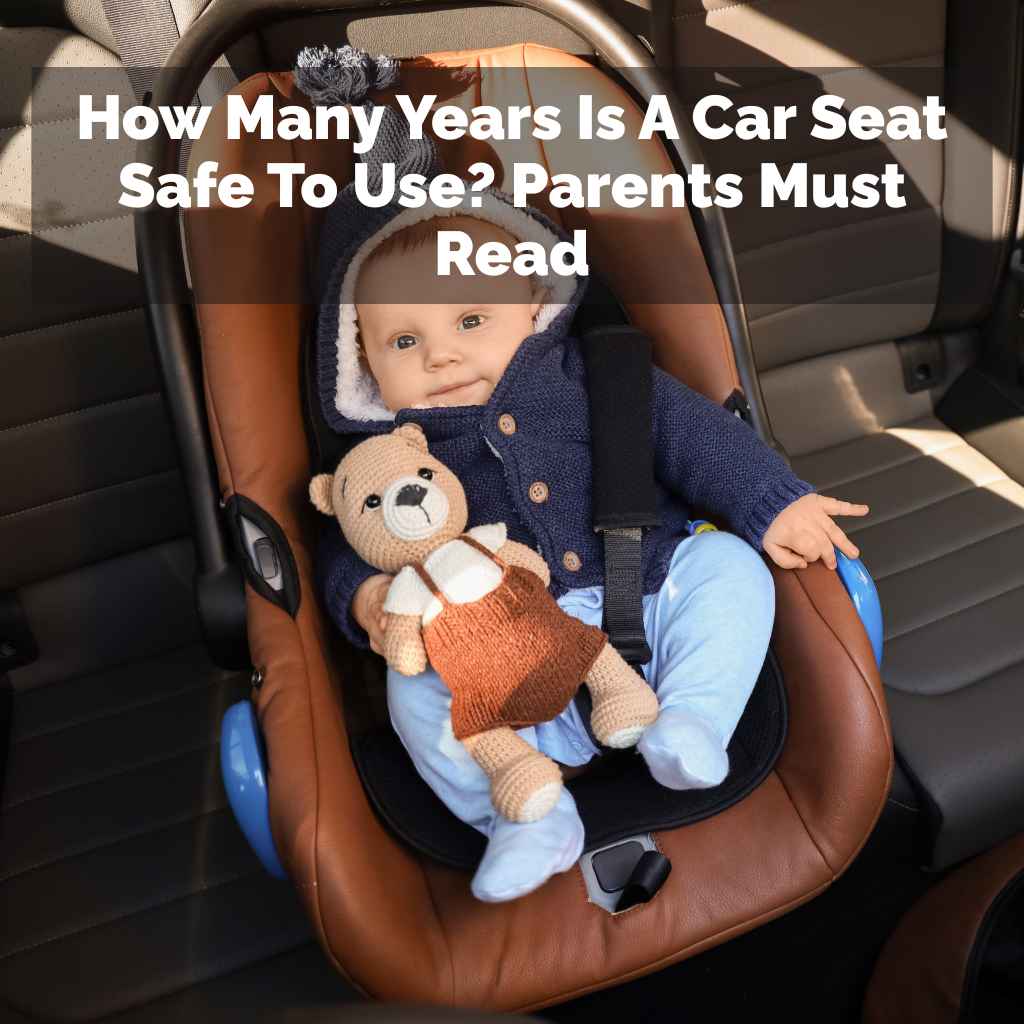
How Many Years Is A Car Seat Safe To Use? Parents Must Read
Car seats are lifesavers, plain and simple. They protect our most precious cargo during every car ride. But have you ever looked at your car seat and wondered, “How long is this actually good for?” It’s a question many parents have, and for good reason.
Keeping your child safe means using equipment that’s in tip-top shape. Sometimes, that means knowing when to say goodbye to an old, trusty car seat.
Car seats are generally safe to use for 6 to 10 years from the date of manufacture. This expiration date accounts for material degradation and outdated safety standards. Always check the manufacturer’s label for the specific expiration date. Never use a car seat that has been in a moderate to severe crash.
Understanding Car Seat Safety Lifespans
Car seats are not built to last forever. Think of them like milk in your fridge; they have a “best by” date. This isn’t just a suggestion.
It’s based on real science and safety concerns. The materials in car seats, like plastics and straps, can break down over time. This happens even if the seat looks perfectly fine.
Sunlight, heat, and cold can all affect the plastic. It can become brittle. The straps can weaken.
Even tiny cracks you can’t see might form. These changes can make the seat less effective in a crash. That’s why checking the expiration date is super important for child safety.
Most car seats expire about 6 to 10 years after they were made. Some might last a bit longer, and some a bit less. The date is usually printed on the seat itself.
You can often find it on a sticker on the back or bottom of the seat. It might say “Expiration Date” or “Date of Manufacture.” Always look for both if you can.
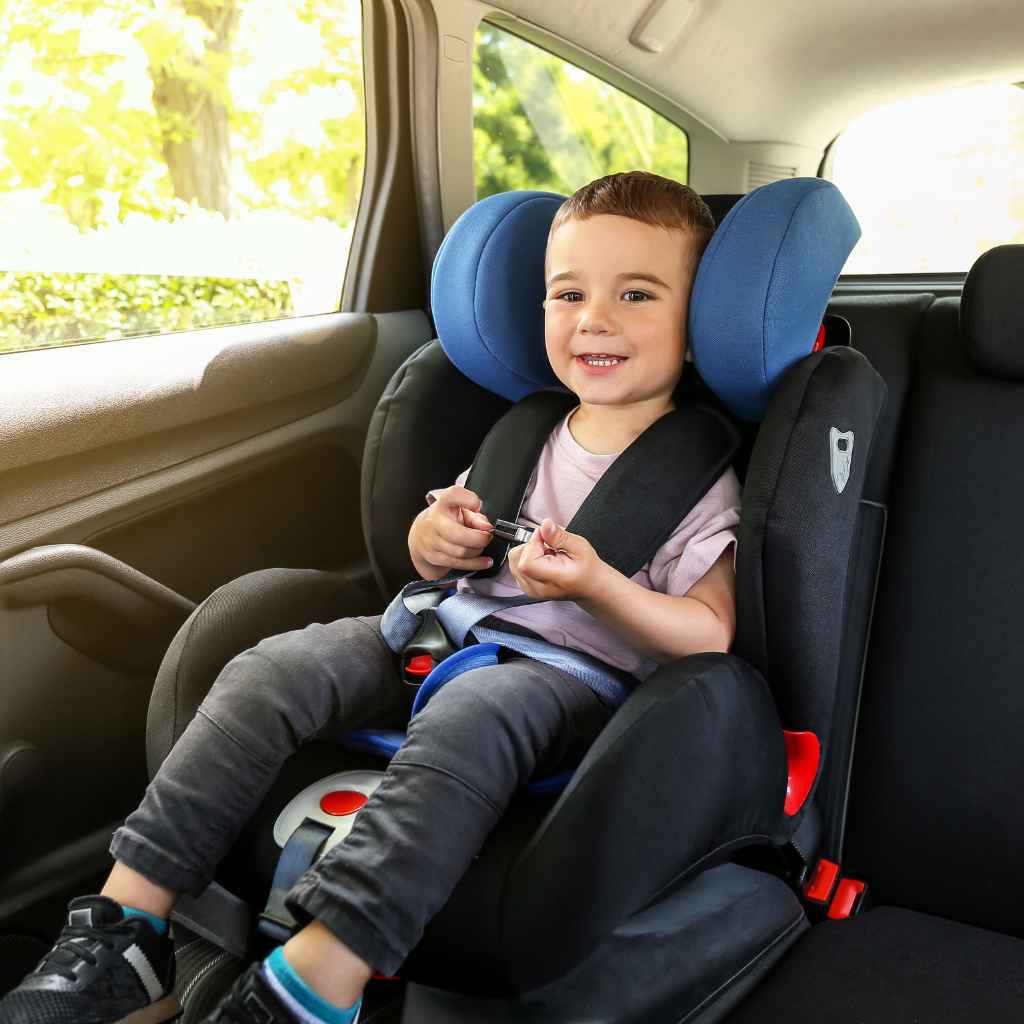
Why Do Car Seats Expire?
It’s easy to think that if a car seat looks good, it’s good to go. But there are several reasons why manufacturers put expiration dates on them. These reasons all boil down to keeping your child as safe as possible.
The biggest reason is material degradation. Plastics get weaker over time. They can become brittle and crack more easily.
This is especially true when they’re exposed to different temperatures. Think about a car in the hot summer sun or cold winter. The plastic in the car seat goes through a lot.
Straps and buckles can also wear out. The webbing on the harness can fray. The buckle mechanism can become stiff or break.
These parts are critical for holding your child securely. If they fail, the seat can’t do its job properly.
Another factor is changing safety standards. Car seat technology is always improving. What was considered the safest option 10 years ago might not meet today’s standards.
New regulations come out. New testing methods are developed. An older car seat might not protect as well in a crash compared to a newer model.
Plus, the way car seats are designed evolves. Think about the LATCH system (Lower Anchors and Tethers for Children). Newer seats are designed with these systems in mind.
Older seats might not be as compatible or as easy to install correctly with modern car features.
Finally, manufacturers simply can’t guarantee the safety of a seat past a certain point. They test their seats thoroughly. But they can only vouch for their performance for a set number of years.
After that, they can’t predict how the materials will hold up.
Car Seat Expiration: Key Factors
Material Wear: Plastics and fabrics weaken over time due to sun, heat, and cold.
Safety Updates: New safety standards and testing methods emerge, making older seats less protective.
Design Changes: Car seats are updated to work with newer car safety features.
Manufacturer Guarantee: Companies can only ensure safety for a limited number of years.
Where to Find the Expiration Date
Finding the expiration date on your car seat is crucial. It’s usually not hard to find once you know where to look. Most manufacturers place this information on a sticker.
This sticker is often found on the back or the bottom of the car seat shell. Sometimes, it might be molded directly into the plastic.
Look for phrases like:
- “Expiration Date”
- “Date of Manufacture” (DOM)
- “Mfg. Date”
If you find the date of manufacture, you’ll need to do a little math. Add the typical lifespan (6-10 years) to that date. For example, if the manufacture date is May 2018, the seat might expire around May 2024 to May 2028.
It’s always best to err on the side of caution and check the manufacturer’s specific guidelines if you’re unsure.
Some seats also have the expiration date printed on a small metal tag or a separate sticker near the harness adjuster. If you’re really struggling to find it, your car seat manual is your best friend. It should have a section explaining where to find this vital information.
If you can’t find the manual, a quick search on the manufacturer’s website with your car seat’s model number should help.
Tip: Take a picture of the date with your phone once you find it. This way, you have it handy and won’t forget. It’s easy to overlook when you’re busy with a little one.
Quick Date Check
Look For: Stickers on the back or bottom.
Keywords: “Expiration Date,” “Date of Manufacture.”
Action: Add 6-10 years to the manufacture date if needed.
Manual: Check your car seat manual for exact location.
The “Crash Factor”: When a Seat is Never Safe Again
Expiration dates are one thing, but a crash is a whole different story. Even if a car seat is well within its expiration date, it must be replaced after any moderate to severe car crash. This is a non-negotiable safety rule.
Why? Because crashes put immense forces on a car seat. These forces can cause damage that is not visible to the naked eye.
Tiny cracks can form in the plastic. The internal structure can be compromised. The webbing in the harness can stretch or weaken permanently.
Even a minor fender-bender might not warrant replacement, but it’s often better to be safe. Here’s a general guideline often followed by safety experts:
- Minor Crash: Usually, if you were able to drive the car away from the scene, the car seat is likely okay. But it’s still a good idea to check with the manufacturer or a certified Child Passenger Safety Technician (CPST).
- Moderate to Severe Crash: If there was significant damage to the vehicle, deployed airbags, or any injuries, the car seat MUST be replaced.
The problem is, you can’t see the damage. A seat that looks fine might have internal damage that makes it unsafe for future impacts. It’s not worth the risk.
Think of it like a helmet after a fall. Even if it looks okay, you wouldn’t use it again.
If your car seat has been in a crash, contact the car seat manufacturer. They can advise you on their specific policy. Some might offer a crash replacement discount.
But the primary goal is to ensure you have a safe seat for your child moving forward. Always prioritize your child’s safety over saving money in this situation.
Types of Car Seats and Their Lifespans
Car seats come in various types, and their general lifespan is usually consistent. However, it’s good to be aware of the different stages of car seats and how long they typically last.
Infant Car Seats (Rear-Facing Only): These are typically used from birth up to about 22-35 pounds. Their lifespan is usually around 6-7 years from the manufacture date. They tend to be replaced sooner as babies grow quickly.
Convertible Car Seats: These seats can be used rear-facing and then convert to forward-facing. They are designed to grow with your child for a longer period. Their lifespan is often 7-10 years from the manufacture date.
This makes them a popular choice for parents.
All-in-One Car Seats: Similar to convertibles, these seats can transition through multiple stages: rear-facing, forward-facing, and often to a booster seat. They are designed for maximum longevity. Their expiration dates are usually at the longer end, 8-10 years from manufacture.
Combination (Harness-to-Booster) Car Seats: These start as forward-facing harnessed seats and then convert to a high-back or backless booster. Their lifespan is typically 7-10 years from manufacture.
Booster Seats (High-back and Backless): These seats do not have a harness. They use the vehicle’s seat belt. Booster seats generally have a longer lifespan due to simpler construction.
Many can last 10 years or even longer. However, always check the manufacturer’s label as some may still have shorter expiration dates.
The key takeaway here is that most seats fall within the 6-10 year window. The specific type of seat doesn’t drastically change this general rule, but it can influence how long you use it before your child outgrows it by height or weight. Always refer to the manufacturer’s label for the definitive expiration date.
Car Seat Types at a Glance
Infant Seats
Rear-facing only. Shortest use period. Lifespan: ~6-7 years.
Convertible & All-in-One Seats
Adaptable for multiple stages. Longer use period. Lifespan: ~7-10 years.
Booster Seats
Use vehicle belt. Longest use period. Lifespan: ~8-10+ years (check label).
What Happens When a Car Seat Expires?
When a car seat expires, it means the manufacturer no longer guarantees its safety. Using an expired car seat puts your child at increased risk in a crash. It’s like using a worn-out tire; it just won’t perform as well when you need it most.
Expired car seats might have weakened plastic that can crack. The straps may have lost their strength. The buckle could be stiff or fail.
The foam padding might have compressed, reducing its ability to absorb impact. Even the color fading can indicate that UV rays have damaged the plastic.
There are no loopholes or exceptions. Safety organizations, including the National Highway Traffic Safety Administration (NHTSA), strongly advise against using expired car seats. Many states even have laws against it, or at least strongly recommend against it during inspections.
So, what should you do with an expired car seat? You need to dispose of it properly. Simply throwing it in the trash might not be enough.
Someone could potentially find it and use it, not realizing it’s expired or unsafe. This is a real concern.
To make sure it can’t be reused, you should disable it. Cut the harness straps. Break the plastic shell if you can.
Mark it clearly with a permanent marker: “DO NOT USE – EXPIRED.” Then, dispose of it in your regular trash. Some recycling centers or baby stores might offer car seat recycling programs, which is another great option.
The Importance of Installation and Fit
Even if you have a brand-new, unexpired car seat, it’s only effective if it’s installed correctly and fits your child properly. This is where many parents stumble.
Installation: A car seat can be installed using the vehicle’s seat belt or the LATCH system. Whichever method you use, it must be tight. It should not move more than one inch side-to-side or front-to-back at the belt path.
Many parents think their seat is tight enough, but it’s often not. A loose installation means the seat won’t protect as well in a crash.
Fit for Child: Your child also needs to fit correctly in the seat. For rear-facing seats, the harness straps should be at or below the child’s shoulders. The chest clip should be at armpit level.
For forward-facing seats, the straps should be at or above the child’s shoulders. The harness should be snug – you shouldn’t be able to pinch any slack in the webbing.
For booster seats, the vehicle’s seat belt is key. The lap belt should lie snugly across the upper thighs, not the stomach. The shoulder belt should lie snugly across the chest and shoulder, not crossing the neck or face.
If the seat belt doesn’t fit properly, your child still needs a booster.
I remember when my nephew was born. My sister was so proud of the fancy new car seat she bought. She installed it herself.
Later, a car seat technician checked it and found it was far too loose. She was horrified! It’s a common mistake because we don’t do it every day.
Getting it right makes all the difference.
This is why attending a car seat installation check is so valuable. Certified Child Passenger Safety Technicians (CPSTs) are trained to check installations and teach parents how to do it correctly. You can find a local technician through Safe Kids Worldwide or your local police or fire department.
Installation & Fit Checks
Tightness Test
Seat should not move more than 1 inch at the belt path.
Harness Height
Rear-facing: At or below shoulders. Forward-facing: At or above shoulders.
Chest Clip (Forward-Facing)
At armpit level.
Seat Belt Fit (Booster)
Lap belt low on thighs, shoulder belt across chest/shoulder.
Expert Help
Seek a Child Passenger Safety Technician (CPST) for checks.
When to Consider a New Car Seat (Beyond Expiration)
Besides the expiration date and crash history, there are other reasons to consider getting a new car seat. Sometimes, wear and tear become obvious, or the seat might not be suitable for your current needs.
Visible Damage: If you notice any cracks in the plastic, fraying or damage to the harness straps, or a malfunctioning buckle, it’s time for a new seat. Even small tears in the fabric covering can sometimes hide underlying damage to the foam or harness.
Missing Parts: Car seats have several small parts, like buckle tongues, harness pads, or inserts. If any of these are lost, especially if they are critical for safety (like the buckle), you may need to replace the seat. Manufacturers often sell replacement parts, but it’s crucial to ensure they are genuine and compatible.
Outgrown by Weight or Height: This is a primary reason for replacement, not because the seat is unsafe, but because it can no longer protect your child adequately. Every car seat has weight and height limits clearly marked. Once your child reaches the maximum limit, they need a larger or different type of seat.
Difficult to Clean: This might seem like a minor issue, but a seat that is impossible to clean after an “accident” can harbor bacteria and become unsanitary. While most covers are removable, some older models or specific designs might be problematic. This is less about safety and more about practicality and hygiene.
Incompatibility with Your Vehicle: Sometimes, a car seat might be expired or damaged, but other times, it just won’t install safely in your new car. Vehicle seat designs and LATCH anchor locations vary. If you struggle to get a secure installation with a particular seat in a particular vehicle, it might be time to switch.
Secondhand Seats: This is a big one. While it might be tempting to accept a hand-me-down car seat, proceed with extreme caution. You need to know its entire history.
Was it ever in a crash? Is it expired? Are all the parts present and working?
If you can’t answer these questions with 100% certainty, it’s safer to buy new. The risk of using a compromised secondhand seat is too high.
I once saw a beautiful, expensive car seat being given away. The person giving it away said it was barely used. But when I asked about its history, they got vague.
I immediately declined. I couldn’t risk it. Buying new is the surest way to know your child is protected by a seat with a known history and a full lifespan ahead.
Making the Decision to Replace
Replacing a car seat can feel like a significant expense. They aren’t cheap! However, it’s one of the most important purchases you’ll make for your child.
The peace of mind knowing they are protected in a properly functioning seat is priceless.
Think about it this way: the car seat is the primary safety device for your child in the car. It’s designed to absorb impact and keep them secure. If that device is compromised, even in a small way, it could have serious consequences.
When deciding to replace, consider these points:
- Cost vs. Safety: A new car seat is an investment in your child’s safety. Compare the cost of a new seat to the potential medical costs and emotional trauma if a crash were to occur with an unsafe seat.
- Used Market Risks: As mentioned, used car seats come with too many unknowns. While some people try to sell “lightly used” seats, you can never be sure of their full history.
- Promotions and Sales: Keep an eye out for sales events at baby stores or department stores. Many retailers have car seat trade-in events where you can get a discount on a new seat when you bring in an old one.
- Check Donation Centers: Some organizations might accept expired car seats for recycling or for specific training purposes, but never donate an expired seat for reuse.
It’s a difficult decision for parents, especially when budgets are tight. But when it comes to car seat safety, it’s always better to be safe than sorry. The 6-10 year expiration rule is there for a reason.
Respecting it ensures your child has the best possible protection on the road.
When to Replace Your Car Seat
Expiration Date Reached: Follow the 6-10 year rule.
After a Crash: Any moderate to severe impact requires replacement.
Visible Damage: Cracks, frayed straps, broken buckles.
Missing Parts: Crucial safety components are lost.
Child Outgrown Limits: Child exceeds weight or height limits.
Unknown History: Especially for secondhand seats.
Real-World Scenarios: What Parents Face
Let’s look at a few common situations parents find themselves in regarding car seat expiration. These are based on real experiences and common questions.
Scenario 1: The Hand-Me-Down Dilemma
Sarah’s sister is having a baby and offers her daughter’s old car seat. It looks clean and is from a well-known brand. Sarah asks, “Is it expired?” Her sister shrugs and says, “I don’t think so, we only used it for about 3 years.” Sarah knows she needs to find the manufacture date.
She finds it and does the math. It turns out the seat was manufactured 8 years ago. Even though it was used for only 3 years, it’s past its expiration date.
Sarah politely declines the seat, explaining the expiration rule. Her sister is a bit disappointed but understands the safety aspect.
Scenario 2: The Long-Haul Seat
Mark and Lisa bought an all-in-one car seat for their first child, Emily, 9 years ago. Emily is now out of that seat and in a booster. Their second child, Tom, is due soon.
They want to use the same car seat for him. They find the manufacture date: it was made 9 years ago. Even though it looks perfectly fine and has never been in a crash, it’s now expired.
They have to buy a new seat for Tom. It’s frustrating, but safety comes first.
Scenario 3: The “Minor” Fender Bender
David was in a low-speed collision. No airbags deployed, and no one was hurt. The car has minor bumper damage.
He wonders if he needs to
These scenarios highlight how important it is to be informed. It’s not just about the date; it’s about the seat’s entire history and condition. Always be proactive and check the details.
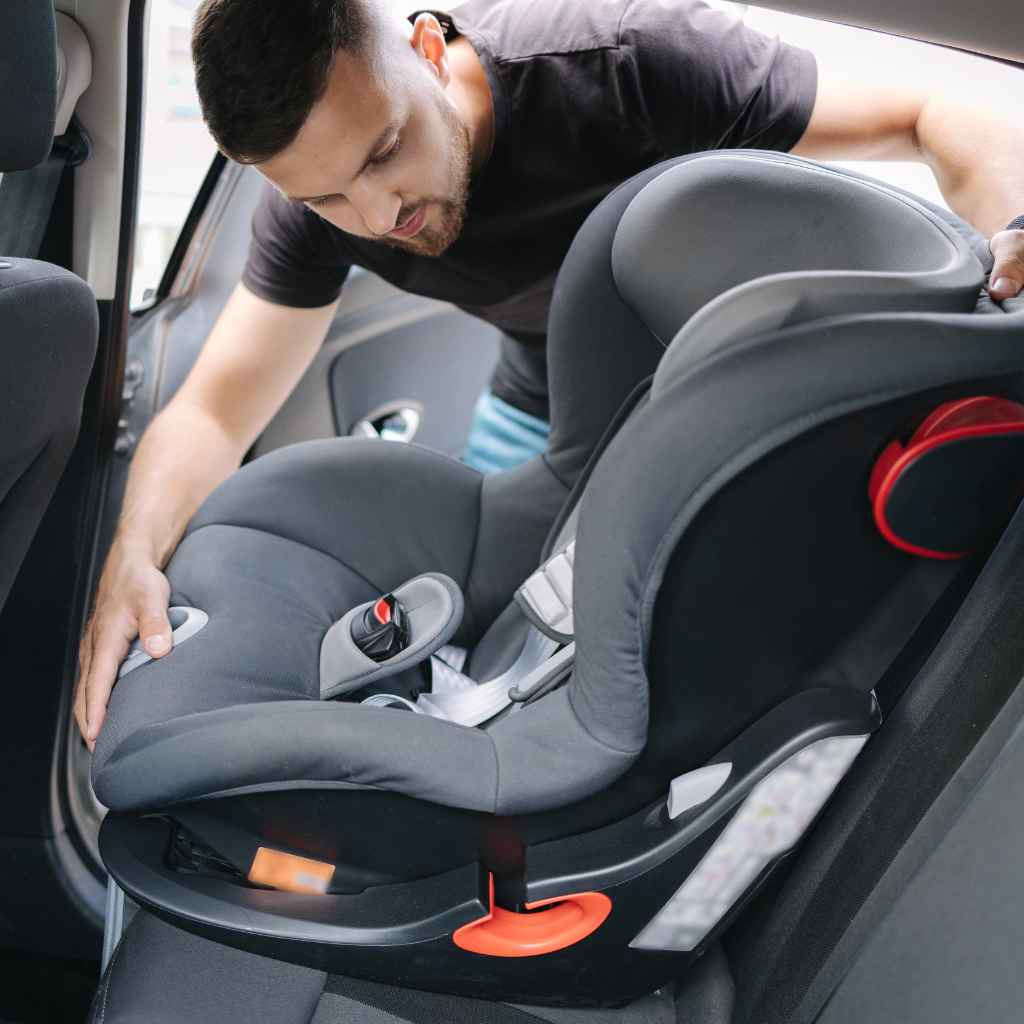
Frequently Asked Questions About Car Seat Safety
Frequently Asked Questions
How can I tell if my car seat is expired?
Look for a sticker on the back or bottom of the car seat shell. It will usually have a “Date of Manufacture” and/or an “Expiration Date.” If you only find the manufacture date, add 6 to 10 years to it, as this is the typical lifespan.
Can I use a car seat that was in a minor accident?
It’s strongly recommended not to. Even minor accidents can cause invisible damage to the car seat’s structure. If the accident involved any vehicle damage, deployed airbags, or injuries, the seat must be replaced.
Are expired car seats really that unsafe?
Yes, expired car seats are less safe. The plastic can become brittle, and the harness straps can weaken over time due to exposure to heat, cold, and UV rays. They may not perform as intended in a crash.
Where can I find a replacement car seat discount?
Many baby stores and retailers offer car seat trade-in events where you can get a discount on a new seat when you bring in an old or expired one. Check with major retailers like Target, Buy Buy Baby, or local baby supply stores.
What do I do with an expired car seat?
To prevent reuse, disable the seat by cutting the harness straps and breaking the plastic shell. Clearly mark it as “DO NOT USE – EXPIRED” with a permanent marker, then dispose of it in your regular trash or check for a local car seat recycling program.
Can I buy a used car seat?
It’s generally not recommended to buy or use a used car seat unless you know its complete history. You must be certain it has never been in a crash, is not expired, and has all its original parts. If there’s any doubt, buy new.
How often should I have my car seat checked?
It’s a good idea to have your car seat installation checked annually by a certified Child Passenger Safety Technician (CPST). If you’ve been in an accident or are unsure about the installation, get it checked immediately.
Final Thoughts on Car Seat Safety
Keeping your child safe in the car is a parent’s top priority. Understanding car seat expiration dates is a vital part of that commitment. These dates are not suggestions; they are safety guidelines based on material science and evolving safety standards.
Always check the expiration date and the seat’s history.
When in doubt, always opt for a new car seat. It’s a small price to pay for the immense peace of mind that comes with knowing your child is protected by the safest possible equipment. Stay informed, stay safe, and happy travels!
Products related to this article
Sponsored / affiliate links. As an Amazon Associate I earn from qualifying purchases. I may earn additional commission from eligible campaigns.