5 Best Tow Dolly Picks for Budget Towing (2026): research shows
For budget towing, buy these four essentials first: wheel straps, ratchet straps, safety chains, and a spare tire strap or spare wheel strap if your dolly needs one. Add lights, surge-brake parts, then tie-down helpers only if your car or route demands them. Skip the wrong order, and you can shred tires, bend fenders, or lose the car on the highway. This guide ranks tow dolly accessories by spend priority, checks fitment, and points out the cheapest safety upgrades that actually matter.
Quick comparison
| Product | Badge | Best for | Price | ||
|---|---|---|---|---|---|
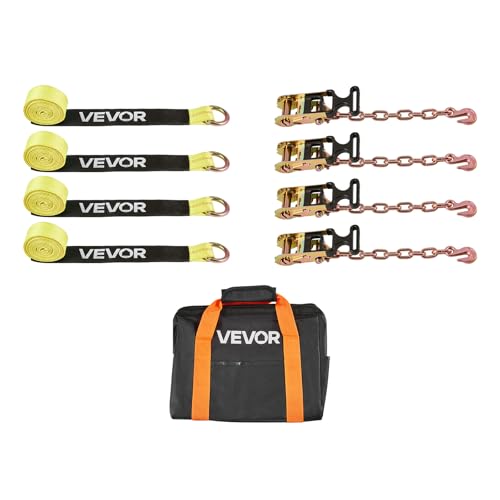 |
VEVOR Wheel Chock Tie-Down Kit, Tire-Style Tow Dolly Strap,VEVOR | Upgrade pick | Tire-friendly straps · 3333 lbs working load | $72.99
Price as of 27 Sep 2026
|
View |
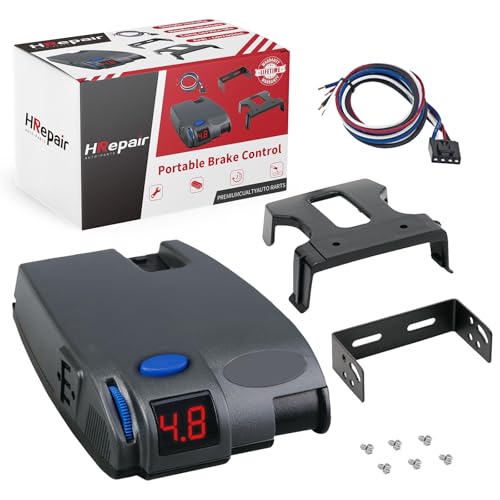 |
Replacement for Tekonsha 90160 Trailer Brake Controller 1-3HRepair | Pair with it | Digital brake controller for 1-3 axle trailers | $75.97
Price as of 27 Sep 2026
|
View |
 |
DEEAGLE 2 Inch Trailer Ball Hitch, Fits 2 in ReceiverDEEAGLE | Budget pick | 2-inch ball hitch · 7500 lbs capacity | $21.99
Price as of 27 Sep 2026
|
View |
 |
VEVOR Car Dolly Rack, Storage Rack with 360° RotatableVEVOR | Also great | 4-dolly storage rack · 360° rotatable wheels | $50.50
Price as of 27 Sep 2026
|
View |
 |
MaxxHaul 70107 53" x 19-1/2" Hitch Cargo Carrier – TrailerMAXXHAUL | Our pick | $61.99
Price as of 18 Oct 2026
|
View |
This quick comparison separates must-buy parts from optional add-ons before you spend on the wrong item. The best budget buy is usually the wheel strap kit, because it controls the load directly and exposes fit problems early.
How we chose
The ranking here follows four checks: fitment risk, safety value, replacement cost, and whether the part solves a problem that appears on real budget setups. A strap that fits badly is worse than no upgrade at all.
We also weighed what breaks first. Webbing, hooks, ratchets, and light connections fail more often than the dolly frame itself, so those pieces come before convenience items.
Finally, cost tier matters. A cheap part that prevents a roadside problem is a better first buy than a nicer storage accessory that only saves time in the garage.
Tow dolly wheel straps: best first buy for most setups
For most budget buyers, wheel straps are the first purchase because they do the main job: hold the towed vehicle down on the dolly. Demco-style setups place straps over the front wheels, feed them into ratchets attached to the dolly, and anchor them behind the wheels. That over-the-wheel layout is the core of safe towing.
The fit questions matter more than the marketing. Check wheel width, tire size, hook style, and whether the mounting points on your dolly line up with the strap ends. Replacement strap compatibility is not universal; a strap can be close and still be wrong if the hooks do not match the dolly hardware.
The weak point is usually slack, not the webbing itself. Straps loosen when the ratchet is corroded, the hook is seated wrong, the tire sidewall shifts after loading, or the strap angle changes on a narrow wheel pan. If the strap has to be cranked past a normal tension point to stay put, the fit is wrong.
Tow dolly safety chains: best backup protection
Safety chains are the backup retention on a dolly. They do not replace wheel straps, but they add a backup if a strap fails, a ratchet slips, or a hook comes off during loading or a hard bump.
Check pair count first. A proper setup generally uses two chains, one on each side, with attachment points that do not rub the tire or suspension. Working load matters, but the bigger mistake is buying chain that is too light or too short to reach the dolly points without a twist.
For budget buyers, chains belong in the must-buy-now tier if the dolly does not already include them. If your dolly already has chain points and the supplied chains look undersized or rusted, replace hardware instead of hoping age will not matter.
Wireless tow lights: best for legal visibility on a budget
Tow lights are a necessary visibility and signal accessory. If the towed car hides the tow vehicle’s tail lamps, the dolly needs its own rear lighting so other drivers can see braking, turns, and night presence.
Magnetic lights are the cheapest temporary answer when the vehicle or dolly is used occasionally. Wireless tow lights save setup time and reduce cable clutter, while wired kits are usually cheaper but can be slower to route and more annoying to store.
LED output matters most on wet roads, in rain spray, and when the dolly rides low behind a taller tow vehicle. Weak lights are a common budget failure because they work in the driveway and disappear in traffic. For any highway use, lights move from optional to necessary.
Tow dolly fitment checks: how to tell if your car will fit
Fit starts with the owner’s manual, not the dolly brochure. The car’s curb weight, drivetrain guidance, and towing restrictions decide whether the setup is allowed at all, and the manual can rule out flat-tow or dolly towing even when the hardware seems compatible.
Then check capacity and width. Demco lists the KarKaddy SS for front-wheel drive vehicles up to 4,800 lbs, with a 76-inch maximum vehicle tread width. Demco lists the KarKaddy X at 78-inch maximum vehicle tread width. Those figures matter because tread width and wheel pan fit determine whether the car seats correctly.
Low clearance is the next gate. Demco says the KarKaddy X is for low-profile vehicles and lowers the load angle by 4 degrees, while the KarKaddy SS folds to save space and uses a steerable axle. A lower load angle helps when the front bumper, splitter, or undertray sits close to the pavement.
If the car scrapes on the way up, the setup is wrong even if the weight fits. Loading clearance, tire stance, and pan depth all have to line up, or the car can climb crooked and shift during travel.
Budget towing priority matrix
This matrix turns the buying order into a simple checklist. It separates parts that control the load from parts that only improve convenience, and it flags the common failure mode for each item so buyers can spend in the right sequence.
| Accessory | Priority | Cost tier | Fitment checkpoint | Common failure mode |
|---|---|---|---|---|
| Wheel straps | Must buy now | Low to mid | Wheel width, hook style, mounting points behind the front wheels | Slack from wrong length, hook mismatch, worn webbing |
| Ratchet hardware | Must buy now | Low to mid | Buckle fit, strap winch match, corrosion resistance | Seized pawl, bent handle, ratchet slip under load |
| Safety chains | Must buy now | Low | Two attachment points, enough length, proper working load | Too short, rusted links, wrong attachment angle |
| Tow lights | Must buy now | Low to mid | Magnetic or temporary mount, visible LED output, plug type | Dim lamps, bad grounding on wired kits, dead wireless battery |
| Wheel pans / wheel trays | Buy if your setup needs it | Mid | Tire width, stance, pan depth, loading stability | Poor tire seating, sidewall rub, tire walks during travel |
| Low-profile dolly / lower load angle setup | Buy if your setup needs it | High | Splitter, bumper, undertray, approach angle | Front end scrape on ramps or deck entry |
| Storage rack or organizer | Skip for now | Low to mid | Only if you store several dollies or heavy parts together | Clutter, poor access, wasted cash before safety items are covered |
| Extra tie-down helpers | Skip for now | Low | Only if your route or vehicle shape creates special handling issues | Buying convenience before fixing strap fit or lighting |
What accessories do I need for a tow dolly?
At minimum, most budget setups need wheel straps, ratchet hardware, safety chains, and tow lights. Those parts secure the car, back up the main retention points, and make the rig visible enough for road use. Everything else is conditional on vehicle size, clearance, and travel distance.
Must-have versus situational parts
Wheel straps and lights are non-negotiable when towing on public roads. Chains are the backup, not the main restraint. Wheel pans, low-profile solutions, and storage accessories are helpful only when fitment or convenience needs them.
How do I know if my car will fit on a tow dolly?
A car fits a tow dolly when the weight, tread width, and loading angle all stay within the dolly’s limits and the owner’s manual allows dolly towing. If any one of those fails, the setup is not a fit, even if the tires appear to sit on the pans.
Three checks that catch most bad matches
Start with curb weight, then check tread width against the dolly’s stated limit, and finish with ground clearance at the front end. Low bumpers, long front overhang, and wide tires cause the most trouble when they meet a steep loading angle.
What is the best cheap tow dolly accessory to buy first?
The best cheap first buy is usually the wheel strap kit, because it controls the car directly and reveals fit issues before the tow starts. A strap that matches the wheel width, hook style, and ratchet mount is more valuable than a storage add-on or cosmetic upgrade.
Why straps beat convenience parts
Cheap convenience pieces do not stop the vehicle from moving. A solid strap set does. If the dolly already has serviceable straps, spend the next dollar on lighting or replacement hardware before buying organizers.
Which one should you buy first
For weekend towing on a tight budget, buy wheel straps first, then safety chains, then lights. That order covers the actual load, the backup retention path, and legal visibility without wasting money on storage or comfort items.
For RV travel and longer trips, move tow lights and ratchet hardware higher in the queue. Longer miles expose weak ratchets, frayed webbing, and loose connections faster than short in-town pulls.
For low-clearance cars and wider tires, spend on the dolly and pan fit before accessories. Demco’s KarKaddy X points to the right idea here: low-profile clearance and a lower load angle can matter more than a fancy strap upgrade.
When hardware shows rust, bent hooks, or worn pawls, replace it instead of reusing it. Corrosion resistance is not a luxury on a budget dolly. It is what keeps the cheap part from becoming the expensive failure.
Tow dolly wheel straps: best first buy for most setups
This VEVOR kit fits buyers who want a tire-friendly strap with a higher working load on a budget. Based on the spec sheet and owner feedback, the soft materials and rubber blocks should help reduce tire abrasion, and the hooks are aimed at axle-style mounting points.
The drawback is fit discipline. A strap kit with a strong working load still has to match the tire width, hook shape, and dolly mounting points. If the hooks or ratchet path do not line up, the load rating does not matter much.
Tow dolly safety chains: best backup protection
This category matters whenever the dolly does not already include usable backup chains or the supplied ones look tired. A proper pair gives a second retention path if the wheel straps slip, and that matters on rough roads and long RV runs.
The drawback is that chains are easy to buy wrong. Too light, too short, or poorly attached chains can tangle or ride at a bad angle. They should be treated as backup retention, not a substitute for correctly sized wheel straps.
Wireless tow lights: best for legal visibility on a budget
This is the right buy for buyers who do not want to run a permanent light harness every time. Wireless or temporary LED lights fit occasional towing, rentals, and mixed-use setups where quick installation matters more than a clean wired install.
The drawback is battery dependence and mount quality. Magnetic mounts can shift, and wireless units can fail when the battery is low or the signal path is poor. For long trips, a wired setup may be cheaper to live with even if it takes longer to install.
Tow dolly steering and transport setup: best for easier handling
Steerable axle and folding-frame designs help on tight lots, storage, and frequent loading. Demco says the KarKaddy SS has a steerable axle and folds to save space, while the KarKaddy X lowers the load angle by 4 degrees. Those traits matter more when the route includes low bumpers or a cramped storage spot.
The drawback is cost and complexity. More moving parts usually mean more things to inspect before a trip. For a simple weekend setup, a fixed frame can be cheaper and easier to keep in service.
Front-wheel-drive use is the common fit because the driven front end is what the dolly carries. That does not make every front-drive car a match, though. Tread width, pan clearance, and loading angle still decide the final answer.
Tow vehicle fitment: what to check before you buy anything
Fitment starts with the tow vehicle and the towed car together. The car has to stay within the dolly’s weight and width limits, and the tow vehicle must be able to control the combined load safely. The owner’s manual should be the first stop every time.
Check curb weight, tread width, and clearance before the purchase. Then check the dolly’s max vehicle weight capacity and whether the wheel trays or pans will seat the tires without sidewall pinch. If the car sits too wide or too low, the load angle and contact points become the failure mode.
How much weight can a tow dolly handle?
How much a tow dolly can handle depends on the dolly’s rated vehicle capacity, the width of the tires, and the vehicle’s loading geometry. Demco says the KarKaddy SS handles front-wheel drive vehicles up to 4,800 lbs, which gives a concrete example of how the limit should be read.
Weight rating is only one part of the answer
A car can be under the weight limit and still be wrong for the dolly if its tread width is too wide or its front end scrapes on loading. That is why capacity, width, and angle must all be checked together.
What causes tow dolly straps to fail or loosen?
Straps usually fail or loosen because the hardware does not match the dolly, the webbing is worn, the hook is not fully seated, or the ratchet corrodes and slips. Wheel movement after loading can also create slack if the tire settles into the pan differently on one side.
Fast checks before a trip
Inspect the ratchet teeth, the hook ends, and the mounting points behind the front wheels. If the strap edge is fuzzy, the ratchet feels gritty, or the strap sits at an angle that pulls it off-center, replace the part instead of tightening harder.
Can I tow a low-clearance car on a budget tow dolly?
Yes, but only if the dolly has enough loading clearance and the approach angle stays gentle. Low-clearance cars are where a basic dolly becomes a fitment problem, because front lips, splitters, and undertrays can drag before the tires settle into the pans.
What matters more than brand names
The useful checks are load angle, tire seating, and front-end clearance. Demco’s note that the KarKaddy X lowers the load angle by 4 degrees shows why low-profile vehicles need a different setup from taller sedans or crossovers.
How do I store tow dolly accessories when not in use?
Store straps dry, coiled loosely, and away from oil, sunlight, and sharp edges. Chains should be hung or boxed so they do not kink and scratch the ratchet hardware. Lights need a spot where the lens and magnets will not get battered by loose metal parts.
Simple storage order that prevents damage
- Clean mud and road grit off straps, chains, and mounts.
- Let wet parts dry fully before boxing them up.
- Separate ratchets from webbing so the teeth do not chew the strap.
- Keep lights and wiring in a padded bin or organizer.
- Inspect the parts before the next trip, not after loading the car.
For people storing multiple dollies or extra gear, a rack can help, but it belongs after the safety items are covered. A storage solution that keeps gear tidy is useful only when the gear itself is already correct for the dolly.
Frequently asked questions
Are tow dolly wheel straps universal?
No. Wheel straps vary by length, hook style, mounting point, and how they feed through the ratchet. A strap that looks close can still be wrong if the hooks do not fit the dolly or if the wheel width leaves the strap too short or too loose.
Do tow dollies need safety chains?
Yes, as a backup. Chains are not the main hold-down, but they provide secondary retention if a strap or hook fails. On a budget rig, that backup is worth far more than a storage accessory or a cosmetic upgrade.
Do I need lights on a tow dolly?
Yes, if the towed vehicle blocks the tow vehicle’s rear lamps or if the dolly itself needs rear signaling. Wireless or temporary LED lights are common budget choices. If the lights are dim, poorly mounted, or unreliable, they should be replaced before highway use.
Products related to this article
Sponsored / affiliate links. As an Amazon Associate I earn from qualifying purchases. I may earn additional commission from eligible campaigns.