Best Tow Lights for Car Haulers: Complete Buyer’s Guide
Best tow lights for car haulers are hardwired LED kits with sealed housings, 4-way or 7-way compatibility, and a magnetic backup set only for temporary use; match the plug type you already have and the weather the trailer sees, not the light with the biggest lumen claim. Bad lights mean no brake or turn signal coverage, wiring faults, roadside tickets, and trailer accidents that cost far more than the kit. This guide compares tow-light types by failure mode, legality, install difficulty, and real-world durability so you can pick the right kit for your hauler.
Best tow lights for car haulers
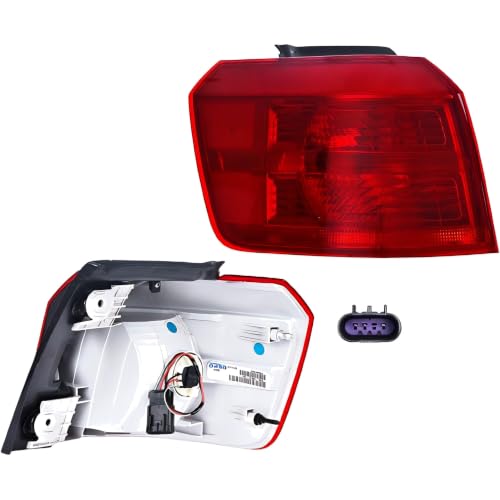
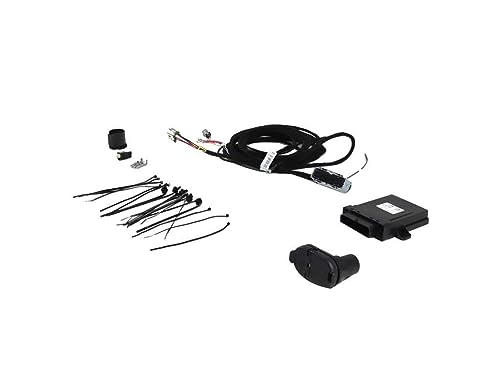

The top pick for frequent highway use is a hardwired LED kit with sealed housings and a direct trailer-plug connection. It stays put, shrugs off road spray better than loose magnetic kits, and gives the most reliable brake, turn, tail, and running light coverage for long pulls.
Top pick for frequent highway use
A hardwired LED setup is the safest default for a car hauler that sees rain, night driving, and long days on the road. Brightness alone does not save a bad setup. A tight ground, the correct connector match, and a housing that keeps water and grit out of the contacts matter more.
Best magnetic kit for quick swaps
Magnetic tow lights make sense when the trailer changes hands or tow vehicles often. They go on and off fast, but they depend on magnet hold, cord strain relief, and how well the base keeps paint safe from grit trapped under the pad.
Best hardwired choice for permanent setups
Hardwired trailer lighting is the right answer for a hauler that stays assigned to one tow vehicle or one connector standard. A plug-in harness is easier to service than a splice-heavy repair, and a solid ground cuts down on the classic dim-or-dead-light complaint.
Best wireless option for occasional towing
Wireless tow lights fit the occasional user who wants no trailer-side wiring. They are only a fit if battery runtime, pairing reliability, and latency are acceptable for local towing. For long highway runs, they still trail a wired kit in certainty and fault diagnosis.
Quick picks by use case
Choose the kit by how it fails, not by the box art. A short local tow can tolerate more setup friction and less refined mounting. A long haul cannot. Shared trailers and mixed connectors need a different answer again.
- Short local towing: magnetic LED kit with sealed lamps and a flat connector.
- Long highway trips: hardwired LED kit with a weather-sealed plug and a known good ground.
- Shared trailer between multiple tow vehicles: plug-in harness with adapter support for 4-flat, 5-flat, or 7-way RV.
- Old trailer with mixed connectors: repair the trailer-side wiring first, then add a matched adapter or conversion harness.
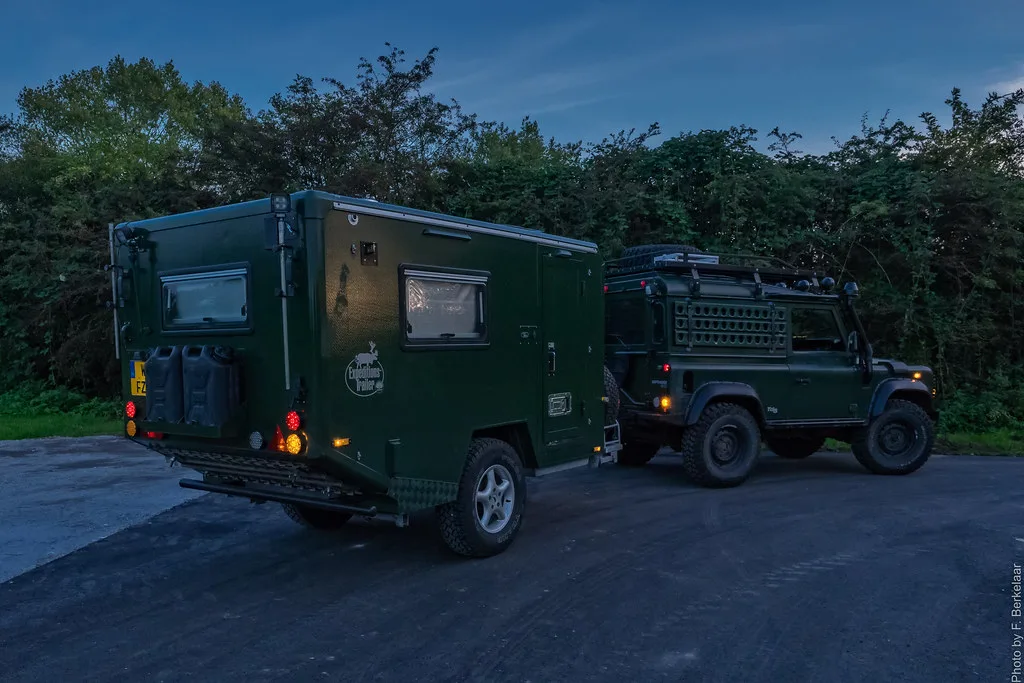
What makes a tow light kit worth buying?
A tow light kit for car haulers needs to do one job every time: brake, turn, tail, and running signals must be visible and stable. Many kits also include license and marker functions. The right kit clearly lists 12V compatibility, left/right lamp set, wire length, and connector type before anything else.
Functions you actually need on a car hauler
Car haulers commonly need stop, turn, tail, and running lights. License lighting may be required depending on the trailer and local rules. Side markers and reflectors often matter too, especially on wider or longer trailers that need better side visibility from angle traffic.
12V fitment, lamp set layout, wire length, and connector type
Many tow-light kits for road trailers are 12V. That part is easy. What causes headaches is mismatched connector format or wire that is too short to route cleanly across the hauler without tension. A kit should tell you whether it is 4-flat, 5-flat, or 7-way ready.
LED versus incandescent in real use
LED lighting is often a better fit for car haulers because it draws less power, lasts longer, and can handle cold weather well. Incandescent bulbs are easier to replace on the roadside and are often cheaper up front, but they run hotter and pull more current from an older trailer circuit.
Are magnetic tow lights legal for car haulers?
Magnetic tow lights can be legal for car haulers when they provide the required functions, stay visible, and meet local road rules. Legality is usually about performance and placement, not the magnet itself. If the lights shift, fail, or hide required markers, that is where problems start.
Where magnetic lights work well
Magnetic lights work best for short-term towing, loaner trailers, and users who need quick removal after a job. They fit jobs where the hauler has no permanent light system or the tow vehicle changes often. A good magnet can be fast and practical.
Where they fail at speed or in rain
At highway speed, weak magnet hold, dirty steel, curved panels, and vibration can let the lamp creep or peel away. Rain adds risk through cord drag and road spray. A magnet that looks fine in the driveway can still move once the trailer is loaded and rolling.
How to protect paint and keep them planted
Paint protection starts with a clean mounting surface and a pad that is free of trapped grit. A magnet base should sit flat, not rock on a ridge or seam. On painted panels, a thin protective layer can help, but it should not cut hold so much that the lamp starts sliding.
How the main mounting styles compare
Mounting style is a reliability choice. The right answer depends on road speed, trailer type, and how often the lights come on and off. A poor mount is often the real failure, even when the lamp itself is fine.
Magnet base
Magnet bases are the fastest option and the easiest to remove. They are also the most sensitive to vibration, dirt under the pad, and panel shape. Strong magnets help, but only if the surface is clean and the cord has enough slack to avoid tugging the lamp loose.
Suction mount
Suction mounts are better for smooth glass or very flat surfaces than for a rough car hauler shell. They are less common on heavy road use because cold, dust, and texture can break the seal. They suit temporary installs, not a trailer that sees all-weather miles.
Bolt-on bracket
Bolt-on brackets are often a secure choice for a permanent light system. They take longer to install, but they resist loss from vibration and road spray far better than temporary mounts. When the trailer is used often, this is usually the cleanest long-term setup.
Strap retention and anti-sway placement
Strap retention helps when the lamp housing needs extra security against bounce. Anti-sway placement matters too. Put the lamp where road slap, tailgate movement, or ramp vibration cannot shake the body loose. A stable mount is often worth more than a brighter bulb.
How do you wire tow lights to a trailer plug?
Wiring tow lights starts with matching the trailer plug to the tow vehicle, then verifying ground quality and pin function. For car haulers, 4-flat, 5-flat, and 7-way RV are commonly used connector standards. The wiring path should be short, sealed, and easy to inspect later.
4-flat, 5-flat, and 7-way RV basics
A 4-flat usually covers tail, left turn/stop, right turn/stop, and ground. A 5-flat adds an extra circuit that is often used for reverse or other trailer-specific functions. A 7-way RV connector carries more circuits and is often used on heavier trailers with brakes or auxiliary power needs.
Adapter needs and pin mapping
Adapters are fine when the pin functions match. They are not fine when they hide a wiring problem. If the trailer is wired one way and the vehicle another, confirm each pin before plugging in. Mis-mapped pins are a common reason one side works and the other does not.
Splice-in versus plug-in install
Plug-in installs are easier to service and usually less error-prone. Splice-in installs can work well if the joints are sealed, supported, and routed away from abrasion. The more the trailer lives outside, the more valuable weather sealing and strain relief become.
Ground quality and fault diagnosis
A bad ground causes dim lamps, flicker, or dead lights that appear and disappear with vibration. Start diagnosis there. Clean the frame contact, inspect the connector pins for corrosion, and check each lamp one at a time. The fault is often at the connection, not the bulb.
Car-hauler buyer checklist
Use this scorecard to judge the failure mode that usually kills a tow on the road. A kit that is bright but loose is a poor buy. A kit that is simple but sealed and stable often beats a more complex one in real service.
| Option | Magnet hold | Weather sealing | Connector compatibility | Vibration resistance | Setup speed | Pass/fail recommendation |
|---|---|---|---|---|---|---|
| Magnetic LED kit | Good on flat clean steel | Good if sealed | Good with correct adapter | Fair to good | Fast | Pass for short local towing; fail for rough highway use if the mount is weak |
| Hardwired LED kit | Not applicable | Very good when sealed | Very good when matched | Very good | Slow to install | Pass for frequent highway towing and permanent setups |
| Wireless tow light kit | Good if magnetic | Fair to good | Very good once paired | Fair | Very fast | Pass for occasional towing; fail if runtime or pairing is uncertain |
| Incandescent plug-in kit | Not applicable | Fair to good | Very good when matched | Fair | Moderate | Pass for simple low-cost repairs; fail if you need low draw and cold-weather reliability |
- Match the plug first.
- Check whether the trailer already has a working ground.
- Decide if the mount must survive highway vibration.
- Confirm the lamp body is sealed and corrosion resistant.
- Choose the kit that passes the use case, not just the price test.
What should I look for in waterproof tow lights?
Waterproof tow lights should list an IP rating if the maker provides one, but the real test is sealed housing, protected connectors, and corrosion-resistant hardware. A lamp that sheds rain but traps moisture around the pins will still fail. Cold weather and road salt are part of the same problem.
IP rating if listed
An IP rating gives a useful clue, but it is not the whole story. Look for a rating that suggests real protection from splash and spray, then check whether the connector and wire entry are sealed too. A weak seal at the cable entry defeats the housing.
Sealed housing and corrosion resistance
Sealed housings keep water out of the LED board, bulb socket, and reflector cavity. Corrosion-resistant terminals matter on trailers that live outside. Rust on a connector pin can create intermittent faults that look like bad bulbs but are really contact loss.
UV and impact resistance
UV resistance matters because trailer lamps sit in sun for long periods. A housing that chalks or cracks will not hold a seal for long. Impact resistance is just as important on car haulers, where road debris and strap hardware can strike the lamp body.
Cold-weather performance
LEDs usually hold up better in freezing weather because they come on instantly and draw less current. Incandescent bulbs still work, but the hotter filament and higher current load make them less forgiving of weak wiring or old connectors when temperatures drop.
How many functions should car hauler tow lights have?
Car hauler tow lights should at least cover tail, brake, and turn functions, and some setups also need running lights, side markers, and a license lamp. More functions are not always better if the wiring is poor. The right count is the legal minimum plus the trailer’s actual visibility needs.
Side markers and reflectors too
Yes, many car haulers need side markers and reflectors in addition to rear lamps. They matter most on longer or wider trailers and on dark roads where side visibility drops. If the trailer lacks them, fix that during the lighting upgrade instead of treating it as a separate issue.
Will wireless tow lights work on a car hauler?
Wireless tow lights can work on a car hauler, but they fit occasional towing better than long-haul duty. Battery runtime, pairing reliability, and latency must all be acceptable. If the local road rules accept the format and the system keeps syncing, they can be a practical temporary answer.
Battery runtime
Runtime needs to cover the longest expected tow with margin. A kit that is fine for one afternoon can be a poor choice for a full day of loading, resting, and driving. Battery state should be easy to check before departure.
Pairing reliability
Pairing that drops under vibration or after a power cycle creates avoidable hassle at the ramp or in a parking lot. Good wireless systems should reconnect without a ritual. If pairing is flaky in the driveway, it will not improve at speed or in bad weather.
Latency and charging method
Latency matters less for casual towing than for quick traffic changes, but signals should still react without lag that confuses drivers behind you. Charging method should be simple and repeatable, or the kit will be dead when needed. USB or dock charging is usually easier to manage.
What size magnets or mount style is best for tow lights?
The best magnet size is the one that stays planted on the exact metal surface you have, not the biggest number on the package. Flat steel, clean paint, and low drag help more than raw magnet strength. For steady highway use, a bolt-on bracket usually beats any temporary mount.
How to keep tow lights from falling off at highway speed
Clean the surface, place the lamp on flat steel, leave enough cord slack for suspension movement, and avoid edges or curved panels. If the lamp moves by hand before the trip, it will likely move on the road. For repeated runs, bolt it down or switch to a hardwired setup.
How to choose
Start with the trailer plug. Then decide how often the lights must come off. After that, judge the mount against speed, weather, and road grime. A car hauler that lives outside should push you toward sealed LED hardware with a dependable ground and a connector that matches the tow vehicle without a chain of weak adapters.
If the trailer already has partial lighting, repair the broken pieces before adding extras. Mixed connector standards are common on older haulers, and an adapter can hide a wiring fault that shows up only in rain. The cleanest setup is the one that stays attached, stays dry, and stays simple to diagnose.
Frequently asked questions
What are the best tow lights for car haulers?
The best tow lights for car haulers are hardwired LED kits with sealed housings, correct plug compatibility, and a solid ground path. Magnetic kits are useful for temporary work, but long highway runs reward fixed mounting, weather sealing, and wiring that does not depend on perfect surface contact.
Are magnetic tow lights legal for car haulers?
Magnetic tow lights can be legal if they provide the required stop, turn, tail, and running functions and stay visible while the trailer is in motion. The magnet itself is not the issue. Poor placement, weak hold, or hidden markers can create a road-legal problem.
Do I need LED or incandescent tow lights for a trailer?
LED is the better default for most trailers because it draws less power, lasts longer, and handles cold weather well. Incandescent still has a place when low upfront cost and easy bulb replacement matter more than efficiency. For a car hauler, LED usually wins.
How many functions should car hauler tow lights have?
At minimum, car hauler tow lights should cover tail, brake, and turn signals. Running lights are usually expected, and side markers or a license lamp may also be needed. The right answer depends on the trailer’s size and local road rules, not just the lamp package.
How do I wire tow lights to a trailer plug?
Match the trailer plug first, then map each circuit before making any splice. A 4-flat, 5-flat, or 7-way RV plug must have the correct function on each pin, and the ground must be clean and secure. Bad grounding causes more lighting faults than bad bulbs.
Will wireless tow lights work on a car hauler?
Wireless tow lights can work on a car hauler for occasional towing if the battery runtime is sufficient, the pairing stays stable, and latency is acceptable. They are less attractive for frequent highway use because charging, sync, and road vibration add more failure points than wired kits.
How do I keep tow lights from falling off at highway speed?
Use a mount that matches the load. Clean steel for magnets, smooth flat surfaces for suction, or a bolt-on bracket for permanent duty. Keep the cord from pulling sideways, and avoid curved bodywork or dirty paint. If the lamp shifts in the driveway, it is not road-ready.
What should I look for in waterproof tow lights?
Look for sealed housings, corrosion-resistant terminals, and an IP rating if the maker lists one. The cable entry and connector matter as much as the lens. On a car hauler, splash, salt, and heat cycles attack weak seals fast, so details at the joint matter most.
Do tow lights need side markers and reflectors too?
Often yes, especially on wider or longer trailers where side visibility matters. Rear lamps alone may not satisfy all road rules, and side markers help other drivers judge the trailer’s size in low light. If the hauler is being rewired, add them while the circuit is open.
Products related to this article
Sponsored / affiliate links. As an Amazon Associate I earn from qualifying purchases. I may earn additional commission from eligible campaigns.
 McLaren Car Care Ceramic Dura Coating – Advanced Spray Paint Protection with Up to 12-Month Hydrophobic Gloss – Premium Exterior Ceramic Shield | 1 Liter
 McLaren Car Care Ceramic Hydro Seal – Advanced SiO₂ Ceramic Spray Sealant for Automotive Paint, Glass & Wheels – High-Gloss Hydrophobic Protection – Up to 6 Months Durability – 1 Liter