Best Tow Hooks for Everyday Car Recovery (2026): We Compared
The best tow hook for everyday car recovery is the GM Genuine 25798891 front tow hook if your vehicle matches the GM fitment, because an OEM-style screw-in or threaded recovery point is the safest starting point when the thread, bumper opening, and chassis attachment all have to line up exactly.
Using the wrong hook can tear a bumper cover, strip threads, or put load into parts that were never meant to pull the car. This guide shows how to match fitment first, then compare load rating, attachment method, finish, and front-versus-rear use for normal roadside or driveway recovery. Never shock load or jerk a stuck vehicle; apply steady pull only.
Quick comparison
| Product | Badge | Best for | Price | ||
|---|---|---|---|---|---|
 |
CARMOCAR Front Recovery Tow Hooks Replacement for 2007-2019CARMOCAR | Our pick | Front hook · Chrome · 07-19 Silverado/Sierra | $37.99
Price as of 27 Oct 2026
|
View |
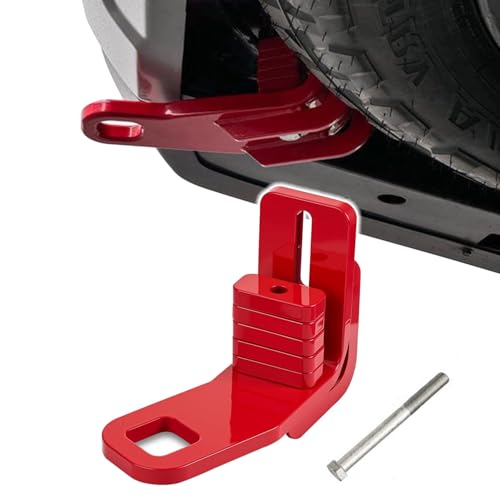 |
Heavy Duty Rear Tow Hooks Tow Hitch Fit for 2024–2027 LandMiduostore | Also great | Rear hook · Red Steel · 24-27 LC250/4Runner | $84.00
Price as of 27 Oct 2026
|
View |
 |
Toyota TRD 4Runner Rear Recovery Tow Hook, Red,Toyota | Pair with it | Rear hook · Toyota TRD · 2025+ 4Runner | $126.74
Price as of 27 Oct 2026
|
View |
 |
2PCS Front Tow Hooks Car Tow Hook Ring Lower Bumper TrailerSCITOO | Budget pick | Front hooks · Black · 19-22 Silverado 1500 | $29.23
Price as of 27 Oct 2026
|
View |
 |
GM Genuine 25798891 Tow Hook, FrontGeneral Motors | Upgrade pick | Front hook · GM Genuine · OEM 25798891 | $64.99
Price as of 27 Oct 2026
|
View |
Every pick below is tied to a specific vehicle fitment or receiver setup. That matters more than color or thread count, because a tow hook that fits the wrong chassis is the wrong hook.
How we chose
We compared manufacturer listings, stated fitment, published load figures where provided, and buyer feedback that speaks to installation and finish. No product made the list without a clear vehicle match or receiver size.
The goal here is everyday recovery, not heavy off-road work. That means fitment comes first, followed by attachment style, corrosion resistance, and whether the hook is meant for a front chassis opening, a rear chassis opening, or a 2-inch receiver setup.
Tow hook fitment checklist
| Vehicle type | Tow-point style | Minimum practical rating | Attachment method | Common no-go mistakes |
|---|---|---|---|---|
| Compact car | OEM tow eye, towing eye, or threaded ring that matches the factory port | Use the vehicle manual’s recovery-point spec; do not guess from tow rating alone | Screw-in or threaded eye that matches the OEM thread and dimensions | Wrong thread, prying against the bumper cover, or pulling at an angle |
| Midsize sedan | Front and rear tow-eye opening if the car has both | Use the chassis-specific spec from the owner’s manual or OE part listing | Vehicle-specific replacement eye or hook with OE replacement numbers | Buying by body style only, skipping the OE number check, or forcing the wrong side |
| Crossover/SUV | Factory recovery point behind the access cover or bumper slot | Match the vehicle’s listed recovery hardware; confirm the exact generation | Threaded eye, bolt-on point, or vehicle-specific bracket | Using a universal ring without fitment proof, or attaching to trim hardware |
| EV | Dedicated tow point approved by the maker, sometimes with service-mode guidance | Use the manual’s recovery instruction; do not use battery or suspension parts | Vehicle-specific eye or hook that matches the exact front or rear port | Skipping service-mode steps, using the wrong side, or pulling against underbody panels |
Start with the exact vehicle match. Towhooks.eu says drivers can match products by car brand, model, and year, and it says its hooks meet OE dimensions and thread configuration. Start there, then check hardware.
Next, compare working load limit and breaking strength. WLL is the usable load figure for recovery gear, while breaking strength is the failure point. For everyday car recovery, you want the hook and the vehicle’s recovery point to be clearly identified for the chassis, not just “heavy duty” on the box.
Choose forged steel for heavier-duty aftermarket recovery hardware. G80 forged steel is common in stronger recovery hardware, and forged carbon steel with CNC machining is a sensible sign for a more serious part. For weather exposure, electro-galvanized or powder-coated finishes add corrosion resistance and help the hook stay visible.
Confirm front or rear use before you buy. Towhooks.eu says its products fit passenger cars, SUVs, and light commercial vehicles, but that does not mean one hook works on every side. A hook made for the front chassis opening may not match the rear, even on the same model year.
A common first-timer mistake is choosing a tow hook based only on brand hype instead of checking the mounting points and load rating for everyday recovery. Suppose your sedan has a hidden front tow-eye cover but no rear threaded port. The front piece may fit cleanly while the rear requires a different part number or no hook at all. The body style is not enough.
CARMOCAR front recovery tow hooks: best for 2007-2019 Silverado/Sierra
This is the best fit if you drive a 2007-2019 Chevy Silverado or GMC Sierra 1500 and want an OEM-style front replacement. It is listed as a front hook with a chrome finish, and the product copy says it replaces OEM #84072462 using original mold manufacturing.
The main advantage is fit confidence. The listing also says it uses heavy-duty steel construction, hardware is included, and no drilling is required. That makes it the clearest choice when you want a direct replacement rather than a universal eye.
The drawback is narrow application. It is not a universal recovery part, and the chrome finish may not suit buyers who want a lower-visibility black or red hook.
Miduostore heavy duty rear tow hooks: best for 2024-2027 Land Cruiser and GX550
This is for drivers who need a rear recovery point on the 2024-2027 Land Cruiser LC250, 2024-2027 Lexus GX550, or 2025-2027 4Runner. The listing calls it a rear hook with a red steel finish, and it bolts to factory chassis points without welding.
The powder-coated finish makes the hook easier to spot, which matters when the rear recovery area is tight and you want the attachment point easy to find. The product copy also says the carbon steel construction is thickened for durable off-road performance, though this article treats it as a vehicle-specific rear recovery option rather than a heavy recovery tool.
The drawback is that it is narrowly tied to those Toyota/Lexus applications. It is also aimed more at rear recovery than everyday front roadside use.
Toyota TRD rear recovery tow hook: best for 2025+ 4Runner owners
This is the most direct factory-branded rear option for a 2025+ 4Runner owner who wants a vehicle-specific part. The listing identifies it as a Toyota TRD rear recovery tow hook, red, and calls it a passenger-side rear hook.
The appeal is OEM confidence. Toyota’s part naming and fitment callout reduce the risk of thread mismatch or the wrong side selection. The red finish also helps with quick visual identification during roadside use.
The drawback is price. It is the most expensive of the four products here, and it is limited to a very specific vehicle application.
SCITOO front tow hooks: best budget pick for 2019-2022 Silverado 1500
This is the lower-cost option for 2019-2022 Chevy Silverado 1500 owners who want a front chassis recovery hook. The listing says it is a two-piece set, compatible with Silverado 1500 models from 2019 through 2022, and designed as a direct replacement without drilling or cutting.
The upside is straightforward value. It gives you a front recovery solution at a much lower price than the OEM-branded pick, and the black finish is less conspicuous than chrome.
The drawback is that budget fitment parts deserve extra thread and position checks before installation. A low price is not a substitute for exact bumper and chassis compatibility.
GM Genuine 25798891 front tow hook: best OEM replacement for GM trucks
This is the top pick for matching GM trucks when you want the safest OEM-style route. The listing identifies it as a front tow hook from General Motors, and the product copy says it is a genuine GM part with a direct replacement body hardware fit.
The advantage is simple: factory part-number confidence. When you are trying to avoid mismatched threads or bumper interference, a genuine replacement is the cleanest fitment path for the right application.
The drawback is that the product data here does not spell out every compatible model in the same way the aftermarket listings do, so you should verify your exact vehicle and part number before buying.
Which one should you buy?
If your vehicle has an OEM tow-eye or factory recovery point, buy the exact match first. That is the best everyday choice because it keeps the load where the chassis intended, rather than improvising with a universal ring.
If you want the simplest OEM-style replacement for a matching GM truck, choose the GM Genuine 25798891 front tow hook.
If you need a rear recovery point on a Land Cruiser, GX550, or 4Runner, the Miduostore heavy duty rear tow hooks or the Toyota TRD rear recovery tow hook are the vehicle-specific choices here. If you are shopping for a 2019-2022 Silverado 1500 on a tighter budget, the SCITOO front tow hooks are the value option.
Use the vehicle manual, follow the product manual, and never exceed the vehicle’s rated recovery limits. Keep the pull straight, avoid bumper-cover contact, and do not assume a tow rating is the same thing as recovery-point capacity.
Do you need a front or rear tow hook?
For most everyday road cars, the front tow hook is the first one to prioritize because many roadside recoveries start with a disabled vehicle being pulled onto a flat surface or repositioned in a tight space. The rear tow hook matters when the vehicle needs to be moved backward, or when the rear is the only approved recovery point.
It Still Runs says tow hooks can be attached to the front or rear bumper, but that does not mean both sides are always approved on every car. The correct side is the one the vehicle manual and part listing actually support.
Some cars need one side only because the other side has no threaded port, no access cover, or no structure meant for recovery. If the manual is specific, that instruction controls.
Tow hitch vs tow hook: what is the difference?
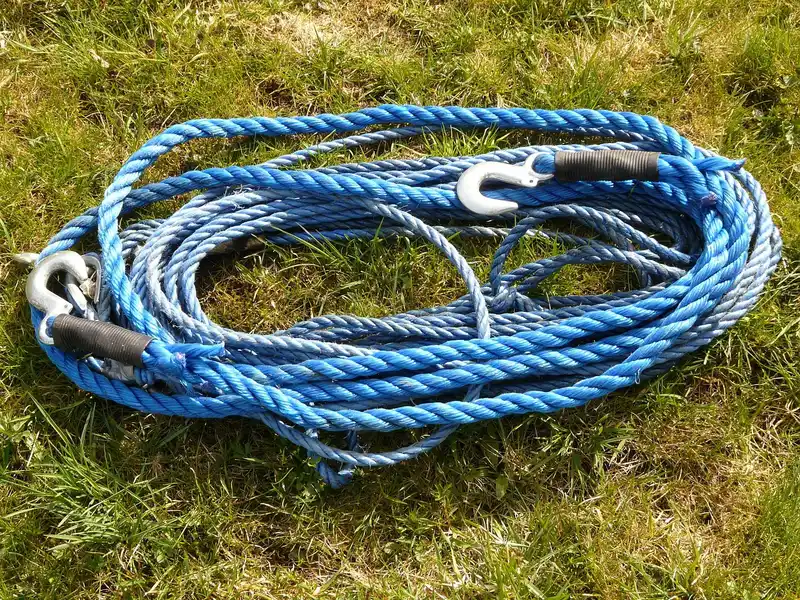
A tow hook or towing eye is a recovery point that threads or bolts into the car’s approved attachment location. It is meant for attaching a strap in a straight pull, usually at the chassis-access port or OE recovery point.
A shackle hitch receiver is different. It fits a 2-inch receiver and uses a pin plus D-ring shackles, which makes it common on trucks and Jeeps with receiver hardware. Auto News Blaster lists a Nilight shackle hitch receiver designed for 2-inch receivers, and says it has 45,000 lb breaking strength.
Do not assume a hitch receiver is recovery-ready just because it exists on the vehicle. Many factory receivers are for towing only unless the product and vehicle documentation explicitly allow recovery use.
What are tow hooks?
Tow hooks are recovery attachment points used to connect a strap to the vehicle. On road cars, the important part is not the name; it is whether the thread, dimensions, and side of the vehicle match the exact OE or vehicle-specific fitment.
For everyday recovery, the point should be designed for the chassis and approved by the manufacturer or by a verified replacement listing. Towhooks.eu says its hooks meet OE dimensions and thread configuration, and that approach is the right benchmark for a road car buyer.
Use the approved front or rear point, attach the strap straight to the hook, and keep the pull aligned with the vehicle’s centerline as much as possible. A straight pull reduces side loading, which is one of the fastest ways to damage a tow eye or bumper opening.
Can I use a tow hook with a tow strap? Yes, if the strap is attached to the proper recovery point and the pull stays straight. Do not loop a strap around a suspension arm, tie it to trim hardware, or use the wrong thread in a threaded eye.
Follow the vehicle and product manual. Never work under a vehicle supported only by a jack; use jack stands on level ground, and check local laws before moving a disabled car on public roads.
How much load rating does a car tow hook need?
For everyday car recovery, the useful figure is the hook’s working load limit, not only the breaking strength. The hook should be matched to the chassis and the approved recovery point, because a recovery-point failure usually starts with a fitment mistake, not with the number on the box.
As a comparison point, Auto News Blaster lists a 3/8 tow hook with 11,200 lb WLL and 33,000 lb breaking strength, and a 3/4-inch shackle pair with 9,500 lb WLL and 57,000 lb breaking strength. Those figures show how much higher breaking strength can sit above WLL.
Do not confuse tow rating or payload rating with recovery-point capacity. The vehicle manual and the specific recovery hardware listing control here, not a generic towing number.
Can I install a tow hook myself?
Often yes, if the part is a direct replacement and the vehicle uses a factory access point or bolt-on chassis location. It Still Runs says installation may require a power drill and a 1/2-inch self-starting bit for some setups, but you should follow the product manual for your exact part.
Do not force a hook into the wrong thread or drill a new point unless the manufacturer’s instructions specifically allow that. If the fit is uncertain, stop and verify the OE number, thread, and vehicle generation first.
Can you install it yourself? Sometimes. Should you improvise if the fit is unclear? No.
What is the difference between a tow hook and a recovery shackle?
A tow hook or towing eye is usually a vehicle-specific attachment point that fits into the factory port or bracket. A recovery shackle is a separate hardware connector, often used with a shackle hitch receiver or with other rated recovery gear.
The practical difference is the mounting system. The tow hook is the car-side interface; the shackle is the connector that joins gear to gear. A 2-inch receiver setup uses a different path than a screw-in eye, so the correct choice depends on the vehicle’s approved recovery method.
For everyday cars, the fitment of the tow hook matters more than the idea of a stronger connector. Wrong thread, wrong chassis point, or angled pull can ruin even good hardware.
Frequently asked questions
Which tow hook is best for everyday car recovery?
The best everyday choice is the exact OEM or vehicle-specific recovery point for your car, because fitment prevents bumper damage and thread mismatch.
Will a tow hook fit my exact car model?
Only if the thread, dimensions, and side match the vehicle’s OE or verified replacement listing. Use the make, model, year or generation, and if needed the VIN cross-check and OE part number. Towhooks.eu says buyers can match by car brand, model, and year, which is the right starting point.
Can I use a tow hook with a tow strap?
Yes, if the strap attaches to the approved recovery point and the pull stays straight. Do not wrap a strap around suspension parts, bumper trim, or a random brace. Recovery straps are for straight-pull use, and angled pulls can damage the hook or the body structure.
Do I need a front tow hook or rear tow hook?
Most drivers should start with the side the manual lists for roadside recovery, often the front. Rear fitment matters when the vehicle needs a backward pull or when the rear is the only approved point. If the manual supports only one side, buy that side only.
Products related to this article
Sponsored / affiliate links. As an Amazon Associate I earn from qualifying purchases. I may earn additional commission from eligible campaigns.