Car Buffer Machines: 3 Models Compared by Type and Budget
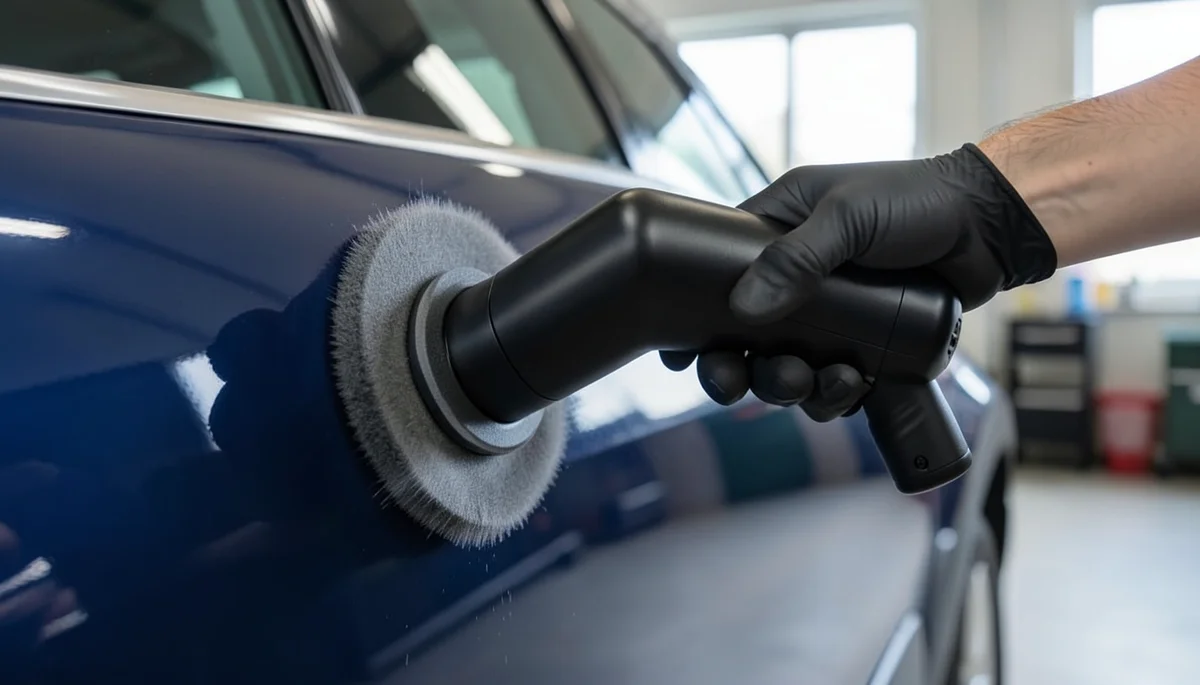
A car buffer (also called a polisher) is a power tool that spins or oscillates a foam, wool, or microfiber pad against your car’s paint, usually loaded with a compound or polish, to remove light scratches, swirl marks, and oxidation and bring back gloss. The two things that matter most when buying one are the mechanism — rotary versus dual-action — and how much machine you actually need for the jobs you plan to do.
This guide compares three real, currently available buffer machines — one corded rotary and two cordless dual-action models — across power, speed range, weight, and price, so you can match a machine to your budget and experience level. If you already have scratches you’re trying to fix and want the step-by-step technique instead, see our guide to choosing and using a buffer for car scratches.
Quick Answer
Most car owners buying their first buffer should choose a dual-action (DA) or random orbital machine, not a rotary. A DA polisher oscillates instead of spinning around one fixed point, which spreads heat over a wider area and makes it much harder to burn through the clear coat while you learn. Rotary buffers cut faster and are what professional detailers use for heavy paint correction, but they carry a real risk of burn-through in inexperienced hands. Beyond that, look at pad size (5–7 inch to match your panel size), variable speed range, and whether you want cordless freedom or the steady power of a corded motor.
Rotary vs. Dual-Action Car Buffers: Which Type Should You Buy?
BEST BEGINNER-SAFE BUFFER
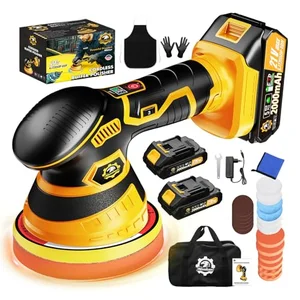 |
Niusken Cordless Car Buffer Polisher Kit – $59.99 A true dual-action (random orbital) machine, which is the safer mechanism for anyone buffing their own car for the first time, backed by the most complete pad kit of the three models here.
|
A random orbital (dual-action, or DA) polisher moves its pad in small, randomized circles rather than around one fixed axis, similar to an orbital sander. Because the pad keeps changing direction, heat spreads across a wider area instead of building up in one spot, which is what makes DA machines far more forgiving if you linger too long in one place. Most DA buffers, including both cordless models compared below, also let you dial the speed down while you’re still learning.
A rotary polisher spins its pad in one direction around a single fixed axis, like a drill. That single-direction spin cuts faster and more aggressively, which is why professional detailers reach for a rotary to correct heavy oxidation or deep swirl networks — but the same aggressiveness is exactly what causes clear-coat burn-through in inexperienced hands, especially if the pad is held still or tilted at an angle. If this is your first buffer, a DA machine is the safer starting point; save a rotary for once you’re comfortable with the basics or are correcting more serious paint defects. Our full step-by-step paint correction guide covers the actual cutting-and-buffing process with either type in more detail.
3 Car Buffer Machines Compared: Type, Power & Price
All three of these are currently in stock and represent the three most common shopping paths: a corded rotary for faster, heavier-duty work, and two cordless dual-action options at different price points.
| Model | Type | Speed Range | Power Source | Weight | Price |
|---|---|---|---|---|---|
| GEVEELIFE Buffer Polisher | Rotary | 7-speed, 1,000–3,500 RPM | Corded, 1600W | 4.5 lbs | $54.99 |
| Niusken Cordless Buffer | Dual-action (random orbital) | 6-speed, 2,800–5,800 RPM | Cordless, 2x21V batteries | 3.3 lbs | $59.99 |
| Avhrit Cordless Buffer | Dual-action (random orbital) | 6-speed, 2,500–6,000 RPM | Cordless, 2x21V batteries | 3 lbs | $49.99 |
Note that GEVEELIFE’s pads use an M14-thread caliber, not the 5/8-11 thread common on some other rotary polishers, so double-check pad compatibility before buying replacement pads separately for it.
GEVEELIFE, Niusken & Avhrit: What Each One Is Actually Good For
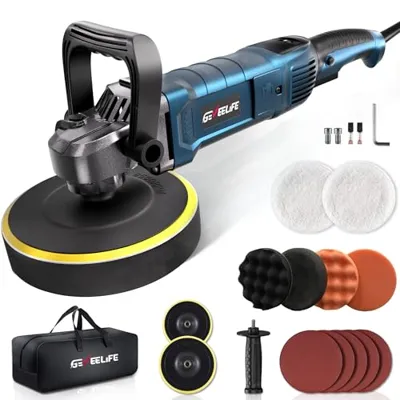
The GEVEELIFE Buffer Polisher is the rotary option here, with a 1600W motor, 7 variable speeds from 1,000 to 3,500 RPM, and a detachable D-handle plus side handle for two-handed control. Because it’s corded, it never needs charging and can run for as long as the job takes, which suits a full-vehicle paint correction session or a shop that buffs multiple cars in a day. At 4.5 lbs it’s the heaviest of the three, and being a rotary, it’s better suited to someone who already has some buffing experience or is willing to start slow at low speed while learning.
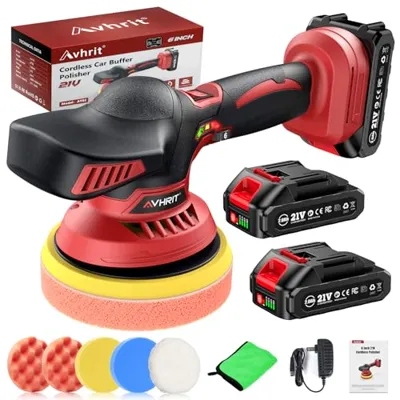
The Avhrit Cordless Buffer is the budget pick, at $49.99, and it’s a genuine dual-action machine — not a stripped-down rotary — with an 8mm random-orbit motion, a 300W motor rated up to 6,000 RPM, and two 21V 2,000mAh batteries. At 3 lbs it’s the lightest of the three, which matters if you’re buffing more than one panel in a sitting, and its kit includes foam, waffle-pattern foam, and a wool pad for lighter cutting work. It’s a solid choice if you want a true DA machine without paying for the extra accessories and display screen the Niusken kit adds.
The Niusken Cordless Buffer (our pick above) sits between the two on price at $59.99, and its main advantages over the Avhrit are the LED speed/battery display and the larger accessory kit — two sizes of flat sponge pads, wave sponge pads, wool pads, microfiber bonnets, and non-woven bonnets, plus sanding discs. If you’d rather see your exact RPM and remaining battery charge at a glance instead of guessing, that’s the practical difference paying the extra $10 buys you.
How to Choose the Right Buffer for Your Car
Pad Size
All three machines here accept 5, 6, or 7-inch pads. Larger pads (6–7 inch) cover more surface per pass, which is faster on hoods, roofs, and doors, while smaller 5-inch pads give you more control on tight areas like bumpers and around trim. If you’ll mostly be working on a single sedan, a 5–6 inch pad size is plenty; larger vehicles or full-body correction jobs benefit from the 7-inch option.
Cordless vs. Corded
Cordless buffers give you freedom to move around the entire car, including the roof and far side, without dragging a cord or hunting for an outlet in a driveway. The trade-off is battery life and the extra weight of the battery pack itself. Corded machines run indefinitely but tie you to an extension cord and outlet, which can be limiting outdoors. For occasional detailing on one or two cars, cordless is usually the more convenient choice; for frequent, back-to-back full-vehicle jobs, a corded rotary avoids battery swaps altogether.
Variable Speed Range
A wider speed range gives you more control: low speeds for spreading compound or applying wax without flinging it off the pad, higher speeds for cutting through more stubborn oxidation or swirl marks. All three models here offer at least 6 speed settings, which is enough range for most home-detailing tasks.
Do You Need a Full Buffer Machine, or Is a Drill Attachment Enough?
If you only have one or two isolated light scratches to deal with, a drill-mounted buffing pad kit — the kind that chucks into a cordless drill you likely already own — can be enough, and it’s the cheaper route since there’s no separate tool to buy. Our buffer for car scratches guide covers exactly that kind of kit and walks through the safe technique step by step.
A dedicated buffer machine like the three compared above makes more sense once you’re doing more than a spot fix: full-panel or full-vehicle paint correction, regular seasonal waxing, or working on more than one car. A dedicated machine gives you a true, consistent RPM range built for the job, a proper backing plate and handle designed for sustained pressure and control, and (on the cordless models here) a battery system sized for a full detailing session rather than a drill battery meant for occasional short bursts.
Frequently Asked Questions
What Size Buffer Pad Do I Need for My Car?
Most home users do fine with a 5 or 6-inch pad, which fits comfortably on hoods, doors, and roofs while still giving good control around curves and trim. A 7-inch pad covers more ground per pass and suits larger panels or full-vehicle correction jobs, but it’s harder to maneuver in tight spots like bumpers and mirrors.
Should I Buy a Cordless or Corded Car Buffer?
Cordless buffers are easier to maneuver around an entire vehicle without managing a cord, which is convenient for driveway or garage detailing. Corded buffers run as long as you need without recharging or swapping batteries, which suits back-to-back jobs on multiple vehicles. For occasional detailing on one or two personal cars, cordless is usually the more practical choice.
How Much Should I Expect to Spend on a Car Buffer?
A solid entry-level dual-action buffer with a basic pad kit typically runs $50–$60, as with the Avhrit and Niusken models compared above. Corded rotary machines with a similar accessory bundle land in a similar range, while professional-grade rotary and DA polishers from established detailing brands can run well over $100–$200.
Can a Car Buffer Also Be Used on a Boat or RV?
Yes. All three machines compared here are marketed for use on boats as well as cars, and the same rotary-versus-dual-action safety logic applies to gelcoat on a boat hull just as it does to automotive clear coat — a dual-action machine is the more forgiving choice on any painted or gelcoat surface.
What Accessories Come With a Car Buffer Kit?
Kits vary, but most include a mix of foam pads (for polishing and finishing), a wool or waffle-textured pad (for heavier cutting), and sometimes microfiber bonnets or sanding discs. The Niusken kit compared above includes the widest mix, with over a dozen individual pads and bonnets; the Avhrit kit is smaller but still covers foam and wool pad basics.
How Long Does a Cordless Buffer Run on One Battery Charge?
As a rough rule of thumb, a 21V, 2,000mAh battery pack like the ones on both cordless models here typically gives somewhere around 20–40 minutes of continuous run time at moderate speed, less at the highest speed setting. That’s exactly why these kits ship with two batteries: you keep one charging while the other is in use, so a full-car job isn’t interrupted by a single battery running flat.
The Bottom Line
For most people buying their first car buffer, a dual-action machine like the Niusken or Avhrit is the safer starting point — both are true random-orbital designs, not rotaries, and either will handle routine waxing, light polishing, and swirl-mark removal without much risk to your clear coat. Step up to a corded rotary like the GEVEELIFE once you’re comfortable with the basics or are tackling heavier paint correction. If you’re dealing with specific scratches right now rather than shopping for a machine, our buffer for car scratches guide walks through the exact technique, and our full cut-and-buff paint correction guide covers the complete process from start to finish.
Products related to this article
Sponsored / affiliate links. As an Amazon Associate I earn from qualifying purchases. I may earn additional commission from eligible campaigns.