Building a Sustainable Lifestyle around Automotive Passions
Build a sustainable car hobby by keeping cars longer, buying fewer parts of better quality, driving with smoother inputs, and making changes only when they clearly cut waste, fuel use, or repeat replacements. Ignore that approach, and you spend more on short-lived parts, burn more fuel, and send more material to landfill. This guide covers ownership habits, parts choices, driving habits, and modification decisions that lower impact without killing the hobby.
What does a sustainable car hobby look like?



A sustainable car hobby cuts total impact without asking you to stop enjoying cars. It favors lower-use choices, repair over replacement, sensible driving, and upgrades that last. The goal is simple: keep the hobby viable by reducing waste, fuel use, and unnecessary parts churn across daily driving, weekend use, and project cars.
Separate daily use, weekend use, and project-car use
Different cars create different footprints. A commuter can get the biggest gains from a fuel-efficient vehicle or a low-emissions vehicle, while a weekend car may justify more consumption if it sees limited miles and gets maintained properly. A project car should be judged by how often it actually gets driven, not by the promise of someday being finished.
Say your daily sedan racks up a lot more miles each year, but your manual coupe only sees weekend runs and occasional autocross. The sedan is where eco-driving, tire choice, and maintenance discipline pay off fastest. The coupe may be the place for careful, reversible upgrades instead of constant part swapping.
Which ownership choices cut impact the most?
The biggest ownership gains usually come from buying the right car, keeping it in service longer, and avoiding unnecessary replacements. Fuel-efficient vehicles and low-emissions vehicles reduce use-phase impact, while renewable fuels can help in specific compatible applications. A longer ownership cycle often beats replacing a working vehicle for a small efficiency gain.
Fuel-efficient vehicles versus low-emissions vehicles
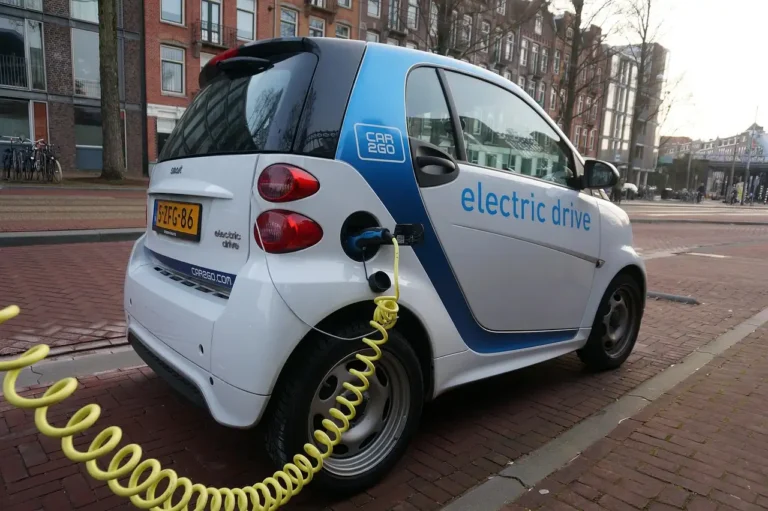
Fuel-efficient vehicles lower fuel use and usually lower emissions. Low-emissions vehicles, including hybrids and EVs, cut tailpipe output further, but they bring tradeoffs such as purchase price, charging access, range planning, and how well they fit an enthusiast’s needs. A high-output weekend car and a long-distance commuter do not have the same best answer.
| Choice | Best fit | Upside | Tradeoffs |
|---|---|---|---|
| Fuel-efficient vehicle | Daily commuting, high-mileage use | Lower fuel use; lower emissions; lower operating cost | May be less exciting than a high-consumption enthusiast car |
| Hybrid | Mixed city and highway driving | Lower fuel burn in stop-and-go traffic; smoother efficiency gains | Extra complexity; enthusiast feel varies by model |
| EV | Home charging, predictable routes | Zero tailpipe emissions; low routine energy cost in many cases | Charging access, range planning, battery sourcing questions, higher upfront cost |
| High-consumption performance car | Limited-use hobby driving | Strong enthusiast appeal | Higher fuel use and often higher tire and brake wear |
Where renewable fuels fit and where they do not
Renewable fuels can make sense for some vehicles and some regions, but they are not a universal fix. Compatibility matters first. Availability matters second. If the car, fuel system, local supply, and intended use do not line up, the “green” label does not make the choice better.
Use renewable fuels as a targeted option, not a slogan. They can work for owners who want to lower impact without changing platforms, but they still need a compatible engine, a reliable local source, and a clear understanding of any performance or storage tradeoffs.
When keeping a car longer beats replacing it
Keeping a car longer often wins when the body, frame, powertrain, and parts support remain solid. Making a car last avoids the footprint of a full replacement and cuts waste from premature scrappage. Replacement starts to make more sense when corrosion, repeated failures, or parts scarcity make safe ownership unrealistic.
A common first-timer mistake is replacing a paid-off commuter because it needs tires, brakes, and a cooling-system service. Those costs are real, but they are usually smaller than the environmental and financial cost of a new-car purchase, registration, and depreciation reset.
How do you drive in a cleaner way?
Eco-driving is a set of habits that can reduce emissions and fuel consumption while often lowering costs too. It means driving slower and smarter, with smoother throttle inputs, steadier speeds, earlier lifting, gentler braking, reduced idling, and less air-conditioning use when conditions allow. Those habits are boring only until the fuel bill arrives.
Eco-driving habits that lower fuel use
- Use smoother throttle inputs instead of repeated hard launches.
- Hold steadier speeds on open roads.
- Lift earlier for lights, exits, and traffic flow changes.
- Brake gently and leave more following distance.
- Avoid long idling periods when the engine is already warm.
- Reduce air conditioning use when comfort and safety still allow it.
These habits usually save money first through lower fuel use, then through reduced brake wear and less strain on some components. The biggest downside is simple: they can feel less aggressive. For most street use, that tradeoff is small compared with the gains.
Cost view: what saves money quickly and what takes longer
Driving slower and smarter can save money quickly because the fuel savings start the same week. Reduced idling and gentler acceleration also cost nothing to adopt. Buying a lower-consumption car costs more upfront if it requires a change in vehicle, but it can pay back over years of use. EVs and hybrids often sit in this longer-payback category.
Which upgrades are worth it, and which are greenwashing?
The best sustainable upgrades reduce waste, improve durability, or cut rolling and energy losses without harming safety or intended use. Eco-friendly tires are the clearest example when they preserve grip and load rating. By contrast, a part advertised as “eco” without durability data, fitment detail, or safety proof is a red flag.
Eco-friendly tires and the safety checks that matter
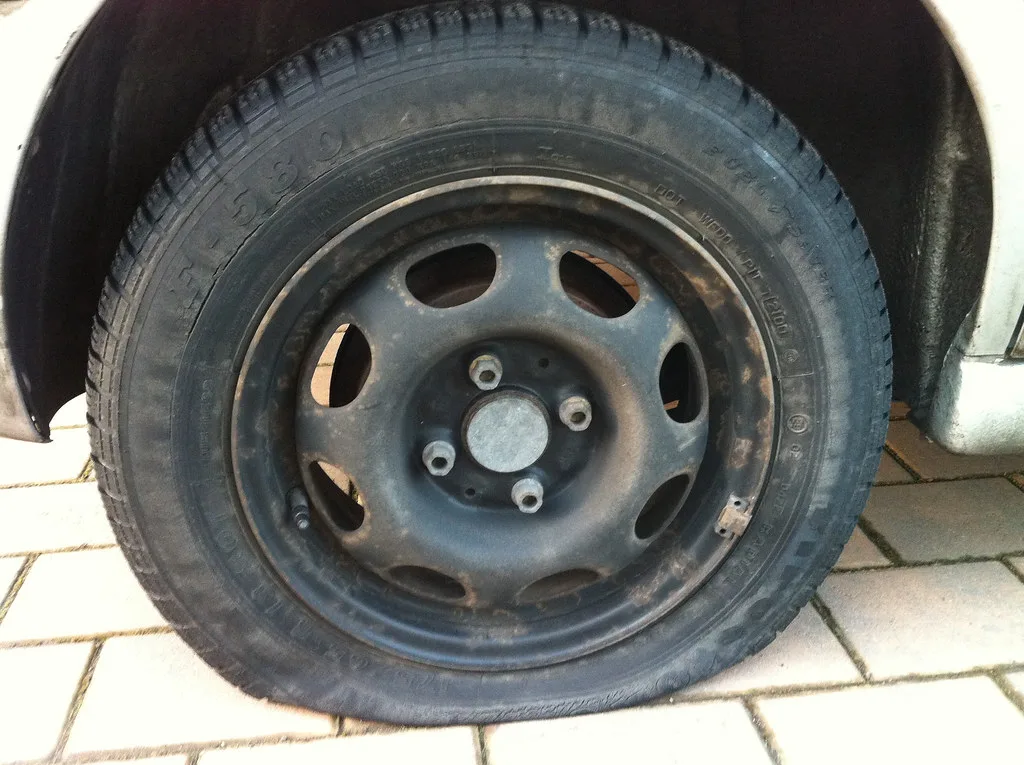
Eco-friendly tires can reduce rolling resistance, which may help fuel use. That benefit only counts if wet grip, load rating, speed rating, and the car’s intended use remain acceptable. A tire that saves some fuel but lengthens stopping distances on wet pavement may not be a good sustainability trade.
Accessories and parts that reduce waste versus cosmetic claims
Low-waste accessories are built to last, fit cleanly, and replace a function rather than a disposable trend. Think reusable cargo solutions, quality floor mats, repairable interior clips, and charging or storage gear with known materials and serviceable construction. Be skeptical of “eco” badges on trim pieces, sprays, or decorative add-ons with no material disclosure.
When a performance mod conflicts with sustainability goals
Performance mods can conflict with sustainability when they increase tire wear, brake wear, fuel use, or the odds of reverting to stock after a bad fit. A louder exhaust, sticky tire setup, or aggressive suspension package may improve feel while shortening part life. If the car sees mixed use, reversible and durable changes usually make more sense.
How should you maintain a car with less waste?
Maintenance is one of the strongest sustainability tools because it extends service life and keeps parts out of the waste stream. Repair versus replace should depend on safety, total condition, and parts availability. Timely service often prevents a small issue from becoming a larger, more wasteful failure.
Repair versus replace thresholds for common wear items
- Repair when the part still meets safety requirements and the failure is localized.
- Replace when wear affects braking, steering, visibility, or structural integrity.
- Refurbish when the core part is sound and the wear surface or subcomponent is the problem.
- Retire the part when repeated fixes are more costly than a durable replacement.
That rule works well for many components. Pads, rotors, belts, hoses, and sensors can often be serviced before a larger failure follows. Body rust, cracked mounts, and repeated electrical faults are more likely to justify replacement or retirement, especially when safety or reliability is at stake.
Choosing remanufactured, refurbished, or durable parts
Remanufactured parts can be a strong choice when the seller documents the rebuild standard and warranty. Refurbished parts work best for non-wear items with a known history. Durable parts may cost more upfront but can reduce replacement frequency, which matters on cars you plan to keep for years.
How do automakers cut impact upstream?
Upstream sustainability is about how cars are built before they reach you. Eco-friendly materials in vehicle manufacturing, supplier assessments, and green energy in production all shape the footprint of a vehicle before it ever burns fuel or electricity. Buyers cannot verify everything, but they can check more than a logo.
Eco-friendly materials in vehicle manufacturing
Automakers now use recycled plastics, bamboo, natural fibers, and thermoplastics from more sustainable sources in some interior and trim applications. These materials can reduce reliance on virgin inputs, but material claims should still be judged by durability, repairability, and whether the part actually lasts in service.
Supplier assessments and green energy in production
Supplier assessments evaluate the responsibility of upstream suppliers, including how materials are sourced and how labor and environmental risks are managed. Green energy in manufacturing operations can lower production footprint when it is actually used at the plant level. Buyers should look for concrete supply-chain and factory disclosures, not just broad branding language.
What buyers can verify in brand claims
Check whether the brand names materials, production methods, or supplier standards with specifics. “Sustainable” on a brochure means little without recycled content, sourcing detail, repair support, or factory energy disclosure. If a claim avoids the hard questions, treat it as marketing until proven otherwise.
Sustainable car hobby scorecard

Use this one-page scorecard to rate the ownership plan itself. Score each category from 1 to 5, where 1 means higher impact or more waste and 5 means the strongest low-impact choice. The best score is not always the greenest-looking car; it is the one with the cleanest total ownership pattern.
| Category | 1 | 3 | 5 | Red-flag claim |
|---|---|---|---|---|
| Purchase | High-consumption car bought for daily use with poor fit | Reasonable used car with mixed efficiency and some enthusiast value | Fuel-efficient vehicle or low-emissions vehicle matched to actual use | “Green” because it has a badge, despite weak efficiency or poor suitability |
| Driving | Frequent hard launches, long idling, aggressive braking | Some eco-driving habits used inconsistently | Smoother throttle inputs, steadier speeds, earlier lifting, gentler braking, reduced idling | “Eco” driving modes that still encourage wasteful habits |
| Maintenance | Deferred service, repeated breakdowns, premature replacement | Regular service with some repair-versus-replace judgment | Timely maintenance, remanufactured or durable parts, service that extends life | Cheap parts sold as sustainable despite short life or poor support |
| Upgrades | Frequent cosmetic swaps, incompatible parts, high-wear performance changes | Some useful upgrades with mixed durability | Eco-friendly tires, low-waste accessories, reversible changes, proven fitment | “Eco” add-ons with no safety, material, or durability proof |
How different enthusiast segments should score themselves
Commuters should push hardest on purchase and driving because those choices affect the most miles. Weekend drivers can justify more passion-driven purchase choices if they keep the car long and avoid wasteful mods. Modifiers should score upgrades more strictly. Track-day owners should accept higher wear, but only on cars and parts that match the job.
How can I make my car hobby more sustainable?
Start with the choices that affect every mile: buy a car that fits actual use, drive more smoothly, and maintain it on schedule. Then choose fewer upgrades, but make them better. Sustainable enthusiasm comes from keeping good cars alive, not from constantly replacing parts that still work.
A practical weekly routine
- Check tire pressure and tread wear.
- Plan errands to reduce cold starts and idling.
- Use gentler throttle and braking in normal traffic.
- Service leaks, warnings, and worn parts early.
- Question any upgrade that adds weight, wear, or complexity without clear value.
What are eco-driving behaviors?
Eco-driving behaviors are smoother, more deliberate habits that reduce fuel consumption and emissions. They include driving slower and smarter, using steadier speeds, braking later but more gently, lifting earlier, and cutting avoidable idling. They usually save fuel first, then trim wear on brakes and some drivetrain components.
Which car upgrades are actually sustainable?
The most sustainable upgrades are the ones that last, preserve safety, and reduce waste or energy use. Eco-friendly tires can qualify if grip and load rating still fit the car. Durable cargo gear, repairable interior parts, and reversible changes often beat flashy parts that wear out quickly or hurt resale value.
Should I buy a fuel-efficient or low-emissions car?
Choose based on use case, not badge value. Fuel-efficient vehicles work well when you want lower operating cost and fewer emissions without changing how you drive or charge. Low-emissions vehicles, including hybrids and EVs, can cut tailpipe impact further, but only if range, charging, purchase cost, and enthusiast fit make sense.
What green materials are used in cars today?
Automakers are using recycled plastics, bamboo, natural fibers, and thermoplastics from more sustainable sources in some vehicle applications. These materials can reduce reliance on virgin inputs, but the real test is whether they last, fit the use, and can be repaired or replaced without creating more waste.
What are the best low-impact car accessories?
The best low-impact accessories are durable, functional, and easy to reuse or replace in parts. Look for cargo organizers, floor protection, battery maintainers, and storage gear with clear material details and a long service life. Avoid “eco” trinkets that promise green benefits without proving durability or function.
How do I balance car enthusiasm with eco-consciousness?
Balance comes from choosing where impact is worth it. Keep the cars you enjoy longer, spend on repairs before replacement, and reserve high-consumption behavior for the driving that truly matters to you. If a change improves safety, durability, or efficiency without hurting the hobby, it has a strong case.
Products related to this article
Sponsored / affiliate links. As an Amazon Associate I earn from qualifying purchases. I may earn additional commission from eligible campaigns.
 High-Flow Washable Lifetime Engine Air Filter for Increased Power & Towing, Compatible with 1999-2020 Chevy/GMC/Cadillac Trucks & SUVs Including Silverado, Sierra, Tahoe, Suburban, Yukon, Escalade
 HOMEXCEL Microfiber Cleaning Cloth 12 Pack, 12.5 x 12.5 Inch Microfiber Towels for Cars, Ultra Absorbent Cleaning Rags, Lint Free Cleaning Towels for Household, Kitchen, Window, and Car, Multicolor