Can a Mechanic Keep Your Car If It’s Unsafe? Your Legal Rights
Thinking about whether Can a Mechanic Keep Your Car If It’s Unsafe? can feel tricky, especially if you’re new to car repairs. It’s a common question, and sometimes the answers can be confusing. Don’t worry, though! We’re here to help you get the facts straight in a simple, step-by-step way. We’ll explore what your rights are and what a mechanic can and can’t do. Ready to explore the details?
What Happens When Your Car Needs Repairs?
When you take your car to a mechanic, it’s usually because something isn’t working right. The mechanic examines your vehicle to figure out the problem. This can be as simple as changing the oil or as complicated as fixing the engine. Sometimes, during this process, the mechanic discovers a serious safety issue. This is where the question of “Can a Mechanic Keep Your Car If It’s Unsafe?” comes into play. Knowing your rights and the mechanic’s responsibilities is important for a fair repair experience.
Assessing the Problem
The first step a mechanic takes is to assess the issue. They will likely ask you questions about when the problem started, what you’ve noticed, and if any unusual sounds or smells are present. Then, they will perform a physical inspection, which may include using diagnostic tools to identify the root cause. A good mechanic will explain what they find clearly, offering you options and upfront cost estimates. This preliminary assessment sets the stage for any repairs and, potentially, discussions about the vehicle’s safety.
- Initial Inspection: The mechanic looks over your car to identify the problem, using their eyes and tools.
- Diagnostic Testing: Using special equipment to find hidden problems that you can’t see or hear.
- Communicating Findings: They explain what’s wrong and what needs to be fixed in a way that you can understand.
- Providing an Estimate: Giving you a written estimate that lists the costs for parts and labor before any work begins.
The Safety Inspection Process
After finding the main problem, the mechanic might perform a safety inspection. This goes beyond the basic checkup. They’ll look at critical components that directly affect safety, such as brakes, tires, steering, and lights. If any of these are broken or worn out, the mechanic will need to decide what to do. If they determine that your car is unsafe to drive, they have specific choices they need to make, which relate directly to the question, “Can a Mechanic Keep Your Car If It’s Unsafe?”
- Brake System Check: Ensuring the brakes are functioning correctly, with no leaks or worn pads.
- Tire Condition Evaluation: Looking at tire tread depth, pressure, and general condition for safety.
- Steering and Suspension: Examining these systems to make sure you can steer your car safely.
- Lighting System Assessment: Checking all lights, including headlights, taillights, and turn signals, for function.
What Makes a Car Unsafe?
A car is considered unsafe when its condition puts the driver, passengers, or other road users at risk of an accident or injury. Several specific issues can make a car unsafe, including malfunctioning brakes, worn tires, or steering problems. Other dangerous issues include broken lights, damaged airbags, or structural damage to the vehicle’s frame. These issues can result in significant problems, which is why safety inspections are so important.
In fact, according to the National Highway Traffic Safety Administration (NHTSA), 94% of all vehicle crashes involve human factors, meaning something a person did, such as driving too fast for the conditions or being distracted. However, vehicle safety defects still account for nearly 20% of all vehicle crashes. This is why properly maintained and inspected vehicles are important for safe driving.
- Brake Failure: If the brakes don’t stop the car effectively.
- Tire Issues: Bald tires or those with insufficient tread.
- Steering Problems: Difficulty controlling the car’s direction.
- Lighting Issues: Broken lights that prevent other drivers from seeing you.
Your Rights and Mechanic’s Responsibilities About Car Safety
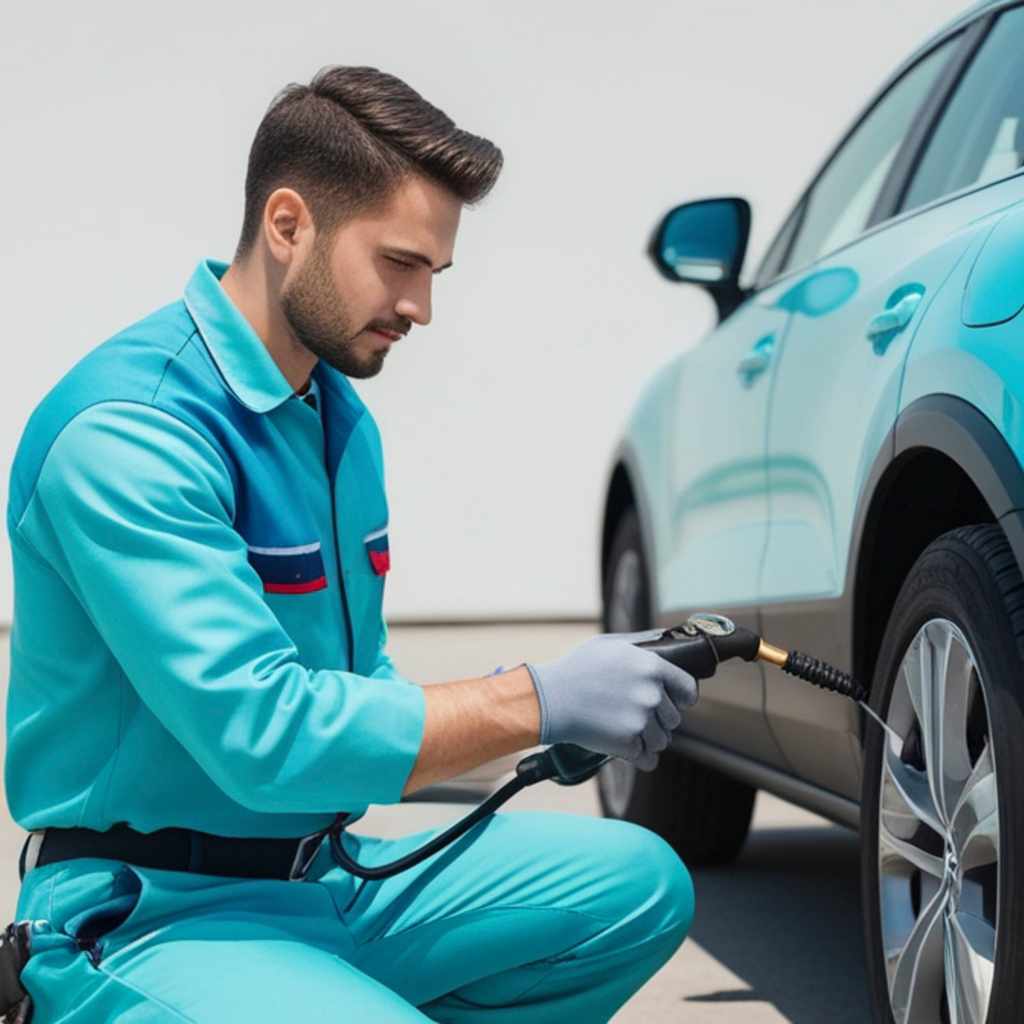
When you bring your car to a mechanic, you have certain rights, and the mechanic has specific responsibilities. This is crucial for navigating situations where your car has safety issues. Your rights ensure that you are informed and treated fairly, while the mechanic’s responsibilities help keep both you and other road users safe. Understanding these is key to determining “Can a Mechanic Keep Your Car If It’s Unsafe?”
Your Rights as a Customer
You have rights designed to protect you during the repair process. These include the right to an estimate before work begins, the ability to authorize any repairs, and to be informed about the parts and services needed. You are also entitled to a detailed invoice that lists all the work done and the cost of parts and labor. These rights are in place to make sure that the repair process is transparent and that you have control over the work performed on your car. Knowing these rights helps you protect yourself against bad service.
- Right to a Written Estimate: Before any work starts, you should receive a written estimate of the costs.
- Right to Authorization: The mechanic needs your permission before making repairs.
- Right to a Detailed Invoice: After the repairs, you should receive a detailed invoice.
- Right to Understand: You should be able to understand what repairs are needed and why.
The Mechanic’s Duty of Care
Mechanics have a duty of care, which means they must perform their services competently and responsibly. This includes ensuring your vehicle is safe to drive. Mechanics have a responsibility to inform you of any safety issues they find and to make necessary repairs. It also impacts what the mechanic is able to do with your vehicle, especially if a serious safety issue is found.
- Safety First: The primary responsibility is ensuring your car is safe.
- Full Disclosure: Informing you about any safety concerns they discover.
- Professional Standards: Working to a high standard.
- Following the Law: Adhering to all relevant regulations and laws.
Can a Mechanic Keep Your Car If It’s Unsafe?
The answer to “Can a Mechanic Keep Your Car If It’s Unsafe?” is complex and can vary by location, but the general principle is yes, they have the right, under certain circumstances. A mechanic generally can’t legally hold your car indefinitely, but they may be able to keep it until the safety issue is fixed or until you arrange for it to be towed. The key is how the safety issue is approached and what is communicated to you.
Mechanics often must consider the following factors:
- Severity of the Problem: The danger the fault presents.
- Local Laws: Rules on vehicle safety in your area.
- Communication: What the mechanic tells you about the problem.
- Agreement: The agreements made between you and the mechanic.
Legalities and Regulations Regarding Car Repairs
Laws and regulations are in place to protect both you and the mechanic when it comes to car repairs. These regulations cover everything from how repairs should be done to what the mechanic can do if your car is unsafe. Understanding these laws helps you to know your rights and responsibilities. These laws and regulations directly influence what a mechanic can do with your car, answering the question, “Can a Mechanic Keep Your Car If It’s Unsafe?”
State and Local Regulations
Each state has its own set of rules and laws related to vehicle repairs. These laws can cover issues like licensing requirements for mechanics, what must be included in repair estimates, and rules about how unsafe vehicles should be handled. Local rules and regulations might further impact the mechanics’ options. Some states might have specific rules about holding vehicles, while others may not, which is why it is important to know the rules in your area. This is one of the important details regarding, “Can a Mechanic Keep Your Car If It’s Unsafe?”
- Licensing: Many states require mechanics to be licensed.
- Estimate Requirements: Laws on what needs to be included in an estimate.
- Vehicle Inspections: Rules for required safety inspections.
- Storage Laws: Guidelines about the storage of vehicles.
Vehicle Safety Standards
There are national and international standards that vehicles must meet to be considered safe for use on roads. These standards address various parts of the car, including brakes, tires, lights, and more. When a mechanic evaluates your car, they will compare it to these standards. If your car doesn’t meet the minimum standards, the mechanic will have to decide how to handle the situation. If a car doesn’t meet these standards, it might be determined unsafe, and that’s when mechanics will need to consider their legal responsibilities, and the question, “Can a Mechanic Keep Your Car If It’s Unsafe?” comes up.
- Brake Performance: Standards for how well brakes should work.
- Tire Condition: Rules about tire tread and condition.
- Lighting: Specifications for the proper functioning of lights.
- Emissions: Rules related to exhaust systems and air quality.
Legal Implications of Keeping a Car
If a mechanic decides to keep your car because it is unsafe, there can be legal considerations for both you and the mechanic. The mechanic has a legal obligation to act responsibly, which might include notifying the authorities in some instances. The mechanic’s actions must comply with relevant regulations. You have rights, such as being informed of the situation and the right to make decisions about your car. The specific laws and actions relating to safety problems and your car depend on local rules.
- Legal Notice: The mechanic usually must inform you of the issue in writing.
- Documentation: Records of the problem and communications are essential.
- Potential Lawsuits: If an accident occurs due to an unresolved issue, there might be legal action.
- Liability: Who is responsible for accidents involving the vehicle.
In the event of a significant safety issue, the mechanic is often legally required to advise you of the problem, give you options, and not let you drive away in an unsafe vehicle.
What To Do If Your Car Is Deemed Unsafe
If your car is labeled unsafe, understanding your next steps is important. The initial shock of being told your car can’t be driven is followed by practical steps to resolve the issue. Knowing what to do in this case is vital. This is especially true when it comes to the question, “Can a Mechanic Keep Your Car If It’s Unsafe?”.
Discussing the Findings with the Mechanic
The first and most important step is to discuss the findings with your mechanic. Ask questions and make sure you understand exactly what the problem is. Request that the mechanic clarify the explanation and the severity of the problem. This communication helps you decide how to fix it and makes sure you get all of the required information. Open communication can make the process easier and allows you to explore your options. This helps with the question, “Can a Mechanic Keep Your Car If It’s Unsafe?”.
- Ask Questions: Ensure you completely understand the problem.
- Get Details: Request a detailed breakdown of the issue.
- Understand the Severity: Learn how unsafe the problem is.
- Explore Options: Discuss all possible solutions.
Exploring Repair Options
Once you understand the problem, explore your repair choices. This may involve getting a quote from the mechanic to fix it, looking for a second opinion, or determining if the cost of repair is worthwhile. Some repairs may be unavoidable, while others may depend on your budget or the car’s condition. Thinking about your repair options is an important part of the process, and you should make your decision based on all the factors you’ve learned. Deciding about repairs is important to address the question, “Can a Mechanic Keep Your Car If It’s Unsafe?”.
- Get a Quote: Ask for a cost estimate to fix the problems.
- Second Opinion: Consider getting a second opinion from another mechanic.
- Compare Costs: Review whether the cost is worthwhile.
- Consider Alternatives: Decide on your best action.
Legal Recourse and Dispute Resolution
If you disagree with the mechanic’s findings or the proposed solution, you have legal options. You could discuss the matter, negotiate, or find another mechanic to get a second opinion. Sometimes, you may need to file a formal complaint or even go to court. Taking legal action is a final option, but you have these choices to help settle differences and protect your rights. This step is about protecting your vehicle and answers questions about “Can a Mechanic Keep Your Car If It’s Unsafe?”.
- Negotiation: Talk to the mechanic to try to find a solution.
- Second Opinion: Get a second opinion from another mechanic.
- File a Complaint: Make an official complaint if necessary.
- Legal Action: You have the option of taking it to court.
Frequently Asked Questions
Question: Can a mechanic refuse to release my car if I don’t pay for the repairs?
Answer: Yes, in many cases, a mechanic can legally keep your car until you pay for the completed repairs. This is known as a mechanic’s lien, which gives them the right to hold your vehicle as security for the payment.
Question: What if the mechanic says my car is unsafe, but I think it’s okay to drive?
Answer: If the mechanic says your car is unsafe, get a second opinion. You have the right to disagree. However, if the issues are significant, you might face legal issues if you drive an unsafe car.
Question: Does the mechanic have to tell me why my car is unsafe?
Answer: Yes, the mechanic must explain what’s wrong with your car in detail. They should show you the problem and explain why it makes your car unsafe.
Question: Can I be forced to fix my car at the mechanic’s shop?
Answer: No, you’re not forced to fix your car at that shop. You can choose to get a second opinion or have the car towed to a different mechanic.
Question: What if the mechanic damages my car during the inspection or repair?
Answer: The mechanic is responsible for any damage they cause during inspection or repair. You can discuss the issue with them and seek compensation for the damage. If you cannot reach an agreement, you can pursue legal options.
Final Thoughts
Understanding the question, “Can a Mechanic Keep Your Car If It’s Unsafe?” involves your rights, the mechanic’s responsibilities, and the laws and regulations that govern car repairs. Mechanics often have the right to keep a car deemed unsafe until necessary repairs are made or alternative arrangements are arranged. You have the right to a clear understanding of your vehicle’s issues and the freedom to decide how and where to have it fixed. Knowing these essentials helps you to get fair treatment and make informed decisions about your car’s repairs.
Remember, the best approach is to communicate openly with your mechanic, ask questions, and be informed. If your car is found to have safety problems, explore all your options and always prioritize safety. This will help you get your car fixed correctly and keep you safe on the road. By following these steps, you can confidently deal with car repairs, knowing your rights and the rules that protect you.