How Long to Wait to Wash Car After Paint: Touch-Up vs. Full Respray Guide
The answer to how long you should wait to wash your car after paint depends entirely on what type of paint work was done. Touch-up paint, a single-panel repaint, and a full respray each have completely different cure timelines — and washing too soon can cause scratches, water spots, and even paint lifting that costs hundreds to fix.
This guide covers every scenario with specific wait times, what goes wrong if you rush it, and how to do the first safe wash without damaging fresh paint.
Wait Time by Paint Job Type: At-a-Glance Table
Supplies You’ll Need for the First Safe Wash
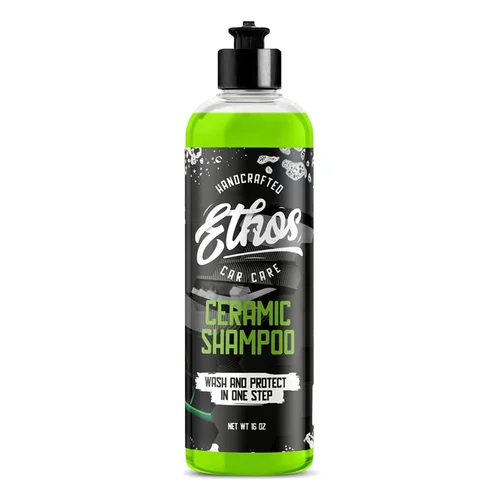
pH-Neutral Car Wash Soap
Regular soap and dish detergent are too alkaline — they strip protection from uncured clear coat and can cause permanent dullness. pH-neutral formula won’t interfere with the curing process.
View on Amazon →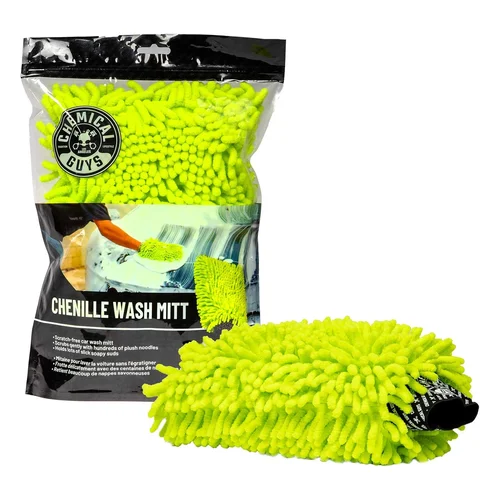
Microfiber Wash Mitt
Traps grit in fibers instead of dragging across the surface
View on Amazon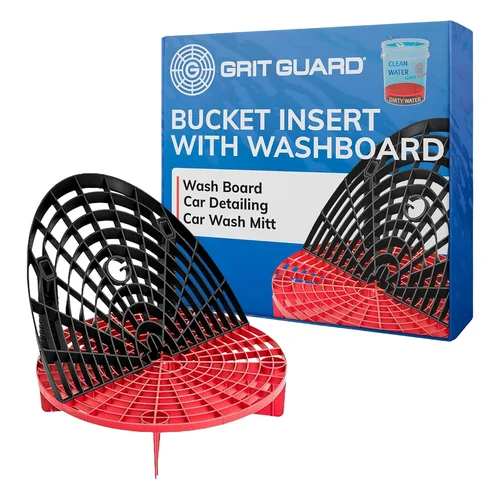
Two-Bucket Wash System
Grit guard in each bucket prevents swirl marks
View on Amazon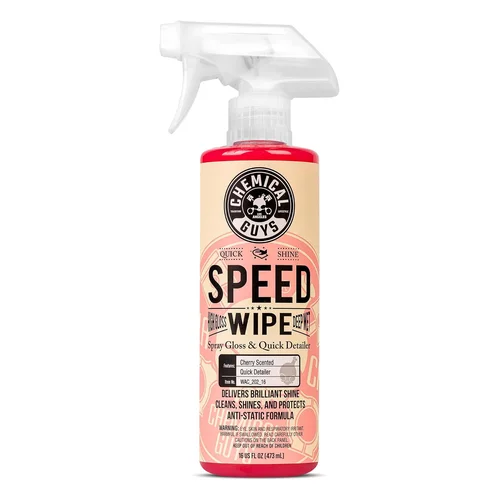
Spray Wax (after 60–90 days)
Easier and safer than paste wax on newer clear coat
View on Amazon| Paint Job Type | First Hand Wash | Auto Car Wash | Wax / Sealant |
|---|---|---|---|
| Touch-up paint (pen/brush) | 3–7 days (avoid spot) | 14 days minimum | 30 days |
| Panel / bumper repaint | 14–30 days hand wash only | 30–60 days | 60 days |
| Full respray (all panels) | 30 days hand wash only | 60–90 days | 90 days |
| Factory paint (new car) | Safe immediately | Safe immediately | Safe immediately |
Factory paint is baked at high temperature during manufacturing and is fully cured before the car leaves the plant. Aftermarket paint applied by a shop is air-dried or force-dried at lower temperatures, which means it needs weeks to months to reach full hardness.
Why Waiting to Wash a Freshly Painted Car Matters
Fresh automotive paint — even after it feels dry to the touch — is still in the process of curing. The solvents in the paint are off-gassing, and the clear coat is still reaching its final hardness. During this window, the paint surface is more porous and softer than cured paint, which makes it vulnerable to several types of damage:
- Water spotting: Minerals in tap water etch into soft clear coat and leave permanent spots that require polishing to remove.
- Swirl marks: Even a soft wash mitt creates micro-scratches in uncured paint that wouldn’t appear in fully cured clear coat.
- Paint lifting: Pressure washers or automated brushes can physically lift paint that hasn’t bonded fully to the primer beneath it.
- Uneven finish: Solvents still escaping through the surface can create fish-eye effects or orange-peel texture when disturbed by water or chemicals.
How Long Should You Wait to Wash Your Car After Painting?
Standard Wait Time
The industry-standard recommendation from most body shops and paint manufacturers is 30 days before a full hand wash after any professional paint repair. However, this assumes normal conditions: temperatures between 60–80°F, moderate humidity, and a professional-grade waterborne paint system. Cold weather, high humidity, or solvent-based paint all extend the curing timeline.
Types of Paint and Curing Times
Waterborne paint (used by most shops since 2010 due to environmental regulations) cures faster than solvent-based systems — typically 30 days to full hardness under normal conditions. Solvent-based paint, still used in some shops and for classic car restorations, takes longer — often 60–90 days to fully cure because the solvents evaporate more slowly.
Ask your shop which paint system they used. Most will tell you the specific wait time they recommend for your job.
Environmental Factors
Temperature is the biggest variable: paint cures through a chemical reaction that slows in cold weather. Below 60°F, add 50% more time to any wait period. At 40°F or below, double it. High humidity (above 70%) also slows solvent evaporation and extends cure time. Direct sunlight accelerates curing but can cause uneven cure rates across panels — park in shade for the first two weeks.
How Long After a Touch-Up Paint Job Can You Wash?
Touch-up paint applied from a pen or brush is a much smaller volume of paint than a panel respray, so it cures faster — but it’s also more vulnerable because it’s applied over existing paint and clear coat without the same prep process a body shop uses.
Wait at least 3–7 days before washing the car at all. When you do wash, avoid directing water or the mitt directly at the touch-up spot for at least two weeks. Wait 30 days before applying any wax or sealant over a touch-up area. Automated car washes use brush pressure that can abrade a fresh touch-up spot — avoid for at least 14 days.
How to Wash Your Car Safely After the Wait
Step 1: Gather Supplies
Use a pH-neutral car wash soap (not dish soap — too alkaline), two buckets (one soapy, one rinse water), a clean grit guard in each bucket, a soft microfiber wash mitt, and microfiber drying towels. Avoid chamois leather on fresh paint — it drags across the surface with too much pressure.
Step 2: Rinse First
Use a garden hose on gentle flow — not a pressure washer. Rinse from top to bottom, keeping the nozzle at least 18 inches from the surface. The goal is to float off loose dirt and debris before the mitt touches the paint. Any grit left on the surface will cause scratches during washing.
Step 3: Wash with the Two-Bucket Method
Load the mitt from the soapy bucket, wash one panel with straight overlapping passes (not circular), then rinse the mitt in the plain water bucket before reloading. This keeps grit out of your wash water. Use very light pressure — let the soap do the work. Work top to bottom, saving the lower panels and wheels for last since they carry the most road grit.
Step 4: Rinse and Dry
Rinse completely with the garden hose (gentle flow). Dry immediately with clean microfiber towels using a blotting/patting motion rather than wiping — wiping creates swirl marks even on cured paint. For fresh paint, a leaf blower or car dryer blowing air through panels is the safest drying method of all since nothing touches the surface.
Step 5: Inspect the Paint
After drying, inspect the repaired areas in bright light. Look for water spots, uneven sheen, or any areas where the paint looks different from surrounding panels. Minor water spots from a first wash are normal — they usually wipe off with a quick detailer spray once the paint is fully cured. Anything more serious should be reported back to your body shop — most reputable shops offer a 30-day workmanship warranty.
What Happens If You Wash Too Soon?
Scratches and Swirl Marks
Uncured clear coat is significantly softer than cured clear coat. Even a clean microfiber mitt dragged across it creates swirl marks that are invisible until the sun hits the panel at an angle. On fully cured paint, the same mitt would cause no damage. These swirl marks require machine polishing to remove — which is ironic, since most people wash the car early because they want it to look good.
Uneven Finish
Water, especially hard water with high mineral content, can interfere with solvents still off-gassing through the surface. This can cause fish-eye dimples, a blotchy appearance, or an uneven sheen that wasn’t there when you picked up the car. In mild cases, these cure out over time. In severe cases, the panel needs to be re-cleared.
Peeling or Lifting
High-pressure washing (1,500+ PSI) at the edges of a fresh repair can physically lift paint that hasn’t fully bonded. This is most common at the blend line — where new paint meets old — and at body panel edges. Once paint lifts, the only fix is to sand it down and repaint the area.
Reduced Durability
Paint that’s washed or waxed before it fully cures may never reach its designed hardness level. The solvent trapped under a wax layer can’t escape properly, leading to paint that stays softer than it should — making it more susceptible to rock chips, scratches, and UV fade over its entire lifespan.
How to Care for Your Car While Waiting
Keep It Covered
Park in a garage if possible. If you must park outside, use a breathable car cover — not a plastic tarp, which traps moisture and heat against the paint surface. A breathable cover protects against bird droppings, tree sap, and airborne debris while allowing the paint to off-gas normally.
Avoid Direct Sunlight
For the first two weeks, park in shade when possible. Direct sunlight accelerates curing, which sounds beneficial, but uneven sun exposure across panels — one side in sun, one in shade — can cause the paint to cure at different rates and lead to color or sheen inconsistencies.
Wipe Gently with a Dry Cloth
If bird droppings, tree sap, or heavy dust land on fresh paint, address them immediately using a clean, damp (not wet) microfiber cloth with very light pressure. The risk of waiting and letting acidic material etch into soft paint is greater than the risk of a gentle wipe. Don’t rub — blot and lift.
Stay Away from Rain
You can’t avoid rain entirely, but avoid driving through heavy rain in the first week after painting. Light rain is generally fine after 24 hours — it won’t lift paint — but heavy rain and standing water are best avoided for the first week. After the first week, rain is not a concern as long as you don’t pressure-wash immediately after.
Skip Waxing or Polishing
Wax creates a barrier that traps solvents against the paint surface — exactly what you don’t want during the cure period. Wait at least 60 days after a panel repaint and 90 days after a full respray before applying any wax, sealant, or ceramic coating. Your shop may recommend a specific product and timeline — follow their guidance over general rules.
Professional vs. DIY Washing After Painting
DIY Washing
Hand washing is the only recommended method for fresh paint. You control the pressure, the products, and the technique. Use the two-bucket method, a pH-neutral soap, and microfiber only. Cost: essentially zero beyond your time.
Professional Washing
A professional hand-wash detailer who knows you have fresh paint can do the job safely — tell them exactly what was painted and when. Avoid any automated tunnel wash (brush or touchless) for at least 60–90 days. Touchless car washes use high-pressure water and strong alkaline chemicals that can strip soft clear coat — they’re not safe for fresh paint even though no brushes touch the surface.
Factors That Affect Washing Time
Type of Paint
Waterborne paint: 30 days to full cure under normal conditions. Solvent-based paint: 60–90 days. Single-stage paint (color + clear coat in one layer, common on classic cars): similar to solvent-based, 60–90 days.
Quality of the Paint Job
A properly prepped, primed, and painted surface cures more predictably than a rushed job. A shop that applies the correct number of clear coat layers and uses proper flash times between coats will produce paint that cures on schedule. A quick respray with inadequate prep may take longer to cure — or may never fully harden.
Shop Recommendations
Your body shop’s recommendation overrides everything else. They know the specific paint brand, the number of coats applied, the curing method used (air dry vs. force dry in a booth), and the ambient conditions. If they say 14 days, follow that. If they say 45 days, they have a reason.
Climate
Ideal curing conditions: 65–80°F, 40–60% relative humidity. Below 60°F: add 50% to wait times. Below 40°F: double all wait times. Hot and dry (Arizona summer): curing may be faster than standard. Hot and humid (Florida summer): curing may be slower despite heat because humidity slows solvent evaporation.
Common Mistakes to Avoid
Using an automated car wash within 30 days is the most common mistake — the combination of brushes, high pressure, and harsh detergents can damage paint that feels perfectly solid to the touch. Waxing too early seals solvents in. Using a pressure washer on a repaired area before 30 days risks lifting paint at blend lines and edges. Wiping bird droppings off with a dry cloth causes scratches — always use a damp microfiber. And drying with a chamois or paper towels drags grit across soft clear coat — stick to microfiber towels or air drying.
When to Wax or Seal Your Car After Painting
Wax and paint sealants create a barrier over the clear coat. On fully cured paint, this is protective. On fresh paint, it traps solvents underneath and can cause adhesion problems. The minimum wait: 60 days after a panel repaint, 90 days after a full respray. Many shops recommend 90 days minimum for anything, regardless of paint type.
Ceramic coating requires full paint cure — most professional ceramic coating installers will not apply a coating to paint less than 90 days old. If you’re planning a ceramic coating after a paint job, schedule it for the 90-day mark.
Frequently Asked Questions
How long should I wait to wash my car after a new paint job?
At minimum, 30 days for a full hand wash after any professional paint repair. For touch-up paint, 3–7 days before washing (avoiding the spot). Always follow your body shop’s specific recommendation, as it accounts for the paint system and conditions used on your car.
Can I wash my car if it gets dirty before 30 days?
If bird droppings, tree sap, or heavy contamination lands on fresh paint, remove it promptly — the acid damage from waiting is worse than careful cleaning. Use a damp microfiber cloth with very light pressure to blot and lift the contaminant. Avoid anything abrasive and don’t scrub. For general dust and light dirt, leave it until the 30-day mark.
What happens if I wash my car too soon after painting?
The most likely outcomes: water spots from mineral deposits etching into soft clear coat, swirl marks from the wash mitt, and reduced long-term paint hardness from solvents not curing properly. Worst case: pressure washing causes paint to lift at blend lines, requiring a panel respray to fix.
Can I use an automatic car wash after the wait period?
After the full cure period (90 days for a full respray), touchless automatic car washes are acceptable for routine cleaning. Brush-type automated washes are best avoided permanently on any freshly repainted panel — the brushes accumulate grit from other cars and can cause fine scratches even on fully cured paint.
When can I wax my car after a paint job?
No earlier than 60 days after a panel repaint, and 90 days after a full respray. Most shops recommend 90 days as the minimum for any wax or sealant. For ceramic coatings, wait the full 90 days and have the coating applied professionally — most ceramic installers require this wait as a condition of their warranty.
For related guides, see how to restore old car paint, how to fix rock chips on car paint, and are car washes safe for your paint.