Can a Transmission Problem Prevent a Vehicle From Starting?
If your car won’t start, you might be wondering, Can a Transmission Stop a Car From Starting? This can be confusing for a lot of people, especially if you’re new to car problems. The good news is, we’ll break it down in a way that’s easy to follow. We’ll look at the parts involved and how they work. You’ll learn the common reasons and how to check them. Let’s explore what might be happening with your car.
Vehicle Startup Troubles and the Transmission
When your car won’t start, many different things could be the problem. The battery might be dead, the starter could be broken, or maybe there’s an issue with the fuel system. However, the transmission plays a significant role. If it’s not working correctly, it could definitely prevent your engine from firing up. This is because the transmission connects the engine to the wheels. If the transmission has issues, it can often make the car feel like it’s “stuck” and unable to start. The issue may seem simple, but knowing the connection between starting the engine and the transmission can save you time and money on unnecessary repairs.
How the Transmission Works
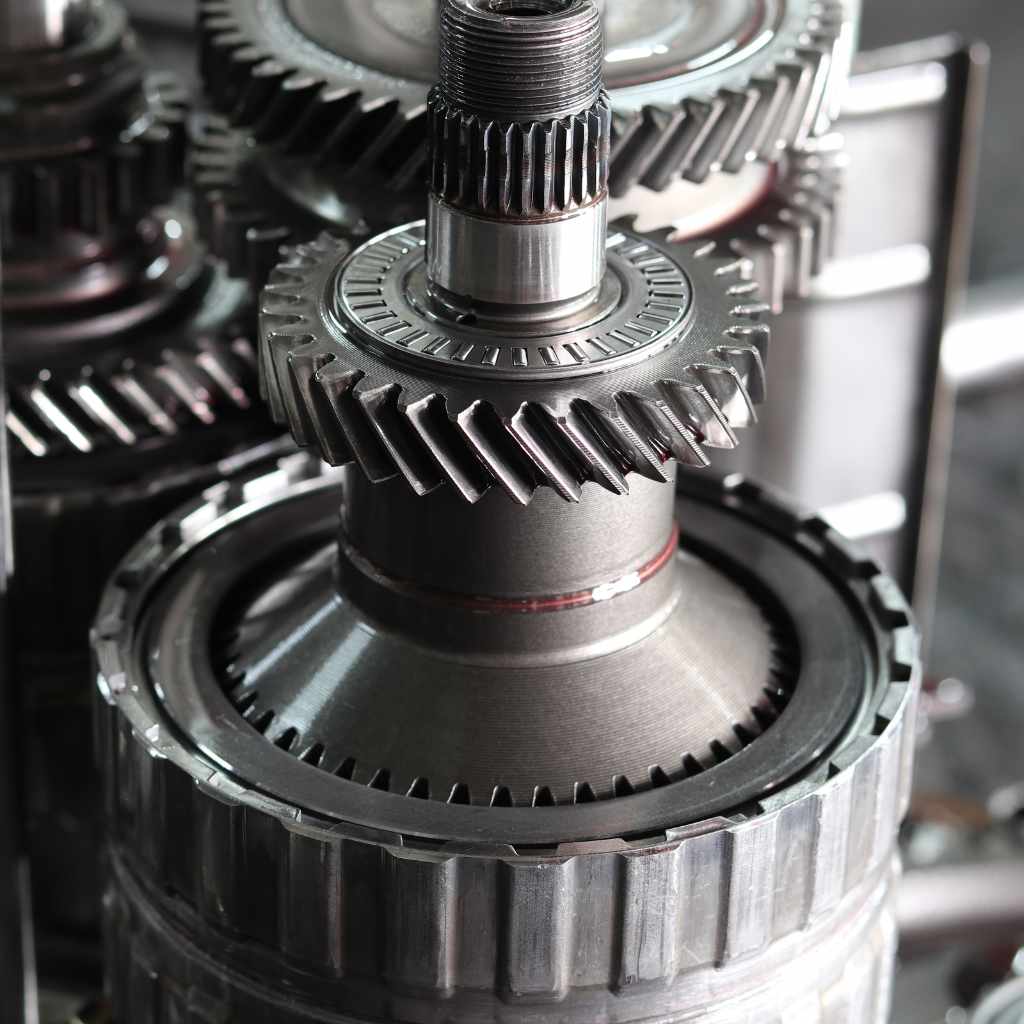
The transmission is a very important part of your car. It transfers power from the engine to the wheels. This allows your car to move at different speeds. You can think of it like the gears on a bicycle, which let you pedal faster or slower, even when going uphill or downhill. There are different types of transmissions, including automatic and manual. No matter the type, the basic function remains the same: to manage the engine’s power so your car can run properly.
Automatic Transmissions: Automatic transmissions do the gear changes for you. They use a system of gears, clutches, and hydraulics to shift smoothly. When the transmission has problems, it can stop the car from starting or cause it to shift gears erratically.
If the transmission isn’t in ‘Park’ or ‘Neutral,’ the car won’t start because the safety system won’t let the engine engage. A faulty sensor could cause the car to think it’s not in the correct gear, which would block the starter. Also, if there’s an internal failure in the transmission, such as a seized gear or damaged clutch, it could effectively “lock up” the transmission, making the engine unable to turn and start.
Manual Transmissions: With manual transmissions, you control the gears with a stick shift. You need to press the clutch to shift gears. Manual transmissions have a different starting system than automatic transmissions. Your car will not start unless the clutch is fully pressed.
The car needs the clutch pedal fully depressed to start, a safety feature that disconnects the engine from the transmission. If the clutch switch isn’t working, or if the clutch itself isn’t engaging properly, the car might not start. This is similar to how an automatic transmission requires the car to be in “Park” or “Neutral” to start. Any problem here can stop the vehicle from starting.
Transmission Fluid: Both automatic and manual transmissions need transmission fluid. This fluid keeps the parts running smoothly and cool. A low fluid level, or contaminated fluid, can hurt the transmission and stop your car from starting.
Transmission fluid is a lubricant and coolant. It helps the gears, bearings, and other parts function correctly. If the fluid is too low, the transmission can overheat and become damaged. Likewise, if the fluid is contaminated, it won’t lubricate effectively, leading to friction and wear. This damage can cause the transmission to seize, thus preventing the engine from starting because it cannot rotate the transmission.
Common Transmission Issues and Starting Problems
Several transmission problems can stop a car from starting. Problems with the gear selector, like a faulty park/neutral safety switch, are common. The transmission might seem to be in ‘Park’, but the switch is not working correctly. This prevents the starter from engaging. Internal transmission failures like seized gears or damaged torque converters can also lock up the transmission. These problems make it impossible for the engine to turn over and start the car. Recognizing these potential problems early can save you from bigger and more costly repairs down the road.
Park/Neutral Safety Switch Issues: This switch is a safety feature on automatic transmissions. It ensures the car only starts when in ‘Park’ or ‘Neutral’. If the switch malfunctions, it may not signal the car’s computer that it’s safe to start, even when the gear selector is in the right position.
The switch sends a signal to the car’s computer, allowing the starter to engage. A common issue is corrosion or damage to the switch’s internal components. This prevents it from making the correct electrical connection, stopping the starter motor from working. If the switch fails, the car won’t start until the switch is either replaced or repaired.
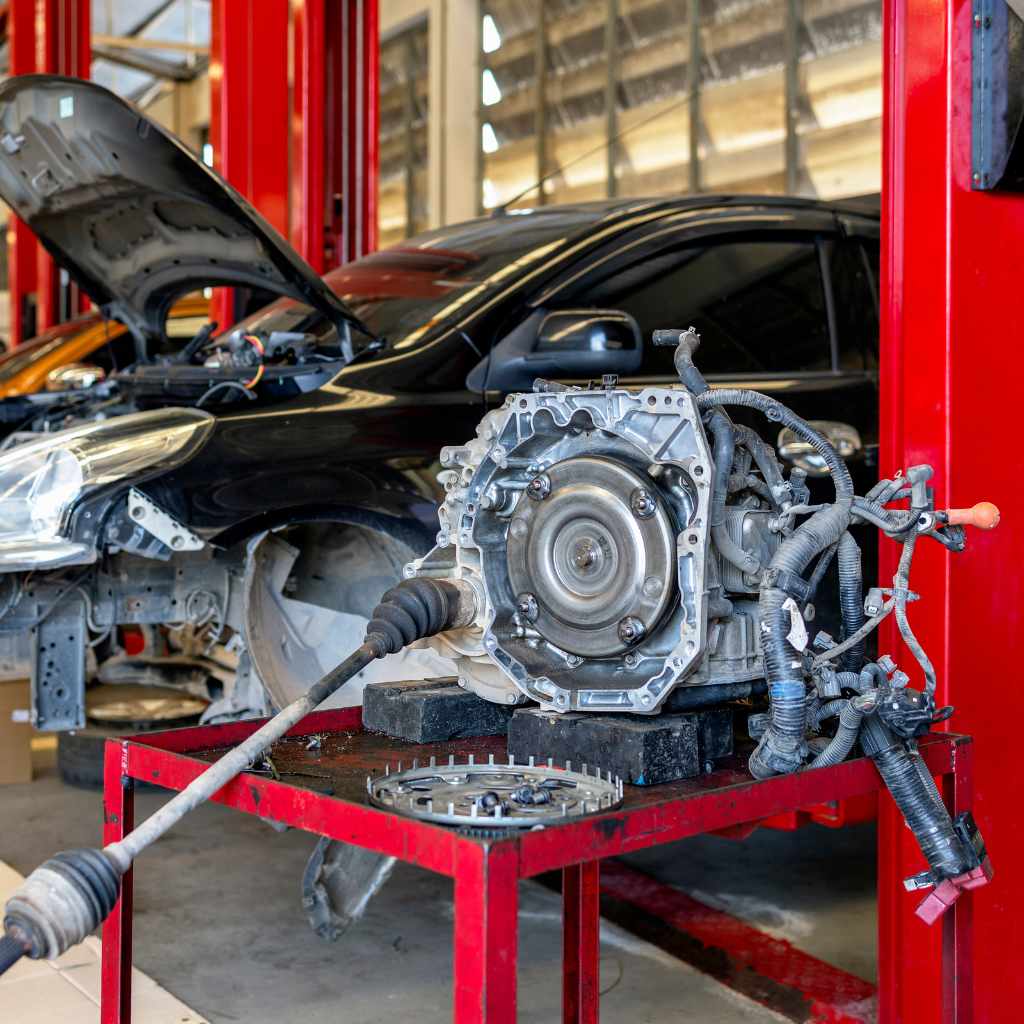
Torque Converter Problems: The torque converter is part of an automatic transmission that transmits power from the engine to the transmission. If it fails, the engine may not be able to turn the transmission. This is especially true if the converter has seized up.
A damaged or seized torque converter can lock the engine. The converter is filled with fluid. Its job is to transfer power. If the bearings or seals inside the converter wear out, it can seize. When this happens, the engine can’t turn. This prevents the car from starting. Replacing the torque converter is often necessary to fix the problem.
Gear Selector Cable Problems: The gear selector cable connects the gear selector lever (the one you move to shift gears) to the transmission. If this cable breaks or becomes disconnected, the car may think it’s in park. But the transmission may not actually be in ‘Park’.
The cable physically moves the gear selector within the transmission. If the cable is broken, the driver’s gear selection will not match the transmission’s actual state. This misalignment prevents the car from starting. The cable may break due to wear, age, or damage. Replacing or adjusting the cable will be required for the car to function correctly.
Troubleshooting Transmission-Related Starting Problems
If your car won’t start, and you suspect a transmission issue, there are a few simple steps you can take. First, make sure the gear selector is firmly in ‘Park’ or ‘Neutral’. Try wiggling the gear selector to ensure a good connection. Check the battery voltage to rule out a dead battery. Listen for any unusual sounds when you turn the key, such as a clicking noise, which could indicate a problem with the starter motor. If you can, check the transmission fluid level and look for any leaks. These easy checks may help you identify the problem before heading to a repair shop.
Initial Checks and Diagnostics
When you’re trying to figure out why your car won’t start, the first steps are simple. Begin by making sure your car is actually in ‘Park’ (or ‘Neutral’ for manual transmissions). Check that the battery has enough power, then listen for any noises when you try to start the car. These actions can tell you a lot about what is happening.
Check the Gear Selector: Make sure the gear selector is fully in ‘Park’ (for automatic transmissions) or that the clutch pedal is fully depressed (for manual transmissions). Sometimes, the selector might not be fully engaged.
Ensure the gear selector is firmly in the correct position. The safety switches rely on this placement to permit the car to start. When the selector isn’t correctly positioned, the safety switch does not activate, and the starter will not engage. This is the simplest check but often resolves the problem.
Battery Check: A weak battery can cause many starting problems. Check the voltage with a multimeter. A fully charged battery should read around 12.6 volts.
A low battery voltage could mean the starter does not get the energy it needs. If the voltage is low, you might need to jump-start the car or replace the battery. The starting system depends on a healthy battery to work. If you have a jump starter, it is a good idea to keep it in your trunk.
Listen for Unusual Noises: When turning the key, pay attention to any noises the car makes. A clicking sound often indicates a problem with the starter motor or a weak battery. If you hear nothing at all, it might suggest a problem with the starter relay or a safety switch.
The sounds can provide clues to the source of the problem. A clicking noise usually means the starter is receiving power but can’t turn the engine over. No sound at all might indicate an electrical problem. You will also want to listen for any grinding noises, which might indicate a problem within the transmission.
Advanced Troubleshooting Techniques
If the simple checks don’t work, you might want to try some more advanced troubleshooting. You can test the park/neutral safety switch to see if it’s working. Check the starter relay to see if it’s getting power. You can also examine the wiring and connectors around the transmission for any damage. Knowing these next steps can help you pinpoint the issue.
Testing the Park/Neutral Safety Switch: Use a multimeter to test the switch. You’ll need to know the switch’s wiring. If the switch isn’t working, the car won’t start.
The park/neutral safety switch is key to allowing the car to start in ‘Park’ or ‘Neutral’. You can use a multimeter to check the continuity of the switch. If there is no continuity when the car is in ‘Park’ or ‘Neutral’, the switch is the problem. Replacement of the switch will then be required.
Checking the Starter Relay: The starter relay sends power to the starter motor. Check the relay by swapping it with another one of the same type (like the horn relay). If the car starts after the swap, the relay was the issue.
The starter relay is a small electrical switch that allows a small amount of power to control a much larger amount of power. If the relay fails, the starter motor will not get power. Swapping the relay with one that is working is a quick way to diagnose this issue. If the car starts, the relay was at fault.
Visual Inspection of Wiring and Connectors: Look for any loose or corroded wiring. Inspect the connectors around the transmission. Make sure the connections are secure.
Damage to the wiring and connectors can cause electrical issues. Look for any exposed wires or corroded terminals. This visual inspection can spot problems that may have gone unnoticed. If you see any damage, repairing or replacing the affected parts is necessary for your car to start.
Real-World Examples of Transmission Problems
Sometimes, seeing how transmission problems can stop a car from starting in real life helps make it clear. Consider a person whose automatic transmission failed due to a lack of maintenance. The torque converter seized up. As a result, the engine could not turn the transmission and therefore, the car would not start. Another example involves a manual transmission, where the clutch switch failed, so the car could not recognize when the clutch was being pushed. These cases show the practical results of transmission issues.
-
- Case Study 1: Automatic Transmission Failure Due to Neglect
A car owner neglected regular transmission fluid changes. Over time, the fluid broke down, and debris built up in the transmission. The torque converter, a critical component, eventually failed and seized up due to the lack of lubrication and the buildup of debris. The engine could not rotate the seized torque converter. Consequently, the car would not start. Replacing the transmission was the necessary repair to get the car back on the road. This case illustrates the consequences of poor maintenance.
-
- Case Study 2: Manual Transmission Clutch Switch Failure
A driver had a manual transmission car that wouldn’t start. The car was equipped with a clutch safety switch that prevented the car from starting unless the clutch pedal was fully depressed. The switch had worn out over time. The switch failed to signal to the engine management system that the clutch was engaged. The result was that the car would not start, even when the driver pressed the clutch pedal. Replacing the clutch switch was the simple and inexpensive solution to the problem.
Situations and Scenarios
Understanding potential scenarios can help you recognize transmission problems that stop your car from starting. If your car won’t start, and you also notice the gear selector feels loose or doesn’t move easily, that could be a clue. Imagine if you also hear a grinding noise when trying to start your car. These scenarios suggest a deeper problem within the transmission. Here are two possible situations that can happen.
-
- Scenario 1: The Gear Selector Feels Loose
You try to start your car, but it doesn’t fire up. You notice that the gear selector feels loose and doesn’t click into ‘Park’ or ‘Neutral’ like it should. In this situation, the cable connecting the gear selector to the transmission might have broken or become disconnected. This prevents the car from starting because the car’s computer might not detect that the car is in the correct gear.
-
- Scenario 2: Grinding Noise on Startup
You turn the key, and you hear a grinding noise instead of the engine starting. This noise could be related to problems within the transmission, such as damaged gears or a failing torque converter. The grinding sound is a clear sign of internal damage. It is a sign that the transmission components are struggling to turn. This situation usually means the car won’t start.
Can a Transmission Stop a Car From Starting?
Statistics show that a significant percentage of car breakdowns are related to transmission issues. According to data from the National Highway Traffic Safety Administration (NHTSA), transmission failures are a leading cause of vehicle repair costs. Knowing the potential problems can help you be better prepared. A little knowledge can go a long way when it comes to vehicle care. Here are some key points about how the transmission can affect your car’s ability to start.
The Transmission Can Prevent Starting: Yes, in many cases, transmission problems can stop a car from starting. Issues with the park/neutral safety switch, torque converter failures, or problems with the gear selector can all prevent the engine from engaging.
The transmission is a crucial link between the engine and the wheels. If a component in the transmission is damaged or not working correctly, it can physically block the engine from starting. Problems here can trick the car’s computer, preventing the starter from engaging the engine.
Automatic vs. Manual Transmission Considerations: Automatic and manual transmissions have different starting mechanisms, but both can have issues that prevent starting. Automatic transmissions rely on the park/neutral safety switch, while manual transmissions need the clutch pedal to be fully pressed for the car to start.
Automatic cars need the transmission in ‘Park’ or ‘Neutral. If the switch that detects this fails, the car won’t start. Manual cars need the clutch pressed. If the switch monitoring the clutch fails or the clutch itself is damaged, the car can’t start either. So, the potential failure points are different.
Maintenance is Key: Regular maintenance, such as changing transmission fluid, can help prevent many transmission problems. Neglecting this maintenance can lead to more serious issues that could stop your car from starting.
Regular maintenance ensures the transmission functions smoothly. Replacing the transmission fluid, for example, removes debris and keeps the internal parts lubricated and cool. Neglecting the maintenance can lead to overheating, wear, and eventual failure of transmission components. This is a key reason for transmission failure.
Diagnostic Steps: Knowing the simple steps can help you diagnose transmission problems. Starting with checking the gear selector position, battery voltage, and listening for unusual noises can help narrow down the issue.
The first steps involve checking the obvious things. Ensure the car is in ‘Park’ or ‘Neutral’, checking the battery condition, and listening for any odd noises. Following these simple steps can help you eliminate some possible causes and focus your efforts.
| Transmission Component | Potential Problem | Effect on Starting |
|---|---|---|
| Park/Neutral Safety Switch | Failure to signal correct gear | Prevents starter engagement |
| Torque Converter | Seized or damaged | Locks engine, preventing startup |
| Gear Selector Cable | Broken or disconnected | Prevents correct gear selection |
Frequently Asked Questions
Question: Can a faulty transmission prevent a car from cranking?
Answer: Yes, problems within the transmission system, such as a locked torque converter or a faulty park/neutral safety switch, can prevent the engine from cranking, meaning it won’t even attempt to start.
Question: What’s the difference between a car not starting and a transmission problem?
Answer: When a car won’t start at all, there might be a dead battery, a faulty starter, or a problem with the ignition system. If it’s a transmission issue, the engine might crank, but the transmission’s issues will block it from starting.
Question: How do I know if my transmission is failing?
Answer: Signs of transmission failure include problems shifting gears, strange noises (whining, clunking), leaks of transmission fluid, and a burning smell. These can lead to starting problems.
Question: How does the park/neutral safety switch work?
Answer: The park/neutral safety switch is a safety feature on automatic transmissions. It is used to ensure the car only starts when the gear selector is in ‘Park’ or ‘Neutral.’ This prevents the car from moving unexpectedly.
Question: What can I do to keep my transmission running well?
Answer: The best way to keep your transmission in good condition is to have it serviced regularly. Change the transmission fluid and filter according to the manufacturer’s recommendations. It is important to avoid aggressive driving and keep an eye on any warning signs like strange noises or shifting problems.
Final Thoughts
So, Can a Transmission Stop a Car From Starting? Absolutely, it can. We’ve explored how transmission problems, like issues with the park/neutral safety switch or a seized torque converter, can prevent your car from starting. By knowing how the transmission works and the common issues, you can diagnose starting problems better. Remember the basic checks: ensure your car is in ‘Park’ or ‘Neutral,’ check the battery, and listen for unusual sounds. Knowing these steps may help you avoid more extensive and expensive repairs later. When you take good care of your car, it takes care of you.