Torque Converter for Car: How It Works, Symptoms & Cost
A torque converter is the fluid coupling that connects your engine to an automatic transmission, letting the car sit in gear at a stop without stalling while still multiplying torque for a smooth launch.
When one wears out, you will usually notice slipping, shuddering, or delayed shifts well before the transmission gets stuck in one gear. Most torque converter replacements run $500 to $1,500 in parts and labor, and on GM’s bolt-together automatics the converter-to-flexplate bolts matter too, since a stripped or reused bolt can mimic a bad converter.
How a Torque Converter Works
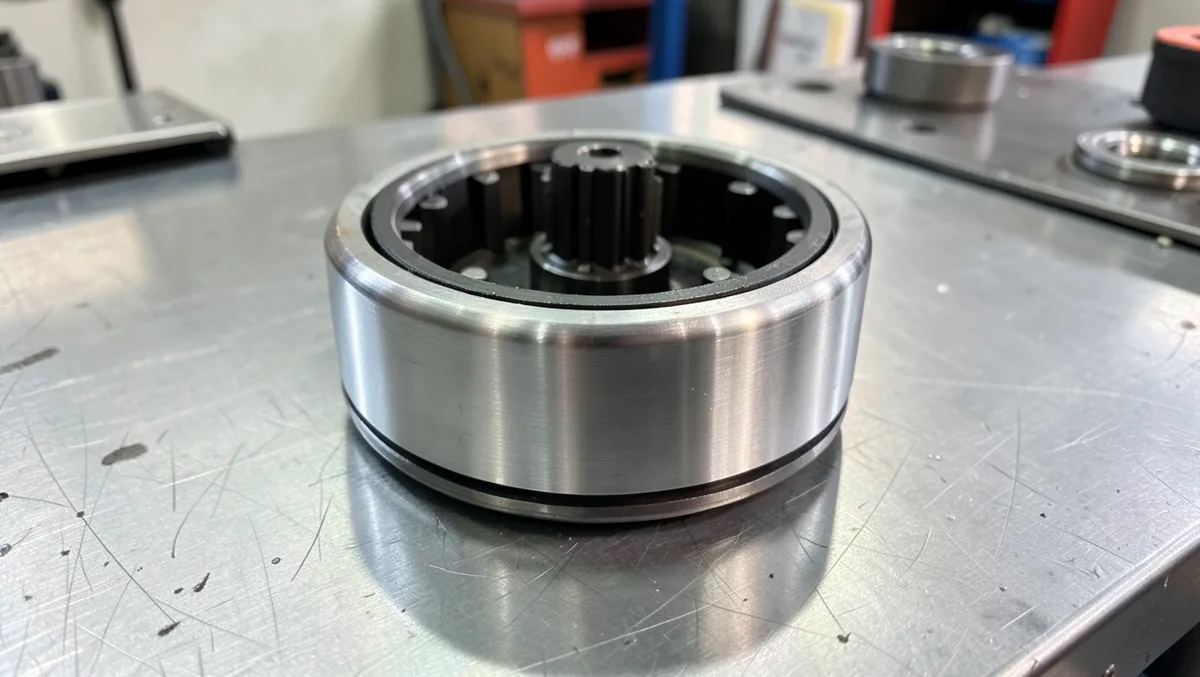
Inside the sealed housing, an impeller bolted to the engine’s flexplate spins the transmission fluid, a turbine connected to the transmission’s input shaft picks up that fluid flow, and a stator between the two redirects the fluid to multiply torque at low speeds. That fluid coupling is what lets an automatic-transmission car sit in gear at a stoplight without stalling, since there is no mechanical clutch plate locking the engine directly to the wheels. Once the car reaches cruising speed, a lockup clutch inside the converter clamps the impeller and turbine together to stop the fluid from slipping, which is what improves highway fuel economy on most modern automatics.
Signs of a Bad Torque Converter
A failing torque converter tends to show a few specific symptoms rather than just a generic “transmission problem” feeling:
- Slipping under acceleration, where engine RPMs climb without a matching increase in speed
- Shuddering or vibration between roughly 30 and 45 mph, most noticeable when the lockup clutch engages
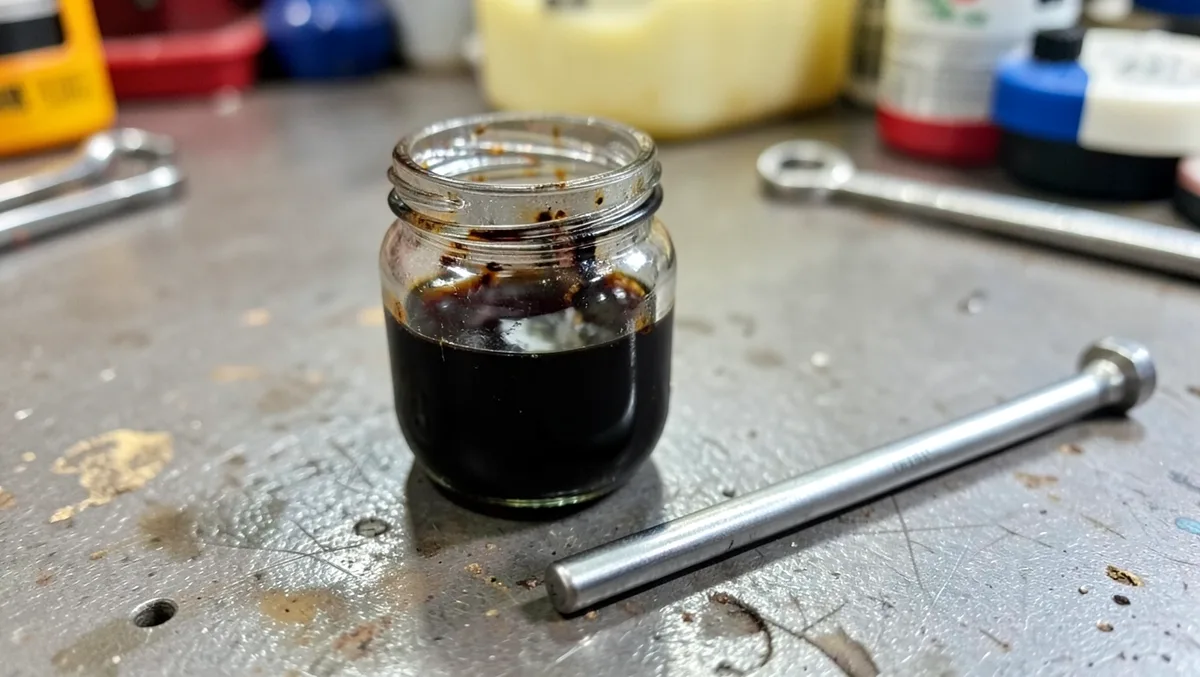
- Transmission fluid that looks dark, smells burnt, or runs hotter than normal
- Delayed engagement when shifting into Drive or Reverse, or harsh, clunky gear changes
- A whining, clicking, or grinding noise coming from the bellhousing area
- A stall speed that is noticeably higher than the vehicle’s normal RPM before it starts moving
Torque Converter Replacement Cost
Replacing a torque converter typically costs $500 to $1,500 in parts and labor on most cars, though the exact number depends heavily on the vehicle. The converter itself is often $150 to $400, but a shop usually has to drop the transmission partway out of the car to reach it, and that labor is the bigger part of the bill. Luxury, all-wheel-drive, and CVT-equipped vehicles tend to land at the higher end of that range.
Before paying for a new converter, it is worth having a shop check your transmission fluid level and condition first. Fluid that is low or badly burnt can produce the same slipping and shuddering symptoms as a genuinely failed converter, and a fluid and filter service costs far less than a converter swap.
ARP Torque Converter Bolt Kit for GM 4L60E, 4L80E & 700R4 Transmissions
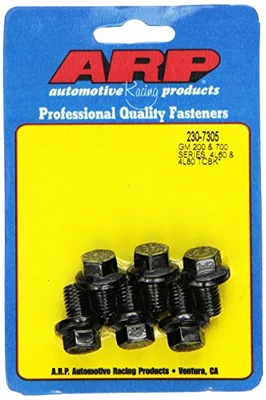
The ARP 230-7305 Pro Series bolt kit is built for GM’s TH200, TH700-R4, TH350, 4L60E, and 4L80E automatic transmissions, the same bolt-together torque converters used in millions of trucks and SUVs. Each bolt secures the converter to the flexplate, so a stripped or corroded factory bolt is a common reason a shop finds a shuddering converter that otherwise tests fine. ARP’s bolts are chromoly steel rated well above stock hardware, which matters if you are reinstalling a converter after a rebuild or a stall-speed upgrade.
To buy this product, click here.
Spectre Performance Torque Converter Bolt Set
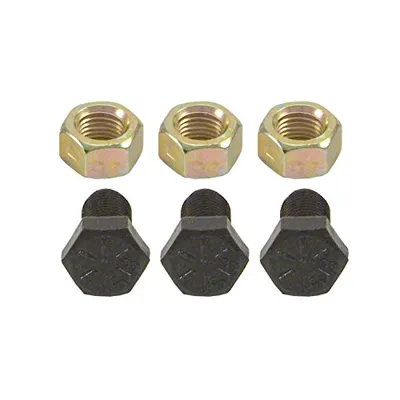
Spectre’s 4697 torque converter bolt set is a lower-cost option for the same GM bolt-together converters, sold as a pack of the hex-head bolts used to fasten the converter to the flexplate. At under $6, it is a reasonable pickup if you strip or lose an original bolt during a transmission service, though you should always torque these fasteners to the spec listed in your factory service manual rather than guessing.
To buy this product, click here.
Frequently Asked Questions
What Does a Torque Converter Do in a Car?
A torque converter is a fluid coupling that connects the engine to an automatic transmission. It lets the engine keep running while the car is stopped in gear, and it multiplies torque during acceleration before a lockup clutch takes over for cruising.
What Are the Warning Signs of a Bad Torque Converter?
The most common signs are slipping under acceleration, shuddering between 30 and 45 mph, delayed or harsh gear changes, a higher stall speed, and transmission fluid that looks dark or smells burnt.
How Much Does It Cost to Replace a Torque Converter?
Most torque converter replacements run $500 to $1,500 in parts and labor, with luxury and all-wheel-drive vehicles typically at the higher end. Parts alone are usually $150 to $400.
What Are Torque Converter Bolts For?
Torque converter bolts fasten the converter to the engine’s flexplate on bolt-together automatic transmissions like GM’s 4L60E, 4L80E, and 700R4. A stripped, corroded, or missing bolt can cause vibration or noise even when the converter itself is fine, which is why they’re often replaced during a transmission service.
Can a Torque Converter Be Repaired Instead of Replaced?
Some machine shops can rebuild a torque converter by replacing worn seals, bearings, and the stator or clutch, but most independent shops simply swap in a remanufactured or new unit, since a full teardown rebuild is labor-intensive and parts for the internal components are hard to source.
Conclusion
A torque converter is a small, sealed part with an outsized job: connecting your engine to the transmission without a clutch pedal. Catching slipping or shuddering early, and having your fluid checked before assuming the worst, can save you from a $500 to $1,500 repair down the road. Combine that with knowing how long a transmission normally lasts, and you will have a much better sense of whether a shuddering converter is an isolated fix or a sign the whole transmission is nearing the end of its life.
If you are already working on a GM bolt-together transmission, using a real torque converter bolt kit rather than reused hardware is a cheap way to avoid a repeat trip to the shop.
Products related to this article
Sponsored / affiliate links. As an Amazon Associate I earn from qualifying purchases. I may earn additional commission from eligible campaigns.