Can a Weak Battery Make Your Car Run Rough?
It’s a common worry: your car is sputtering, shaking, or just not running smoothly, and you start wondering, Can a Weak Battery Cause a Car to Run Rough? This can feel confusing, especially if you’re new to car care. But don’t stress! Figuring this out is simpler than you might think.
We’ll walk through it step by step, so you know exactly what’s happening and what to do next.
Can a Weak Battery Cause a Car to Run Rough?
Many car owners have experienced that unsettling feeling when their car starts to act up. A rough idle, hesitations during acceleration, or even stalling can be frustrating and sometimes alarming. When these symptoms appear, one of the first things people often consider is the car’s battery.
The question, “Can a weak battery cause a car to run rough?” is a very valid one, and the answer is yes, it absolutely can. While it might not be the most obvious culprit, a battery that’s not performing at its best can send all sorts of confusing signals through your vehicle’s systems, leading to a rough ride.
Your car’s battery is more than just a power source for starting the engine. It’s a vital component that works hand-in-hand with your car’s electrical system to keep everything running smoothly. When the battery is weak, it struggles to provide the consistent, stable voltage that various parts of your car need to function correctly.
This can manifest in several ways, affecting how your engine performs and how your car drives.
The Battery’s Role in Your Car’s Performance
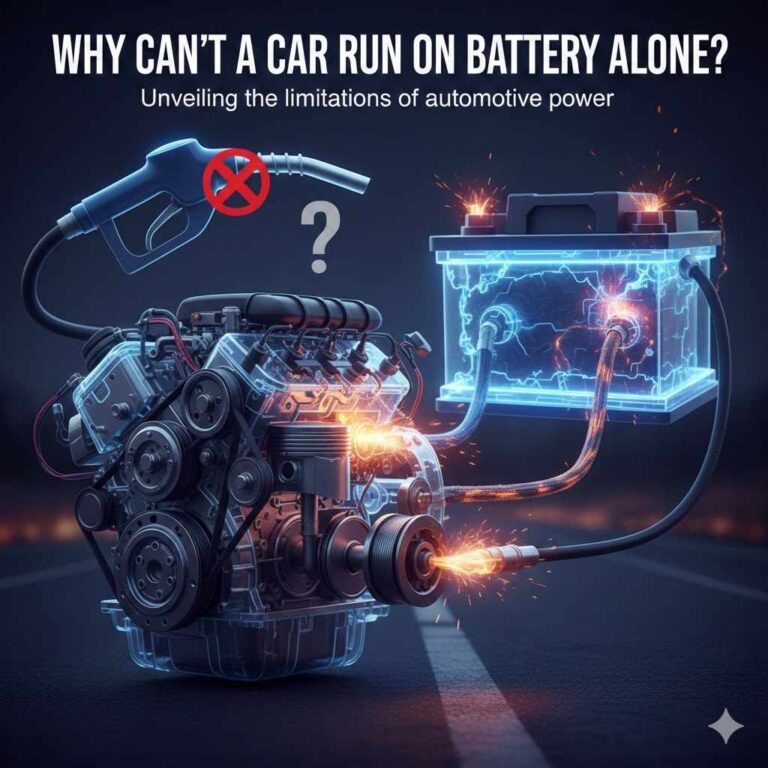
To understand how a weak battery can make a car run rough, it’s helpful to know what a battery actually does. A car battery is a rechargeable device that stores electrical energy. When you turn the key or push the start button, the battery sends a powerful jolt of electricity to the starter motor, which then cranks the engine.
But its job doesn’t end there. Once the engine is running, the alternator takes over to generate electricity for the car’s systems and to recharge the battery.
However, the battery also acts as a voltage stabilizer. It smooths out any fluctuations in voltage coming from the alternator. This steady supply of power is critical for sensitive electronic components.
Modern cars are packed with computers, sensors, and control modules that all rely on a consistent electrical supply. Think of your car’s battery as the central nervous system for its electrical functions. If that system is weak or unstable, other parts will not operate as they should.
How a Weak Battery Affects the Engine
The engine is particularly susceptible to fluctuations in electrical power. The fuel injection system, the ignition system (spark plugs), and various sensors that monitor engine performance all need a stable electrical current to work properly. When the battery is weak, it might not provide enough amperage to consistently power these components, especially under load.
Consider the fuel injectors. These tiny valves spray fuel into the engine cylinders. They are controlled by the car’s computer, which tells them exactly when and how much fuel to inject.
If the electrical power to the injectors is inconsistent due to a weak battery, they might not open or close precisely, leading to an incorrect fuel-air mixture in the cylinders. This can cause misfires, rough idling, and a general lack of power.
Similarly, the ignition system relies on electricity to create the spark that ignites the fuel-air mixture. If the battery’s voltage is low, the spark plug might not get a strong enough spark. This can result in incomplete combustion, which is a primary reason for an engine to run rough.
You might notice sputtering, hesitation, or even the check engine light coming on.
Symptoms of a Weak Battery that Mimic Other Issues
The challenging part is that a weak battery can cause symptoms that are very similar to problems with other parts of the car, like the alternator, spark plugs, or fuel pump. This is why the question, “Can a weak battery cause a car to run rough?” is so frequently asked. Here are some common signs that might point to a struggling battery:
- Rough idling: The engine shakes or vibrates noticeably when the car is stopped.
- Hesitation during acceleration: The car feels sluggish or stumbles when you press the gas pedal.
- Stalling: The engine shuts off unexpectedly, especially at low speeds or stops.
- Difficulty starting: The engine cranks slowly or takes longer than usual to turn over.
- Dimming headlights or interior lights: Lights may flicker or appear dimmer than usual, especially when the engine is not running or at idle.
- Electrical accessories malfunctioning: Power windows, radio, or other electronics might behave erratically.
It’s important to remember that these symptoms can also be caused by other automotive issues. However, if you notice several of these signs together, especially if your battery is older, it’s definitely worth investigating the battery first.
The Alternator’s Interaction with the Battery
While we’re talking about the battery, it’s crucial to mention the alternator. The alternator is responsible for generating electricity when the engine is running. It powers the car’s electrical systems and recharges the battery.
If the alternator is failing, it might not be producing enough power to keep the battery fully charged. In this scenario, the battery would appear weak and could cause the very same rough running symptoms.
A weak battery can also put extra strain on the alternator, causing it to work harder. This can sometimes lead to premature alternator failure. They are very much linked systems, and often, when one is having issues, the other might be affected as well.
A mechanic will often test both the battery and the alternator when diagnosing power-related problems.
Testing Your Car Battery
The best way to know for sure if your battery is the cause of your car running rough is to test it. Fortunately, this is a relatively straightforward process, and many auto parts stores offer free battery testing services.
Methods for Testing a Battery
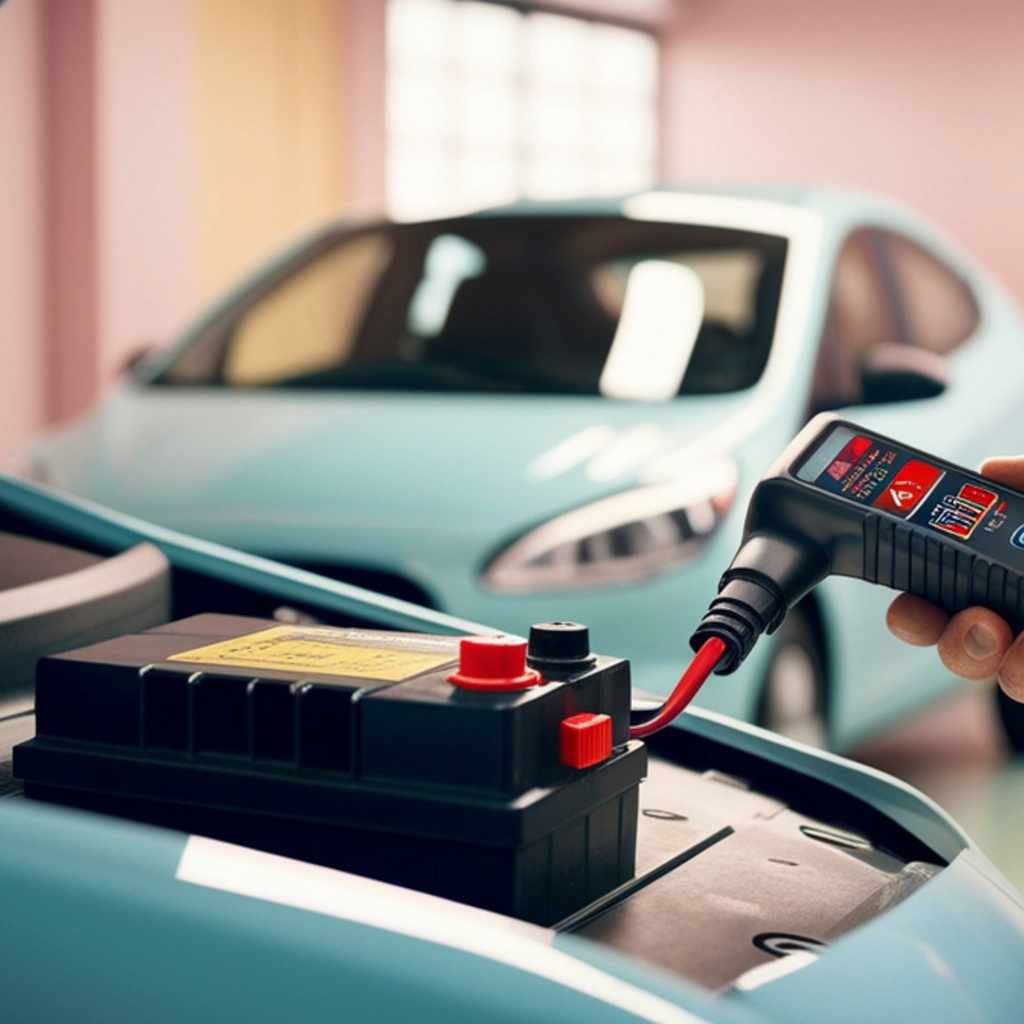
- Multimeter Test: This is a common DIY method. A multimeter is a device that measures voltage. You can connect it to the battery terminals when the car is off. A fully charged battery should read around 12.6 volts. If the reading is significantly lower, the battery may be weak or discharged. You can also test it while the engine is running; the reading should be between 13.7 and 14.7 volts, indicating the alternator is charging the battery.
- Load Test: This test is more accurate and is typically performed by professionals at auto parts stores or repair shops. A load tester simulates the electrical demand placed on the battery when starting the engine. It can reveal if the battery can maintain sufficient voltage under load, which is key to its performance.
- Professional Inspection: If you’re not comfortable with DIY testing, take your car to a mechanic. They have specialized equipment to thoroughly diagnose the battery and the entire charging system.
What if the Battery is Not the Problem?
If your battery tests are good, and your car is still running rough, then the problem likely lies elsewhere. As mentioned, the alternator is a common suspect. Other potential causes include:
- Spark Plugs and Wires: Worn-out spark plugs or faulty spark plug wires can lead to misfires and rough running.
- Fuel Injectors: Clogged or malfunctioning fuel injectors can disrupt the fuel delivery, causing engine performance issues.
- Fuel Pump: A weak fuel pump may not deliver enough fuel pressure to the engine.
- Air Filter: A dirty air filter can restrict airflow to the engine, affecting combustion.
- Mass Airflow Sensor (MAS): This sensor measures the amount of air entering the engine, and a faulty one can cause drivability problems.
- Vacuum Leaks: Leaks in the engine’s vacuum hoses can disrupt the air-fuel mixture.
It’s a good idea to keep a record of the symptoms you’re experiencing and when they occur. This information can be invaluable to a mechanic when they are troubleshooting the issue.
Battery Age and Maintenance
Car batteries don’t last forever. On average, they last between three to five years. If your battery is nearing the end of its lifespan, it’s more likely to start exhibiting signs of weakness, even if it’s not completely dead.
Regular maintenance can help prolong a battery’s life.
- Keep Terminals Clean: Corrosion on the battery terminals can impede electrical flow. Clean them with a wire brush and a mixture of baking soda and water.
- Ensure Proper Connections: Make sure the battery cables are tightly secured to the terminals. Loose connections can cause intermittent power issues.
- Avoid Deep Discharges: Leaving lights on or running accessories with the engine off can drain the battery.
- Check Water Levels (for non-sealed batteries): Some older batteries have removable caps to check the electrolyte levels. If low, distilled water can be added. However, most modern batteries are maintenance-free.
Can a Partially Charged Battery Cause Rough Running?
Yes, a partially charged battery can absolutely cause your car to run rough. Even if the battery has enough juice to start the engine, it might not have enough capacity to maintain the stable voltage required by all the car’s electronic systems once it’s running. This is especially true for modern cars that rely heavily on sophisticated computer controls.
If the battery is struggling to provide consistent power, the engine control unit (ECU) might receive erratic signals, leading to issues like misfires, hesitations, and an unstable idle.
Frequently Asked Questions
Question: How do I know if my car battery is weak?
Answer: Signs of a weak battery include slow engine cranking, dim headlights, electrical components acting strangely, and rough engine performance like hesitation or stalling. A professional battery test is the most reliable way to confirm if your battery is weak.
Question: Can a battery with loose terminals make my car run rough?
Answer: Yes, loose battery terminals can cause poor electrical connections, leading to intermittent power loss or reduced voltage. This can absolutely result in your car running rough, hesitating, or even shutting off unexpectedly.
Question: If my car starts fine, does that mean my battery is good?
Answer: Not necessarily. A battery might have enough power to start the engine but still be weak enough to cause problems with the car’s electrical systems while it’s running. It’s important to test the battery’s overall capacity and its ability to hold a charge.
Question: How long does it take for a weak battery to cause engine problems?
Answer: The onset of engine problems due to a weak battery can vary. Sometimes, you’ll notice symptoms right away, while other times it might be a gradual decline in performance. It depends on how weak the battery is and how much demand is placed on the electrical system.
Question: Should I replace my battery if it’s older than 3 years?
Answer: While batteries typically last 3-5 years, an older battery is more prone to weakening. If your battery is 3 years or older and you’re experiencing rough running symptoms, it’s a good idea to get it tested. It might be nearing the end of its useful life.
Final Thoughts
When your car starts to run rough, it’s natural to feel concerned, and pinpointing the exact cause can seem like a puzzle. The question, “Can a weak battery cause a car to run rough?” is a key one to consider because a struggling battery can indeed disrupt the smooth operation of your vehicle’s engine and electrical systems. Symptoms like sputtering, hesitation, and rough idling are all possible indicators that your battery might not be up to the task.
However, it’s also important to remember that these same issues can stem from other automotive problems, which is why proper testing is so vital. Getting your battery tested, whether by a professional or with a multimeter, can quickly confirm or rule out this common culprit. If the battery checks out, then it’s time to look at other components like the alternator, spark plugs, or fuel system.
Don’t let car troubles keep you guessing; a little bit of investigation can go a long way in getting your car back to running smoothly and reliably.