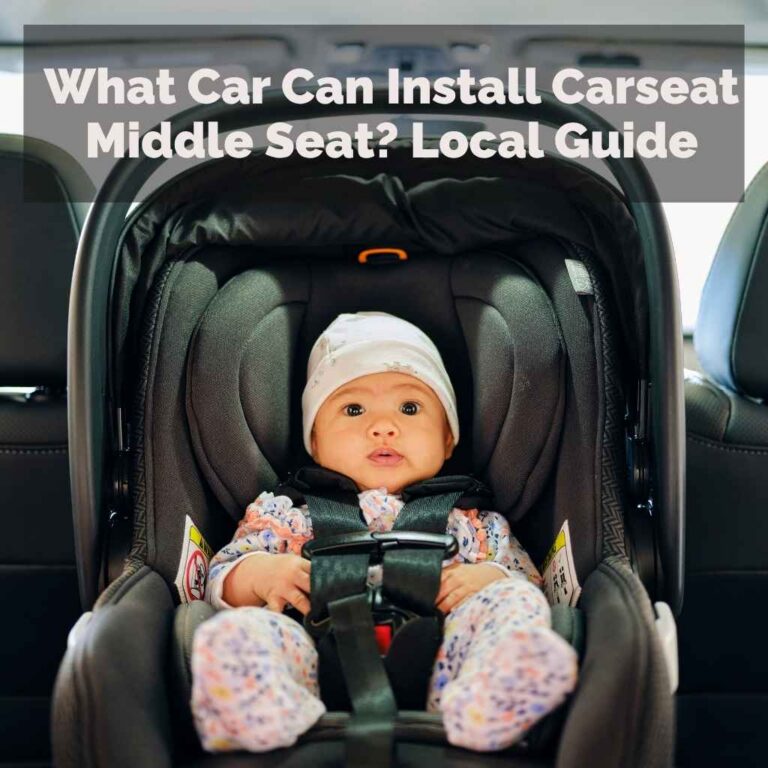
Donate Car Seats: The Safety-First Guide to Giving, Recycling, or Trashing
You finally pulled the old infant seat out of the garage. It’s dusty, the padding is a little flat, but it looks fine. You think about donating it to a local charity. Then you pause — is that even allowed? Is it safe? Will anyone actually take it?
Those are the right questions. The truth is, donating a car seat isn’t as simple as dropping off old clothes. There are strict safety standards, expiration dates, and rules about crash history that determine whether a seat can be reused. This guide walks you through the exact decision process: whether your seat is donatable, where to take it, how to handle trade-in events, and what to do when recycling is the only option. You’ll leave knowing exactly what to do with the seat in your trunk.

My Charity Boxes
Extra Large Suggestion Donation Box, Size 16"…
- Our clear donation box is carefully packaged to ensure that the product is well-protected and not easily damaged during shipping o…
- Designed with convenience in mind, our clear suggestion box is lightweight and easy to carry. Its design allows you to place it in…
- The clear sharp finish of our tip box allows for clear visibility, allowing participants to see the contents inside. This transpar…
Before you pack up that seat, consider how you’ll collect donations if you’re organizing a drive. A clear donation box with a lock and sign holder makes it easy for people to drop off cash or checks at your event. It’s a practical tool for fundraising, separate from the seat donation itself.
Is Your Car Seat Actually Donatable? (The 3-Point Safety Check)
Most charities won’t take a seat unless it passes three basic checks. Run through these before you call anyone.
1. Age and Expiration Date
Car seats expire. The plastic shell degrades over time, especially with heat and cold cycles in a car. Most seats have a stamped expiration date on the bottom or side. If you can’t find one, look for the manufacture date. The general rule: seats expire six years from manufacture for forward-facing seats, and seven to ten years for boosters. Some brands, like Britax, now use ten years for all seats. If it’s past the date, it’s trash or recycle — not donation.
2. Crash History
Here’s the rule that surprises most parents: a car seat involved in any crash — even a minor fender bender — must be replaced. The NHTSA says a seat should be replaced after a moderate or severe crash. But most manufacturers and child passenger safety technicians take a stricter line: any crash where the car was driven away, or where the seat was occupied, means the seat is compromised. The plastic can have invisible stress fractures. Don’t donate a seat that’s been in a crash. Ever.
3. Condition and Recall Status
Look for cracked plastic, frayed straps, missing parts, or a missing instruction manual. A seat missing its manual is effectively useless — no one can install it correctly without the instructions. Check the recall list at the NHTSA website. If your seat has an open recall, it must be fixed before it’s safe to use. Most charities won’t accept a seat with an unresolved recall.
If your seat passes all three checks, you can move on to finding a home for it. If it fails any of them, skip straight to the recycling section below.
Where to Donate Car Seats: Vetted National & Local Charities
Finding a place that accepts used seats takes effort. Many organizations have strict liability policies and will turn you away. Here’s what works.
Charities That Accept Gently Used Seats (With Caveats)
The most reliable option is a local women’s shelter or domestic violence shelter. These organizations often take seats directly from families in need, and they have staff who can check the seat’s history. Call first. Ask if they have a child passenger safety technician on staff — if they do, that’s the best sign they’ll take your seat.
Diaper banks are another good option. Many now run car seat programs alongside their diaper distribution. They know the expiration rules and will only accept seats that are current and clean. Goodwill and Salvation Army locations are hit-or-miss. Some accept seats; many don’t. Call your local store before driving over. The store manager makes the final call, so it helps to ask for them directly.
Some hospitals and fire stations run car seat education programs. They might take your old seat to use as a demonstration model — not for a child, but to show parents what a recalled or expired seat looks like. That’s a legitimate way to give a seat a second life, even if it’s technically not being used in a car again.
Organizations That Will Reject You (And Why)
Places like Goodwill, the Salvation Army, and most thrift stores reject car seats for liability reasons. They can’t verify the seat’s history, and they don’t want to sell a seat that could fail in a crash. Daycares and preschools almost never accept used seats — they’re required to follow strict state licensing rules. And many local charities simply don’t have the trained staff to inspect seats properly.
Don’t take rejection personally. It’s not about your seat; it’s about their legal exposure. If a charity says no, ask if they know a local child passenger safety technician who might take it for a training class.
Retailer Trade-In Events: The Best Way to Get Store Credit
Target runs a car seat trade-in event twice a year, usually in April and September. You bring any old car seat — expired, recalled, broken, anything — to a Target store, and they give you a 20% off coupon for a new seat or other baby gear. The old seats are recycled through a partnership with TerraCycle. It’s the easiest way to get rid of a seat you can’t donate, and you get something back.
Walmart has run similar trade-in events, though less frequently. Their program also accepts any brand of seat and gives a discount on a new one. The catch: these events are limited-time. Mark your calendar, and don’t wait until the last week to drop off your seat — the coupons are often limited per household.
Other retailers occasionally join in. Buy Buy Baby used to run a trade-in program before they closed. Keep an eye on your local baby store or car seat manufacturer’s website for similar offers. The key advantage of trade-ins: you don’t need to worry about the seat’s condition. They take everything.
The Ultimate Car Seat Recycling Guide (By Material Type)
When your seat is expired, crashed, or just too worn out, recycling is the responsible option. But car seats aren’t single-material items. They’re a mix of plastic, metal, foam, and fabric. Here’s how to break one down.
| Material | Where It Is | How to Recycle |
|---|---|---|
| Plastic shell | The main body, the base | Check for a recycling number (usually #5 PP or #2 HDPE). Many curbside programs accept these, but check locally. Some cities have special drop-off days for bulky plastics. |
| Metal parts | Straps, buckles, adjusters | Scrap metal recyclers take these. Remove them with a screwdriver or wrench. Small metal pieces can go in regular recycling if your program accepts them. |
| Foam padding | Under the cover, in the headrest | Foam is rarely recyclable curbside. Some shipping stores accept foam for reuse. Otherwise, it goes in the trash. |
| Fabric cover | The outer layer | If the fabric is clean and not torn, some textile recycling programs take it. Otherwise, cut it up and trash it. |
TerraCycle offers a car seat recycling box program, but it costs money to ship. Check if your local Target trade-in event is active — that’s the free route. Some cities, especially in California, have stricter recycling laws that require you to separate components. Look up your local waste management website for specific rules.
What to Do With an Expired or Recalled Seat (Safe Disposal)
You can’t just toss an expired seat in the trash. Someone might find it and use it, not knowing it’s unsafe. The standard advice from safety experts: destroy it first.
Cut the straps. Every single one. Use scissors or a utility knife. Then remove the padding and the cover. Write “EXPIRED — DO NOT USE” in permanent marker on the plastic shell. If you have a recalled seat, also write “RECALLED” on it. Break the shell if you can — a hammer to the side will crack it, making it obviously unusable. This sounds extreme, but it’s the only way to ensure no one rescues it from a dumpster.
After you’ve destroyed it, you can put the pieces in your regular trash. The plastic shell is bulky, so check with your local waste service about pickup limits. Some areas require you to take large plastic items to a transfer station. The metal parts can go to a scrap yard, and the fabric might be recyclable if your community has a textile program.
One more thing: if your seat was recalled, report it to the NHTSA. That helps them track the effectiveness of recalls. You can file a complaint online in about five minutes.
Creative Upcycling: 3 Safe DIY Projects for Old Car Seats
If you’re handy, an expired seat doesn’t have to end up in a landfill. Here are three practical projects that keep the shell out of the trash.
1. Garden Planter
Remove the straps, padding, and cover. Drill a few drainage holes in the bottom of the shell. Fill it with soil and plant herbs or flowers. The shell’s shape makes a whimsical planter for a porch or patio. It’s not a toy — keep it away from kids who might try to sit in it.
2. Garage Organizer
The shell can hold small tools, paint cans, or gardening supplies. Mount it on a wall with heavy-duty screws through the existing harness slots. It’s a quirky but functional storage bin. Just make sure you’ve removed the straps completely so nothing gets tangled.
3. Pet Bed
Cut the fabric cover into a soft liner, or just add a folded blanket. The shell’s curved shape makes a cozy bed for a small dog or cat. Remove all buckles and metal parts first. This is a popular project among DIY parents, and it gives the seat a genuinely useful second life.
Upcycling is a last resort, not a first choice. Only do this with a seat that’s expired or recalled — never with a seat that’s still safe to use. If your seat is in good condition, donating it is always the better option.
FAQs: Donating vs. Recycling vs. Trashing
Can I donate a car seat that’s been in a minor crash?
No. The crash replacement rule means any seat involved in a crash — even a low-speed fender bender — should be replaced. Invisible damage to the plastic can compromise its performance in a second crash. Donate only seats with no crash history.
Where can I find the expiration date on my car seat?
Look for a sticker or embossed text on the bottom or side of the shell. It’s usually printed as a month and year, like “EXP 2026/06.” If you can’t find it, look for the manufacture date and add six years. When in doubt, contact the manufacturer with the model number.
Does Target take expired car seats?
Yes. Target’s trade-in event accepts all seats, regardless of age or condition. They don’t check expiration dates. You just bring the seat to the customer service desk during the event window, and they give you a coupon for a new seat.
What do I do with a car seat that’s been recalled?
Stop using it immediately. Check the recall notice for the fix — many recalls are repaired with a free replacement part. If the recall is severe, the manufacturer may replace the whole seat. If you can’t get it fixed, destroy the seat following the steps above and dispose of it.
Can I donate a car seat base without the seat?
Rarely. The base is useless without the infant carrier it attaches to. Most charities won’t take a loose base. Your best bet is to check with a local shelter — they might have a matching carrier. Otherwise, recycle the base with the same process as a full seat.
The Bottom Line: A Quick Decision Checklist
Here’s what to do with the seat sitting in your garage right now.
- Check the expiration date. Past it? Destroy and recycle.
- Been in any crash? Destroy and recycle. No exceptions.
- Missing parts or manual? Don’t donate. Recycle.
- Seat is current and clean? Call a women’s shelter or diaper bank first.
- No local charities take seats? Wait for the next Target or Walmart trade-in event.
- Need to trash it? Cut the straps, write “EXPIRED” on the shell, and break it.
- Feeling crafty? Turn the shell into a planter or pet bed — but only if it’s unsafe for use.
Your old seat has one of three fates: a new family, a recycling center, or a landfill. The safety check takes five minutes. Do it right, and you’ll never worry about whether you put a child at risk. For more on keeping your current seat in good shape, check out these car seat covers to protect it from wear. And if you’re shopping for a new seat, a seat protector can help keep your car’s upholstery clean.
Products related to this article
Sponsored / affiliate links. As an Amazon Associate I earn from qualifying purchases. I may earn additional commission from eligible campaigns.
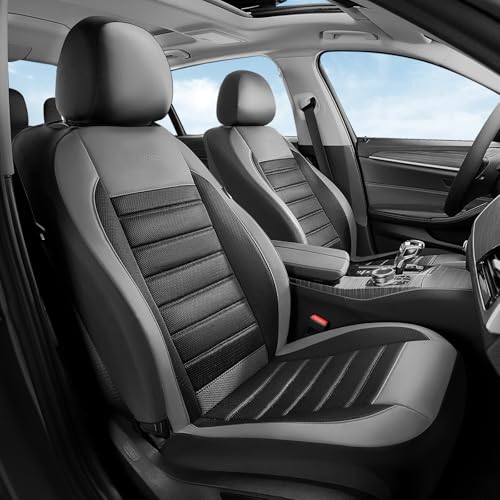 Coverado Car Seat Covers Front Seats, Luxury Leather Car Seat Covers, Automotive Mesh Seat Covers 2 Pack, Airbag-Compatible, Black Gray Seat Covers for SUV Sedan Truck
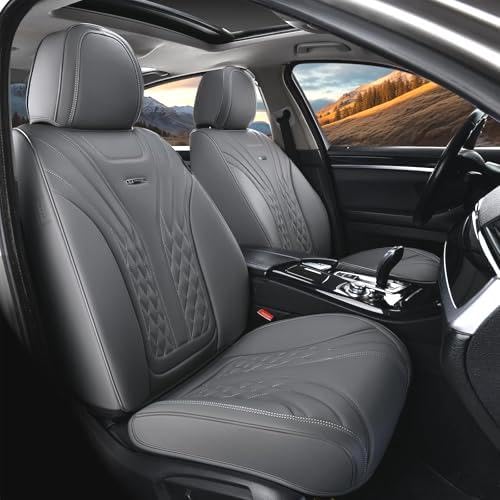 Coverado Car Seat Covers, Car Seat Covers Front Seats, 2-Pack Front Seat Cover, Nappa Leather Waterproof Seat Covers, Car Seat Protectors, Automotive Seat Covers Universal Fit for Most Vehicles