Can FWD Cars Drift? What Drivers Should Know
Many people wonder if cars with front-wheel drive can drift. It’s a common question, especially for drivers new to the idea of sliding their car around a corner. It might seem tricky at first, but it’s actually quite possible with the right approach.
Don’t worry if it feels a bit confusing; we’ll break down Can FWD Cars Drift? What Drivers Should Know in a way that’s easy to follow. Get ready to learn how it works and what you need to keep in mind.
Can FWD Cars Drift? What Drivers Should Know
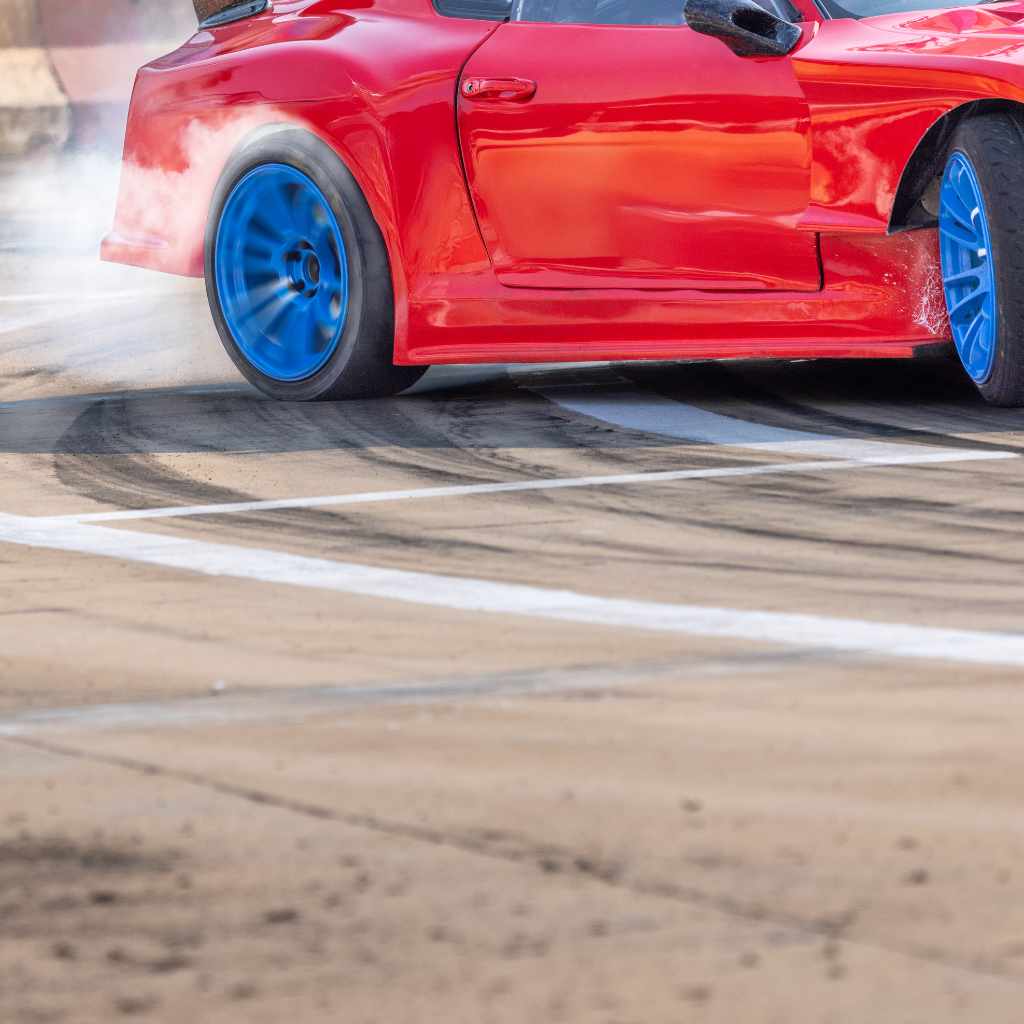
The idea of drifting often brings to mind powerful rear-wheel drive sports cars kicking out their back ends. But can cars that send power to their front wheels also drift? The short answer is yes, FWD cars can drift, but it’s a different experience than drifting with a rear-wheel drive (RWD) vehicle.
The physics involved are different, and achieving a controlled drift requires specific techniques and an understanding of how your car’s power is delivered.
Understanding Front-Wheel Drive Dynamics
In a front-wheel drive car, the engine’s power is sent to the front wheels. These wheels are responsible for both steering and propelling the car forward. This setup is common in most everyday cars because it’s fuel-efficient and generally provides good traction.
When you’re driving normally, the front wheels grip the road to steer you and pull you along.
When you’re trying to drift an FWD car, you’re essentially working against its natural tendency. You want to break the traction of the rear wheels and make them slide, while the front wheels are still trying to pull you forward and steer. This means that the way you initiate and control a drift will be different compared to a RWD car.
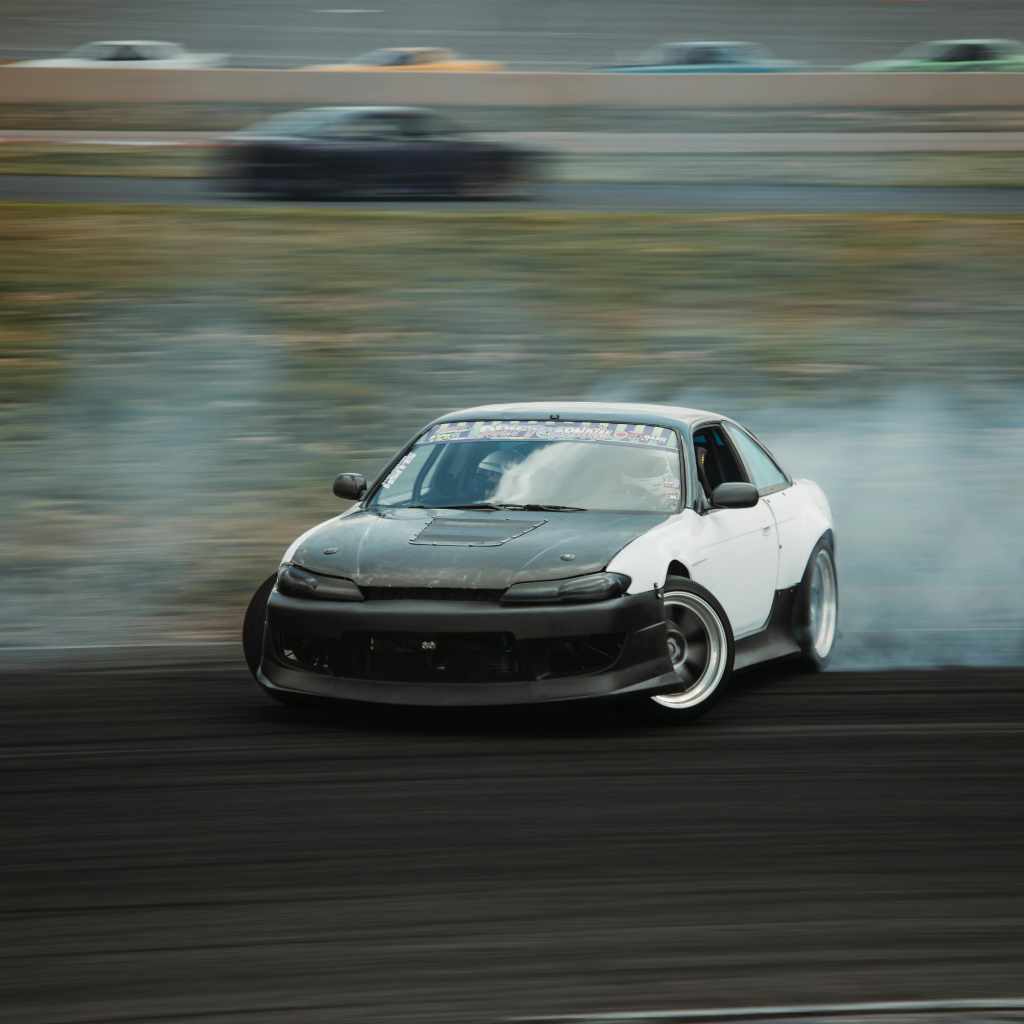
How FWD Cars Drift: The Techniques
Drifting an FWD car typically involves techniques that induce oversteer (the rear of the car sliding out) or help maintain a slide that has already begun. Here are some common methods:
1. The Handbrake Turn (or E-Brake Drift)
This is one of the most accessible ways to start drifting an FWD car. It involves using the parking brake, also known as the handbrake or emergency brake.
- Initiation: As you approach a corner, lightly tap or pull the handbrake. This briefly locks the rear wheels, causing them to lose traction.
- Steering: While applying the handbrake, you’ll need to steer into the corner. The momentary loss of rear grip will cause the back of the car to swing out.
- Control: Once the rear starts to slide, you’ll need to release the handbrake to allow the front wheels to regain some control. You’ll use steering adjustments and throttle control to keep the car in a controlled slide. The front wheels will be working hard to pull the car through the corner while the rear is sliding.
2. The Power Over (or Torque Over) Drift
This technique relies on using the car’s engine power to break rear-wheel traction. It’s often more effective on slippery surfaces like wet roads or gravel.
- Initiation: In a corner, apply enough throttle to overwhelm the rear tires. This can be more challenging in an FWD car because the front wheels are also doing the pulling. You might need to be in a lower gear and apply more aggressive throttle than you would expect.
- Steering: As the rear begins to slide, you’ll use counter-steering (turning the steering wheel in the direction of the slide) to maintain control.
- Control: Throttle control is key here. You need to balance the power to keep the rear sliding without spinning out or losing too much momentum. You may also need to feather the throttle or even briefly lift off it to help the car regain traction if it starts to slide too much.
3. The Clutch Kick
This technique involves momentarily disengaging the clutch and then quickly re-engaging it while applying throttle. This sudden surge of power can break rear-wheel traction.
- Initiation: While turning in a corner, briefly push the clutch pedal in.
- Throttle and Clutch: Quickly press the accelerator and then rapidly release the clutch pedal. This sudden transfer of power can cause the rear wheels to break loose.
- Control: Similar to the power over, you’ll use counter-steering and throttle management to keep the slide going. This method requires precise timing and can be a bit jarring to the drivetrain if done too aggressively.
Challenges Specific to FWD Drifting
While FWD cars can drift, it’s important to be aware of the challenges. Because the front wheels are responsible for both steering and driving, you’re essentially fighting against the car’s inherent design when you try to make the rear slide.
- Understeer Tendencies: FWD cars naturally tend to understeer, meaning the front of the car wants to push wide in a corner. Getting the rear to slide and then controlling it requires overcoming this tendency.
- Less Aggressive Slide: Drifts in FWD cars are often less pronounced and harder to sustain compared to RWD cars. The slide might feel more like a controlled four-wheel drift or a “push” rather than a full rear-end breakaway.
- More Difficult to Initiate: It generally takes more effort and specific techniques to initiate a drift in an FWD car. You can’t simply mash the throttle on a RWD car and expect the rear to step out as easily.
- Torque Steer: When accelerating hard, especially during a drift attempt, FWD cars can experience torque steer. This is when the steering wheel pulls to one side due to the uneven distribution of power to the front wheels.
Is it Safe to Drift an FWD Car?
Drifting, in any vehicle, carries risks. It’s best performed in controlled environments like a closed track or an autocross course, not on public roads. Public roads are not designed for drifting, and attempting it can lead to accidents, damage to your vehicle, and legal trouble.
For FWD cars, the risks can be amplified due to their handling characteristics. If you’re not experienced, you might find it harder to recover from a slide, potentially leading to loss of control. Always prioritize safety and learn these techniques in a responsible manner.
What Drivers Should Know Before Attempting
If you’re curious about trying to drift your FWD car, there are several things you need to be aware of:
- Vehicle Condition: Ensure your car is in good mechanical condition. Check your tires, brakes, and suspension. Worn-out parts can make drifting unpredictable and dangerous.
- Tire Wear: Drifting is very hard on tires. Be prepared for them to wear out much faster than usual.
- Learning Curve: Be patient. It takes practice to get the feel for drifting an FWD car. Start with basic techniques in a safe space.
- Surface Matters: Drifting is much easier and safer to practice on loose surfaces like gravel or dirt, or wet surfaces, where traction is naturally lower.
- Tire Pressure: Slightly lower tire pressure in the rear tires can sometimes help in initiating a slide, but experiment cautiously.
- Electronic Aids: Many modern FWD cars have traction control and stability control systems that are designed to prevent sliding. You may need to disable these systems to drift effectively, but be aware of the increased risk when these safety features are off. Consult your car’s manual for instructions on how to do this.
Comparing FWD Drifting to RWD and AWD
It’s helpful to see how FWD drifting compares to other drivetrains:
| Drivetrain | Ease of Drifting | Common Initiation Techniques | Control Characteristics | Typical Slide |
|---|---|---|---|---|
| Front-Wheel Drive (FWD) | Challenging | Handbrake, Clutch Kick, Power Over (on slippery surfaces) | Requires significant counter-steering and throttle management; can be prone to understeer. | Often a less aggressive slide, more of a controlled push or four-wheel drift. |
| Rear-Wheel Drive (RWD) | Easiest | Throttle Oversteer, Clutch Kick, Handbrake | More direct control over rear-wheel slip, easier to maintain a sustained slide. | Can achieve significant and sustained slides; more predictable breakaway. |
| All-Wheel Drive (AWD) | Variable (depends on system) | Can be complex; often involves throttle and steering inputs, or specific AWD drift modes. | Can be predictable if the system is designed for it, but can also be more prone to all-wheel slides. | Can vary widely; some systems can mimic RWD for drifting, others tend towards understeer or oversteer. |
As you can see from the table, RWD cars are generally the most straightforward for drifting because the rear wheels are not burdened with steering. FWD cars require a more nuanced approach, and AWD systems can offer a range of experiences depending on their design.
The Role of Tires in FWD Drifting
Tires are your connection to the road, and they play a critical role in drifting, especially in an FWD car. For FWD drifting:
- Rear Tires: You want the rear tires to lose grip. Using slightly older or less grippy tires on the rear can sometimes help, but this should be done with caution. On slippery surfaces, even regular tires will break traction more easily.
- Front Tires: The front tires are still crucial for steering and controlling the slide. Good condition front tires are essential for being able to steer out of a slide and regain control.
Experimenting with tire pressures can also be a factor. Slightly lower rear tire pressure can sometimes help initiate a slide, but it can also make the car feel less stable. It’s a balancing act.
What Drivers Should Know About FWD Car Limitations
It’s vital to understand that not all FWD cars are equally suited for drifting. Performance-oriented FWD cars with limited-slip differentials (LSDs) can be more capable than standard models. An LSD helps distribute power more evenly between the front wheels, which can be beneficial.
Cars with a lot of weight over the front wheels and very little power may struggle to break rear traction. Conversely, cars with powerful engines and good suspension geometry might be more amenable to drifting.
Some modern FWD cars have advanced electronic systems that make it very difficult, if not impossible, to drift without disabling them. These systems are designed for safety and stability, and they actively work to prevent wheelspin and slides.
Frequently Asked Questions
Question: Can I drift my everyday FWD sedan?
Answer: It’s possible, but often challenging. You’ll likely need to use techniques like the handbrake turn and practice on slippery surfaces. Modern sedans may have traction control systems that need to be managed.
Question: Is drifting bad for my FWD car’s transmission?
Answer: Aggressive drifting can put extra strain on any car’s drivetrain, including the transmission, clutch, and axles. Doing it excessively or improperly can lead to premature wear or damage.
Question: What’s the easiest way for a beginner to try FWD drifting?
Answer: The handbrake turn is often the most accessible method for beginners. Practicing in an empty, large, slippery parking lot (like one covered in snow or ice) is a safe way to learn.
Question: Will my FWD car have the same kind of drift as a sports car?
Answer: Generally, no. FWD drifts tend to be less dramatic and harder to sustain than those produced by rear-wheel-drive sports cars. You’ll often feel more of a four-wheel slide.
Question: Do I need special tires for FWD drifting?
Answer: While specialized tires exist for drifting, for FWD you can often make do with regular tires, especially on slippery surfaces. However, be prepared for rapid tire wear on dry pavement.
Final Thoughts
So, Can FWD Cars Drift? What Drivers Should Know is about understanding the mechanics and practicing the right techniques. While FWD cars might not be the first choice for many drifting enthusiasts compared to RWD vehicles, they are certainly capable of sliding.
The key lies in using methods like the handbrake, clutch kick, or power application strategically to break rear-wheel traction. It requires a different skill set and often a more controlled, less aggressive slide. Be mindful of your car’s limitations, the surface you’re on, and always prioritize safety by practicing in appropriate locations.
With patience and practice, you can learn to initiate and control drifts in your front-wheel-drive car.