Do All Cars Have an Emergency Brake? What US Law Requires
Yes — nearly every car legally sold in the United States has a parking brake, because federal safety standards require it. What that brake looks like has changed a lot, though: many new vehicles now use an electronic button instead of a hand lever or foot pedal, and a small number of older, custom, or specialty vehicles fall outside the rule entirely. Here’s what the law actually requires, which cars are the real exceptions, and how each type of parking brake works.
What Is a Parking Brake (Emergency Brake)?
BEST BACKUP FOR A WEAK OR FAILING PARKING BRAKE
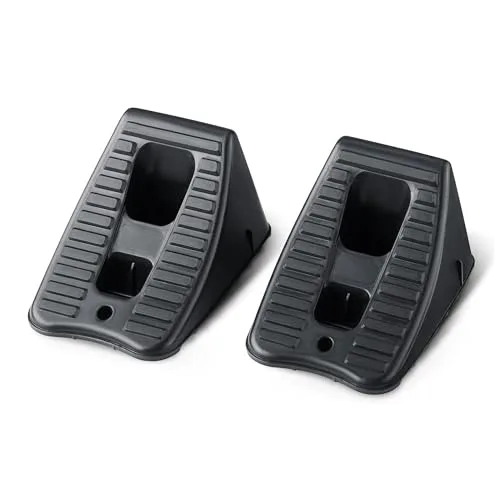 |
Amazon Basics Automotive Wheel Chocks, 2-Pack – $9.57 If a parking brake is weak, stuck, or waiting on a repair, a set of wheel chocks keeps a parked car from rolling in the meantime.
|
A parking brake is a secondary braking system built to hold a car in place once it’s stopped, separate from the hydraulic brakes used while driving. Instead of hydraulic fluid pressing pads against the wheels, a parking brake locks the rear wheels (occasionally all four) using either a mechanical cable pulled by a lever or pedal, or a small electric motor built into the rear brake calipers and controlled by a button.
It gets the “emergency” name from its secondary role: if the hydraulic brakes ever fail completely, the parking brake is the one system that can still slow or stop the car, since it works on a completely separate mechanism. In everyday use, though, its job is much simpler — keep the car from rolling once it’s parked, especially on a hill.
Do All Cars Have a Parking Brake?
For any car built to be sold new in the U.S., yes. Under Federal Motor Vehicle Safety Standard (FMVSS) No. 135, every new passenger car must have a parking brake capable of holding the vehicle stationary on a 20 percent grade for five minutes, in both directions — a requirement that traces back through earlier versions of the same rule and was extended to light trucks, vans, and buses as well. That covers essentially every mass-produced car, truck, SUV, and hybrid or electric vehicle sold today, regardless of price or size.
The real exceptions sit outside that mass-market rule:
- Pre-regulation classics. Some vehicles built before modern brake standards existed used simpler mechanical locks instead of a true parking brake, and depending on how they’ve been maintained or modified since, that original hardware may or may not still be intact.
- Kit cars and low-volume specialty builds. A kit car assembled from a donor chassis and an aftermarket body doesn’t always include a factory-correct parking brake setup — builders sometimes have to source or fabricate one separately.
- Race cars and track-only vehicles. Cars built solely for closed-course competition and never registered for public roads aren’t required to meet FMVSS 135 at all, and some skip a dedicated parking brake entirely.
Outside of those narrow cases, if a car has a title and is street-legal in the U.S., it has a parking brake — the only real question is which type.
Types of Parking Brakes
There are three parking brake designs on the road today. Which one a car has usually comes down to its age and how it’s equipped.
| Type | How It Works | Common In |
|---|---|---|
| Hand Lever (Handbrake) | A lever between the front seats, pulled up to tighten a cable that locks the rear wheels. | Older sedans, hatchbacks, and manual-transmission cars. |
| Foot Pedal | A separate pedal to the left of the brake pedal, pressed down to engage and released with a small handle or a second press. | Older pickup trucks and SUVs. |
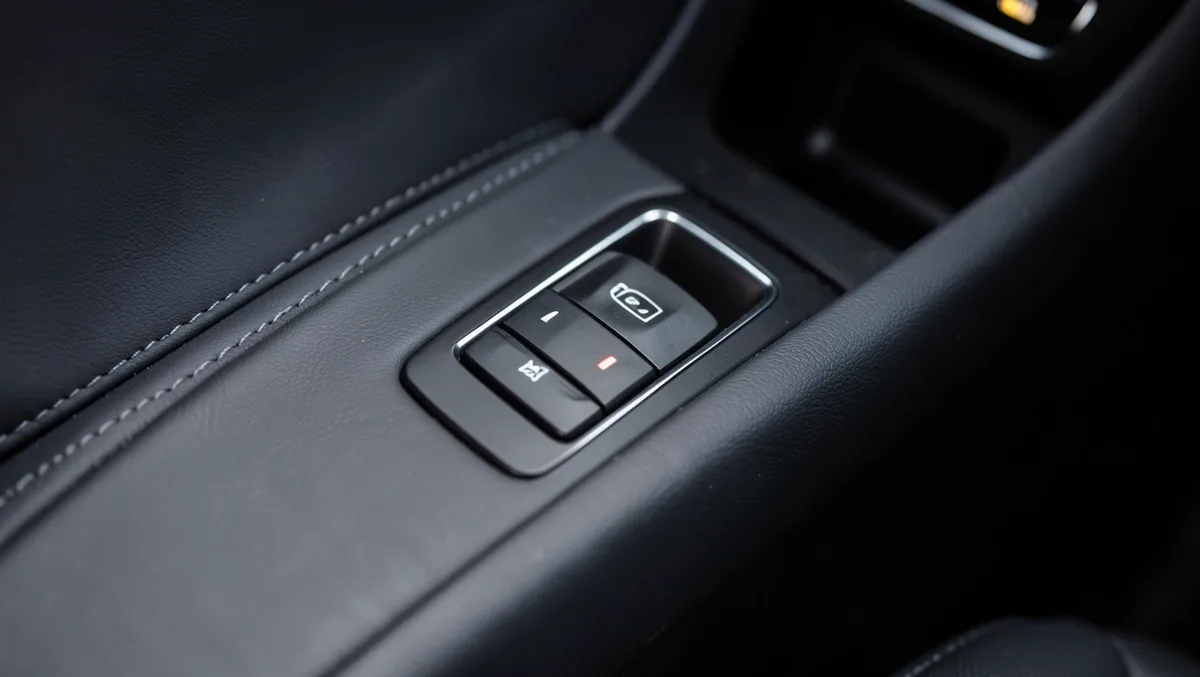
| Electronic Parking Brake (EPB) | A button or switch on the center console or dashboard that triggers small electric motors built into the rear calipers. | Most new cars, EVs, and nearly all luxury models. |
Automakers have been shifting toward the electronic version for years because it frees up console space, pairs naturally with an auto-hold feature in stop-and-go traffic, and can release itself automatically the moment the driver accelerates. A mechanical lever or pedal still does the same fundamental job — it just requires the driver to engage and release it by hand.
Why the Parking Brake Matters
A parking brake isn’t just a backup for a rare hydraulic failure. It does real, everyday work:
- Prevents rolling on hills. An automatic transmission’s “Park” position uses a small pawl that locks the output shaft — it isn’t designed to be the sole thing holding a car on a steep grade.
- Backs up the hydraulic brakes. If the main braking system loses pressure, the parking brake is a separate, cable- or motor-driven path that can still slow the car.
- Takes load off the transmission. Applying the parking brake before shifting into Park means the vehicle’s weight is held by the brake, not the parking pawl — reducing wear on that pawl over time.
- Adds a margin of safety when parked. On a slope, a curb, or uneven ground, it’s one more layer between a parked car and an unwanted roll.
Because of that, most manufacturers and mechanics recommend engaging the parking brake every time a car is parked — even on flat ground.
How Parking Brakes Work
The regular brakes use hydraulic fluid to press brake pads against the rotors on all four wheels. A mechanical parking brake works differently: pulling the lever or pressing the pedal draws a steel cable that clamps the rear brake shoes or a small secondary caliper directly, with no hydraulic fluid involved.
An electronic parking brake replaces that cable with a compact motor built into each rear caliper, controlled by the car’s brake module. Pressing the button sends a signal that clamps the caliper electronically; many systems also support auto-hold, which applies the brake automatically every time the car comes to a stop and releases it the instant the driver presses the accelerator.
Do Electric and Hybrid Cars Have a Parking Brake?
Yes. Every production EV and hybrid on the road has a parking brake — it’s a legal requirement regardless of what powers the drivetrain. Almost all of them use the electronic push-button version rather than a mechanical lever, since EVs are typically designed without a traditional transmission tunnel to route a handbrake cable through.
Regenerative braking, which slows an EV by using the electric motor as a generator, is a separate system entirely. It helps recover energy while driving and can bring the car to a near-stop in some vehicles, but it isn’t designed to hold a parked car in place and doesn’t replace the parking brake.
How to Use a Parking Brake Properly
The exact motion depends on which type is in the car:
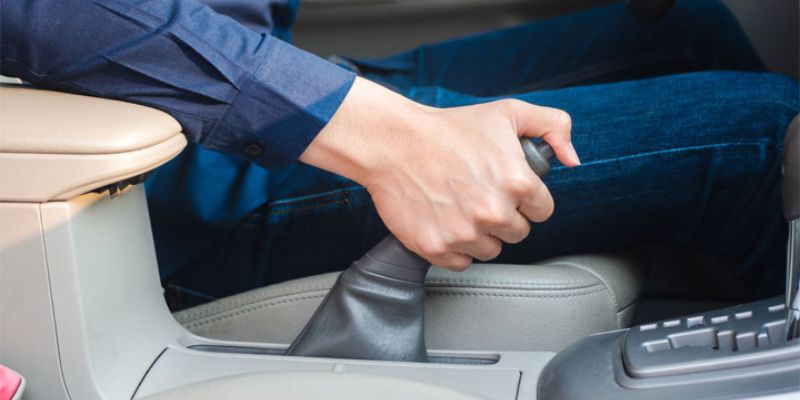
- Hand lever: Pull up firmly until it stops moving. To release, press the button on the end of the lever (or squeeze the grip on some models) and lower it fully — leaving it even slightly engaged will drag the rear brakes.
- Foot pedal: Press down until it clicks into place. Release by pulling the small handle usually mounted above the pedal, or by pressing the pedal a second time on some designs.
- Electronic button: Press once to engage; a dashboard icon will light up to confirm. Release by pressing it again, or simply by pressing the accelerator, since most EPB systems disengage automatically as the car starts moving.
On a hill start with a manual transmission, the parking brake is also what keeps the car from rolling back while switching from the brake pedal to the clutch and gas — see this guide to hill starts without a handbrake for the technique when there isn’t one to rely on.
Common Parking Brake Problems
Like any mechanical or electronic part of the car, a parking brake can develop faults over time:
- Sticking brake. A cable that’s rusted or corroded can bind and fail to release fully, which drags the rear brakes and wears them prematurely. A light lubrication of the cable and its pivot points usually resolves it.
- Weak hold. A cable that has stretched over time may no longer hold the car on a hill. This is typically an adjustment a shop can make in well under an hour.
- Dashboard warning light staying on. This usually just means the parking brake is still engaged, but it can also point to a sensor fault — see why the brake light stays on for the full range of causes.
- Electronic faults. On EPB-equipped cars, a wiring or module issue can cause the brake to refuse to release, refuse to engage, or throw a warning message — this typically needs a scan tool to diagnose properly.
A parking brake that won’t hold, makes an unusual noise, or shows a warning light that won’t clear shouldn’t be ignored — driving with a failed parking brake removes a real safety backup, even if the everyday hydraulic brakes are working fine.
How to Maintain a Parking Brake
Keeping a mechanical parking brake in working order doesn’t take much:
- Use it regularly. Engaging the brake often — even on flat ground — keeps the cable from seizing up from disuse.
- Check for wear annually. A visual check underneath the car (or a quick look by a mechanic) can catch a fraying or rusting cable before it fails.
- Lubricate moving parts. A small amount of cable lubricant at the pivot points prevents the sticking that causes premature brake wear.
- Test the hold periodically. Engaging it on a slight incline every few months confirms it’s still holding properly.
Electronic parking brakes need essentially no manual maintenance, but any warning light related to the brake system is worth having checked promptly rather than ignored.
Can You Drive Without a Working Parking Brake?
Technically, a car will still drive and stop normally with a disabled or broken parking brake, since the hydraulic brakes handle everyday stopping. But it’s a real safety gap: without it, the car can roll on a hill, the parking pawl in the transmission absorbs more stress than it’s designed for, and there’s no backup at all if the hydraulic system ever fails.
If the parking brake stops working, the safest approach is to get it repaired as soon as possible, park on flat ground in the meantime, and use wheel chocks behind the tires if the car has to sit on any kind of slope before the repair is done.
Parking Brake vs. Emergency Brake: What’s the Difference?
There isn’t a mechanical difference — “parking brake” and “emergency brake” almost always describe the exact same hardware, just named for two different jobs it can do. “Parking brake” describes its everyday role: holding a stationary car in place. “Emergency brake” describes its backup role: a way to slow or stop the car if the primary hydraulic brakes fail.
Most automakers and owner’s manuals now favor “parking brake,” since that’s what drivers actually use it for day to day. Either name refers to the same system in the vast majority of cars on the road.
Do Motorcycles or Other Vehicles Have a Parking Brake?
Most motorcycles don’t have a separate parking brake. Instead, riders typically leave the bike in gear (or engage a steering lock) and rely on a kickstand or center stand, sometimes with a wheel chock for extra security on a slope. A handful of touring and heavyweight models do include a rear parking brake lever, but it isn’t standard across the category.
Larger vehicles like RVs and commercial trucks are required to have a parking brake too, but the mechanism is often different — many heavy trucks use air brakes with a spring-loaded parking brake valve instead of a hydraulic or cable-based system.
When to Call a Professional
Most minor parking brake issues, like a stiff cable, are simple for a shop to fix quickly. It’s time to get it looked at if the brake won’t hold on an incline, makes grinding or clicking noises when engaged or released, or triggers a warning light that doesn’t clear after the brake is fully released. On EPB-equipped cars, a malfunction light usually means the system needs to be scanned for a fault code rather than diagnosed by feel.
Tips for Using a Parking Brake Correctly
- Practice on a gentle hill. A quiet, sloped street is a good place to get comfortable engaging and releasing the brake before it matters in traffic.
- Don’t overdo it. Pull or press just enough to feel it engage — forcing a lever or pedal harder than necessary can strain the cable over time.
- Confirm it’s fully released before driving. A partially engaged brake drags the rear wheels and wears them out faster.
- Use auto-hold in heavy traffic. On cars with an electronic parking brake and an auto-hold feature, it takes the strain off the driver’s foot during stop-and-go driving.
Conclusion
Every street-legal car sold in the U.S. today has a parking brake, because federal safety standards require it — the only real variable is whether it’s a hand lever, a foot pedal, or an electronic button, and how well it’s been maintained. Knowing which type is in a given car, using it every time it’s parked, and getting any warning light or weak hold checked out promptly keeps that backup system ready if it’s ever actually needed.
FAQs
Do all cars have an emergency brake?
Nearly all cars sold in the U.S. do, since federal safety standards require a parking brake on every new passenger car. The narrow exceptions are pre-regulation classics, some kit cars, and track-only vehicles never registered for public roads.
What’s the difference between an emergency brake and a parking brake?
They’re the same physical system in almost every car. “Parking brake” describes its everyday use (holding a parked car in place), while “emergency brake” describes its backup role if the main hydraulic brakes fail.
Do electric cars have a parking brake?
Yes, every production EV has one, almost always as an electronic push-button rather than a mechanical lever. Regenerative braking is a separate system and doesn’t replace it.
Can I drive without using my parking brake?
The car will still drive and stop normally, but skipping it removes a real safety backup and puts more stress on the transmission’s parking pawl, especially on hills.
How do I know if my parking brake is working?
Park on a slight incline and engage the brake before releasing the regular brake pedal. If the car doesn’t roll, it’s holding properly; if it feels weak or slips, it needs to be checked.
What should I do if my parking brake is stuck?
Gently try releasing it while wiggling the lever or pedal, since a rusted cable can bind temporarily. If it won’t release, don’t force it — have a mechanic free it to avoid damaging the cable or rear brakes.
Are electronic parking brakes better than a manual lever?
Both hold a car equally well when working properly. Electronic brakes add convenience features like auto-hold, while a mechanical lever is simpler and cheaper to repair when something does go wrong.
Can I fix my parking brake myself?
Simple fixes, like lubricating a cable, are DIY-friendly for most owners. A stretched cable that needs adjustment, or any electronic parking brake fault, is usually better left to a shop with the right tools.
Products related to this article
Sponsored / affiliate links. As an Amazon Associate I earn from qualifying purchases. I may earn additional commission from eligible campaigns.
 All Cars Magic Pen For Car Scratches,Magic Car Scratch Removal Pen, Quick Fix for Scratches and Paint Damage, Fits All Car Colors,Easy to Use (4 PCS)
 Coverado Car Seat Covers, Front Covers for Cars, Car Seat Cover Front Seats, Automotive Seat Cover, Waterproof, Leather Car Seat Cushion, Universal Interior Covers Seat Protectors for Most Cars