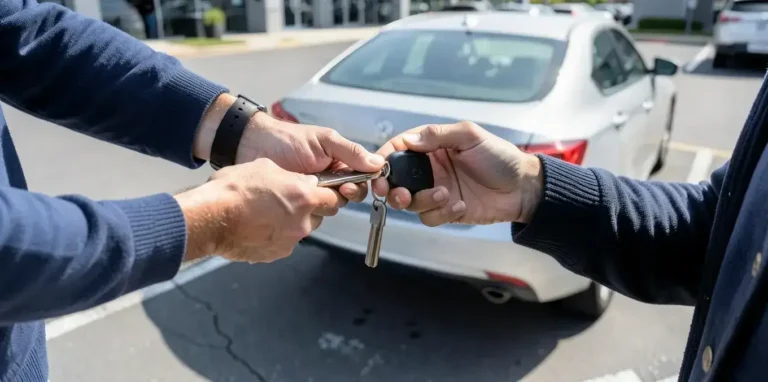
Is Hotwire Car Rental Insurance Worth It? Honest Review
Hotwire car rental insurance is a topic many travelers find confusing. This guide breaks down whether it’s worth the cost for your specific needs, offering clarity and peace of mind for your next rental car — see our related guide, Should I Pay for Rental Car Insurance.
Understanding Hotwire Car Rental Insurance
When you book a car through Hotwire, you’re often getting a great deal on the rental itself. Hotwire partners with various rental companies to offer discounted rates. This is fantastic for saving money upfront. However, the rental agreement you sign at the counter includes options for insurance and other add-ons. These can significantly change the final price.
Hotwire itself doesn’t directly sell insurance in the way a separate insurance company does. Instead, the insurance options presented when you finalize your booking are typically provided by the actual rental car company you’ll be using. Hotwire acts as a facilitator, showing you rates from different providers. The insurance details and costs are usually laid out at the final booking stage, or more commonly, directly at the rental agency counter.
This is where the confusion often starts. The rental agent might present several insurance products with different names. It can be hard to know which one you truly need. They often explain them quickly, assuming you have some background knowledge. This pressure to decide on the spot can lead to overspending or, worse, being underinsured.
Why the Insurance Options Exist
Rental car companies offer these insurance products because they need to protect themselves. Their vehicles are valuable assets. Accidents, theft, or damage can cost them a lot. So, they offer you the chance to transfer some of that risk to them for a fee. This fee is the insurance premium you pay.
For you, the renter, these options are meant to protect you from huge out-of-pocket expenses if something goes wrong with the car. This could include collision damage, theft, or even damage to other vehicles or property if you cause an accident.

My Own Hotwire Rental Insurance Scare
I remember one trip vividly. I’d booked a car through Hotwire for a road trip to the Grand Canyon. The deal was amazing, almost too good to be true. I felt really smart about snagging it. I was so focused on the low rental price. I barely glanced at the insurance section before I confirmed.
Then came the pickup. The agent at the counter was super friendly. He started going through the options. “Collision Damage Waiver?” he asked. “Supplemental Liability Insurance?” My eyes started to glaze over. He mentioned a ‘loss damage waiver’ and something about ‘tire and windshield protection.’ The price on the screen started climbing.
He pointed out a few scenarios. What if I got a flat tire? What if a rock hit the windshield? What if I dinged the car in a parking lot? He made it sound like disaster was lurking around every corner. My initial budget-friendly rental suddenly looked much more expensive. I felt a knot of anxiety in my stomach.
I pulled out my phone, trying to quickly Google what I actually needed. But the Wi-Fi was spotty, and the agent was patiently waiting, pen in hand. I felt rushed. I ended up saying yes to a package that seemed to cover “everything.” When I finally got the receipt, the rental cost had nearly doubled. I felt a mix of annoyance and a bit of foolishness. I had saved money on the booking, only to overspend significantly on insurance I might not have even needed. It taught me a valuable lesson about paying attention to the details.
What Types of Car Rental Insurance Are There?
When you rent a car, you’ll see several common types of insurance. It’s helpful to know what they mean before you get to the counter.
Collision Damage Waiver (CDW) or Loss Damage Waiver (LDW)
This is one of the most common. It’s not technically insurance. It’s a waiver from the rental company. If you accept it, the rental company agrees to waive its right to charge you for damage to the rental car. This can include theft. CDW and LDW are often used interchangeably. They usually cover the cost of repairs or the full value of the car if it’s stolen or totaled.
Supplemental Liability Insurance (SLI)
This covers damage or injury you cause to other people or their property while driving the rental Your personal auto insurance or credit card benefits might already cover this. SLI provides additional coverage above those limits.
Personal Accident Insurance (PAI)
This covers medical expenses for you and your passengers if you are injured in an accident. It might also include things like ambulance fees or even death benefits.
Personal Effects Coverage (PEC)
This covers theft of your personal belongings from the rental car. Many homeowners or renters insurance policies already cover your belongings when you travel.
Tire and Windshield Protection
This is often an optional add-on. It covers damage to tires and windshields, which sometimes aren’t covered by CDW/LDW.
Is Hotwire Car Rental Insurance Actually from Hotwire?
This is a key point of confusion. Hotwire is an online travel agency. They are like a shopping mall for travel deals. They partner with many rental car companies like Avis, Hertz, Budget, and others. When you book through Hotwire, you are booking a car from one of these actual rental companies.
The insurance options presented during your Hotwire booking, or certainly at the rental counter, are offered by the rental car company, not by Hotwire itself. Hotwire facilitates the booking. The rental company handles the car, the pickup, the return, and all associated services, including insurance.
So, when you ask if “Hotwire car rental insurance is worth it,” you’re really asking if the insurance offered by the specific rental company you book through Hotwire is worth it for your situation.
When Your Personal Insurance Might Cover You
This is where many travelers can save money. Before you even think about rental car insurance, check your existing policies.
Your Personal Auto Insurance
If you own a car and have comprehensive and collision coverage, your policy might extend to rental cars. Many policies cover rental vehicles for the same duration and under the same terms as your own car. However, it’s crucial to verify the specifics. Some policies have limitations on rental car types or rental durations.
Check Your Policy Details
Coverage Scope: Does it cover damage to the rental car itself (like CDW/LDW)? Does it cover liability to others (like SLI)?
Deductibles: What is your deductible? If you have a $1000 deductible on your personal policy, you’ll still be responsible for that amount if you have an accident in the rental car. Rental companies sometimes offer a waiver with a $0 deductible.
Geographic Limits: Is your coverage valid for domestic rentals? International rentals?
Rental Duration: Are there limits on how long you can rent and still be covered?
Credit Card Benefits
Many travel rewards credit cards offer rental car insurance as a perk. This is often referred to as Collision Damage Waiver (CDW) or Loss Damage Waiver (LDW). It typically acts as secondary coverage, meaning it kicks in after your personal auto insurance has paid out its share. Some premium cards offer primary coverage, which is even better.
Credit Card Perks to Know
Primary vs. Secondary: Primary coverage pays first. Secondary coverage pays after your personal insurance.
What’s Covered: Usually covers damage and theft of the rental car. Check if it covers liability.
Exclusions: Look out for exclusions like luxury cars, antique cars, or certain types of rentals (like moving trucks).
Declining Rental Company Insurance: You usually need to decline the rental company’s CDW/LDW for your credit card benefits to apply. Not every card qualifies for this benefit at all — Discover, for example, dropped rental car insurance entirely in 2018.
How to Activate: You typically must use the credit card to book the rental and decline the rental company’s CDW/LDW.
It’s essential to call your credit card company or check their terms and conditions. Don’t just assume. Many people miss out on these valuable benefits because they don’t know they have them.
When You Might Actually Need the Rental Company’s Insurance
Despite your personal policies and credit card perks, there are times when buying insurance directly from the rental company makes sense.
No Personal Auto Insurance
If you don’t own a car and therefore don’t have personal auto insurance, you have no other option for CDW/LDW coverage. In this case, you absolutely need to consider the rental company’s Collision Damage Waiver. Without it, you’d be fully responsible for any damage or theft of the rental vehicle. This could be tens of thousands of dollars.
Limited Credit Card Benefits
If your credit card offers only secondary coverage and your personal insurance has a high deductible, or if you don’t have a credit card that offers this perk, then the rental company’s insurance might be your best bet. The rental company’s CDW/LDW often has a $0 deductible, meaning you pay nothing out-of-pocket for damage to their car.
Specific Rental Situations
Sometimes, the rental company’s insurance might be necessary for certain types of rentals or destinations. For example, if you’re renting a car in a remote area or a place where theft or damage is a higher concern, and your personal insurance has limitations, buying coverage might offer peace of mind.
Driving in High-Risk Areas
If you plan to drive in areas known for high rates of car theft or vandalism, and your personal insurance has restrictive clauses or high deductibles, the rental company’s comprehensive waivers might be a wise investment.
International Travel Concerns
While many credit cards and personal policies cover international rentals, there can be complexities. If you’re unsure about the exact coverage abroad, or if local laws require specific coverage, the rental company’s offered insurance might be simpler and more comprehensive for that region. Always verify before you go.
Analyzing the Cost: Is It Worth the Price?
The cost of rental car insurance varies greatly. It can range from $10 to $50 or more per day. This can add up quickly, especially on longer rentals.
Let’s break down a hypothetical scenario. Imagine you rent a car for 7 days. The daily insurance cost at the counter is $30. That’s an extra $210 for the week.
Now, compare that to your personal auto insurance. If your deductible is $500, and you’re confident your policy covers rentals, paying a $500 deductible in the worst-case scenario might be a gamble worth taking for $210 in savings.
However, if your deductible is $2000, or if you have no personal insurance, that $210 might seem like a bargain to avoid a potential $2000+ hit.
Cost Comparison Example
| Scenario | Rental Co. Insurance Cost (7 days) | Personal Insurance Deductible | Credit Card Benefit (Primary) | Decision Point |
|---|---|---|---|---|
| 1 | $210 | $500 | No | Personal insurance seems cheaper if no accident. Risk of $500 loss vs $210 spent. |
| 2 | $210 | $2000 | No | Rental insurance ($210) is much cheaper than potential $2000 loss. |
| 3 | $210 | $500 | Yes, primary | Decline rental insurance. Credit card covers damage. Save $210. |
| 4 | $210 | $500 | Yes, secondary | Use personal insurance first. If balance exceeds $500, credit card covers remaining. May not need rental insurance. |
| 5 | $210 | N/A (no car) | No | Must buy rental company insurance. $210 is the necessary cost. |
The “What If” Factor
The decision often comes down to your personal risk tolerance. How much are you willing to pay upfront for peace of mind? What is the absolute worst-case financial scenario you can handle?
If the thought of owing thousands of dollars for a damaged rental car keeps you up at night, then paying for the waiver might be the right choice, regardless of your personal insurance. It’s a form of risk management.
Personal Experience: The Time I Almost Skipped It (and Didn’t Need It)
On a recent trip to Florida, I booked through Hotwire again. This time, I was prepared. I had called my credit card company beforehand. I confirmed their rental car insurance benefits. They offered primary CDW coverage. I also knew my personal auto policy covered rentals.
At the rental counter, the agent started his pitch. He mentioned the “Peace of Mind Package” which included everything. I politely declined. I explained that my credit card provided coverage. He seemed a little surprised but nodded.
I signed the paperwork, feeling confident. The whole rental process took maybe five minutes longer than if I’d just said yes. I drove off the lot with the same rental car, but my total cost was about $150 less than if I’d accepted their offer.
The trip was perfect. No dings, no scratches, no flat tires. I never needed to use the insurance. But that $150 I saved felt good. It was a direct result of doing my homework beforehand. It proved to me that asking questions and knowing your existing coverage can save you a lot of money.
Tips for Making the Right Choice
Here’s how to navigate the rental insurance question without feeling overwhelmed.
Do Your Homework Before You Go
This is the most important step. Don’t wait until you’re at the rental counter.
Call your credit card companies. Ask specifically about their rental car insurance coverage. Get details on primary vs. secondary and what is excluded.
Review your personal auto insurance policy. Understand your coverage limits and deductibles.
Check any travel insurance policies you might have.
Understand the Rental Agreement
When you get to the counter, ask for a copy of the rental agreement before you sign. Take your time to read the insurance section. Ask the agent to explain anything you don’t understand in simple terms. Don’t be afraid to ask them to repeat themselves.
Be Wary of High-Pressure Tactics
Some agents are trained to upsell insurance. They might use scare tactics or emphasize rare but potentially costly scenarios. Stick to your pre-determined plan based on your research. If you feel pressured, take a deep breath and remind yourself of what you’ve already learned.
Consider the Type of Trip
Are you driving on well-maintained highways in a familiar city? Or are you driving on unpaved roads in a remote area with spotty cell service? The environment can influence your decision. For a simple city trip, your existing coverage might be more than enough. For an off-road adventure, you might reconsider.
Read the Fine Print on Waivers
If you do decide to accept the rental company’s CDW/LDW, understand what it covers and what it doesn’t. Some waivers have exclusions, like damage to the undercarriage, tires, or glass.
What Happens If You Decline Insurance and Have an Accident?
This is the scenario people worry about. If you decline all insurance from the rental company and you have an accident, theft, or damage, you will be held financially responsible.
This means you could be billed for:
The cost of repairs to the rental car.
The full market value of the rental car if it’s deemed a total loss.
Loss of use charges (what the rental company loses in revenue because the car is out of commission).
Administrative fees related to processing the damage claim.
Towing and storage fees.
This is why understanding your existing coverage is so critical. If you don’t have it, the risk is enormous.

Frequently Asked Questions About Hotwire Car Rental Insurance
When should I decide about rental car insurance?
You should decide about rental car insurance before you arrive at the rental counter. Research your personal auto insurance and credit card benefits ahead of time. This way, you know your options and can confidently decline or accept the rental company’s offers.
Does my credit card always cover rental car insurance?
Not always. Coverage varies by credit card. Some offer primary CDW, some secondary, and some offer no coverage at all. Always check your card’s specific terms and conditions. You usually also need to decline the rental company’s insurance for your card’s coverage to apply.
What is the difference between CDW and LDW?
CDW stands for Collision Damage Waiver, and LDW stands for Loss Damage Waiver. They are often used interchangeably by rental companies. Both typically mean the rental company will waive their right to charge you for damages to the rental vehicle, including theft, as long as you follow the rental agreement’s terms.
Can I buy insurance after I’ve already started driving the car?
Generally, no. Insurance coverage must be arranged and agreed upon at the time of rental, typically when you pick up the car and sign the rental agreement. You cannot add insurance later if an incident occurs.
Are Hotwire bookings less safe regarding insurance?
No, Hotwire bookings are not less safe. Hotwire partners with reputable rental companies. The insurance options are provided by the actual rental company, not Hotwire. Your safety and coverage depend on the rental company’s policies and your own research into existing insurance.
What if I damage the rental car?
If you damage the rental car, the process depends on the insurance you accepted. If you have the rental company’s CDW/LDW or your personal/credit card insurance covers it, you will follow their claims process. If you have no coverage, you will be responsible for all repair costs, loss of use, and administrative fees.
Conclusion
Navigating car rental insurance, especially when booking through a site like Hotwire, can seem daunting. The key takeaway is that Hotwire itself doesn’t sell insurance; the rental company you book with does. The “worth” of this insurance depends entirely on your personal circumstances.
By understanding your existing auto insurance and credit card benefits, you can often avoid paying extra for coverage you already have. Always do your research beforehand. This will empower you to make an informed decision at the counter, saving you money and ensuring you’re adequately protected for your trip.
Products related to this article
Sponsored / affiliate links. As an Amazon Associate I earn from qualifying purchases. I may earn additional commission from eligible campaigns.