Can I Uber With Someone Else’s Car? Insurance Rules Explained
You can drive for Uber in a car that isn’t yours — but Uber typically requires your name on the vehicle’s insurance policy, not just a signed permission letter from the owner. Skip this step and a denied claim after an accident could leave you personally liable for damages. This guide covers the exact paperwork, the insurance rule most guides miss, and when renting from an Uber-approved partner like Hertz is the safer route.
Driving for Uber with Someone Else’s Car: A Complete Guide
As Md Meraj, I’ve researched Uber’s driver requirements extensively — the short version is this: your two realistic paths are borrowing a car with the owner’s permission and being named on its insurance, or renting through an Uber-approved partner like Hertz that bundles the insurance for you. Here’s exactly how each works.
Understanding Uber’s Vehicle Requirements
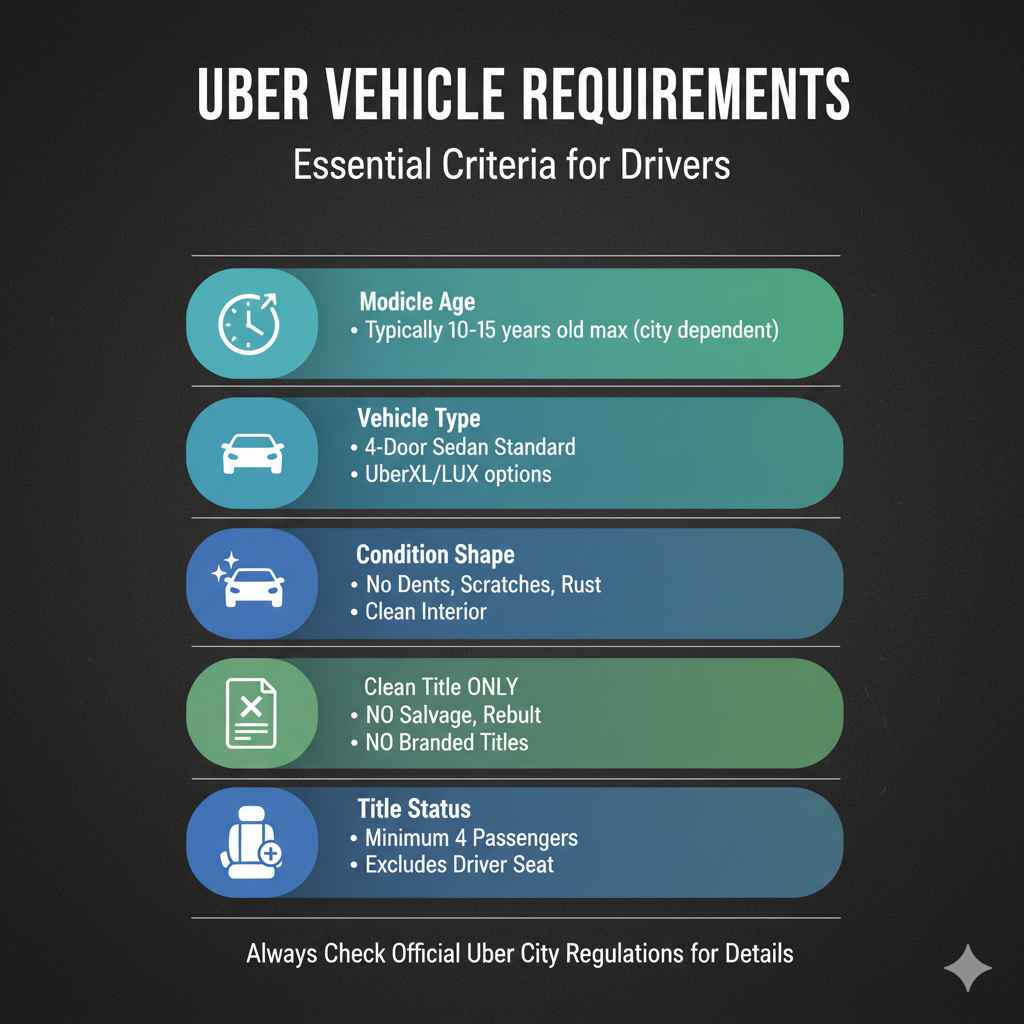
Before diving into using someone else’s car, it’s crucial to understand what kinds of vehicles Uber generally approves. These requirements ensure a safe and comfortable experience for riders.
Vehicle Age: Most markets require vehicles to be no older than 10-15 years, depending on the city (see our full breakdown of Uber’s car-age rules by city for specifics).
Vehicle Type: Generally, 4-door sedans are the standard. Some cities might have options for larger vehicles (UberXL) or more luxury options.
Condition: The car must be in excellent condition, with no cosmetic damage, rust, or dents, and a clean interior.
No Salvage Titles: Vehicles with salvage, rebuilt, or branded titles are not allowed.
Seating Capacity: Usually, a minimum of 4 passenger seats is required.
For the most precise, up-to-date information tailored to your specific city, always check the official Uber Vehicle Requirements page.
📊 Most U.S. markets use a 15-year vehicle age rule in 2026 (2011 model or newer), though some stricter cities cap it at 8-10 years. Source: Ridester, 2026 Uber Car Requirements Guide
The Core Question: Can I Drive for Uber in Someone Else’s Car?
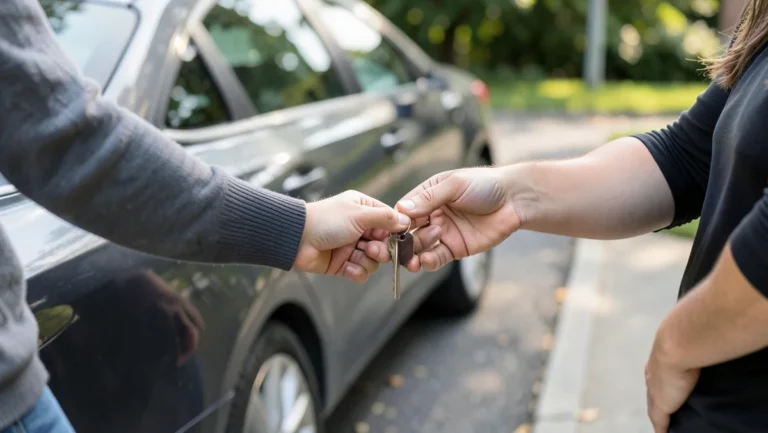
The short answer is yes, but with specific conditions. Uber allows drivers to use vehicles they don’t own, but this comes with a detailed process and several important stipulations. This method is often referred to as “partnering” with a vehicle owner or driving a leased vehicle.
Key Requirements for Using a Non-Owned Vehicle
Using someone else’s car for Uber involves clear consent from the owner and adherence to Uber’s policies. Here’s what’s essential:
1. Owner’s Permission and Documentation
The most fundamental requirement is that the car’s legal owner must give you explicit permission to use their vehicle for ride-sharing. This isn’t just a verbal agreement; it typically needs to be documented.
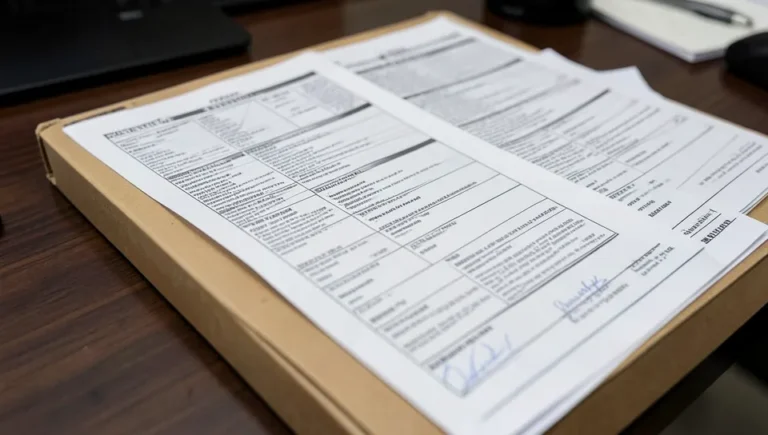
Letter of Authorization: Uber may require a signed letter from the car owner stating that you have their permission to use the vehicle for commercial ride-sharing purposes. This letter often needs to include specific details like the owner’s name, driver’s (your) name, vehicle information (make, model, year, VIN), and the period of authorization.
Proof of Ownership: The owner will likely need to provide proof of ownership, such as the car’s title or registration.
2. Insurance: The Most Critical Piece
This is where things get particularly important and sometimes complex. Standard personal auto insurance policies typically do not cover commercial driving activities like ride-sharing.
Commercial Ride-Sharing Insurance: The vehicle must have appropriate commercial insurance that covers ride-sharing. This can be achieved in a few ways:
Owner’s Commercial Policy: If the owner has a commercial insurance policy that specifically covers ride-sharing, this might be used. They would need to inform their insurance provider about the intended use.
Uber’s Insurance: Uber provides its own insurance coverage that kicks in when you are logged into the app and waiting for a trip, or when a trip is in progress. However, this does not eliminate the need for primary insurance on the vehicle.
Leasing or Rental Agreements: Many companies specialize in providing vehicles specifically for Uber drivers. These agreements usually include the necessary insurance and cover most requirements.
Important Note on Insurance: Driving for Uber without proper insurance coverage can have severe legal and financial consequences. Always ensure your insurance situation is crystal clear and covers all possible scenarios. You can learn more about Uber’s insurance policies on their official site.
The detail most guides skip: having the owner’s permission is not the same as being covered. Uber and most insurers generally expect the person actually driving to be a named or listed driver on the vehicle’s insurance policy — not simply someone the owner verbally allowed behind the wheel. A signed Letter of Authorization proves permission; it doesn’t by itself prove insurance coverage, and that gap is what gets claims denied after an accident.
“Most standard auto insurance policies don’t cover the commercial use of a vehicle on a personal policy — if you’re driving for Uber under someone else’s insurance without being named on it, a claim after an accident can be denied.”
Best Rideshare Dash Cam Pick

70mai 4K Dual Dash Cam Front and Interior
Records both the road and the cabin — the exact footage you need if the car owner or a passenger disputes what happened during a trip.
- Best for: drivers using a borrowed car who want protection from damage or liability disputes
- Why we picked it: dual 4K front + interior recording backs up your side of the story to both the owner and Uber support
- Main drawback: needs a memory card (not included) and a hardwire kit for parking-mode recording
Compare more rideshare dash cam options
 Option 1 COOAU Dual Dash Cam 2.5K+1080P with GPS
|
 Option 2 Vantrue N2X 2.7K Dual Dash Cam with WiFi
|
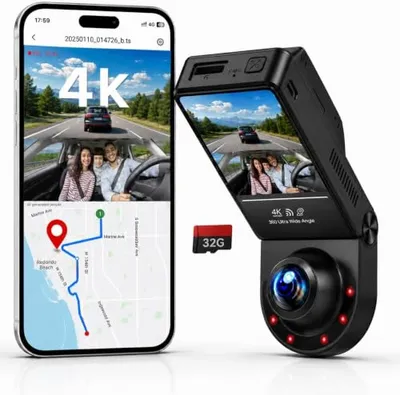 Option 3 360° Dash Cam Front and Inside 4K+2.5K, 2 Channel Dashcam for Car
|
As an Amazon Associate we earn from qualifying purchases.
3. Registration and Inspection
The vehicle must be properly registered with the relevant transportation authority.
Valid Registration: The car’s registration must be current and in the name of the owner, or clearly indicate the authorized driver if permitted by local laws and Uber’s policy.
Local Inspections: Depending on your city or state, the vehicle may need to pass regular safety inspections. Ensure all these are up-to-date.
4. Driver Requirements (Your Side)
Even if you’re using someone else’s car, you still need to meet all of Uber’s standard driver requirements. These include:
- Minimum age (usually 21 years old).
- Valid driver’s license (issued for at least one year).
- Clean driving record (no major traffic violations or at-fault accidents).
- Pass a background check.
- Provide a Social Security number.
- Have a smartphone with a data plan.
Methods for Driving Uber with Someone Else’s Car
There are a few common ways this scenario plays out:
Method 1: Driving a Friend or Family Member’s Car
This is often the most straightforward, provided the owner is willing and understands the implications.
The Agreement: You and the owner should have a clear, written agreement outlining responsibilities, such as who pays for gas, maintenance, insurance deductibles, and how earnings are split.
Paperwork is Key: Ensure all required documentation (permission letter, proof of ownership) is ready for Uber’s review.
Insurance Verification: Double-check that the car’s insurance covers ride-sharing. The owner might need to update their policy or purchase a separate one.
Method 2: Leasing a Vehicle from a Third-Party Company
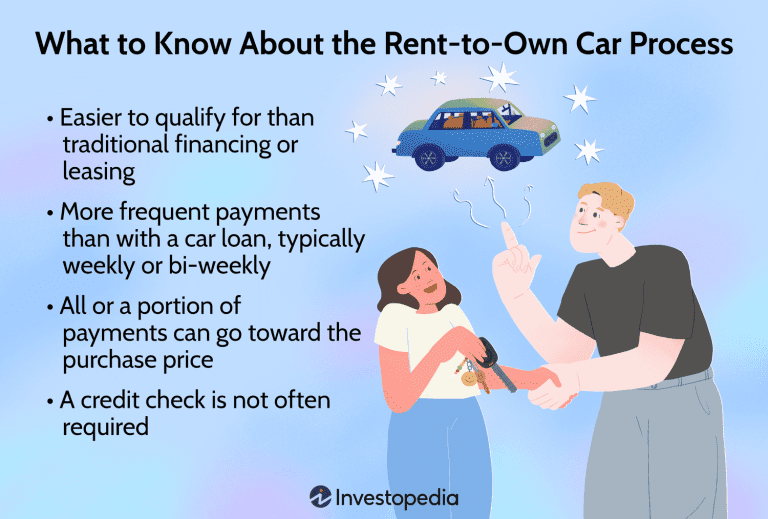
Many companies partner with Uber to offer vehicles specifically for drivers. This is a popular option because it often bundles insurance, maintenance, and the vehicle itself into a weekly or monthly fee.
How it Works: You sign a lease agreement with the rental company, pay a deposit and a recurring fee, and get a car that’s ready to drive for Uber.
Pros:
Often includes insurance.
Maintenance might be covered.
No long-term ownership commitment.
Vehicles are typically newer and meet Uber’s standards.
Cons:
Can be more expensive in the long run than owning your own car.
Mileage restrictions might apply.
Less flexibility in choosing your vehicle.
You can explore vehicle solutions through the Uber Vehicle Solutions portal, which lists partner rental companies.
Note: this is different from putting a car you personally lease onto Uber — if that’s your situation, see our guide on driving Uber with a leased car for those specific rules.
Method 3: Driving a Company Car (Less Common for Uber Exclusives)
While less common for Uber-specific driving, some businesses might allow employees to use company vehicles if they have the proper insurance and authorization. This is rare as the business needs to explicitly allow commercial ride-sharing.
The Application Process When Using Someone Else’s Car
When you apply to drive for Uber, you’ll need to indicate that you’re using a vehicle that isn’t registered in your name. The process follows five steps:
- Sign Up: Start the Uber driver application process online or via the app.
- Vehicle Information: When prompted for vehicle details, provide information about the car you intend to use.
- Documentation Upload: Upload your valid driver’s license, proof of insurance detailing ride-sharing coverage, vehicle registration, a Letter of Authorization from the owner (if applicable), and proof of ownership (if required).
- Background Check: Complete the required background check.
- Vehicle Inspection: Get the vehicle inspected at an Uber-approved station to confirm it meets Uber’s safety and condition standards.
Uber’s system will review all submitted documents. Any discrepancies or missing information can delay or prevent your approval.
Pros and Cons of Using Someone Else’s Car for Uber
Like any decision, there are benefits and drawbacks to consider when using a non-owned vehicle for Uber.
Pros:
- Lower Upfront Costs: Avoids the significant expense of purchasing a vehicle.
- Flexibility: Ideal for those who want to try Uber driving without commitment or who don’t have the capital for a car.
- Insurance Included (Often): Leasing options frequently bundle insurance, simplifying things.
- Access to Approved Vehicles: Rental partners provide cars that already meet Uber’s requirements.
- Faster Start: Can potentially get you on the road quicker if you don’t have a suitable car yourself.
Cons:
- Ongoing Costs: Lease payments can add up and reduce your net earnings significantly.
- Less Control: You might have less say over the car’s model, features, or when maintenance is done.
- Complex Agreements: Requires clear agreements with the car owner or a detailed understanding of lease terms.
- Responsibility for Damages: You are still responsible for any damage incurred during your driving shifts, beyond what insurance covers.
- Potential Disputes: Disagreements with the car owner over expenses or usage can arise.
Important Considerations for the Car Owner
If you are the car owner letting someone else use your vehicle, there are significant personal considerations:
Insurance Impact: Your insurance premium will likely increase. You must inform your insurer about the commercial use. Failure to do so can void your entire policy.
Wear and Tear: Ride-sharing adds significant mileage and wear and tear faster than typical personal use.
Liability: While Uber provides some insurance, you could still be liable for certain damages or accidents depending on the circumstances and insurance coverage.
Income Sharing: How will you and the driver split the earnings? This needs to be clearly defined.
Maintenance Responsibility: Who pays for routine maintenance (oil changes, tire rotations) and unexpected repairs?
It’s highly recommended for the owner to consult with their insurance agent and potentially a legal advisor to understand all implications.
Vehicle Inspection: What to Expect
Uber requires vehicles to pass an inspection to ensure they are safe and in good condition. If you’re using someone else’s car, it will need to pass this too.
What they check: Brakes, tires, lights, horn, exterior condition (no major dents or missing parts), interior cleanliness, functioning seatbelts, and window operation.
Where to go: Uber provides a list of approved inspection stations. You might need to book an appointment.
Outcome: If the car passes, you’ll receive an inspection report. If it fails, you’ll need to get the issues fixed and have it re-inspected.
Financial Implications and Earnings Split
If you’re not leasing and instead driving a friend’s car, you’ll need a clear plan for how earnings are handled.
Gross vs. Net Earnings: Remember that Uber earnings are gross. Deduct fuel, potential vehicle maintenance, insurance costs (if applicable), and any agreed-upon amount for the car owner.
Suggested Splits: A common arrangement might be a percentage of net earnings paid to the owner (e.g., 20-40%), or a fixed weekly fee. This varies greatly based on the agreement.
Tracking: Use the Uber app for earnings tracking and consider using a mileage log for expenses.
To get a better idea of potential earnings after expenses, resources like Everlance provide insights into driver income and expense tracking.
Alternatives: Renting vs. Owning
Let’s quickly compare leasing (renting) through an Uber partner versus owning your own car for Uber.
| Feature | Leasing via Uber Partner | Owning Your Own Car |
|---|---|---|
| Upfront Cost | Deposit + first week/month’s payment | Full purchase price or down payment + loan |
| Monthly Cost | Fixed rental fee (insurance + maintenance included) | Loan payments + insurance + maintenance + gas |
| Flexibility | Limited vehicle options, mileage limits possible | Full freedom; no mileage restrictions |
| Maintenance | Usually included by rental company | Driver pays for maintenance/repairs |
| Insurance | Included in rental fee | Driver must buy commercial insurance |
| Long-Term | Costly over long term, no equity | Builds equity; long-term cheaper |
| Getting Started | Very fast—easy to start driving | Requires buying/preparing a car first |
Sample Calculation (Hypothetical Weekly)
Scenario A: Leasing
Weekly Lease Payment: $300 (includes insurance, basic maintenance)
Weekly Gas Cost: $100
Total Weekly Cost: $400
Scenario B: Owning (with loan payment)
Weekly Loan Payment: $150
Weekly Insurance (commercial): $75
Weekly Gas Cost: $100
Weekly Maintenance Fund: $50
Total Weekly Cost: $375
This is a simplified example. Actual costs vary wildly.
Navigating Potential Issues and Solutions
Using someone else’s car isn’t without its potential challenges.
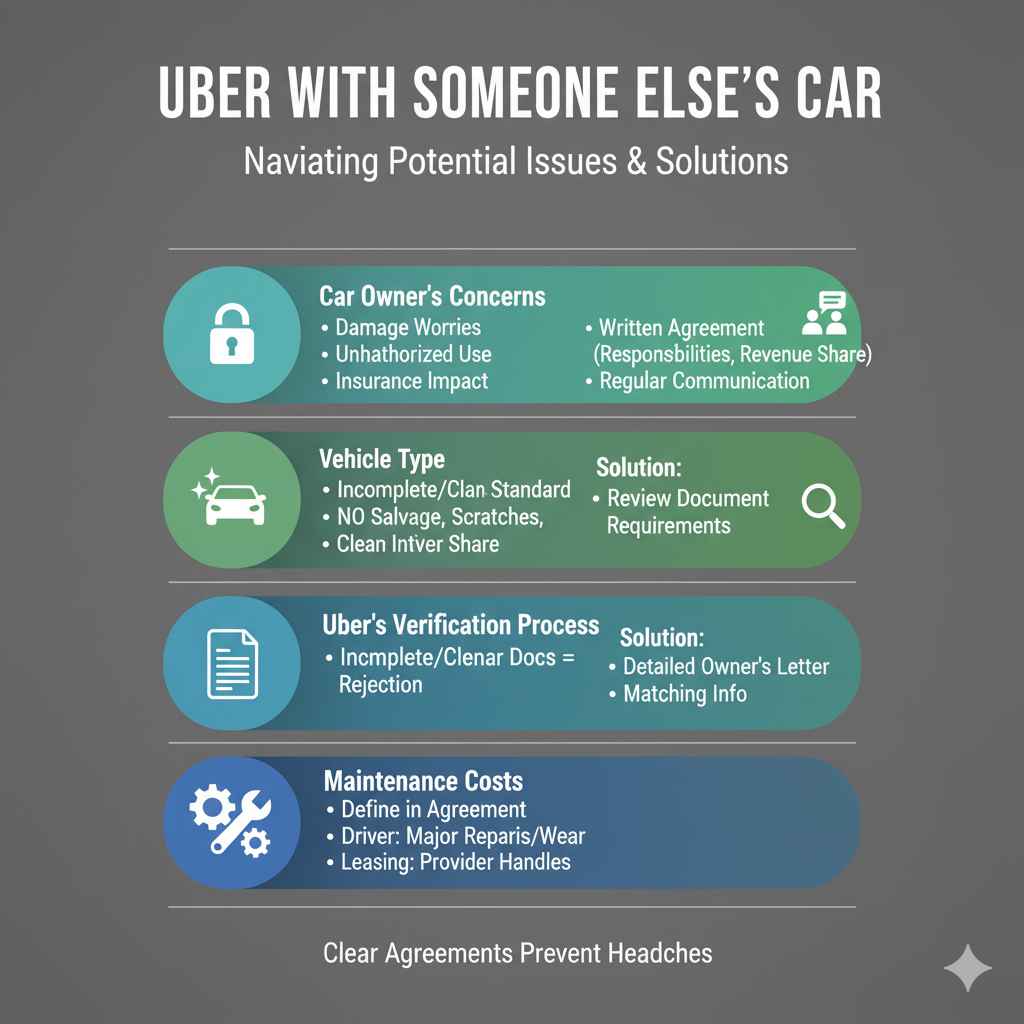
Car Owner’s Concerns: The owner might worry about damage, unauthorized use, or their insurance being affected.
Solution: A clear, written agreement that details responsibilities, insurance coverage, and a revenue-sharing model can alleviate these concerns. Regular communication is key.
Uber’s Verification Process: If documentation is incomplete or unclear, Uber might reject the vehicle.
Solution: Carefully review Uber’s document requirements. Ensure the owner’s letter is detailed and your provided information matches official records precisely.
Maintenance Costs: Who pays for unexpected repairs?
Solution:** The owner-driver agreement should clearly define this. Often, the driver pays for gas and routine maintenance, while the owner covers major repairs or wear-and-tear related to the car itself, but this is negotiable. If leasing, maintenance is typically handled by the provider.
Frequently Asked Questions
Can I drive Uber with my spouse’s or partner’s car?
Yes, generally, provided your spouse or partner gives explicit written permission and the car meets all of Uber’s requirements — including insurance that covers ride-sharing and, ideally, lists you as a named driver. You will need to provide documentation as proof, and this is easier when the policy is already shared or the owner is on your household insurance.
What if the car registration is not in my name?
This is common. The car’s legal owner must provide a signed Letter of Authorization allowing you to use the vehicle for ride-sharing, and Uber has specific requirements for what that letter must include: the owner’s name, your name, and the vehicle’s make, model, and year.
Does Uber provide a car if I don’t own one?
No, Uber does not provide the car itself. However, Uber partners with rental and leasing companies that offer vehicles specifically built for Uber drivers, bundling insurance and maintenance into a weekly fee. You can find these through Uber’s Vehicle Solutions portal.
Who is responsible for gas when using a friend’s car for Uber?
This is typically decided in the agreement between you and the car owner. Most commonly, the driver using the car for earnings is responsible for covering the cost of fuel.
Can I use a car leased from a regular rental company like Hertz or Avis for Uber?
Generally, no — standard consumer rental agreements explicitly prohibit using their vehicles for commercial ride-sharing. You must use a vehicle from an Uber-approved rental partner, or a car you own or have explicit permission and the correct commercial insurance for.
What happens if the car I’m using is in an accident?
Uber’s insurance typically covers the period when you’re logged in and a trip is active or en route. However, the primary insurance on the vehicle — either the owner’s commercial policy or the rental company’s policy — is usually the first line of coverage. Your agreement with the car owner or lessor should spell out who covers deductibles and any damage beyond what insurance pays.
How do I prove the car owner gave me permission?
Uber usually requires a signed Letter of Authorization from the car owner. This letter typically needs to include the owner’s name and contact information, your name, the vehicle’s make, model, year, and VIN, and the specific period the authorization covers. Keep a copy for yourself in case Uber support asks for it again later.
Bottom line: driving for Uber in a car you don’t own is common and fully allowed, but the paperwork does more work than most first-time drivers expect. Get the Letter of Authorization signed, confirm you’re named on the insurance — not just permitted to drive — and keep a dash cam running so you have your own record if a dispute over the car or a trip ever comes up.
Products related to this article
Sponsored / affiliate links. As an Amazon Associate I earn from qualifying purchases. I may earn additional commission from eligible campaigns.
 Motorsi 3.16" Dash Cam Front and Inside Car Dash Mount Camera HD Screen DVR Video Recorder Driving Recorder Support Night Vision Parking Monitoring Exposure Compensation 64GB TF Card
 Dash Cam 4K Front and Rear Full HD Dash Camera for Cars, Included 64GB Card, Built-in WiFi, 1.47" IPS ScreenLoop Recording, G-Sensor, Night Vision, Parking Mode