Whose Insurance Covers a Borrowed Car? Coverage Order Explained
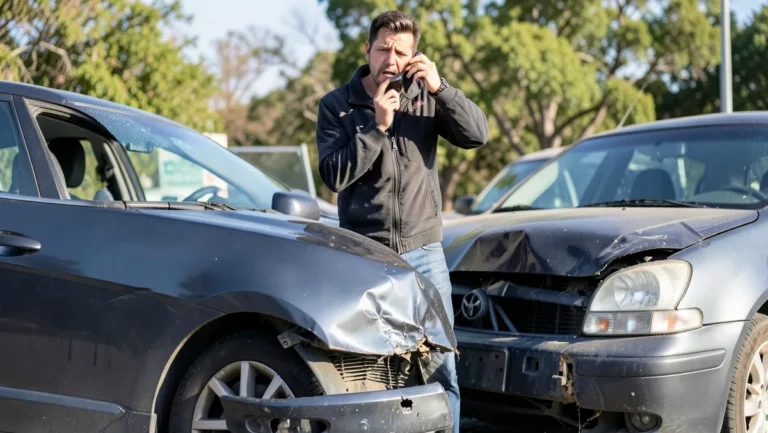
Whose insurance covers a borrowed car? In most states, the car owner’s policy pays first. Auto insurance generally follows the vehicle, not the driver, so if a friend or family member borrows your car and causes an accident, your policy is the one that responds. If the damage or injuries go beyond your coverage limits, the driver’s own insurance can step in as secondary coverage — but only if you gave them permission to drive in the first place.
That short answer covers the typical case, but there are real exceptions: named driver exclusions, “regular use” arrangements, unlicensed drivers, and a couple of states that handle things differently. Below is how the coverage order actually works, when it can break down, and what to check before you hand over the keys (or borrow someone else’s).
How Car Insurance Follows the Car, Not the Driver
A standard auto policy is built around several types of coverage. Liability coverage pays for damage or injuries you cause to other people. Collision coverage pays to repair your own car after a crash. Comprehensive coverage handles non-collision damage, like theft, fire, or a falling tree branch. Personal injury protection (PIP), required in some states, covers medical bills for you and your passengers regardless of fault.
What matters for a borrowed car is which policy pays first. Because coverage attaches to the vehicle, the car owner’s policy is primary. If your friend borrows your sedan and rear-ends someone, your insurer handles the claim up to your policy’s limits — even though you weren’t behind the wheel. Only after those limits are used up does the driver’s own policy, if they have one, kick in as secondary coverage to cover the remaining gap.
One practical consequence: the claim is filed against the owner’s policy, so it’s the owner’s claims history and premiums that can be affected at renewal — not the driver’s — even though the owner wasn’t driving.
What Is Permissive Use, and Why It Matters
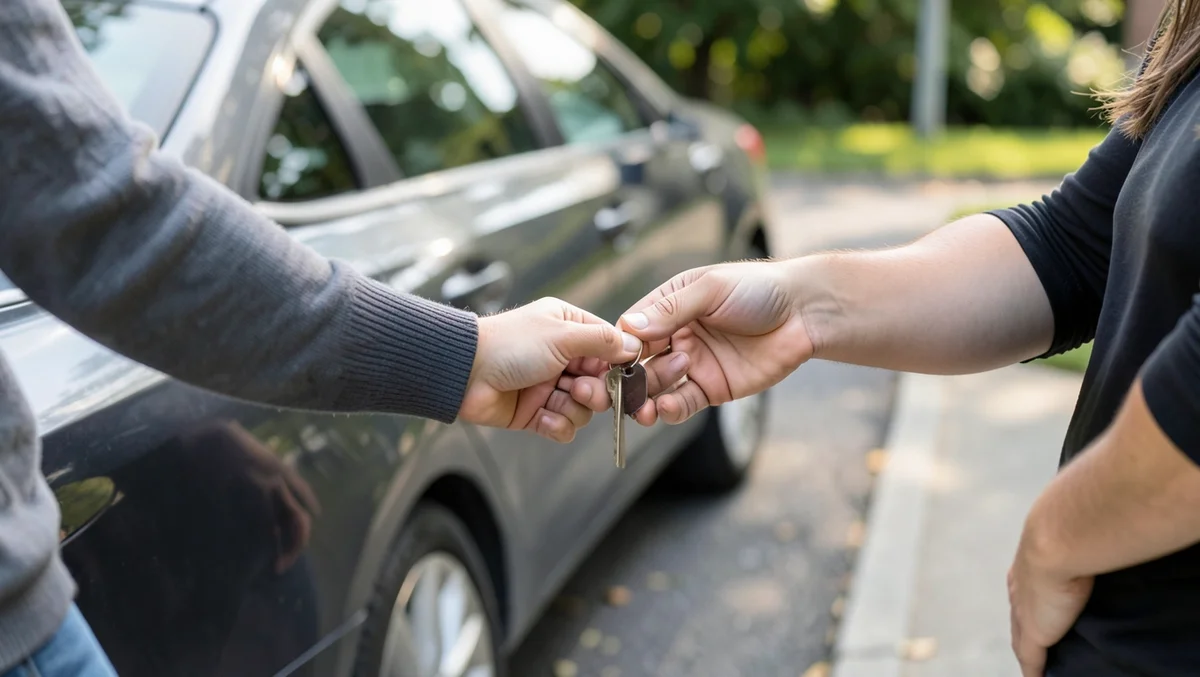
The legal concept that makes all of this work is called permissive use. It means a policy extends coverage to someone driving the insured car with the owner’s permission, even if that person isn’t specifically listed on the policy. Lending your car to a neighbor for a grocery run or letting a cousin borrow it for a weekend both typically fall under permissive use.
Permission doesn’t have to be formal. Actual consent is a direct “yes, go ahead” — a text message, a verbal okay, handing over the keys. Implied consent covers situations where permission is reasonably assumed, like a spouse or adult child who has open access to the car and no reason to think they can’t drive it. What permissive use does not cover is someone taking the car without asking, or continuing to use it after being told to stop — that’s treated as unauthorized use, and insurers typically deny those claims outright.
Permission is also a legal requirement in most states, not just an insurance one — for the fuller breakdown of license status, consent, and what happens if a borrowed car isn’t properly insured, see our guide on whether it is legal to drive someone else’s car.
When the Owner’s Policy Might Not Cover the Borrower
Permissive use isn’t automatic in every situation. A handful of common scenarios can leave a borrowed-car accident uncovered:
- Named driver exclusions. If the owner signed a document specifically excluding a driver (often a household member the owner didn’t want on the policy), that exclusion is binding. The insurer has no obligation to pay a claim from that driver’s trip, even if the owner handed over the keys that day. Kansas and New York are exceptions — both states require insurers to provide liability coverage to any driver of an insured car, excluded or not.
- Regular, ongoing use instead of occasional borrowing. Permissive use is designed for occasional trips. If someone drives your car often enough that they’re effectively a regular driver — a roommate who uses it most days, for example — most insurers expect that person to be added to the policy or covered under their own. Treating frequent use as a one-off “borrow” can put a claim at risk.
- Unlicensed or excluded drivers. A driver without a valid license, or one specifically excluded from the policy, generally isn’t covered under permissive use, license status aside.
- Business use. Using a borrowed personal car for deliveries, rideshare driving, or other commercial purposes typically falls outside a personal policy’s permissive use coverage.
What Happens If Neither Policy Is Enough?
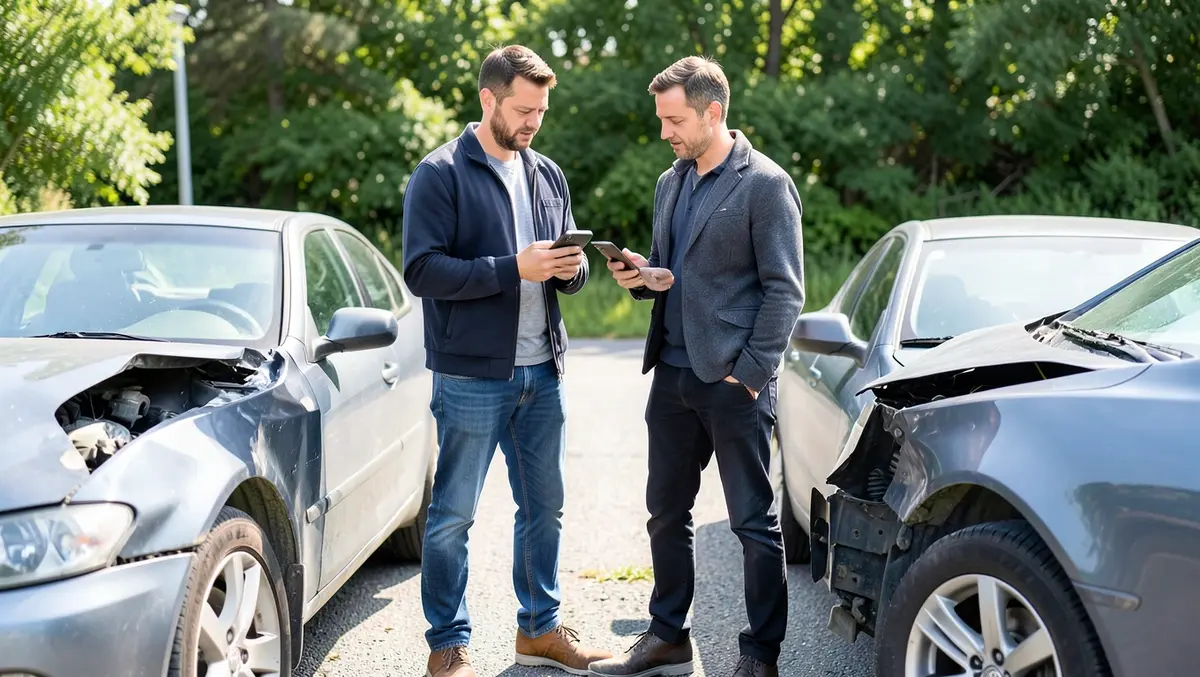
The gap shows up when damages exceed the owner’s liability limits and the borrower doesn’t have a policy of their own to absorb the rest. In that case, both the driver and the owner can be held personally liable for the remaining amount — the state’s minimum liability requirement doesn’t disappear just because someone else was driving. If you were the one behind the wheel, see our breakdown of what happens if you personally wreck someone else’s car for what you could be on the hook for.
If you regularly borrow cars but don’t own one yourself, a non-owner car insurance policy is worth asking your insurer about. It provides liability coverage that follows you as a driver rather than a specific vehicle, so it can supplement an owner’s policy any time you’re behind the wheel of a car that isn’t yours.
Steps to Take Before You Lend or Borrow a Car
- Confirm the owner’s policy actually covers other drivers. Not every policy automatically extends to permissive users — some require an endorsement, and some carry named driver exclusions the owner may have forgotten about.
- Ask directly about any excluded drivers. If the borrower lives in the owner’s household, check whether they were ever formally excluded from the policy.
- Decide if this is a one-time loan or a regular arrangement. If the same person will be driving the car often, plan to add them to the policy instead of relying on permissive use.
- Document the car’s condition and exchange insurance details before the borrower drives off — a few photos of the car and a copy of both parties’ insurance cards can prevent a dispute later.
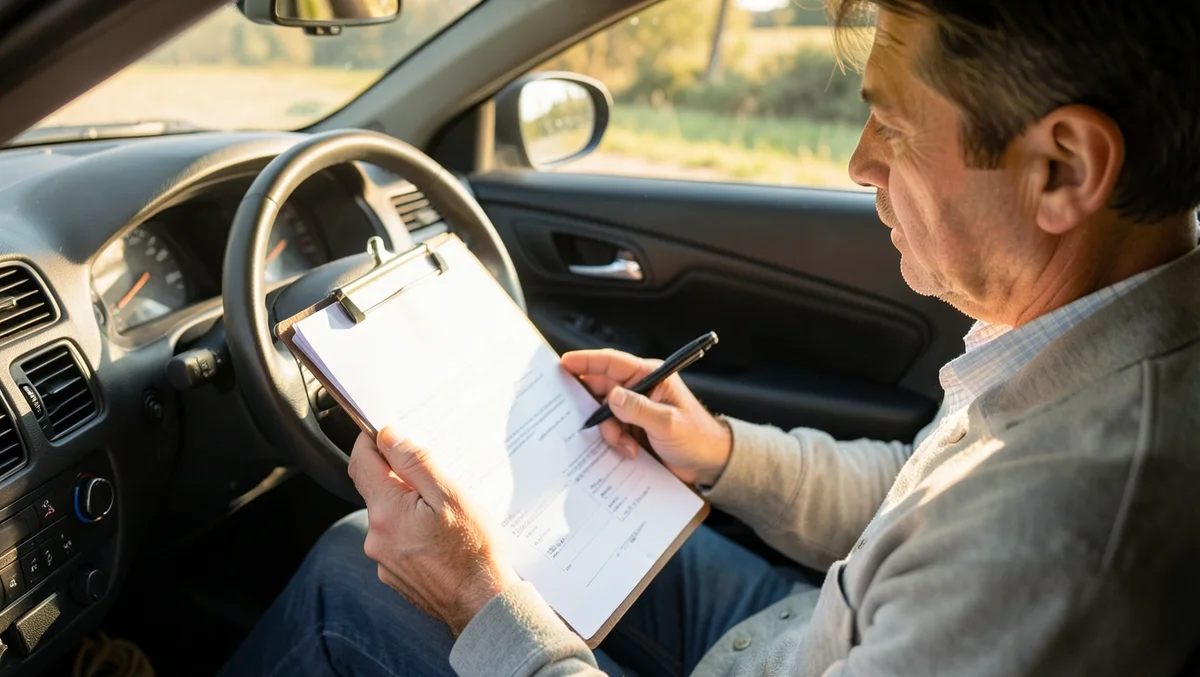
- Call the insurer if there’s any doubt. Explain the situation, ask specifically whether the borrower is covered, and note the date, the representative’s name, and what they told you.
Every insurer applies these rules a little differently. If you specifically want to know how a major carrier like GEICO handles permissive use, see our GEICO permissive use guide. And if the car in question is a dealership or repair shop loaner rather than a friend’s personal vehicle, the rules are different too — see whether you need insurance for a loaner car.
Frequently Asked Questions
How Does Insurance Work on a Borrowed Car?
Coverage generally follows the vehicle. The car owner’s insurance is primary and pays first if the borrower — with permission — is involved in an accident. The driver’s own policy, if they have one, can cover costs above the owner’s limits as secondary coverage.
What Happens If Someone Borrows Your Car and Gets in an Accident?
If they had your permission, your insurance typically covers the damages first, up to your policy limits. Since the claim is filed against your policy, your premiums may increase at renewal, even though you weren’t driving.
Can Someone Drive My Car If They Are Not on My Insurance State Farm?
Yes, in most cases. Most major insurers, including State Farm, extend permissive use coverage to a driver who isn’t listed on the policy, as long as you gave them permission and they aren’t a named driver exclusion. Confirm the specifics with your agent or policy documents, since coverage details vary by state and policy.
What Is a Named Driver Exclusion?
It’s a signed endorsement on a policy that specifically bars one named person from any coverage under that policy, even if the owner later gives them permission to drive. Once in place, it’s binding — the exclusion doesn’t disappear just because it’s an emergency or the owner said it was fine. Kansas and New York are the main exceptions, requiring coverage for any driver regardless of exclusion.
Does It Matter If I Borrow the Car Regularly Instead of Just Once?
Yes. Permissive use is meant for occasional borrowing. If you drive someone’s car on a regular basis, most insurers expect you to be added to their policy or covered under a policy of your own — otherwise a claim from a frequent-use accident can be questioned or denied.
What if Someone Borrowed My Car and Won’t Give It Back?
Contact the borrower directly and ask for the car’s return. If they refuse or become unreachable, contact the police — once permission to keep the car has clearly ended, continued use without consent can be reported as a stolen vehicle.
Conclusion
For most everyday situations, the answer is simple: the car owner’s insurance pays first, and the driver’s policy backs it up if needed. The exceptions — named driver exclusions, regular-use arrangements, unlicensed or excluded drivers — are exactly the situations worth checking before you lend a car or borrow one. A quick call to your insurer to confirm the details takes a few minutes and can save a lot of trouble if something goes wrong.
Products related to this article
Sponsored / affiliate links. As an Amazon Associate I earn from qualifying purchases. I may earn additional commission from eligible campaigns.