How to File a Car Seat Insurance Claim After an Accident
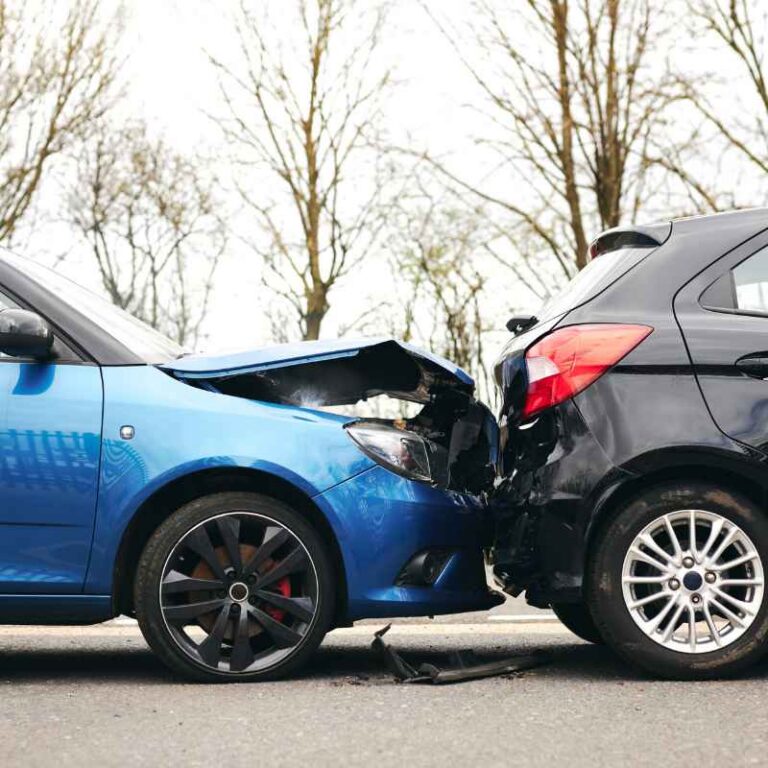
Yes — most insurers replace a car seat under collision or comprehensive coverage after a moderate or severe crash, even if the seat looks fine from the outside. The catch is that you have to prove it: notify your insurer, photograph the seat, and keep the paperwork the claim needs. Two states, California and Illinois, actually require this coverage by law; everywhere else it depends on your policy and your insurer.
This guide walks through exactly what documentation your insurer will ask for, why claims get denied, and what to do if yours is. For a broader breakdown of which coverage type applies to your situation and how state law affects it, see our companion guide, does insurance cover car seat replacement.
Why Car Seats Need Replacing After a Crash
BEST FOR EXTRA LEGROOM WHEN REPLACING A CAR SEAT
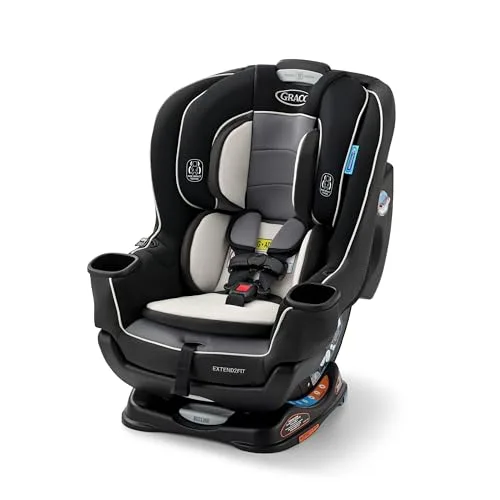 |
Graco Extend2Fit Convertible Car Seat – $191.99 If your claim payout or timeline does not cover an exact match, this rear- and forward-facing seat with an extendable leg panel is a well-reviewed replacement option.
|
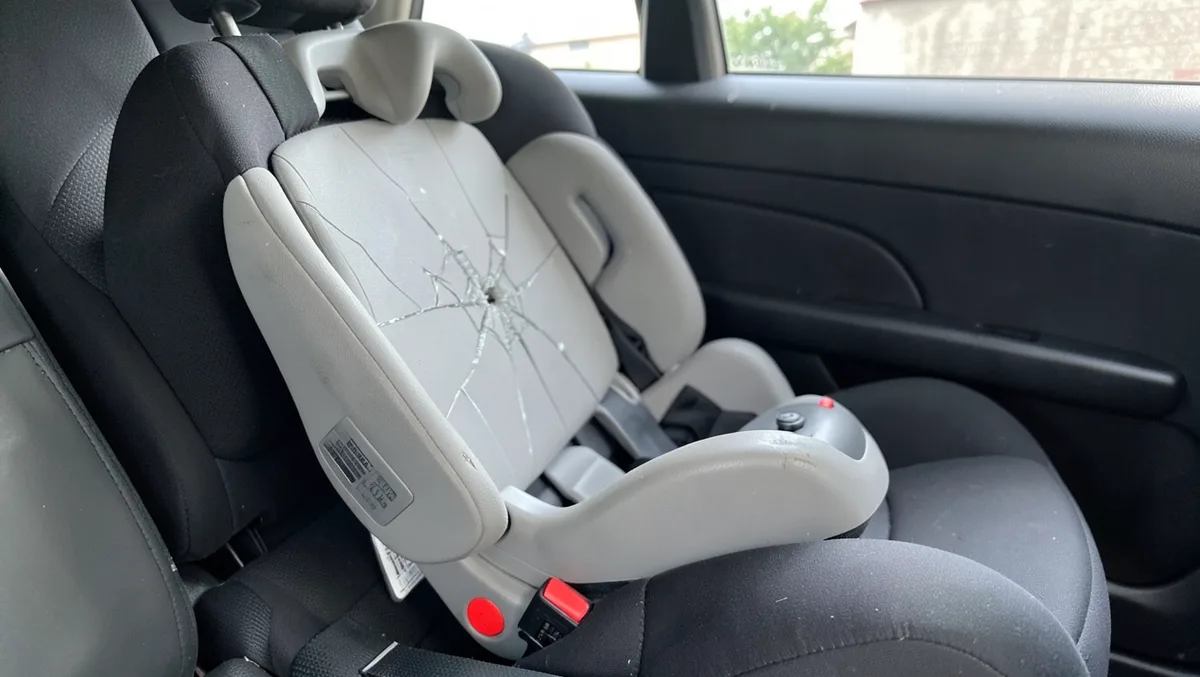
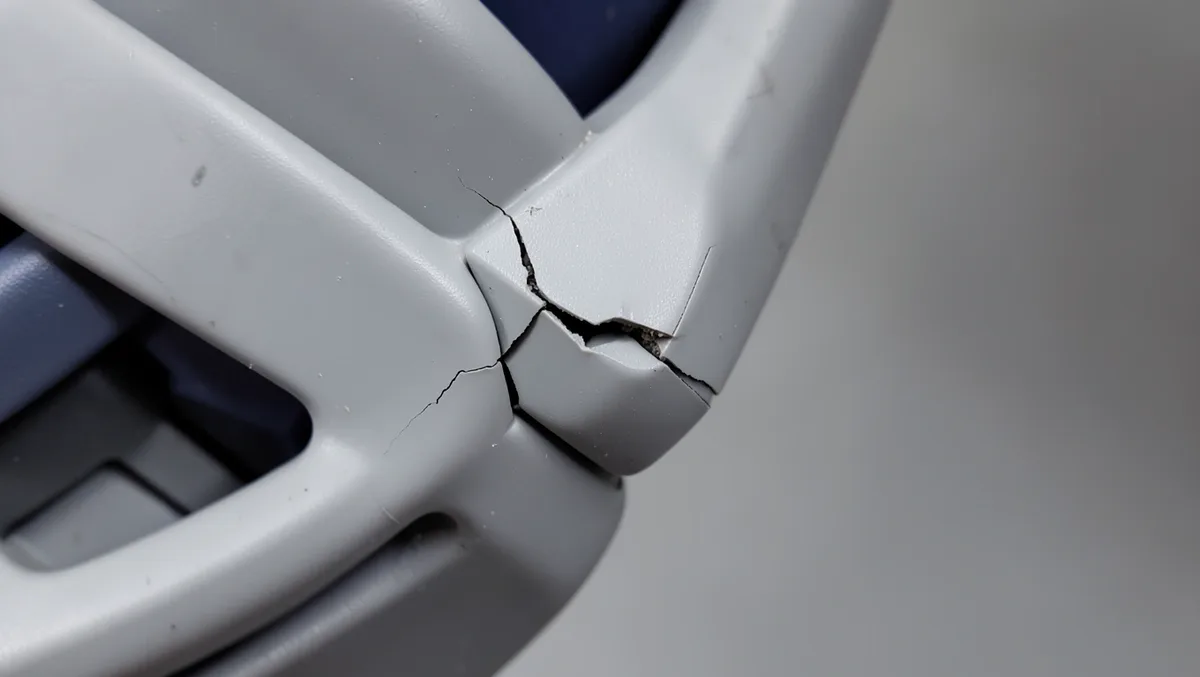
Car seats are built to protect kids, but they are not indestructible. A crash can stress the plastic shell, the harness webbing, or the internal frame in ways that are not visible from the outside — hairline cracks and compressed foam do not always show up in a photo. The National Highway Traffic Safety Administration (NHTSA) recommends replacing a car seat after any moderate or severe crash for this reason, regardless of whether it looks damaged.
- Safety first: A car seat with hidden stress damage may not protect a child in a second crash the way it did in the first.
- Manufacturer rules: Most brands, including Graco and Evenflo, instruct owners to replace a seat after any crash beyond a very minor fender-bender — check the seat’s own manual for its specific threshold.
- Insurance support: Collision and comprehensive policies typically treat a car seat as covered property, separate from the vehicle itself.
Types of Insurance That Cover Car Seat Replacement
Not every policy covers a car seat the same way. Here is a breakdown of which coverage types apply:
Collision Coverage
Collision coverage pays for damage to your car, and typically your car seat, after a crash, regardless of who caused it. You will pay your deductible first. If a replacement car seat costs $200 and your deductible is $500, you would only see a payout if other damage from the same accident pushes the total claim above that deductible.
Comprehensive Coverage
Comprehensive coverage handles non-crash damage, such as theft, fire, or flooding. If a car seat is destroyed by something other than a collision, this is the coverage that would pay for a replacement, again after your deductible.
Liability Coverage
If another driver caused the accident, their liability insurance should cover your car seat as part of the property damage claim. You will file that claim with their insurer, not your own, and property damage liability claims often have fewer restrictions than a first-party claim since fault is not in question.
No-Fault States
In no-fault states like Florida, personal injury protection (PIP) pays medical bills, not property like a car seat. You would still need collision or comprehensive coverage on your own policy, or a liability claim against an at-fault driver, to get the seat replaced.
Table 1: Types of Insurance for Car Seat Replacement
| Coverage Type | What It Covers | Deductible? | Notes |
|---|---|---|---|
| Collision | Crash damage | Yes | Covers your car seat regardless of fault. |
| Comprehensive | Non-crash damage | Yes | Covers theft, fire, or natural disasters. |
| Liability | Other driver’s fault | No | File with their insurer; provide proof. |
Caption: This table shows which insurance types typically cover car seat replacement and what to expect from each.
What Documentation Your Insurer Will Require
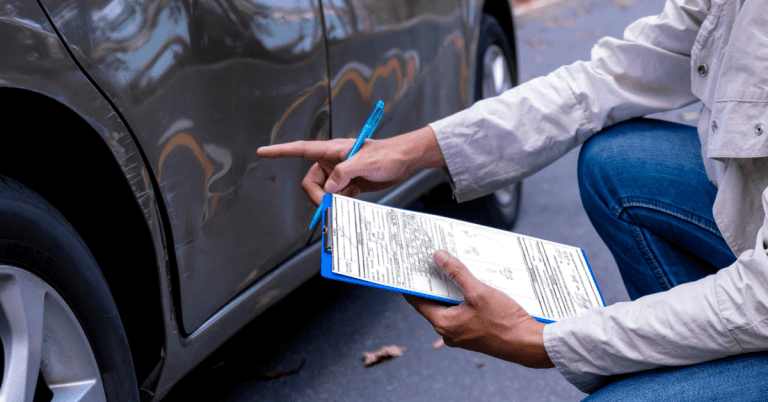
Filing the claim itself is simple. Getting it approved without a fight depends on what you hand the insurer up front:
- Report the car seat explicitly. Many claims intake forms never ask about a car seat, so state it yourself when you first report the accident. Under California law, for example, insurers are required to affirmatively ask whether a child restraint was in the vehicle — but not every state or insurer does this automatically, so do not assume it will come up.
- Photograph the seat from multiple angles. Include a wide shot in the vehicle, close-ups of any cracks or frayed webbing, and a clear photo of the manufacturer label showing the model number, serial number, and manufacture date.
- Get the police accident report. A report that documents the crash severity backs up your claim that this was more than a parking-lot tap.
- Check the manual for the manufacturer’s replacement policy. Most car seat manuals state at what crash severity the brand recommends replacement. If you lost the physical manual, the manufacturer’s website usually has a PDF copy by model number.
- Price a current equivalent model. Insurers sometimes try to reimburse based on a seat’s age rather than its replacement cost. Pull the current retail price of the same or a comparable model from a retailer’s website and submit that as your valuation evidence, rather than accepting a lowball offer without pushing back.
- Keep the original receipt if you have it. It is not always required, but it removes any question about what you paid originally.
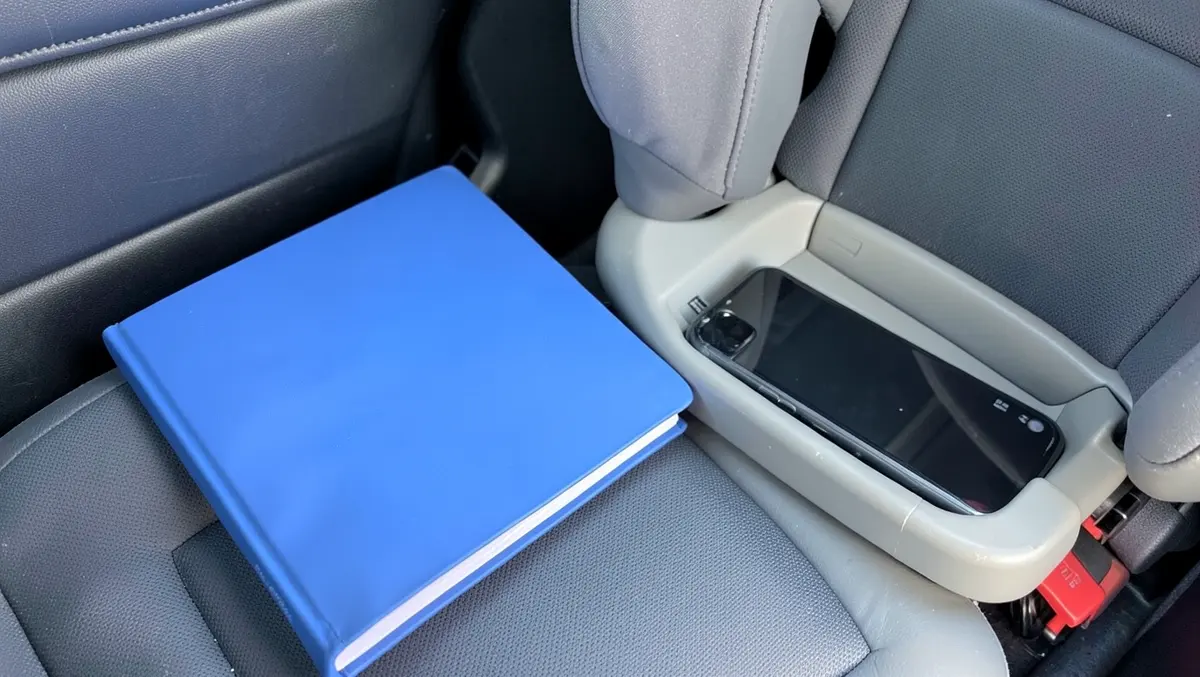
Tip: Do not destroy or discard the old seat until the claim is settled or your insurer has told you they do not need to inspect it — some insurers ask for photos of the destroyed seat as proof it will not be reused.
Common Reasons Car Seat Insurance Claims Get Denied
Most denials come down to one of a few avoidable problems:
| Reason for Denial | Why It Happens | How to Avoid It |
|---|---|---|
| Seat was never mentioned | The insurer only knows about vehicle damage | State explicitly that a car seat was in the vehicle when you report the claim |
| No proof of the crash severity | Insurer disputes whether it qualifies as moderate or severe | Attach the police report and note whether airbags deployed |
| Missed the reporting window | Some insurers require notice within 24 to 48 hours | Report the accident and the car seat as soon as possible, not weeks later |
| Seat was already expired | Expired seats are not eligible for reimbursement | Check the expiration date stamped on the seat’s label before you file |
Caption: These are the most common reasons a car seat claim gets denied, and how to head each one off before it happens.
Even when a claim is approved, replacing a car seat through insurance has real trade-offs. It typically saves money on a $100 to $300 seat and guarantees a seat that meets current safety standards, but you may still pay out-of-pocket if the cost falls below your deductible, and the process can take several days if the insurer asks you to buy the seat first and submit a receipt for reimbursement.
State Laws and Insurance Differences
California and Illinois are the two states that legally require insurers to replace a car seat after a moderate or severe crash. California’s requirement comes from Insurance Code Section 11580.011, which does more than just require coverage — it also puts the burden on the insurer, not the policyholder, to ask whether a child restraint was in the vehicle when a claim is filed. Illinois has a similar requirement under 215 ILCS 5/143.32. Outside these two states, coverage depends entirely on your policy and insurer, though many major carriers, including Progressive and State Farm, cover replacements voluntarily to align with NHTSA guidance even where it is not legally required.
Table 3: State Laws for Car Seat Replacement
| State | Law Exists? | Details |
|---|---|---|
| California | Yes | Insurance Code 11580.011 — insurer must ask about and cover a child restraint after a covered crash |
| Illinois | Yes | 215 ILCS 5/143.32 — required for moderate or severe crashes |
| Florida | No | Depends on insurer and policy; PIP does not apply to property |
Caption: This table highlights the two states with a specific car seat replacement law on the books.
What If Insurance Won’t Pay
A denial is not always the final word. A few options are worth trying before paying out of pocket:
- Ask for it in writing: Request a written explanation for the denial, or a statement that the insurer considers the seat safe to reuse. Insurers are often more careful about a written safety claim than a verbal one, and some reverse the denial once pressed.
- Check charities: Programs like Safe Kids Worldwide and Buckle Up For Life provide free or low-cost car seats to families who need one.
- Look for trade-in events: Retailers such as Target periodically run car seat trade-in programs that offer a discount toward a new seat in exchange for turning in an old one.
How to Dispose of a Damaged Car Seat
Do not put a crashed car seat in the trash intact, and do not pass it on to another family. Once the claim is settled, make it unusable:
- Cut all the harness straps with scissors.
- Write “CRASHED — NOT SAFE” on the shell with a permanent marker so it cannot be mistaken for a usable seat.
- Recycle the plastic parts through a local car seat recycling program, such as those run periodically by Target or Walmart.
In California, there is one more option: after you get a replacement seat, you may surrender the damaged one to the nearest California Highway Patrol office instead of disposing of it yourself.
Practical Tips for Parents
A few extra steps make the process smoother:
- Contact the manufacturer directly: Many brands, including Graco, will send a written statement confirming their crash-replacement policy for your specific model, which carries weight with an adjuster.
- Shop smart: You are not required to buy the exact same model. A crash-replacement claim is a reasonable moment to move up to a convertible or booster seat if your current one is close to being outgrown anyway.
- Know your fallback options: If insurance will not pay and a charity program is not available locally, check your car seat’s own expiration date before assuming you can keep using the old one while you save for a replacement.
Frequently Asked Questions
Does Insurance Always Cover Car Seat Replacement?
No, it depends on your policy. Collision or comprehensive coverage usually covers a car seat, but a liability-only policy on your own car will not, unless another driver is found at fault.
Do I Need to Replace My Car Seat After a Minor Crash?
Not always. NHTSA defines a minor crash as one where the vehicle can be driven away, no airbags deployed, and no one was injured. Even then, check the seat’s own manual, since some manufacturers set a lower threshold.
What If My Car Seat Was Not Occupied During the Crash?
Insurance may still cover it. Many manufacturers and insurers recommend replacing a car seat after a qualifying crash even if it was empty at the time, since the impact can still stress the plastic and frame.
Can I Get a Different Car Seat Model?
Yes. Insurance typically covers a comparable model rather than requiring an exact match. If your child has outgrown the old seat, you can put the payout toward a booster or a longer-lasting convertible seat instead.
What If My Car Seat Is Expired?
Insurance likely will not cover it. Most seats expire six to ten years from their manufacture date, and an already-expired seat is not eligible for crash reimbursement. Check the date stamped on the seat’s label, or see our guide on how old a car seat can be for expiration timelines by seat type.
How Do I Prove the Car Seat Was in the Crash?
Photos and records. Photograph the seat, its serial number label, and the crash scene, and submit those along with the police report and the manufacturer’s replacement guidance when you file the claim.
Does My Insurance Company Have to Ask If a Car Seat Was in the Car?
Only in some states. California law requires insurers to affirmatively ask whether a child restraint was in the vehicle when a claim is filed. Most other states have no such requirement, so mention the car seat yourself rather than waiting to be asked.
Are There Free Car Seat Programs If Insurance Denies My Claim?
Yes. Charities such as Buckle Up For Life and Safe Kids Worldwide provide free or low-cost car seats to families in need, and some local fire stations offer similar assistance.
Conclusion
A car seat claim after an accident goes smoother when you treat it like any other insurance claim: report it immediately, mention the seat by name, photograph everything, and keep the paperwork. If your insurer denies the claim, get the denial in writing and check whether a state law, a manufacturer letter, or a local charity program can still get your child into a safe seat. For the fuller picture of which coverage type applies to your accident and how your state’s rules differ, see our guide on does insurance cover car seat replacement.
Products related to this article
Sponsored / affiliate links. As an Amazon Associate I earn from qualifying purchases. I may earn additional commission from eligible campaigns.
 Coverado Car Seat Covers Front Seats, Luxury Leather Car Seat Covers, Automotive Mesh Seat Covers 2 Pack, Airbag-Compatible, Black Gray Seat Covers for SUV Sedan Truck
 FLORICH Leather Seat Cover, Car Seat Covers Front Set, Waterproof Car Seat Protectors, Front Seat Covers 2 Pack, Breathable Automotive Seat Covers Protector Fit for Most Cars Trucks SUV