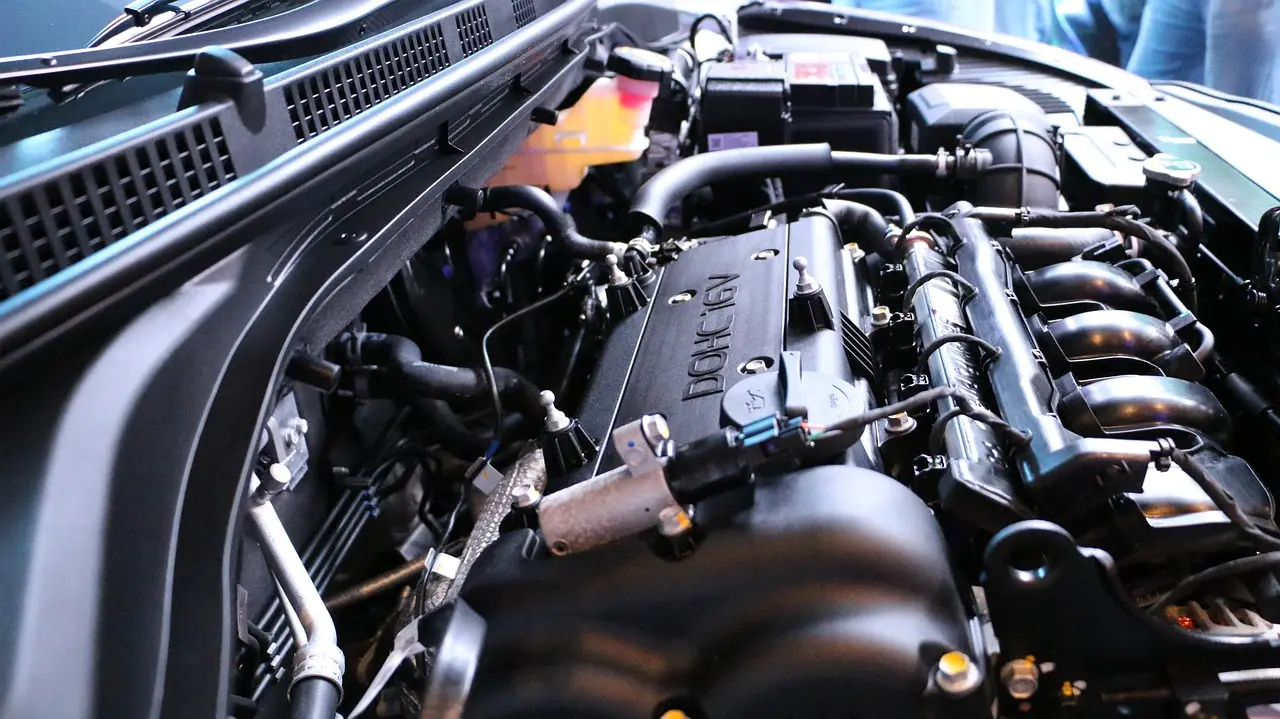
Can I Get a Remote Start Installed on My Car? Cost and Fit
Yes, most cars can take an aftermarket remote start, but the job depends on your vehicle’s key type, security system, and whether a qualified installer has the right bypass module and firmware. A poor install can trigger warning lights, starting faults, or a dead battery, and fixing that often costs more than the original work. This guide covers where to have it installed, what makes some cars easier or harder, and what a fair price usually looks like.
Can you get remote start installed on your car?
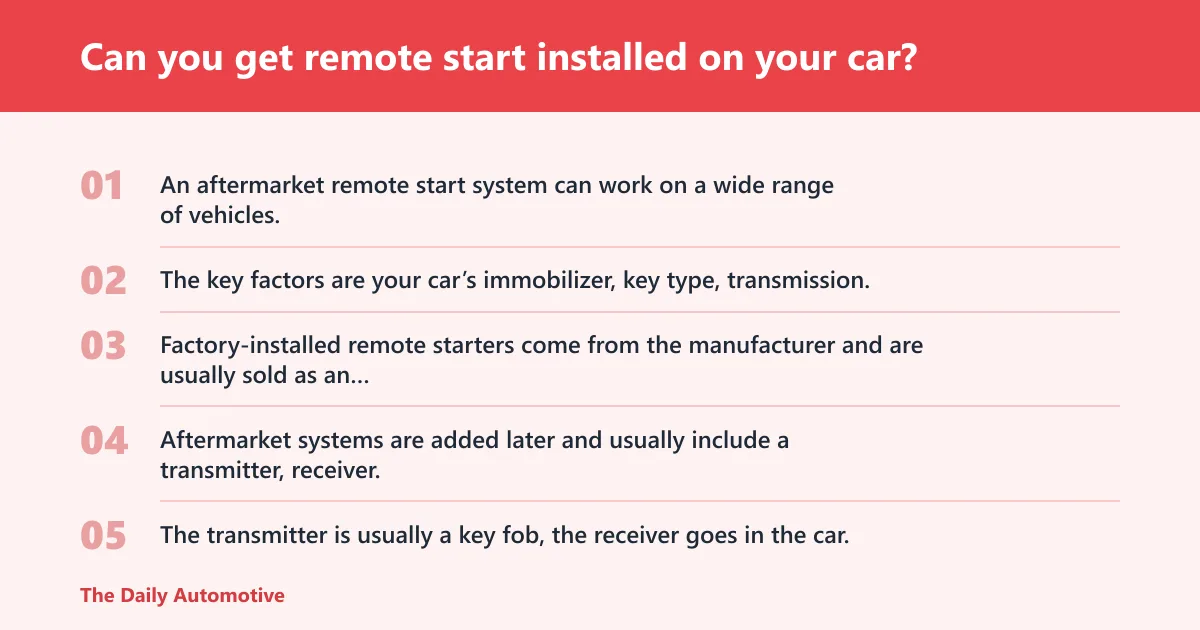

In many cases, yes. An aftermarket remote start system can work on a wide range of vehicles, but it is not a universal add-on. The key factors are your car’s immobilizer, key type, transmission, and whether the installer has a vehicle-specific module and software for your exact make, model, and year.
Factory remote start vs. aftermarket remote start
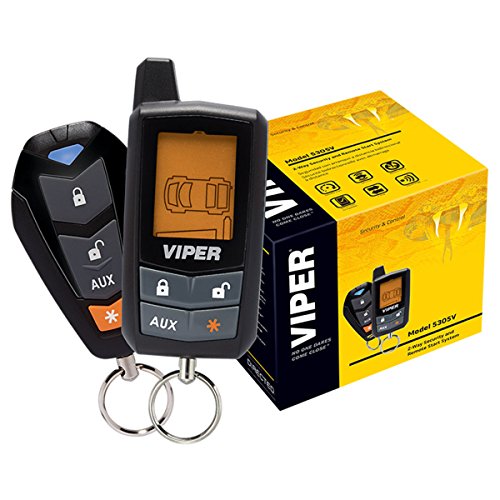
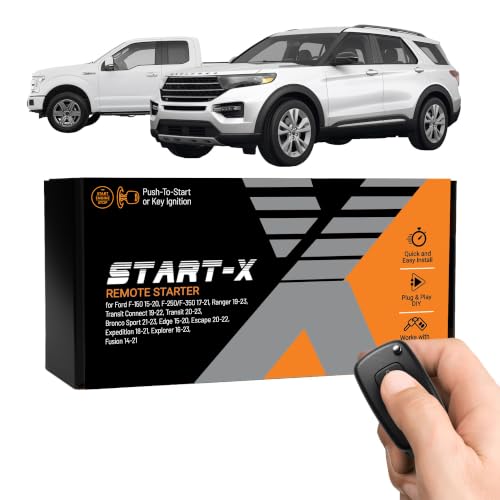
Factory-installed remote starters come from the manufacturer and are usually sold as an option on new cars. Aftermarket systems are added later and usually include a transmitter, receiver, and control module. The transmitter is usually a key fob, the receiver goes in the car, and the control module handles ignition control.
Which vehicles are usually compatible
Automatic transmission vehicles are often easier because the remote-start logic is simpler, but vehicle-specific matching still matters. Older vehicles with simpler security systems may be straightforward. Newer vehicles with factory push-button start, proximity keys, or data-bus communication often need a more advanced module and careful programming.
When the answer is no or not worth it
Some installs are technically possible but poor value. If the car has a complex anti-theft system, frequent electrical faults, or a remote-start kit that needs expensive add-ons, the total cost can outweigh the benefit. In those cases, a factory option or no remote start at all may be the smarter call.
📊 Aftermarket remote start parts typically cost $100-$500. Source: Can I Get a Remote Start Installed on My Car?.
What makes one car easy and another one hard?
The biggest divider is security architecture. Simple ignition circuits are easier to work with, while immobilizers, chipped keys, and modern anti-theft modules can block a basic install. Manual transmissions can add extra safeguards because the starter system has to account for clutch operation and prevent unsafe starting conditions.
Automatic transmission vs. manual transmission
Automatic transmission cars usually have more remote-start options because the system does not need clutch bypass logic. Manual transmission cars require extra safeguards, and a clutch makes remote start harder. Any system for a manual should be designed for that transmission type, not adapted from an automatic-only kit.
Immobilizers, chipped keys, and push-button start
Vehicles with immobilizers often need a professional shop rather than DIY. Some cars use chipped keys, which complicate remote-start installation because the vehicle must still recognize an authorized start request. Push-button start and proximity keys can add another layer, since the module may need to communicate with the car’s security network.
Proximity keys, data-bus integration, and anti-theft modules
Modern cars often route start authorization through data-bus systems rather than a simple wire trigger. That means a remote-start install may require programming, firmware updates, or a bypass module that speaks the car’s language. If the installer guesses, you can end up with intermittent no-starts or warning lamps after the job.
Where can you get a remote start installed?
You can get it installed at a dealer, an independent repair shop, a car-electronics specialist, or through DIY installation if your car and your skill level fit the job. The best choice depends on vehicle complexity, warranty concerns, and whether the system needs programming beyond basic wiring.
Dealer installation
A dealer is the most direct path for factory-approved parts on a new vehicle. This route can make sense when you want a manufacturer-backed solution or when the car was prewired for an accessory remote starter. Expect fewer compatibility questions, but not always the lowest total price.
Independent repair shops and car-electronics specialists
Independent shops often give you more flexibility on brand and price, and car-electronics specialists are usually better suited to anti-theft integration, bypass modules, and firmware matching. This is often the best middle ground for vehicles with immobilizers, chipped keys, or push-button start.
DIY installation: when it makes sense and when it does not
DIY installation can work for experienced users with the correct tools and wiring knowledge. It is a harder fit on modern cars with complex security systems. If the car uses an immobilizer, a data-bus module, or a manual transmission, the risk of errors usually outweighs the savings.
How much does remote start installation cost?
Aftermarket remote start parts typically cost $100-$500, and professional installation often takes one to three hours. Total price depends on the vehicle, the system features, the installer type, and whether extra modules are needed. Dealer jobs usually cost more; independent shops often land somewhere in the middle.
Parts cost: what the $100-$500 range usually buys
Lower-priced kits generally cover basic remote start functions and may use a simple key-fob transmitter. Higher-priced systems are more likely to include smartphone control, better vehicle coverage, or more advanced control modules. Price is also affected by whether the kit needs extra hardware for anti-theft integration.
Labor cost differences by installer type
Dealer labor often costs more because of brand-specific procedures and higher labor rates. Independent shops may price the same job lower, especially if they install remote-start systems regularly. Car-electronics specialists may charge the most on complex vehicles, but they are often the safest choice for difficult integrations.
What pushes the price higher
Push-button start, proximity keys, immobilizers, and manual transmissions can all raise the price because they require extra programming or a better module. A vehicle with multiple security layers can turn a simple one-hour job into a longer installation with more diagnostics and more chance of needing follow-up support.
| Installer type | Best for | Typical tradeoff |
|---|---|---|
| Dealer | Factory-approved or dealer-supported accessory installs | Usually higher labor cost |
| Independent repair shop | Common vehicles with standard wiring and moderate complexity | Quality varies by technician experience |
| Car-electronics specialist | Immobilizers, data-bus systems, proximity keys, manual-transmission setups | Can cost more, but often reduces programming mistakes |
| DIY | Experienced users with an easy vehicle and a correct kit | Higher risk on modern cars |
Use this compatibility-and-cost checklist before you buy
Do not buy the kit first and hope it fits. Start with the car’s exact year, trim, transmission, and security system. Then ask whether the installer has a confirmed module for that vehicle. A mismatch can leave you with parts that cannot be returned or a car that will not start reliably.
- Easy DIY-friendly vehicles: older automatic cars with simpler security systems, clear wiring diagrams, and no complicated immobilizer logic.
- Shop-only vehicles: cars with immobilizers, chipped keys, push-button start, proximity keys, or data-bus integration that needs programming.
- No-go cases: vehicles with unresolved electrical faults, unsupported manual-transmission setups, or kits that lack a confirmed compatibility chart for the exact year and trim.
Say your sedan has an automatic transmission, a traditional key, and no immobilizer listed in the compatibility guide. That is the kind of car that may be straightforward. Now picture a hatchback with a proximity key and a factory anti-theft system that needs a bypass module; that is a different job entirely.
What should you ask an installer before authorizing work?
Ask the installer to confirm exact compatibility before any labor starts. You want a written answer for your vehicle’s year, make, model, trim, transmission, and key type. You also want to know what module they will use, whether programming is included, and what happens if the first attempt fails.
Questions about vehicle-specific compatibility
Ask: “Have you installed this system on my exact year and trim?” and “Does my car need a bypass module or firmware update?” Also ask whether the kit supports your transmission type, because a manual-transmission vehicle needs a starter system designed for that use.
Questions about warranty, insurance, and theft risk
Ask whether the installer’s warranty covers parts, labor, or both. Then ask whether the remote-start install affects the vehicle warranty, how the shop handles any damage from wiring errors, and whether your insurer needs to know about the modification. This matters more on newer vehicles with advanced anti-theft systems.
Questions about failure modes, warning lights, and post-install support
Ask what warning lights might appear if the module is not matched correctly. Ask how they diagnose non-start conditions, whether the battery can drain if the system is wired incorrectly, and whether they offer follow-up support after the install. A qualified shop should answer these plainly.
Can you get remote start installed in your car near me?
Yes, if you have a local dealer, independent repair shop, or car-electronics specialist that works on your vehicle type. The better question is whether that shop has confirmed experience with your exact security system. A nearby installer is not helpful if they cannot verify compatibility before the job begins.
Can I install a remote start on my car?
Maybe, but only if your car is a good fit and you have the right tools, wiring knowledge, and installation instructions for that exact vehicle. DIY installation is most realistic on simpler older cars. Modern cars with immobilizers, chipped keys, or networked security usually belong with a professional installer.
Can I install a remote starter on my car?
Yes, if the starter kit is built for your vehicle and the installation path is clear. The phrase “can I” comes down to compatibility, not willpower. If your car has a manual transmission, a complex anti-theft system, or a push-button start setup, professional installation is the safer route.
Can I get remote start on my car?
Often, yes, if the vehicle passes a compatibility check. The key questions are whether the car uses a factory-style immobilizer, whether it has a chipped key, and whether the starter kit supports your exact trim and transmission. Without that match, the install can become unreliable or too expensive.
How much is it to have remote start installed?
For aftermarket remote start, parts typically cost $100-$500, and labor depends on installer type and vehicle complexity. A simpler install is usually cheaper; a vehicle with push-button start, proximity keys, or anti-theft integration can cost more. Professional installation often takes one to three hours, though complex jobs can run longer.
Can I add remote start to my car?
In many cases, yes. The real question is whether adding it makes sense for your vehicle’s security system and age. If the car has a manual transmission, an immobilizer, or a modern data-bus setup, adding remote start is still possible in many cases, but it should be planned carefully.
Products related to this article
Sponsored / affiliate links. As an Amazon Associate I earn from qualifying purchases. I may earn additional commission from eligible campaigns.