Can You Add Remote Start to a Car That Doesn’t Have It?
Yes, many cars can get remote start after purchase, but only if the vehicle has the right security, ignition, and wiring support; otherwise the correct answer is no. A bad retrofit can trigger warning lights, drain the battery, create start failures, or void warranty coverage on related electrical work. This guide explains which cars fit a remote-start install, what parts raise the price, and when you should skip the retrofit.
This guide is part of our Winter Car Care: The Complete Cold-Weather Guide series.
How to check compatibility and install options
Often yes. The real question is whether your exact car can accept a remote-start system without conflicting with its security, ignition, or transmission logic. Model year, key type, and transmission are the main checks.
How to judge the fit
Cars built after the mid-2000s can usually take a dealer-installed remote-start system. Cars built before 2005 will usually need an aftermarket starter. Automatic transmissions are typically compatible with most remote-start kits, while manual transmissions usually are not supported by standard aftermarket systems. (Consumerreports)
That is why two cars that look similar can have very different outcomes. A newer automatic with a standard key may be straightforward. A manual-transmission car with a transponder key and modern security architecture is much harder to fit.
OEM remote-start options
Factory-installed or dealer-installed remote start is the cleaner path when the automaker already supports it for your model and trim. It usually fits the vehicle’s electronics more neatly, and it may preserve warranty coverage better than an aftermarket system, though warranty terms still vary by brand and timing.
Dealer-installed systems can also reduce the odds of odd behavior after the install, because the parts are built for that platform. Consumer Reports says a dealer can figure out whether your car is able to use remote start.
Aftermarket remote-start kit
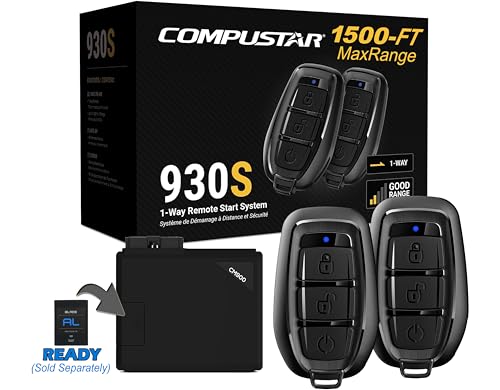
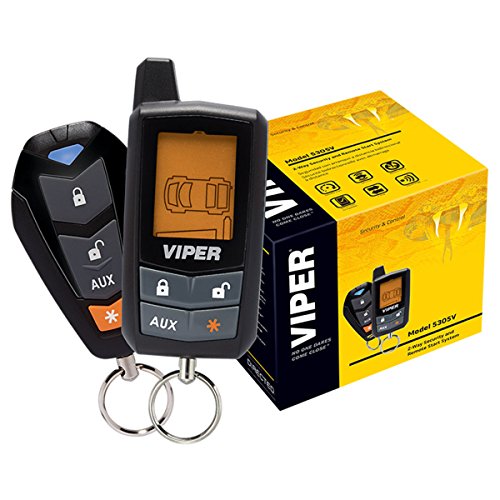
An aftermarket kit is the common fallback when no OEM path exists. The base aftermarket remote-start hardware often costs about $80-$350, and installation labor is often about $150 to $450. For many vehicles, the installed price ends up around $200 to $330 including parts and labor, but European cars with transponder keys can run as much as $800.
That cost can rise when the car needs a bypass module or a data interface to communicate with the immobilizer and body-control electronics. Those add-ons are not optional in many vehicles; they separate a clean start from a system that cannot authenticate itself.
Which vehicles make aftermarket installs harder?
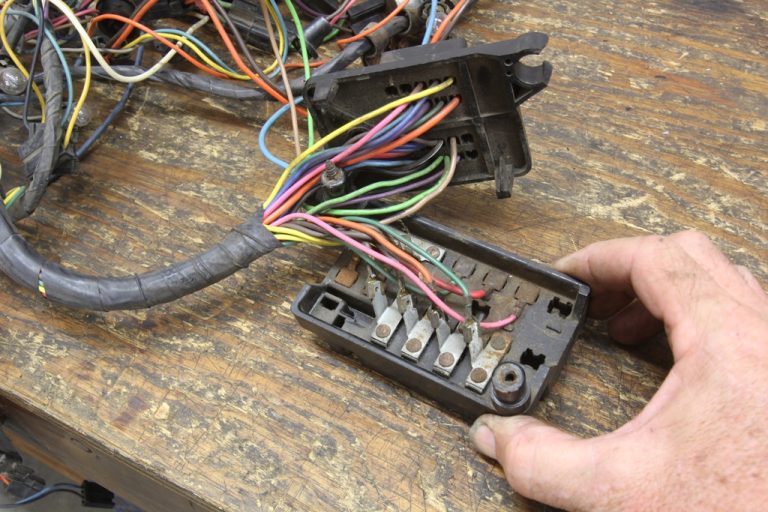
Modern CAN-bus systems may require specialized adapters. If the installer has to translate signals rather than simply tap a basic ignition circuit, the job becomes more complex and the risk of fault codes rises if the parts or wiring are wrong.
Suppose your car has push-button start, an immobilizer, and a factory alarm tied into the CAN-bus network. That is not an automatic no, but it does move the job into the “platform-specific parts and careful integration” category, which usually costs more and leaves less room for error.
📊 Systems for European cars with transponder keys can run as much as $800. Source: Consumerreports.
Can remote start be added to any vehicle?
No. Many vehicles can take remote start, but not every vehicle is a realistic candidate. The most common blockers are transmission type, security architecture, and whether the car’s electronics can accept an approved retrofit without bypassing important safeguards.
Model year, key type, and transmission
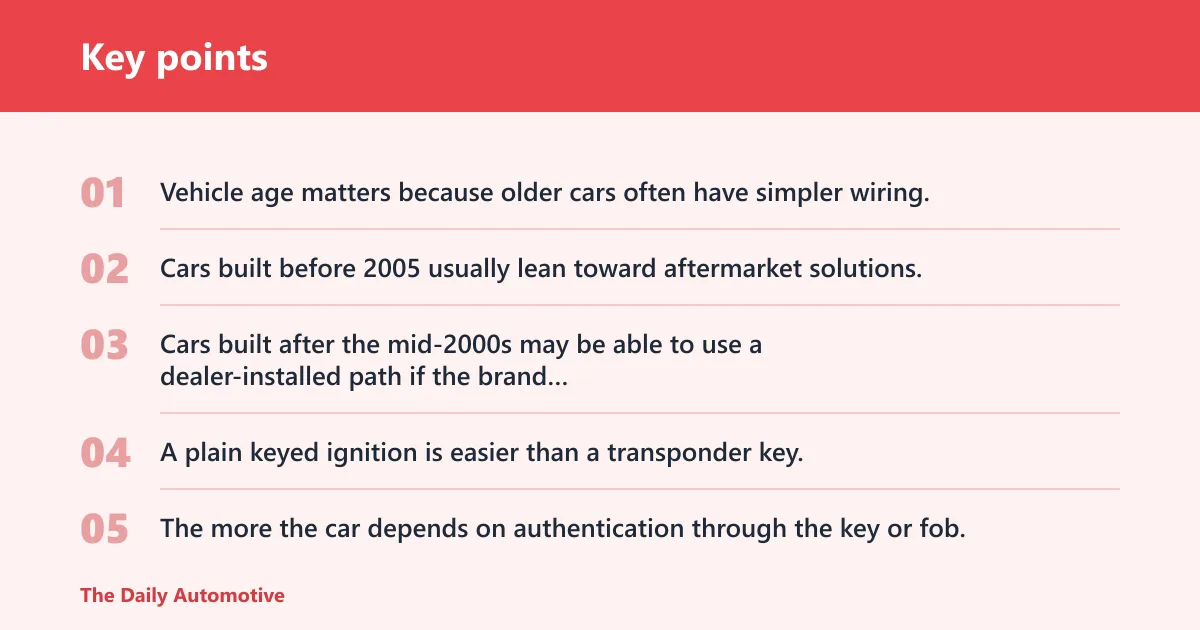
Vehicle age matters because older cars often have simpler wiring, while newer cars can depend on digital security and networked modules. Cars built before 2005 usually lean toward aftermarket solutions. Cars built after the mid-2000s may be able to use a dealer-installed path if the brand supports it.
Key type matters too. A plain keyed ignition is easier than a transponder key, and a smart-key system is usually more complex still. The more the car depends on authentication through the key or fob, the more likely it is that you will need extra modules.
Immobilizer systems and CAN-bus wiring
Some vehicles may require a bypass module to start remotely without the key. That module has to match the car’s immobilizer system, or the starter may crank and then stall, fail to crank at all, or trigger a security light.
Modern CAN-bus vehicles add another layer. A data-driven install may need specialized adapters to read lock, unlock, run, and tachometer or status information. If the integration is sloppy, warning lights or fault codes can follow.
Vehicles that installers often decline
Manual transmission vehicles are the most common decline. Standard aftermarket systems usually do not support them, and installers worry about rollback risk if the car is left in gear. Some shops refuse these jobs outright rather than take on that liability.
Very old vehicles can also be a problem if replacement parts are scarce or the wiring is too inconsistent for a safe integration. On the other end, some newer luxury models use security logic that makes dealer support a better fit than generic aftermarket gear.
Remote-start cost matrix
Use this checklist before you pay for a quote. It separates the obvious price from the hidden parts that often change the final bill. If a shop cannot explain which row your car falls into, get a second opinion.
| Vehicle age | Key type | Transmission | Immobilizer complexity | Likely install path | Hidden parts needed | Typical total cost range | Red-flag reasons to decline |
|---|---|---|---|---|---|---|---|
| Before 2005 | Basic keyed ignition | Automatic | Low to moderate | Aftermarket kit | Possible bypass module, hood pin switch, wiring harnesses | $200 to $330, sometimes higher | Intermittent no-crank, alarm conflicts, poor wiring access |
| Before 2005 | Transponder key | Automatic | Moderate to high | Aftermarket kit with integration module | Bypass module, data interface, extra adapters | Up to $800 for some European cars | Module not listed for your exact model/year |
| Mid-2000s and newer | Transponder or smart key | Automatic | Moderate to high | Dealer-installed or advanced aftermarket | Data interface, module-specific wiring, possibly hood pin switch | $350 to $900+ | CAN-bus warnings, dealer says no supported OEM path |
| Any age | Any | Manual | Any | Usually decline | Extra safety logic, clutch or neutral-safety integration | Highly variable, often not worth it | Rollback risk, installer refusal, unsafe parking habits |
What the bill usually includes
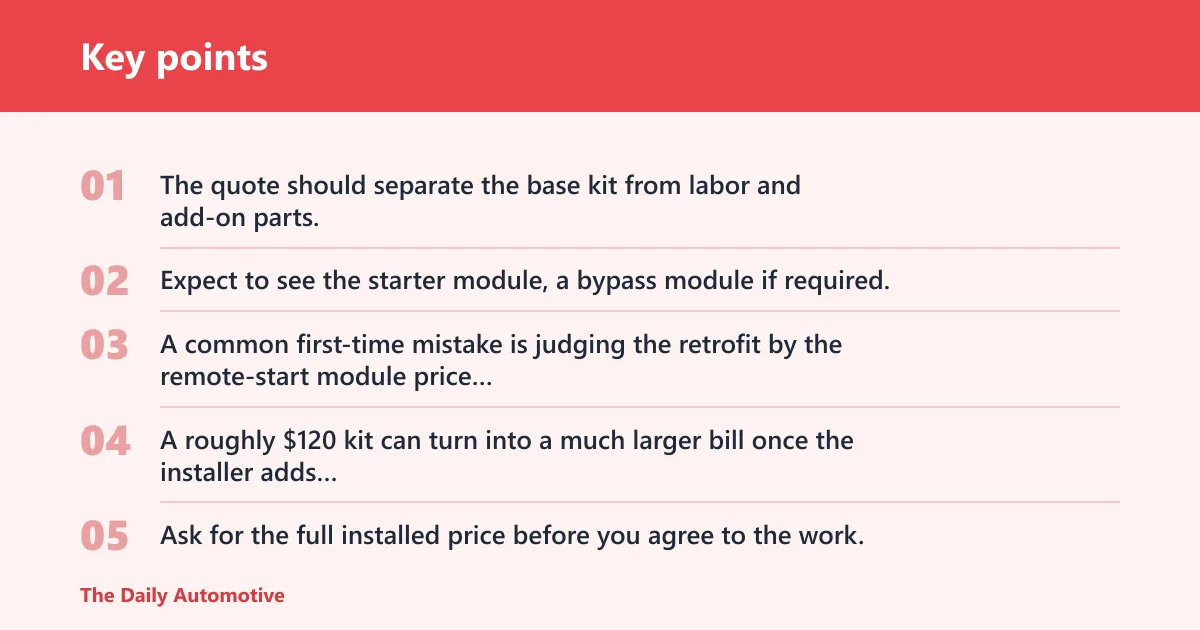
The quote should separate the base kit from labor and add-on parts. Expect to see the starter module, a bypass module if required, a data interface for some modern vehicles, a hood pin switch in many installs, and wiring or adapter parts that match the car.
A common first-time mistake is judging the retrofit by the remote-start module price alone instead of factoring in vehicle-specific wiring, labor, and any bypass components. A roughly $120 kit can turn into a much larger bill once the installer adds vehicle-specific modules and labor. Ask for the full installed price before you agree to the work.
When the quote should trigger a no-go
If the installer cannot name the exact module set for your model year and trim, stop there. If the estimate leaves out a bypass module on a car that needs one, or if the shop seems unsure about CAN-bus support, the risk of a bad install is too high.
Failure symptoms after a bad install include no-crank, stalling after start-up, warning lights, or alarm conflicts that sound at random. Those are not minor annoyances. They usually mean the system is not matched correctly to the vehicle.
Will adding remote start void my warranty?
Not automatically, but the path matters. Dealer-installed or factory-backed systems may fit more cleanly within warranty coverage. Aftermarket systems can create disputes if a related electrical problem appears after installation, especially when the wiring, modules, or programming were not done correctly.
What to verify before paying for the work
Ask whether the installer will document the parts list, keep the original wiring intact where possible, and confirm how the system interacts with the vehicle’s security modules. That record matters if a dealer later questions a related electrical issue.
Warranty terms vary by brand and timing, so do not assume one policy covers every situation. If your vehicle is still under factory warranty, a dealer-installed option is often the cleaner answer when one is available.
Can remote start be added to a manual transmission car?
Usually not with standard aftermarket systems. Manual transmissions bring rollback and unintended-movement risk, so most remote-start kits are built for automatic vehicles. Some installers refuse manual-transmission jobs outright, and others will take them only with strict safety checks and a platform-specific approach.
Safety checks and installer policies
A safe manual-transmission retrofit would need proof that the car is in neutral, the parking brake is set, and the clutch and gear state are being handled correctly every time. That is difficult to guarantee across everyday use, which is why the category stays limited.
For many owners, the safest answer is no. If the car is a manual and the installer sounds casual about the risk, walk away.
Frequently asked questions
Can you add remote start to a car that doesn’t have it?
Yes, many cars can be retrofitted, but the answer depends on the model year, key type, transmission, and security architecture. Older automatic cars are usually easier. Newer cars may need dealer support or extra modules, and manual-transmission cars are often poor candidates.
How much does it cost to add remote start to a car?
Aftermarket remote-start systems typically cost $200 to $330 including parts and labor, though some vehicles run higher.
Can a dealer install remote start after purchase?
Often yes, especially on cars built after the mid-2000s. A dealer can tell you whether your vehicle supports an OEM path and whether your trim is eligible. If the brand offers a factory or dealer-installed option, that route is often cleaner than an aftermarket retrofit.
Is aftermarket remote start worth it?
It can be, if your vehicle is compatible and the total installed price makes sense for the car’s value. It is less attractive when the install needs several hidden modules, when the car has a manual transmission, or when the shop cannot clearly explain the integration path.
Products related to this article
Sponsored / affiliate links. As an Amazon Associate I earn from qualifying purchases. I may earn additional commission from eligible campaigns.