How to Tell If a Car Engine Is Blown: Signs, Sounds & Costs
Hey there! So, you’re worried your car’s engine might be blown? I feel you—that sinking feeling when your car starts acting up is the worst. I’ve been through this myself a couple of times, like when my old pickup started making noises that sounded like a horror movie.
A blown engine is a big deal, and figuring out if that’s the problem can save you time, money, and a lot of stress. I’ve spent hours under the hood and talking to mechanics to understand this, and I’m here to share everything I’ve learned in a way that’s easy to follow. Whether you’re a car newbie or a seasoned DIYer, I’ll walk you through the signs of a blown engine, what to check, and what to do next, like we’re troubleshooting your car together. Let’s get started!
Quick Answer
The clearest signs of a blown engine are loud knocking or banging noises, smoke coming from the hood (blue = burning oil, white = coolant, black = excess fuel), a sudden loss of power, overheating, and oil mixed into the coolant (or vice versa). If your engine won’t start, makes a knocking sound when it tries, or has visibly cracked/warped metal, it’s very likely blown and needs a mechanic’s diagnosis before you drive it further.
What Does a Blown Engine Mean?
First, let’s clear up what “blown engine” actually means. It’s a term mechanics and car folks use when an engine has suffered major damage and can’t run properly anymore. Think of it like your car’s heart—it’s either stopped working or is so damaged it can’t keep going without serious repairs. I learned this the hard way when my first car’s engine gave out after ignoring some warning signs (oops).
A blown engine can happen for lots of reasons—overheating, lack of oil, or even a broken part like a piston or rod. The damage could be a cracked engine block, seized components, or internal parts that are just toast. The bad news? It’s usually expensive to fix. The good news? You can spot the signs early if you know what to look for, and I’m going to show you how.
Common Signs of a Blown Engine
When your engine is in trouble, it’ll usually give you some pretty clear signals. I’ve seen most of these myself, and they’re hard to miss once you know what to watch for. Here are the big ones:
Strange Noises
If your engine sounds like it’s auditioning for a heavy metal band, that’s a red flag. Knocking, banging, or grinding noises are bad news. I had a car once that made a loud “clunk-clunk” sound every time I turned it on. Turned out, a connecting rod was loose, and the engine was on its last legs. These noises often mean internal parts are broken or rubbing together in ways they shouldn’t.
Smoke or Steam from the Hood
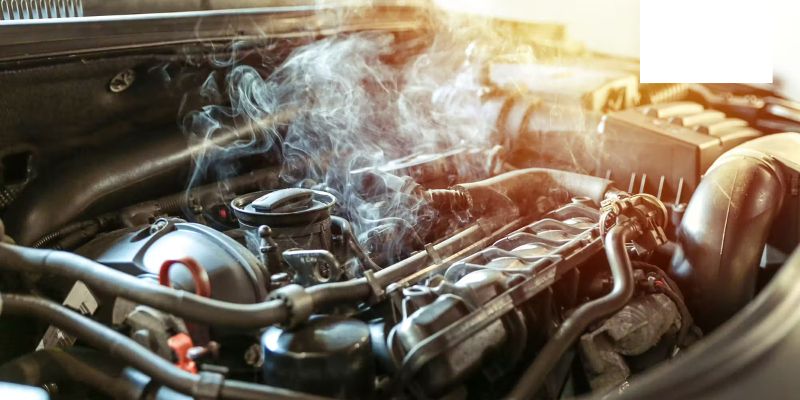
Smoke pouring out from under the hood is never a good sign. I remember pulling over in a panic when my old sedan started billowing white smoke. It could be blue, white, or black smoke, and each type means something different. Blue smoke usually points to burning oil, white smoke suggests coolant leaking into the engine, and black smoke means too much fuel is burning. Any of these could signal a blown or failing engine.
Loss of Power
If your car feels sluggish, like it’s struggling to accelerate, that’s another clue. I noticed this when my truck could barely make it up a hill, even with my foot to the floor. A blown engine often loses compression, which means it can’t generate the power it used to. You might also feel jerking or hesitation when you press the gas.
Check Engine Light
That little light on your dashboard isn’t just there to annoy you. When my car’s check engine light came on and stayed on, I ignored it for a week—big mistake. A steady or flashing check engine light can mean anything from a minor issue to a serious engine problem. If it’s paired with other symptoms, like noises or smoke, it’s time to take it seriously.
Overheating
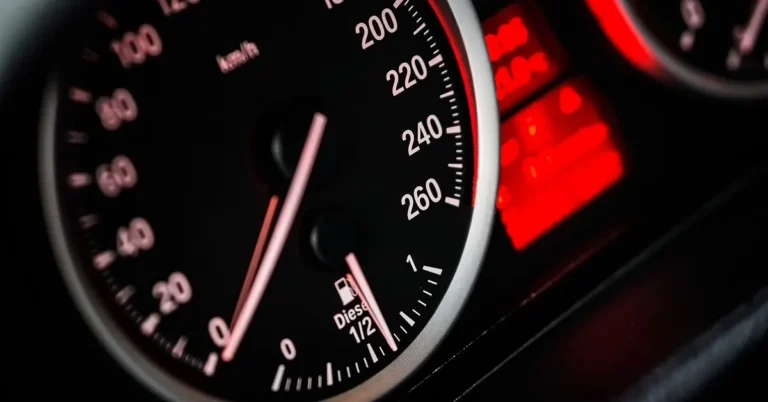
Engines are designed to stay cool, but a blown engine often can’t. If your temperature gauge is creeping into the red zone or you see steam, pull over immediately. I learned this lesson when I kept driving an overheating car and ended up with a warped cylinder head. Overheating can cause or be a sign of a blown engine, especially if coolant is leaking internally.
Oil or Coolant Problems
Check your oil and coolant levels. If the oil looks milky or has metal flakes, or if the coolant is disappearing fast, your engine might be in trouble. I once found what looked like chocolate syrup in my oil dipstick—yep, coolant was mixing with the oil, a classic sign of a blown head gasket.
How to Diagnose a Blown Engine
Now that you know the signs, let’s figure out if your engine is really blown. I’ve done this a few times, and it’s like being a detective. You don’t need to be a mechanic, but you’ll need some patience and a few tools. Here’s how I go about it:
Check the Oil
Pop the hood and pull out the dipstick. Wipe it clean, dip it back in, and take a look. The oil should be amber or dark brown, not milky or gritty. I made the mistake of ignoring milky oil once, and it cost me a new engine. If you see metal shavings or a frothy texture, that’s a sign of serious internal damage.
Inspect the Coolant
Next, check the coolant reservoir. It should be clear, not cloudy or oily. If you see oil floating in the coolant or it’s disappearing too fast, you might have a cracked block or blown head gasket. I had a car that kept losing coolant, and it turned out the engine was leaking it into the cylinders.
Listen to the Engine
Start the car (if it still runs) and listen closely. A healthy engine should hum smoothly. If you hear knocking, ticking, or grinding, that’s a bad sign. When my pickup started sounding like a jackhammer, I knew it was time to investigate. Pay attention to when the noises happen—idling, accelerating, or turning.
Use a Code Reader
A cheap OBD-II code reader can plug into your car’s diagnostic port (usually under the dashboard) and tell you what’s wrong. I bought one for $20 online, and it’s saved me tons of guesswork. If the codes point to misfires, low compression, or major sensor issues, your engine might be blown. Take note of the codes and look them up online or ask a mechanic.
Compression Test
If you’re handy, a compression test is a great way to check your engine’s health. You’ll need a compression tester, which you can get for about $30. Remove the spark plugs, screw in the tester, and crank the engine. Each cylinder should have similar pressure (check your car’s manual for the exact numbers). I did this on a friend’s car, and we found one cylinder had zero compression—yep, the engine was toast.
What Causes a Blown Engine?
Understanding why engines fail can help you avoid the same fate in the future. I’ve seen engines go bad for all sorts of reasons, and most come down to neglect or bad luck. Here are the main culprits:
| Cause | What Happens |
|---|---|
| Overheating | High temperatures warp or crack engine parts, like the head or block. |
| Low Oil | Without enough oil, parts grind together, causing catastrophic damage. |
| Timing Belt Failure | A broken belt can make valves crash into pistons, wrecking the engine. |
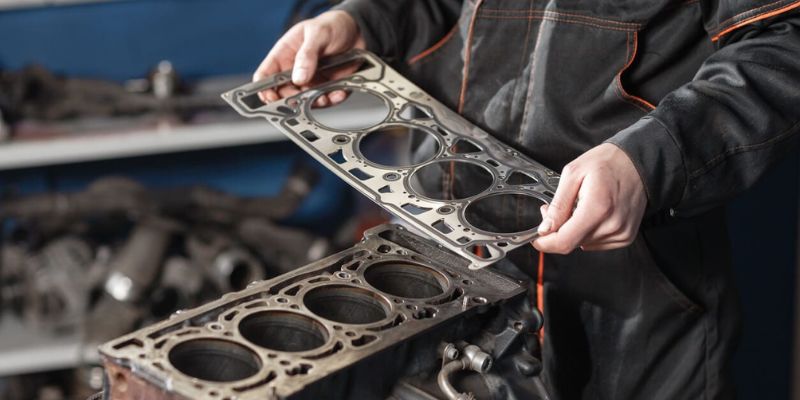
| Blown Head Gasket | Leaks between cylinders let oil and coolant mix, leading to engine failure. |
| Manufacturing Defects | Rare, but faulty parts can fail early, like a weak connecting rod. |
I had a car blow its engine because I didn’t check the oil regularly—lesson learned. Regular maintenance, like oil changes and checking the coolant, can prevent most of these issues.
What to Do If Your Engine Is Blown
So, you’ve confirmed the worst: your engine is blown. Now what? I’ve been in this spot, and it’s not fun, but you’ve got options. Here’s what I’d do:
Get a Professional Opinion
Take your car to a trusted mechanic for a second opinion. I once thought my engine was blown, but it turned out to be a fixable head gasket issue. A pro can confirm the damage and give you a repair estimate. Expect to pay $50-$100 for a diagnosis.
Decide on Repair or Replacement
Fixing a blown engine can cost $3,000-$10,000, depending on the car and damage. Replacing it with a rebuilt or used engine might be cheaper, around $1,500-$5,000. I went with a used engine for my truck because a rebuild was too pricey. Compare costs and consider your car’s value—sometimes it’s not worth fixing.
Sell or Scrap the Car
If repairs are too expensive, you might sell the car as-is or scrap it. I sold my old sedan for parts when the engine blew, and it covered the down payment on my next car. Check with local junkyards or online marketplaces for quotes.
Prevent Future Issues
If you’re keeping the car or getting a new one, stay on top of maintenance. I now check my oil every month and get regular tune-ups. It’s a small effort that can save you thousands.
Can You Drive with a Blown Engine?
Short answer: don’t. A blown engine is either completely dead or so damaged that driving it will make things worse. I tried limping a car home with a failing engine, and it ended up costing me more in repairs. If you suspect a blown engine, pull over safely and get it towed to a shop. It’s not worth risking further damage or stranding yourself.
How Much Does It Cost to Fix a Blown Engine?
The cost depends on your car and the damage. Here’s a rough breakdown based on my experience:
| Option | Cost Range |
|---|---|
| Rebuild Engine | $3,000-$10,000 |
| Used/Rebuilt Engine | $1,500-$5,000 |
| New Engine | $5,000-$15,000 |
| Scrap/Sell Car | $200-$2,000 (return) |
Labor is a big factor—expect $70-$150 per hour. I got quotes from three shops before deciding on a used engine, which saved me about $2,000 compared to a rebuild.
Preventing a Blown Engine
The best way to deal with a blown engine is to avoid it altogether. I’ve learned to be proactive after losing two engines to neglect. Here’s what I do now:
- Check oil regularly: Every month, pull the dipstick and make sure the oil is at the right level and clean.
- Monitor coolant: Keep the reservoir full and check for leaks.
- Follow maintenance schedules: Oil changes, timing belt replacements, and tune-ups are non-negotiable.
- Listen to your car: Strange noises or warning lights? Don’t ignore them like I did.
- Avoid overheating: If the temperature gauge climbs, pull over and let the engine cool.
These steps have kept my current car running smoothly for years, and I’m hoping they’ll do the same for you.
When to Call a Professional
If you’re not comfortable diagnosing or fixing the engine yourself, don’t sweat it. I’ve taken cars to mechanics when the problem was over my head, and it’s worth the peace of mind. A good mechanic can pinpoint the issue quickly and save you from guessing. Look for shops with solid reviews, and don’t be afraid to ask questions—I always ask for a detailed breakdown of the problem and costs.
Conclusion
Phew, we covered a lot, didn’t we? Figuring out if your car’s engine is blown can feel overwhelming, but I hope this guide made it clear and manageable. From spotting those telltale signs—like weird noises, smoke, or a sluggish engine—to diagnosing the problem and deciding what to do next, you’re now equipped to handle this like a pro. I’ve been through the stress of a blown engine, and let me tell you, catching it early and knowing your options makes all the difference. Whether you fix it, replace it, or move on to a new car, you’ve got this. So, keep an eye on your car, listen to what it’s telling you, and don’t be afraid to get your hands a little dirty—or call a mechanic if you need to. Got more questions? Check out the FAQs below, or leave a comment on the blog. Here’s to keeping your car running strong!
FAQs
What’s the most common sign of a blown engine?
The most common sign is loud knocking or banging noises from the engine. You might also see smoke, lose power, or notice a check engine light. I had a car that knocked so loud it sounded like a hammer, and it was blown.
Can a blown engine be repaired?
Yes, but it depends on the damage. Minor issues like a blown head gasket might be fixable, but a cracked block or seized pistons often need a full rebuild or replacement. I had a head gasket repaired once, but it still cost a pretty penny.
How long can you drive with a blown engine?
Not long—if at all. A blown engine is usually too damaged to run properly, and driving it can cause more harm. I tried driving a failing engine a few miles, and it made the repair bill even worse.
How can I prevent my engine from blowing?
Regular maintenance is key. Check your oil and coolant often, follow your car’s service schedule, and don’t ignore warning signs like noises or overheating. I started doing this after losing an engine, and it’s kept my cars healthy.
Is it cheaper to replace or rebuild a blown engine?
It depends. A used or rebuilt engine usually costs $1,500-$5,000, while rebuilding can run $3,000-$10,000. I went with a used engine for my truck because it was half the price of a rebuild.
Products related to this article
Sponsored / affiliate links. As an Amazon Associate I earn from qualifying purchases. I may earn additional commission from eligible campaigns.