Can Not Having Antifreeze Make Your Car Overheat Fast?
Imagine this: you’re on a road trip, windows down, enjoying the scenery, when suddenly your car’s temperature gauge starts climbing rapidly. The “check engine” light flashes red, and a plume of steam billows from under the hood. It’s a driver’s worst nightmare, and often, a lack of a simple coolant can be the culprit.
This post will explain exactly why and how this happens. By the end, you’ll know exactly what to look out for and why keeping your antifreeze topped up is so important for your vehicle’s health.
The question on many drivers’ minds, especially when facing a steaming engine, is Can Not Having Antifreeze Make Your Car Overheat Fast? The short answer is a resounding yes. Your car’s cooling system is a vital component, and antifreeze, also known as coolant, plays a starring role in keeping your engine at its optimal operating temperature. Without it, your engine’s internal components can quickly reach dangerously high temperatures, leading to serious damage and costly repairs.
This article will explore the science behind this phenomenon, the consequences of overheating, and what you can do to prevent it.
The Critical Role of Antifreeze
Your car’s engine generates a tremendous amount of heat when it runs. This heat is a byproduct of the combustion process, where fuel is burned to create power. If this heat isn’t managed effectively, it can cause engine components to expand, warp, or even melt.
That’s where the cooling system comes in. It’s designed to dissipate this excess heat, keeping the engine within a safe temperature range.
Antifreeze is a special fluid that is essential for this process. It’s a mixture of ethylene glycol or propylene glycol and water. This mixture has a much higher boiling point and a lower freezing point than plain water.
This dual capability is what makes it so effective. In hot weather, it prevents the coolant from boiling over, and in cold weather, it stops it from freezing and expanding, which could crack the engine block.
How Antifreeze Cools Your Engine
The cooling system operates in a continuous loop. Here’s a simplified breakdown of how it works with antifreeze:
- Combustion Generates Heat: The engine’s cylinders heat up significantly as fuel burns.
- Coolant Absorbs Heat: The coolant, circulating through passages in the engine block and cylinder head, absorbs this heat.
- Thermostat Regulates Flow: The thermostat acts like a valve. When the engine is cold, it keeps the coolant from circulating through the radiator, allowing the engine to warm up quickly. Once the engine reaches its ideal operating temperature, the thermostat opens.
- Radiator Dissipates Heat: The hot coolant then flows to the radiator, which is usually located at the front of the car. Air passes through the radiator’s fins, cooling the liquid inside.
- Fan Assistance: A fan, either electric or engine-driven, helps pull air through the radiator, especially when the car is moving slowly or stopped.
- Return to Engine: The cooled coolant then circulates back into the engine to absorb more heat.
Antifreeze is crucial because it raises the boiling point of the coolant mixture. Plain water boils at 212 degrees Fahrenheit (100 degrees Celsius) at sea level. However, an engine operates at temperatures that can easily exceed this, especially under load or in hot weather.
By adding antifreeze, the boiling point of the coolant can be raised to 265 degrees Fahrenheit (129 degrees Celsius) or even higher, depending on the mixture ratio and pressure in the system. This prevents the coolant from turning into steam, which is far less effective at transferring heat and can lead to dangerous pressure buildup.
What Happens Without Antifreeze
If your car is running without any antifreeze, or if the coolant level is critically low, the cooling system’s ability to manage heat is severely compromised. This is where the rapid overheating becomes a serious concern.
Boiling Point Exceeded
Without the raised boiling point provided by antifreeze, the water in the cooling system will begin to boil as soon as the engine temperature exceeds 212 degrees Fahrenheit (100 degrees Celsius). Boiling coolant turns into steam. Steam is a gas, and it’s much less dense than liquid.
This means it cannot effectively absorb and transfer heat away from the engine components.
Reduced Heat Transfer
When the coolant boils, pockets of steam can form within the cooling system. These steam pockets act as insulators, preventing the remaining liquid coolant from coming into contact with the hot metal parts of the engine. This significantly reduces the cooling system’s efficiency.
Instead of the liquid coolant carrying heat away to the radiator, you have steam pockets hindering the process.
Rapid Temperature Increase
Because heat is no longer being efficiently removed, the engine’s temperature will start to climb rapidly. This is the “overheat fast” part of the question. In situations where there’s no antifreeze or very little coolant, the engine can go from its normal operating temperature to a critical overheating state in a matter of minutes, especially if the car is being driven uphill, under heavy load, or in hot weather.
Pressure Buildup
When water boils, it turns into steam, which occupies a much larger volume. This expansion creates significant pressure within the closed cooling system. If the system isn’t designed to handle this excess pressure (which is usually managed by a pressure cap on the radiator or expansion tank), it can lead to:
- Leaking hoses
- Cracked radiator tanks
- A blown head gasket
- Damage to the water pump
Engine Damage
The most severe consequence of overheating is engine damage. Prolonged exposure to extreme temperatures can cause:
- Warped Cylinder Head: The cylinder head can deform due to uneven expansion from the intense heat.
- Blown Head Gasket: The head gasket, which seals the cylinder head to the engine block, can fail, allowing coolant and oil to mix or leak, and combustion gases to enter the cooling system.
- Scored Cylinders and Pistons: Metal components can seize or become damaged due to lack of lubrication and extreme heat.
- Cracked Engine Block: In the most extreme cases, the engine block itself can crack.
These types of damage are incredibly expensive to repair, often costing thousands of dollars, and in some cases, might require an entire engine replacement.
Factors Affecting Overheating Speed
While the absence of antifreeze will always lead to overheating, the speed at which it happens can be influenced by several factors:
Ambient Temperature
On a hot summer day, the engine is already starting from a higher baseline temperature. The cooling system has to work harder to keep it cool. Without antifreeze, this increased workload means it will overheat much faster than on a cold winter day.
Driving Conditions
- Stop-and-Go Traffic: Low speeds mean less airflow through the radiator, making it harder to dissipate heat.
- Uphill Driving: The engine is under more strain, generating more heat.
- Towing or Carrying Heavy Loads: Similar to uphill driving, this puts increased stress on the engine and its cooling system.
- High-Speed Driving: While high speeds provide more airflow, the engine is working harder and generating more heat, which can sometimes outpace the cooling system’s ability if it’s not functioning optimally.
Engine Condition
A well-maintained engine with a clean cooling system will generally cope better with heat than one that is neglected. Issues like a clogged radiator, a faulty thermostat, or a worn-out water pump will exacerbate the overheating problem even when antifreeze is present, and will cause rapid overheating without it.
Amount of Coolant Present
If there’s no antifreeze, but some water is present, the speed of overheating will depend on how much water is left. A nearly empty system will overheat much faster than one that still has a decent amount of water, even without the glycol component.
Identifying Overheating
It’s crucial to be aware of the signs of an overheating engine:
- Temperature Gauge Rising: This is the most obvious sign. If the needle climbs into the red zone, pull over immediately.
- Steam from Under the Hood: This indicates that the coolant is boiling.
- Sweet Smell: Burning antifreeze or coolant can produce a distinct sweet smell.
- Warning Lights: Your dashboard will likely display a warning light for engine temperature or check engine.
- Reduced Engine Power: The engine’s computer may intentionally reduce power to try and prevent damage.
- Knocking or Pingin Sounds: This can be a sign of pre-ignition caused by excessive heat.
Immediate Actions When Overheating Occurs
If you notice your car is starting to overheat, act quickly to minimize damage:
- Pull Over Safely: Find a safe place to stop your vehicle as soon as possible.
- Turn Off the Engine: Shut off the engine immediately to prevent further heat buildup.
- DO NOT Open the Radiator Cap: The cooling system is under extreme pressure when hot. Opening the cap can release scalding hot steam and coolant, causing severe burns. Wait for the engine to cool down completely.
- Allow Engine to Cool: This can take 30 minutes to an hour or more.
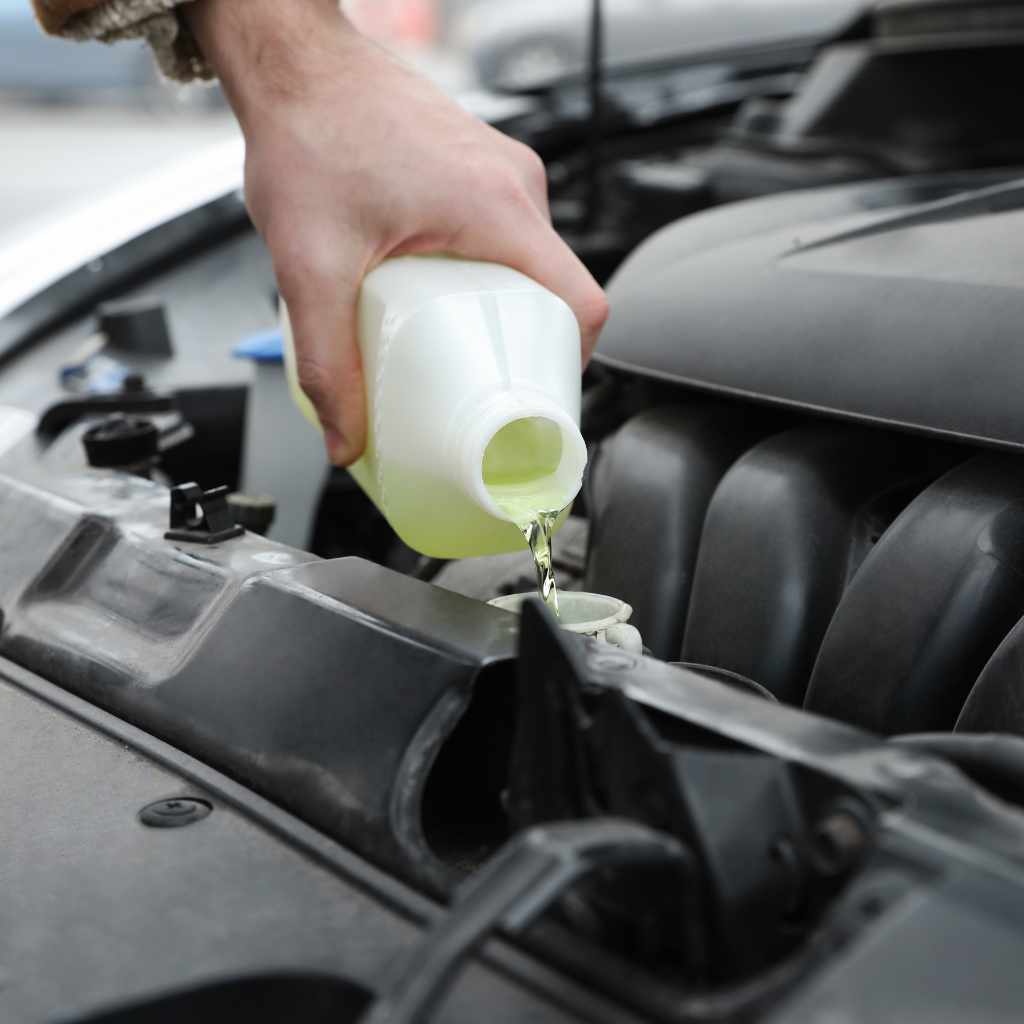
- Check Coolant Level (When Cool): Once the engine has cooled, carefully open the hood and check the coolant level in the expansion tank. If it’s low, you can add water or a 50/50 mixture of antifreeze and water if you have it.
- Seek Professional Help: Even if you can add coolant and the car starts working again, it’s essential to have the cooling system inspected by a mechanic to find out why it overheated in the first place.
Preventing Overheating
The best way to avoid the stress and expense of overheating is through regular maintenance:
Regular Coolant Checks
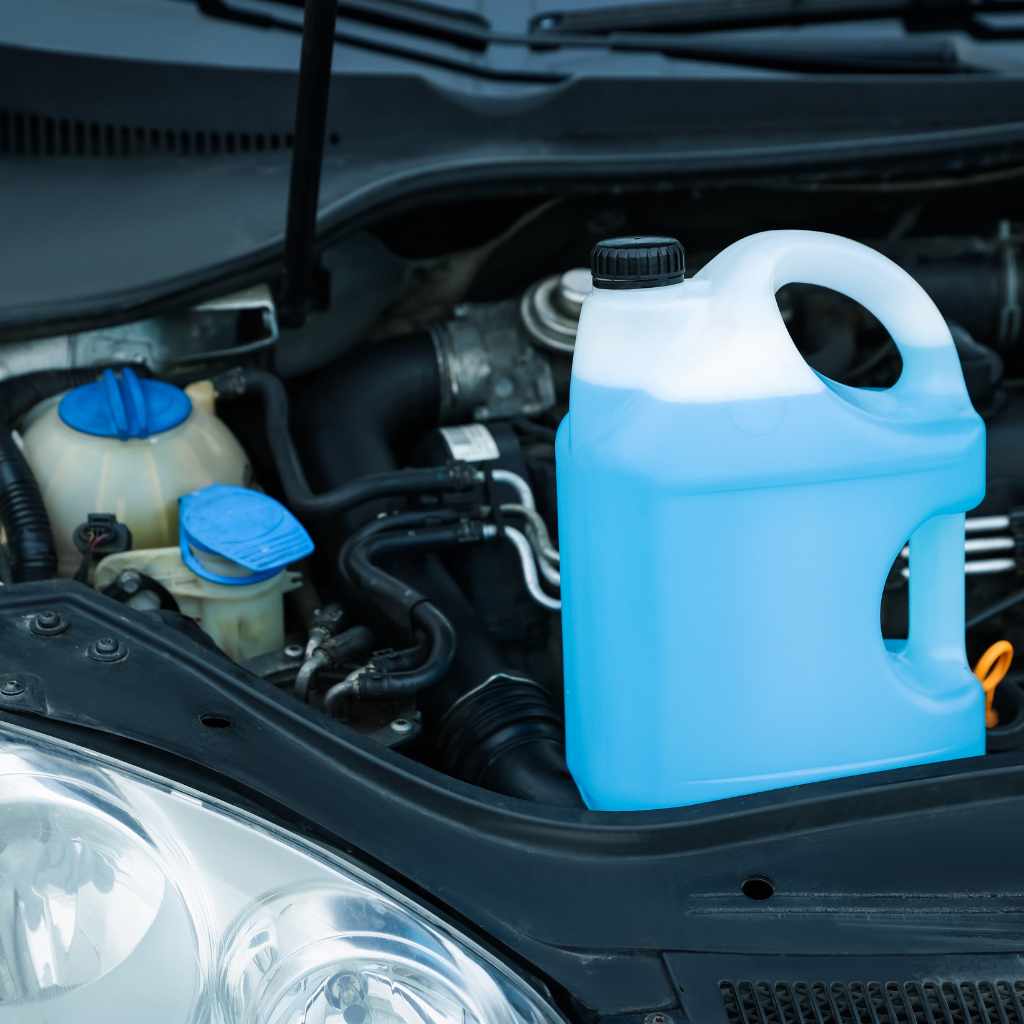
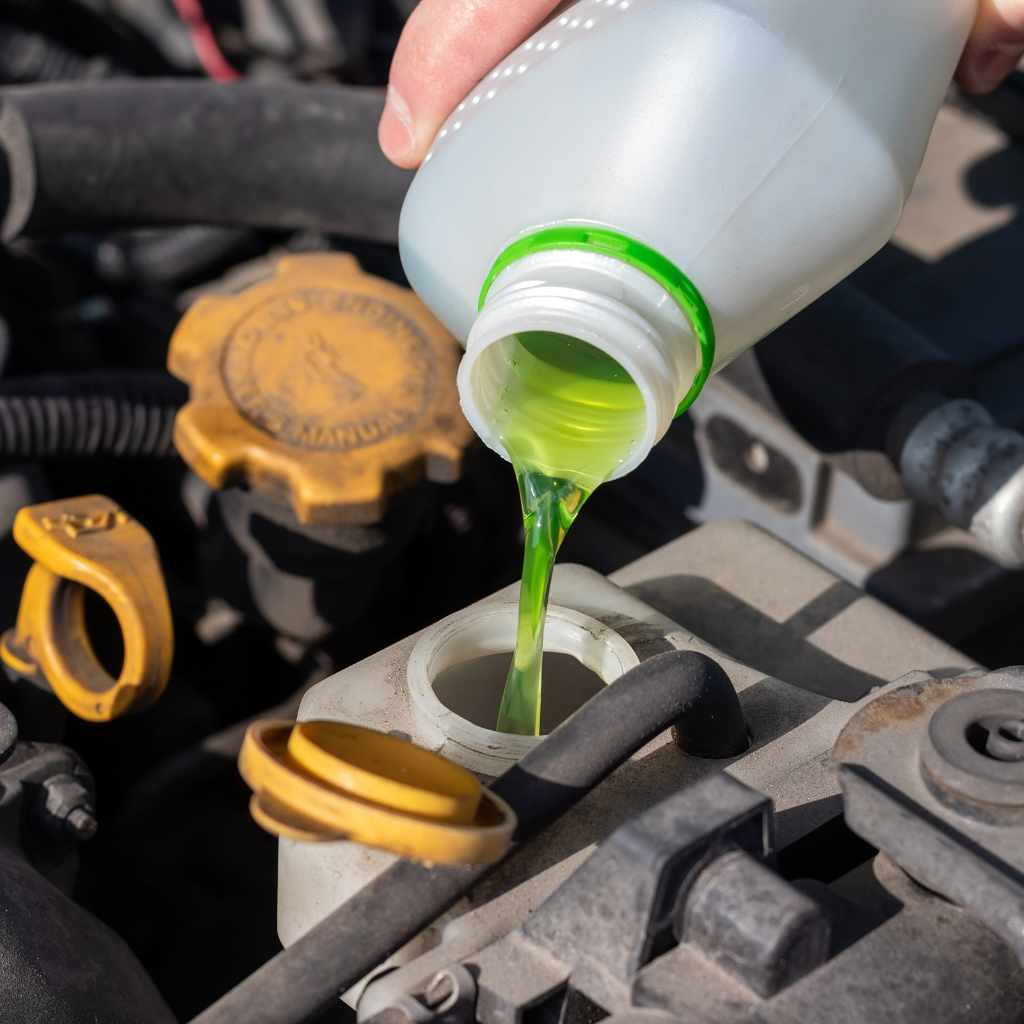
Make it a habit to check your coolant level at least once a month and before long trips. The coolant reservoir is usually a translucent plastic tank, and you can see the min/max lines on its side. Ensure the level is between these marks when the engine is cold.
Scheduled Coolant Flushes
Your car’s owner’s manual will specify how often the cooling system should be flushed and refilled with fresh coolant. This removes old, degraded coolant and any sediment that may have built up, ensuring optimal performance of the cooling system.
Inspect Hoses and Belts
Periodically check your radiator hoses for cracks, swelling, or leaks. Also, inspect the serpentine belt that drives the water pump; if it’s worn or loose, it can prevent the water pump from circulating coolant effectively.
Thermostat and Radiator Cap
These components are often overlooked but are vital. A faulty thermostat can stick closed, preventing coolant flow to the radiator. A damaged radiator cap can’t hold the necessary pressure, leading to boiling and leaks.
Antifreeze vs. Coolant
It’s worth noting that “antifreeze” and “coolant” are often used interchangeably, but they’re slightly different. Antifreeze is the concentrated chemical (usually ethylene glycol or propylene glycol) that provides the freezing and boiling point protection. Coolant is the mixture of antifreeze and water.
The ratio is important; a 50/50 mixture is standard for most climates, offering excellent protection against both freezing and boiling.
Frequently Asked Questions
Question: Can I just put water in my car if I’m out of antifreeze?
Answer: In a dire emergency, you can add water to get you to a safe place or a repair shop. However, this is a temporary fix. Water alone has a much lower boiling point and will not protect your engine from overheating in warm temperatures.
It also offers no protection against freezing in cold weather, which can cause severe engine damage.
Question: How quickly can my car overheat without antifreeze?
Answer: Without any antifreeze, your car can overheat very quickly, sometimes within minutes of driving, especially under load, in hot weather, or uphill. This is because water boils at a much lower temperature than an antifreeze-coolant mixture.
Question: What are the main signs that my car is overheating?
Answer: The most common signs are the temperature gauge climbing into the red zone, steam coming from under the hood, a sweet smell of burning coolant, and warning lights on the dashboard.
Question: Is it safe to drive if my car has overheated?
Answer: No, it is not safe to drive a car that has overheated. Continuing to drive can cause severe and costly damage to the engine. You should pull over immediately and let the engine cool down completely before attempting to add coolant or drive.
Question: How often should I check my antifreeze level?
Answer: It’s recommended to check your antifreeze (coolant) level at least once a month and before any long road trips. Also, check it if you notice any signs of overheating or leaks.
Final Thoughts
The question of whether not having antifreeze can make your car overheat fast is definitively answered with a strong yes. The absence of this essential fluid cripples the cooling system’s ability to manage the intense heat generated by your engine. Without the protective barrier of a proper antifreeze-water mixture, plain water boils too easily, leading to steam pockets that are terrible at cooling.
This inefficiency causes temperatures to skyrocket rapidly, particularly under demanding driving conditions or in warm weather, and can result in severe internal engine damage. Recognizing the warning signs of overheating, such as a rising temperature gauge or steam, and taking immediate action by pulling over and shutting off the engine is paramount to saving your vehicle from extensive harm. Regular maintenance, including consistent checks of the coolant level and scheduled system flushes, is the most effective strategy to prevent these dangerous and expensive overheating scenarios from ever occurring.