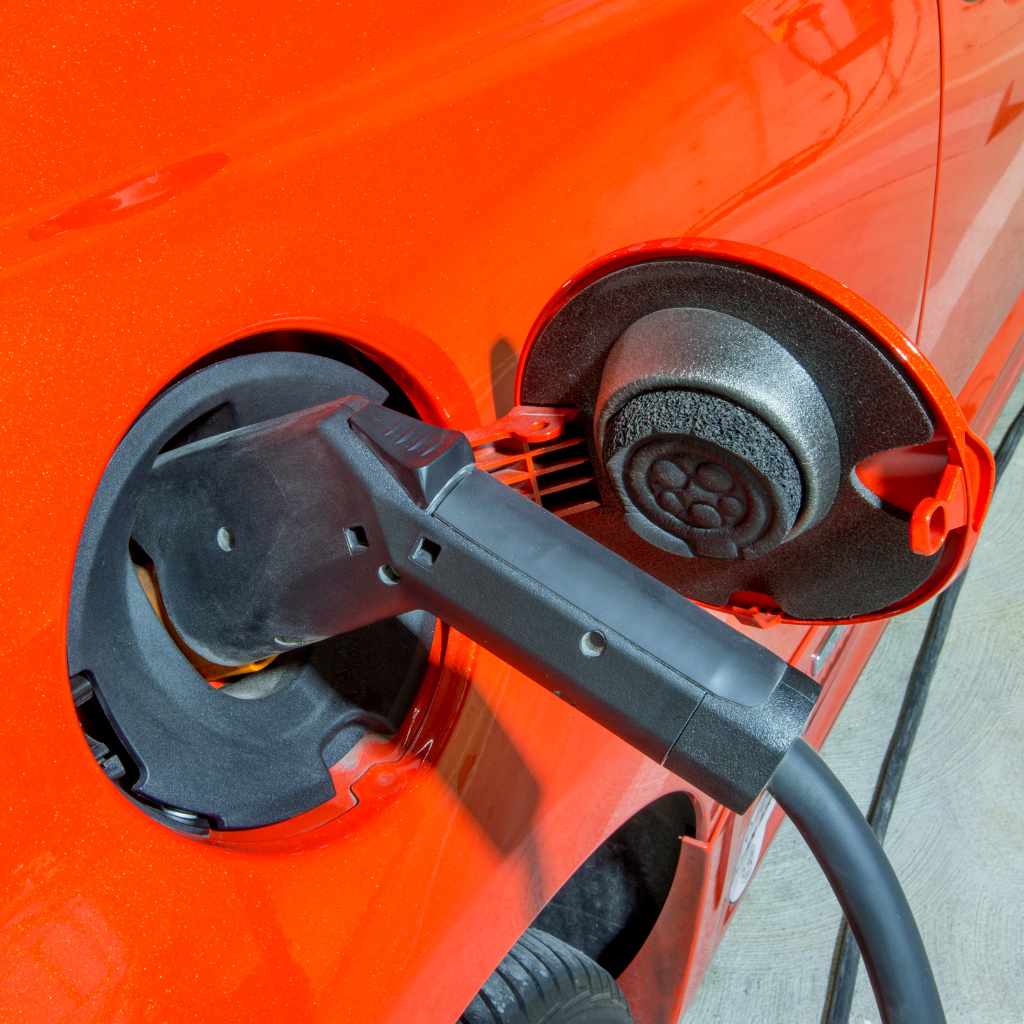
Can You Charge an Electric Car in Your Garage: Easy Steps Explained
Are you wondering if you can charge your electric car right in your own garage? It’s a question many new electric vehicle owners ask.
Charging at home sounds convenient, but is it really that simple? What do you need to know before plugging in? Keep reading to discover everything about charging your electric car in your garage—so you can save time, avoid surprises, and enjoy the full benefits of your EV.
Benefits Of Home Charging
Charging an electric car at home offers many benefits. It makes owning an electric vehicle easier and more practical. Home charging helps save time and money while keeping your car ready to go.
Convenience And Time Savings
Charging your car in the garage means no trips to public stations. You can plug in your car overnight and wake up with a full battery. This saves time and effort. No waiting in lines or searching for charging points. Your car is always ready when you need it.
Cost Advantages
Electricity at home usually costs less than public charging. You can use cheaper night rates to save even more. Home charging avoids extra fees found at some public stations. This helps reduce the overall cost of driving an electric car. Small savings add up quickly over time.
Increased Vehicle Range
Regular home charging keeps your car’s battery full. This means you can drive farther without worry. A full battery reduces range anxiety and allows spontaneous trips. You can keep your electric car ready for any journey. No need to plan around charging stops.
Assessing Your Garage Setup
Charging an electric car at home is very convenient. Your garage must be ready for this change. Assessing your garage setup helps ensure safe and efficient charging. This step saves time and avoids extra costs later. Focus on key areas like electrical capacity, space, and safety.
Electrical Capacity Check
Check your garage’s electrical system first. Most electric cars need a 240-volt outlet for fast charging. Standard home outlets usually provide only 120 volts, which is slower. Make sure your circuit breaker can handle extra power. An electrician can help you test and upgrade the system if needed. Proper electrical capacity prevents overloads and fire risks.
Space And Accessibility
Measure your garage space to fit the car and charger. The charger should be easy to reach without blocking doors. Keep the charging cable tidy and out of the way. A cramped space can cause accidents and damage cables. Ensure enough room to move around safely while charging.
Safety Considerations
Safety is a top priority. Install a charger with built-in safety features like automatic shutoff. Avoid placing the charger near water sources or flammable materials. Proper ventilation in the garage reduces heat buildup. Regularly inspect cables and plugs for wear and tear. These steps help prevent electrical hazards and keep your home safe.
Choosing The Right Charger
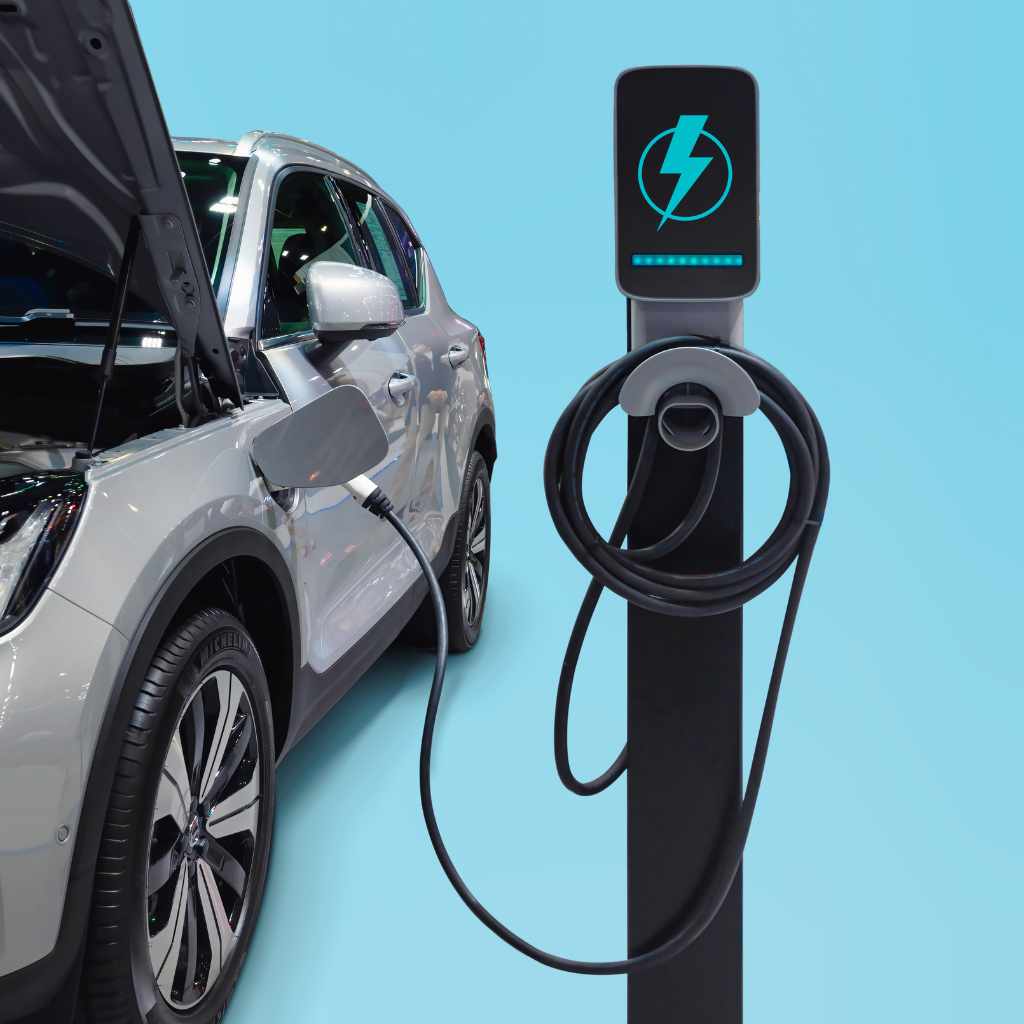
Choosing the right charger for your electric car in the garage is important. It affects how fast your car charges and how much you spend. Different chargers offer different speeds and features. Understand these options to make a smart choice. Below are key points about charger types and what to consider.
Level 1 Vs Level 2 Chargers
Level 1 chargers use a standard 120-volt outlet. They charge your car slowly, usually adding 3 to 5 miles of range per hour. This option is easy to install and costs less. Level 2 chargers need a 240-volt outlet. They charge faster, adding about 20 to 30 miles of range per hour. Installation is more complex and costs more. Choose Level 1 if you drive less daily. Pick Level 2 for faster charging and longer trips.
Smart Chargers And Features
Smart chargers connect to Wi-Fi and let you control charging from your phone. They can schedule charging times to save on electricity bills. Some monitor energy use and provide alerts. These chargers offer convenience and help manage power. You can also update their software. Simple chargers don’t have these features but cost less. Consider smart features if you want more control and savings.
Budget And Brand Options
Charger prices vary widely. Budget chargers work well for basic needs. Premium brands offer better build quality and extra features. Check customer reviews and warranties before buying. Some brands have good customer support and easy installation guides. Balance cost with reliability. Spend enough to get a charger that lasts and meets your needs.
Installation Process
Installing an electric car charger in your garage is a smart step. It makes charging easy and fast. The process needs some planning and work. Understanding the key steps helps you get ready for a smooth setup.
Hiring A Certified Electrician
Start by finding a certified electrician. They know how to install chargers safely. A professional checks your home’s wiring and power capacity. This ensures the charger works well without risks. They handle all the technical parts, making the job simple for you.
Permits And Regulations
Your city or town may require permits for installation. These rules keep electrical work safe and legal. The electrician often handles the permit process. Following local codes avoids fines and ensures correct installation. Always check if you need permission before starting.
Wiring And Outlet Setup
The electrician will set up the wiring and outlet for the charger. This usually means adding a special circuit to your electrical panel. The outlet type depends on your charger’s needs. Proper wiring helps the charger deliver power efficiently. It also protects your home’s electrical system.
Using The Charger Safely
Charging an electric car in your garage is simple but needs care. Safety is key to protect your car and home. Follow clear steps to use the charger safely and avoid problems. Small actions can prevent big risks.
Proper Plugging And Unplugging
Always plug the charger firmly into the car’s socket. Loose connections can cause sparks or damage. Hold the plug, not the cable, when unplugging to avoid fraying wires. Keep the plug and socket clean and dry before use.
Avoiding Overloads
Check your garage’s electrical capacity before charging. Avoid plugging other heavy devices on the same circuit. Overloads can cause power trips or fire hazards. Use a dedicated circuit for your EV charger if possible.
Regular Maintenance Tips
Inspect the charger and cables regularly for wear or damage. Replace any frayed or cracked wires immediately. Clean the charger with a dry cloth to keep it free of dust. Schedule professional checks every year to ensure safe operation.
Troubleshooting Common Issues
Troubleshooting common issues helps keep your electric car charger working well. Problems can stop your charger from starting or slow down charging. Some chargers show error codes that need attention. Fixing these issues saves time and avoids frustration.
Understanding simple solutions can make charging smooth again. This guide covers frequent problems and easy fixes for your garage charger.
Charger Not Starting
Check if the charger is plugged in properly. Look at the power source and make sure it works. Sometimes a tripped breaker stops the charger from starting. Reset the breaker if needed. Inspect the cable for damage or loose connections. Try restarting the charger by unplugging and plugging it back.
Slow Charging Problems
Slow charging can happen due to low power supply. Use a dedicated circuit to provide enough electricity. Cold weather may reduce charging speed. Warm the garage or battery before charging. Check for dirt or debris on the charger plug. Clean the plug to ensure good contact. Verify the charger settings match your car’s needs.
Error Codes And Alerts
Error codes help identify specific charger issues. Look up the code in your charger manual. Follow the instructions to fix the problem. Some errors need professional help, like electrical faults. Clear alerts by restarting the charger. Keep the charger software updated for better performance.
Maximizing Charging Efficiency
Charging an electric car in your garage can be simple and efficient. Maximizing charging efficiency saves time and energy. It also helps protect your car’s battery life. Small changes in how and when you charge can make a big difference.
Optimal Charging Times
Charge your car during off-peak hours. Electricity costs less at night or early morning. This lowers your energy bill and reduces grid stress. Use a timer on your charger to start charging late at night. Avoid charging during the day when many people use power.
Energy Saving Practices
Turn off other heavy appliances while charging. This prevents high energy use and overloads. Use energy-efficient LED lights in your garage. Keep your garage door closed to maintain temperature. Warmer temperatures help your car charge faster and use less energy.
Battery Care Tips
Don’t always charge to 100%. Charging to 80-90% extends battery life. Avoid letting your battery drain completely before charging. Keep your car plugged in if not used for a long time. Check your car manual for specific charging advice. Proper care keeps your battery healthy and reliable.
Frequently Asked Questions
Can I Charge My Electric Car In A Standard Garage?
Yes, you can charge an electric car in a standard garage. Ensure you have a suitable electrical outlet or install a dedicated EV charger for safety and efficiency.
What Type Of Charger Is Best For Home Garages?
Level 2 chargers are best for home garages. They provide faster charging than standard outlets and are compatible with most electric vehicles.
Do I Need Special Wiring To Charge At Home?
Special wiring may be needed for Level 2 chargers. A licensed electrician can assess your garage’s electrical system and make necessary upgrades.
How Safe Is Charging An Electric Car Indoors?
Charging indoors is safe if done correctly. Use certified chargers, follow manufacturer guidelines, and ensure proper ventilation in your garage.
Conclusion
Charging an electric car in your garage is practical and safe. A proper charger and electrical setup make a big difference. Many homes can install a charger without major changes. Regular checks keep the system working well and prevent problems.
This setup saves time and keeps your car ready to go. Simple steps help you enjoy the benefits of home charging every day. Think about your needs and options before starting. Safe and easy charging is within reach.