Can You Drive a Car With Oil in the Coolant? What to Know
Figuring out what to do when something goes wrong with your car can feel tough, especially for new drivers. One question that often pops up is, Can You Drive a Car With Oil in the Coolant? It might seem like a simple problem, but it can lead to bigger issues if you aren’t careful. Don’t worry, though; it’s easier to figure out than you think. We’ll explore what this means for your car and show you exactly what to do, step by step, to keep your engine running smoothly. Let’s get started.
What Happens When Oil Mixes With Coolant?
When oil gets into your coolant, it’s a sign that something isn’t right inside your car’s engine. Coolant, also known as antifreeze, is the liquid that keeps your engine from overheating. Oil, on the other hand, lubricates the moving parts. If these two fluids mix, it can cause some serious issues, potentially damaging your engine and leading to expensive repairs. The mixing of oil and coolant is often caused by a failed component, like a head gasket or an issue within the engine block. Catching this early is important for saving your vehicle.
The Consequences of Oil and Coolant Mixing
The immediate effect of oil mixing with coolant is usually visible. You might notice a milky, chocolate-milk-like substance in your coolant reservoir. This mixture doesn’t cool the engine as effectively as pure coolant, leading to overheating. Overheating can cause many different problems, from warped engine components to a complete engine seizure. Furthermore, the presence of oil compromises the coolant’s ability to protect the engine from rust and corrosion. Eventually, oil contamination in the cooling system will spread throughout the engine.
- Reduced Cooling Efficiency: Oil in coolant significantly lowers its heat-transfer capabilities. This means your engine struggles to stay cool, leading to overheating, which is the most dangerous risk of this condition.
- Damage to Engine Components: The oil-contaminated coolant can damage parts like the water pump, thermostat, and radiator. These parts are made of materials that may deteriorate when exposed to the mixture.
- Decreased Lubrication: Oil can lose its lubricating properties, especially when mixed with coolant. This affects engine parts that rely on oil for smooth operation, causing premature wear and tear.
- Corrosion and Rust: The mixture can promote corrosion within the engine’s cooling system. Rust and corrosion can block coolant passages and damage vital components.
One way to diagnose this issue is to check your dipstick. If your oil looks milky or frothy, it’s a strong indicator that coolant is mixing with your oil. Additionally, if you see white smoke coming from your exhaust, it could be a symptom of a coolant leak in the combustion chamber. Addressing these problems is crucial to prevent further engine damage. Understanding the potential issues is the first step in properly diagnosing a problem in your car’s engine. Early detection is always best.
Recognizing the Signs of Oil in Coolant
Spotting oil in your coolant before it causes major damage is crucial. Look for a combination of visual and performance clues. These clues could include an overheating engine, loss of coolant, and strange engine noises. A thorough check of your car’s systems should be performed by a mechanic, or yourself if you have the knowledge and tools. Always consult a professional mechanic if you are unsure.
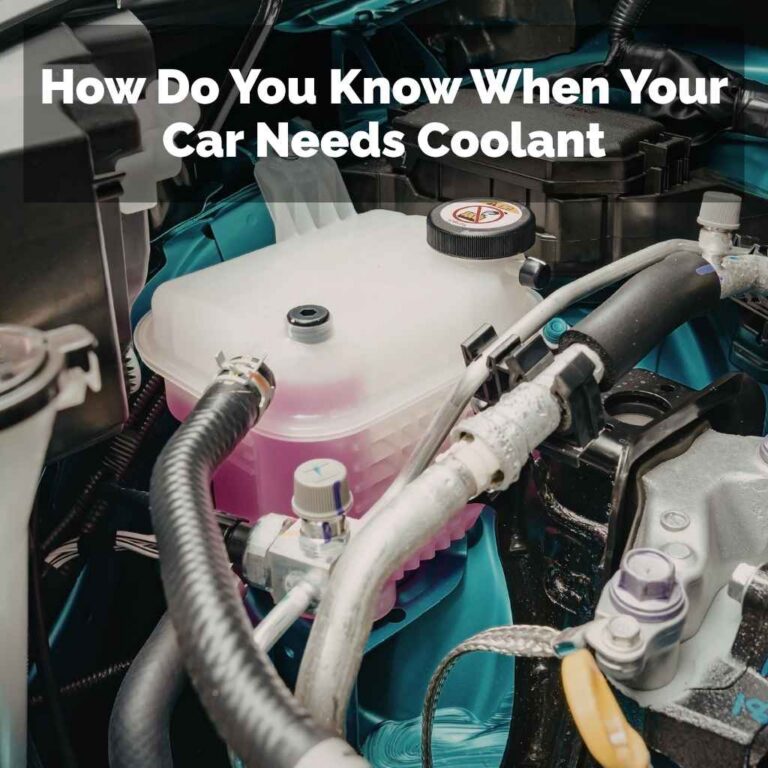
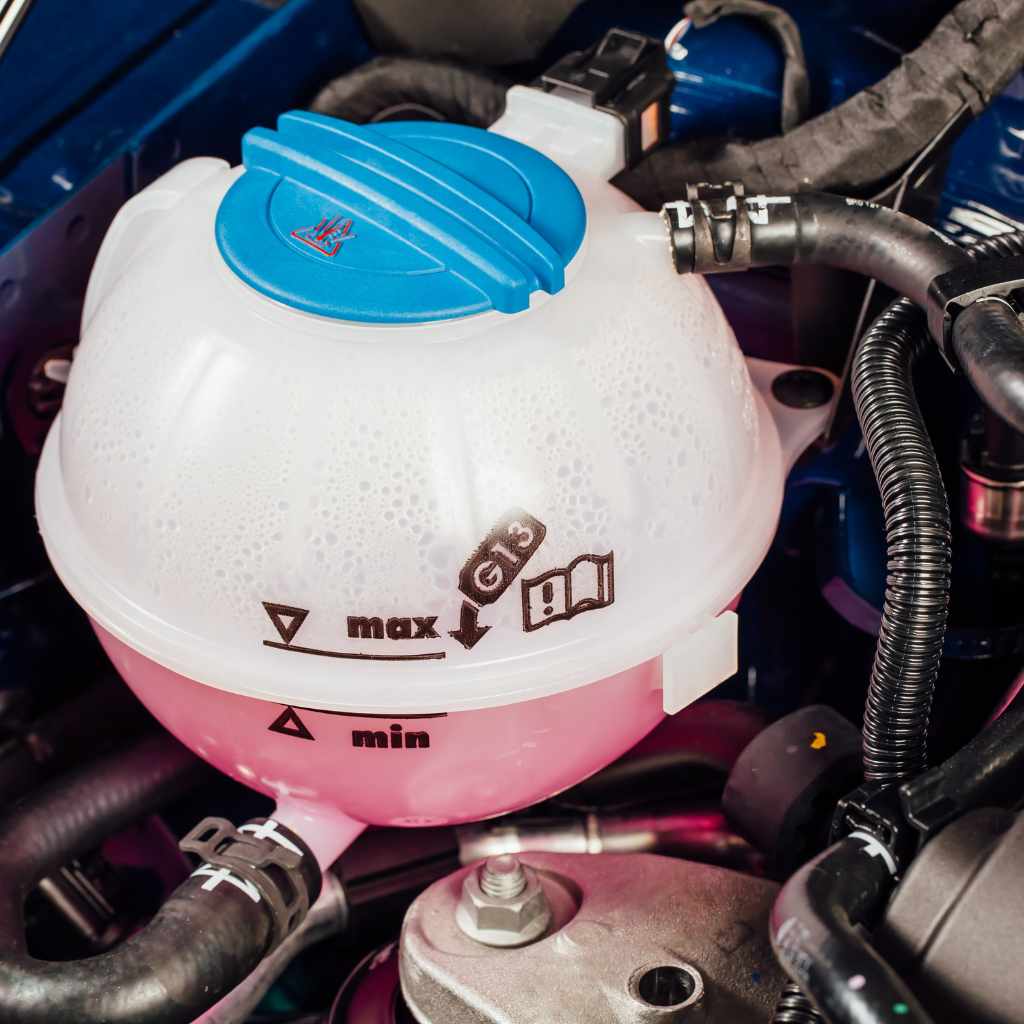
- Visual Inspection of Coolant: The most obvious sign is the appearance of a milky, brown, or chocolate-colored substance in the coolant reservoir. This color is the result of oil mixing with the coolant. Remove the radiator cap (when the engine is cold) and inspect the coolant.
- Coolant Leaks: Check for leaks around the engine, particularly around the water pump, radiator hoses, and engine block. These leaks can be a sign of internal damage.
- White Exhaust Smoke: Thick, white smoke from the exhaust pipe, especially when the engine is warming up, can indicate coolant is burning in the combustion chambers.
- Oil in Coolant Reservoir: Oil in the coolant reservoir is a sure sign of a leak. Even a small amount of oil is a sign of a problem that needs to be inspected.
If you notice any of these signs, it’s important to act fast. Continuing to drive your car without addressing the problem can lead to severe engine damage. The sooner you find and fix the issue, the better your chances of preventing costly repairs.
Can You Drive a Car With Oil in the Coolant? A Safe Approach
The question of Can You Drive a Car With Oil in the Coolant? depends on several factors. In most situations, it’s not a great idea, but there might be a few exceptions. If you notice oil in your coolant, it’s likely that a part of your engine is damaged or starting to fail. Driving your car in this state can cause your engine to overheat, leading to further damage. However, there may be some very specific situations where driving the vehicle a short distance may be necessary, provided you’re taking steps to prevent damage. Always prioritize your car’s well-being and consider your safety.
Short-Term Considerations: When Driving Might Be Necessary
Sometimes, you might need to drive your car a short distance, even if you know there’s oil in the coolant. For example, if you’re stranded in a dangerous area or need to get to a safe location, it might be necessary. But there are a few things you need to do to minimize the risk of damage. You will have to make a tough decision. It’s important to understand the risks and take precautions. Consider calling a tow truck if you’re not in an emergency situation.
- Monitor Engine Temperature: Keep a close eye on your car’s temperature gauge. If the engine starts to overheat, immediately pull over and turn off the engine. Letting it overheat can cause very costly engine damage.
- Drive at Reduced Speeds: Avoid high speeds or hard acceleration. This puts less strain on the engine. Keep your speeds low and avoid prolonged periods of driving.
- Make Frequent Stops: Stop every 10-15 minutes to let the engine cool down. This helps prevent overheating. Give the engine time to cool down before restarting.
- Carry Extra Coolant and Water: If you must drive, carry extra coolant and water. This allows you to refill the coolant system. Stop and add coolant as needed to prevent overheating.
Remember, these are temporary measures. Driving with oil in the coolant should never be a long-term solution. Seek professional help as soon as possible to avoid further damage to your car. Weigh the possible risks of further damage versus being stranded. The goal is to get your car to a mechanic safely. If you are unsure, it’s always best to call a tow truck.
The Risks of Driving With Oil in the Coolant
The risks of driving your car with oil in the coolant are significant. Overheating is the most immediate and dangerous risk, but there are other problems that can occur as well. Ignoring these issues can lead to severe engine damage. Knowing these risks can help you make an informed decision when faced with this issue.
- Engine Overheating: Oil-contaminated coolant doesn’t effectively cool the engine. This is the biggest danger. Overheating can lead to warped cylinder heads, blown head gaskets, or even engine seizure.
- Component Damage: Oil can damage water pumps, radiators, and thermostats. These components are made of materials that degrade when exposed to oil.
- Reduced Lubrication: Coolant can dilute the engine oil. This reduces lubrication and increases friction. This can lead to wear on engine components.
- Premature Failure: Driving with oil and coolant mixed increases the likelihood of an expensive engine repair or replacement. The longer you drive, the worse the damage will be.
According to the National Highway Traffic Safety Administration (NHTSA), engine failures caused by overheating are a common cause of roadside breakdowns. The cost of a new engine can range from $3,000 to $8,000 or more, depending on the car model and the extent of the damage. This highlights the importance of addressing the problem immediately. Preventative measures, such as monitoring your car’s systems and maintaining a schedule for repairs, can save a lot of money in the long run.
Possible Causes for Oil in the Coolant
Several things can cause oil to get into your car’s coolant. Some of these issues are easier to fix than others, but all of them need to be addressed promptly. Understanding the common causes can help you know what to expect. This can also help you talk to your mechanic and figure out the best way to get your car fixed. The most common cause is a problem with the engine’s seals and internal components. Knowing more about the possible causes can make the problem seem less scary.
Head Gasket Failure
The head gasket seals the engine’s combustion chamber and the coolant passages. If it fails, oil and coolant can mix. This is a common problem. The head gasket is a thin, usually metal, component that seals the engine’s cylinder head to the engine block. Over time, heat and pressure can cause it to fail, leading to leaks. A failed head gasket allows for coolant and oil to leak into the combustion chamber. This can cause various symptoms, including milky oil, white exhaust smoke, and overheating. Repairing or replacing the head gasket is often the only option.
- Symptoms: Milky oil, white exhaust smoke, overheating, loss of coolant, and reduced engine power.
- Cause: Overheating, wear and tear, or manufacturing defects.
- Solution: Replace the head gasket. The cylinder head may need machining.
According to repair statistics, head gasket failure is a very common problem. The cost of head gasket replacement varies from $500 to $2,000, depending on the vehicle and the amount of work required. This is a significant repair. This is why it’s so important to recognize the signs early and take action.
Cracked Cylinder Head or Engine Block
A crack in the cylinder head or engine block can cause oil and coolant to mix. This is a more serious problem than a head gasket failure, and it can be expensive to fix. Cracks can develop due to overheating or manufacturing defects. These cracks can allow oil and coolant to seep into each other. You may need to replace the entire cylinder head or engine block. It can also cause leaks of both oil and coolant.
- Symptoms: Severe coolant loss, oil in coolant, white exhaust smoke, and engine misfires.
- Cause: Overheating, manufacturing defects, or physical damage.
- Solution: Replace the cylinder head or engine block. This is a complex repair and may require a new engine.
Replacing a cylinder head or engine block is a costly repair, often running into the thousands of dollars. The extent of the damage will vary. This repair is best done by an experienced mechanic. This emphasizes the importance of regular maintenance and taking preventative measures to avoid overheating.
Oil Cooler Failure
Some vehicles have oil coolers, which use engine coolant to cool the engine oil. If the oil cooler fails, oil can mix with the coolant. The oil cooler is usually located near the engine block or oil filter. It’s designed to keep the engine oil at a safe operating temperature. A failure in the oil cooler can allow oil and coolant to mix. This can happen due to wear and tear. It can also happen because of corrosion or physical damage. Repairing or replacing the oil cooler is usually necessary to fix this problem.
- Symptoms: Oil in coolant, coolant in oil (milky oil), and overheating.
- Cause: Corrosion, wear and tear, or internal failure of the oil cooler.
- Solution: Replace the oil cooler. Flush the cooling system. Change the oil and filter.
The cost to replace an oil cooler can vary from $200 to $800, depending on the vehicle model and the cost of parts and labor. The cost can increase when further damage has occurred. Because of this, it’s important to monitor your vehicle for any signs of problems. This will help you protect your investment and maintain the car’s engine properly.
Repairing and Cleaning the Cooling System
Once you’ve identified the problem and fixed it (like a head gasket replacement or oil cooler repair), you need to repair the cooling system. This will help remove oil contamination and protect your engine. Cleaning the cooling system is key to ensuring your engine runs smoothly. Failure to properly clean the cooling system can lead to future damage. Following the proper steps can help you protect your car and prevent more costly repairs in the future.
Cleaning the Cooling System
Cleaning the cooling system is an important process. The purpose of this step is to remove any remaining oil and debris. This process involves flushing the system, using a cooling system cleaner, and refilling it with fresh coolant. Oil can stick to the internal components of the cooling system. It can also cause further damage. A complete cleaning helps remove any lingering traces of oil.
- Drain the Coolant: Drain the old coolant. Do this when the engine is cold. Safely dispose of the old coolant.
- Flush the System: Fill the cooling system with clean water and a cooling system cleaner. Run the engine for a short time to circulate the cleaner. Flush out the system.
- Inspect and Clean: Check all hoses and components. Look for oil contamination. Clean the components that are still contaminated.
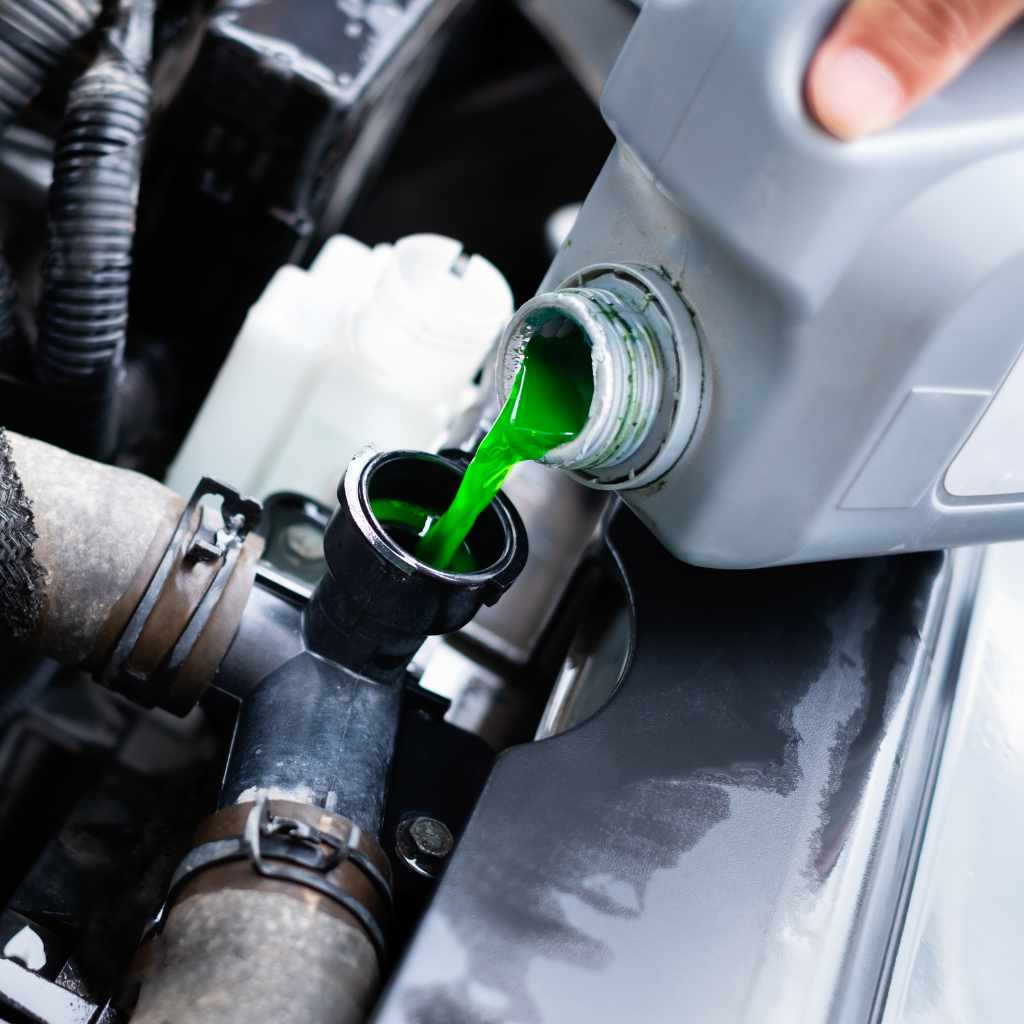
- Refill with Coolant: Refill the cooling system with the correct type of coolant for your vehicle. Follow the manufacturer’s recommendations.
Using the proper cleaning products is important. These products are often available at auto parts stores. It’s crucial to follow the directions on the product label. Ensure the cooling system is free of any lingering contaminants. This is an important step to safeguard your engine. By taking these steps, you can help restore the efficiency of the cooling system.
Flushing the Engine
Flushing the engine is another essential step. This procedure helps to remove any oil that has made its way into the engine’s internal components. This process involves draining the oil, changing the oil filter, and refilling the engine with fresh oil. This is often followed by a short period of running the engine to circulate the new oil. Then, drain it again, and
- Drain the Old Oil: Drain the existing oil from the engine. Make sure the engine is warm. This will help remove all the oil from the engine.
- Refill with Fresh Oil: Fill the engine with fresh oil of the correct type and quantity. Follow your car’s manufacturer’s guidelines.
- Run the Engine: Run the engine for a short time to circulate the fresh oil. Allow it to remove any remaining contaminants.
- Repeat: It is often beneficial to repeat the oil change process. This can remove any lingering oil contamination and keep your engine safe.
Repeating this process can improve the engine’s performance. It will also help maintain it. By flushing the engine properly, you can help prevent future damage to your car. These measures can help ensure that your engine remains clean and efficient.

Frequently Asked Questions
Question: Can I add coolant if I see oil in it?
Answer: It’s best not to add more coolant if you see oil. Instead, try to find the source of the problem. Adding coolant will not fix the issue and can just make things worse.
Question: What color coolant should I use if there is oil in it?
Answer: The color of the coolant doesn’t matter. The important thing is to use the type that your car’s manufacturer recommends. Make sure you use the right kind for your car.
Question: How long can I drive with oil in the coolant?
Answer: It’s best not to drive with oil in the coolant. If you must, drive only as far as necessary to get help. Always keep an eye on your engine’s temperature. Stopping quickly can save your engine.
Question: Is it safe to mix different types of coolant?
Answer: It’s usually not a good idea to mix different types of coolant. They might not work well together and can cause problems. It’s best to use the same type of coolant that your car needs.
Question: How can I tell if the oil cooler is causing the problem?
Answer: You can suspect the oil cooler if you find oil in your coolant. You can also test it by checking for coolant in the engine oil. A mechanic can test the oil cooler to be certain.
Final Thoughts
When you encounter oil in your coolant, it’s a signal to take action. Ignoring this can quickly lead to costly engine damage. By understanding the signs, knowing the potential causes, and acting promptly, you can keep your car in good shape. Always remember that prevention is key. Regular maintenance, including checking your coolant level and the condition of your engine oil, can catch problems early. If you see something that looks wrong, don’t ignore it. It is always wise to seek advice from an experienced mechanic. Following these steps and keeping an eye on your car’s health can save you money and headaches in the long run. Drive safely, and keep an eye on your car’s vital signs.