Can You Have Carbon Monoxide Without Gas? Shocking Truth Revealed
Have you ever wondered if carbon monoxide can be present in your home even when you don’t use gas appliances? It’s a question that might surprise you—and the answer could protect your life.
You might think carbon monoxide only comes from gas stoves or heaters, but there are other hidden sources you need to know about. Understanding this can help you keep your family safe and avoid dangerous situations. Keep reading to discover where carbon monoxide can come from and what you can do to protect your home right now.
Sources Of Carbon Monoxide
Carbon monoxide (CO) can come from many sources, not just gas appliances. This invisible, odorless gas forms when fuel burns without enough oxygen. Knowing where carbon monoxide hides helps keep your home safe. Some sources are easy to spot, while others might surprise you.
Common Household Origins
Many homes have devices that produce carbon monoxide. Gas stoves, heaters, and fireplaces are usual suspects. Wood-burning stoves and charcoal grills can also release CO indoors. Poor ventilation makes the problem worse. Always check these appliances and maintain them well.
Unexpected Indoor Sources
Carbon monoxide can come from less obvious places too. Cigarette smoke contains small amounts of CO. Kerosene heaters and some space heaters may produce this gas. Burning candles or incense in closed rooms can add to indoor CO levels. Watch for these hidden threats to your air quality.
Outdoor Contributors
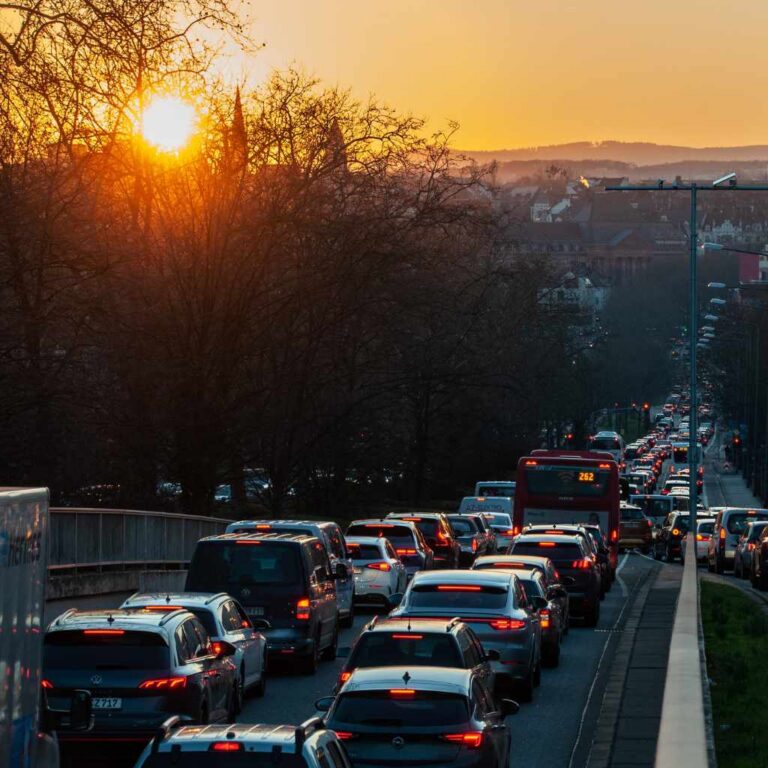
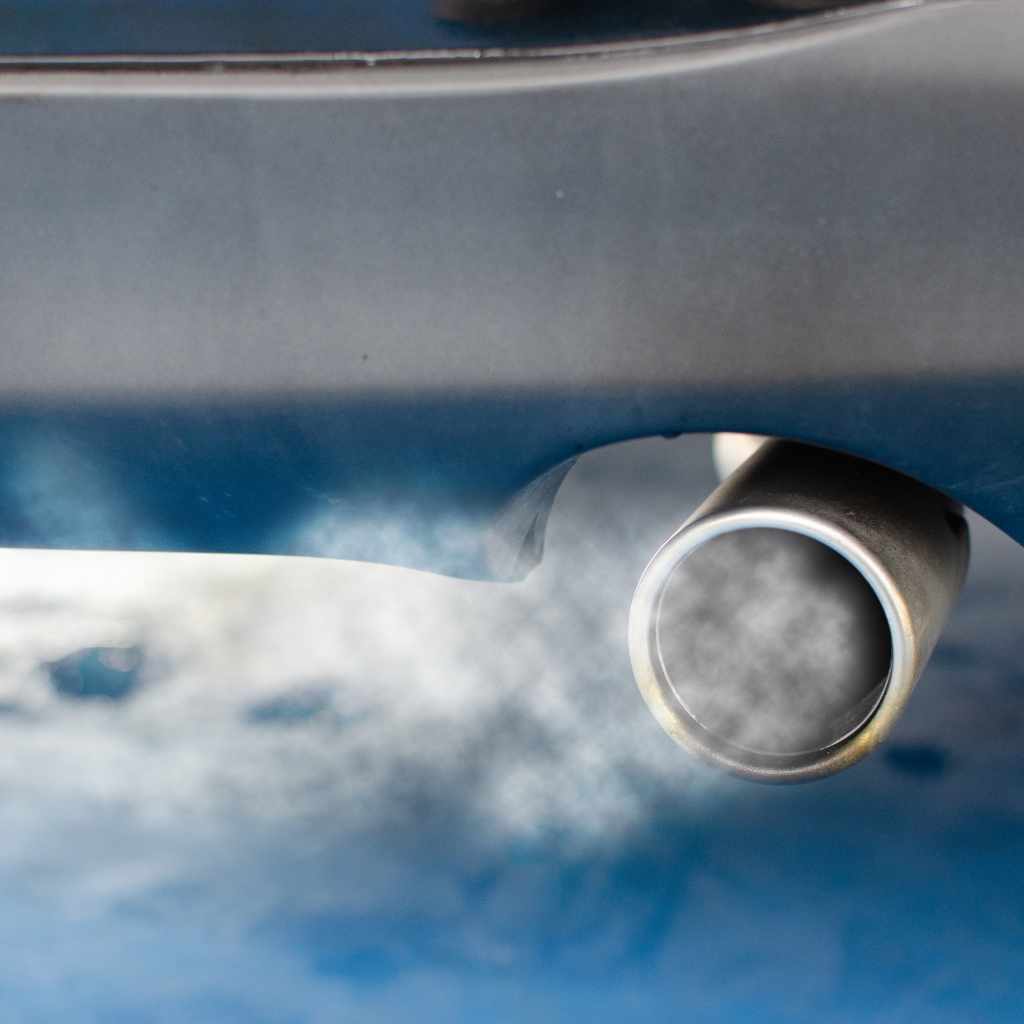
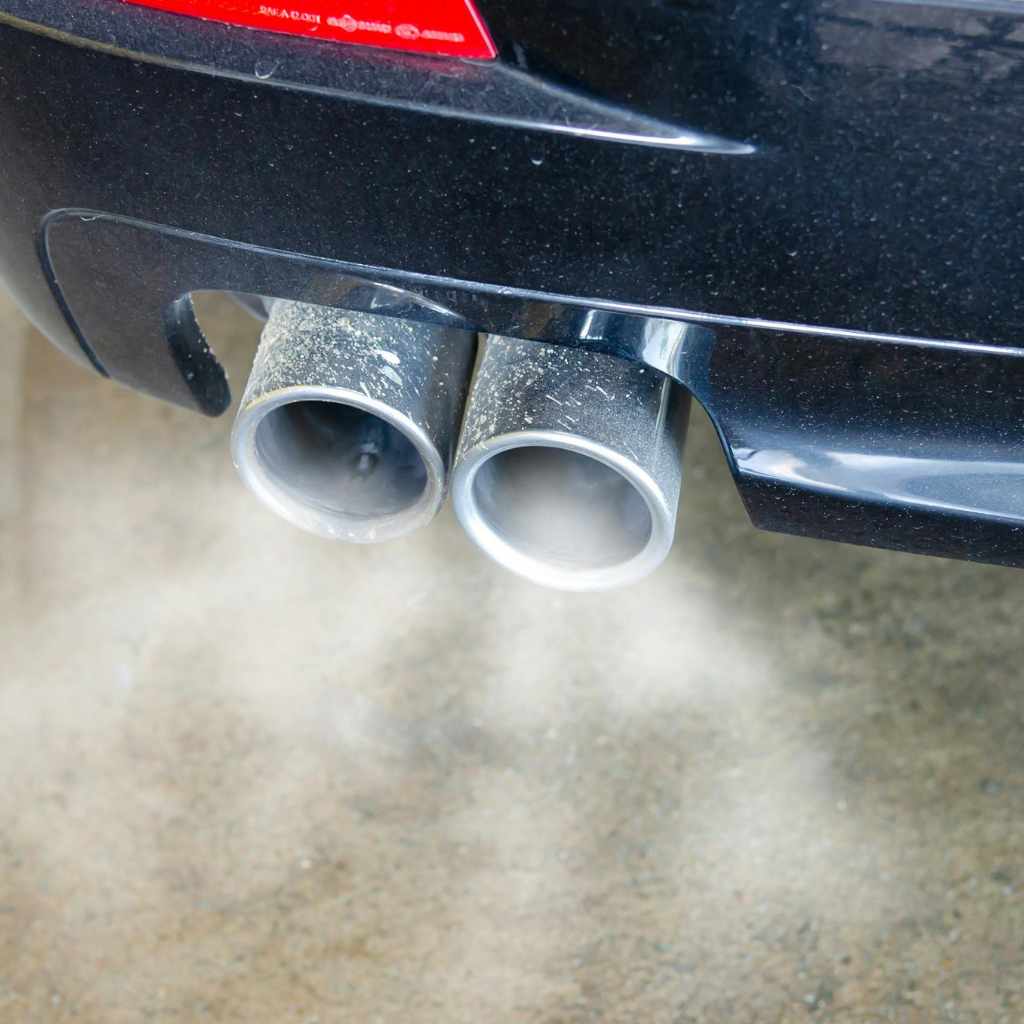
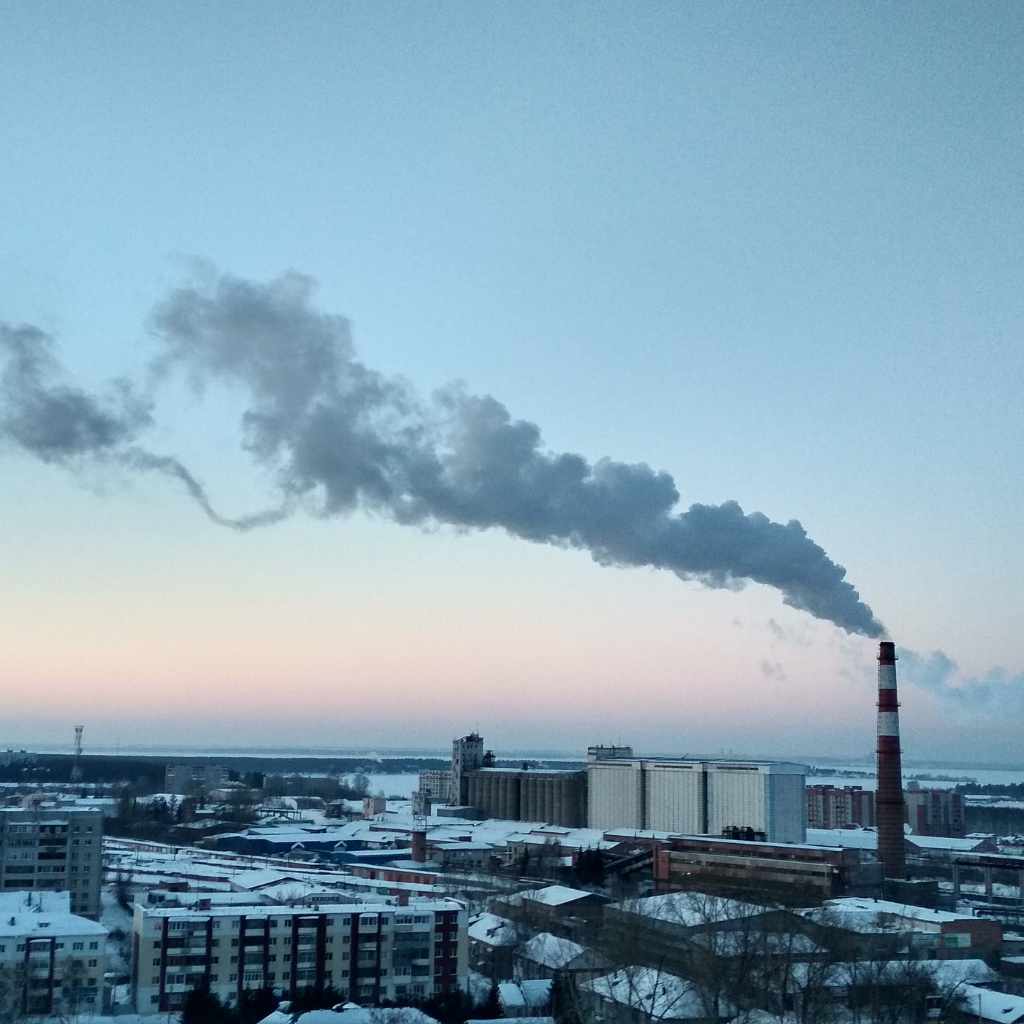
CO is also common outside your home. Car engines are a major source, especially in garages. Running generators or lawnmowers near open windows can let CO inside. Industrial sites and factories release carbon monoxide into the air. Awareness of these outdoor sources helps reduce indoor risks.
Carbon Monoxide Without Gas Appliances
Carbon monoxide (CO) can appear even without gas appliances. Many people think gas stoves or heaters cause CO. Yet, other sources may produce this dangerous gas inside homes. Knowing these sources helps keep your family safe.
Faulty Heating Systems
Heating systems that burn fuel can leak carbon monoxide. Old or broken units may not burn fuel fully. This causes CO to build up inside your home. Regular checks and servicing stop this risk. Never ignore strange smells or yellow flames in heaters.
Blocked Chimneys And Vents
Chimneys and vents remove harmful gases outside. If they get blocked by debris or birds, gases stay inside. Carbon monoxide can build up quickly in this case. Clean chimneys and vents often to avoid danger. Watch for soot or smoke smells indoors.
Portable Generators And Equipment
Portable generators produce carbon monoxide while running. Using them inside or near windows is unsafe. CO can enter your home quietly and cause poisoning. Place generators outside and far from doors. Never run engines in enclosed spaces.
Symptoms Of Carbon Monoxide Exposure
Carbon monoxide is a silent danger. This gas cannot be seen, smelled, or tasted. It can cause serious health problems quickly. Knowing the symptoms helps protect you and your family. Symptoms of carbon monoxide exposure can appear mild at first. They may worsen if exposure continues. Watch for signs early to stay safe.
Mild Signs To Watch For
Early symptoms often feel like common illnesses. Headaches are one of the first signs. You might also feel dizzy or weak. Nausea and vomiting can happen too. Some people feel tired and confused. These signs may come and go. They often get worse indoors or near appliances.
Severe Health Effects
High levels of exposure cause serious problems. Trouble breathing and chest pain can occur. Your vision may blur or you might faint. Loss of consciousness is possible in severe cases. Brain damage can happen without quick help. Carbon monoxide poisoning can be deadly. Immediate action is crucial for survival.
Preventing Carbon Monoxide Build-up
Preventing carbon monoxide build-up is critical for safety in any home. Carbon monoxide (CO) can form even without gas appliances. It can come from fireplaces, wood stoves, and car exhaust. Taking steps to reduce CO build-up helps keep your family safe. Simple actions can make a big difference in air quality and health.
Ventilation Best Practices
Good ventilation lowers the chance of CO build-up. Open windows and doors to let fresh air in. Use exhaust fans in kitchens and bathrooms. Make sure vents are clear and not blocked. Proper airflow removes harmful gases and keeps air fresh. Ventilation helps gas escape safely outside.
Regular Maintenance Tips
Check appliances regularly to prevent CO leaks. Clean and inspect heaters, fireplaces, and chimneys every year. Fix any cracks or damage that might let gas escape. Replace old or broken parts quickly. Well-maintained equipment works better and safer. Regular checks stop carbon monoxide from building up.
Using Carbon Monoxide Detectors
Install CO detectors in key areas of your home. Place them near bedrooms and living spaces. Test detectors monthly to ensure they work properly. Replace batteries at least twice a year. Detectors alert you early to dangerous CO levels. They provide peace of mind and early warnings.
Emergency Steps If Co Is Suspected
Carbon monoxide (CO) is a silent and deadly gas. It can build up inside homes without any clear signs. Knowing the emergency steps to take if CO is suspected can save lives. Quick action reduces risks of severe poisoning and injury. This section explains what to do right away and when to call for help.
Immediate Actions To Take
Leave the building immediately. Take all people and pets outside. Get to fresh air quickly. Avoid staying inside to search for the source. Open windows and doors only if it is safe. Do not use any electrical switches or appliances. Call emergency services from outside the home. Mention that carbon monoxide is suspected. Wait for professionals to arrive and do not go back inside.
When To Call Professionals
Call emergency services if anyone feels dizzy, weak, or confused. Also call if there are headaches or nausea. These are signs of CO poisoning. Contact a qualified technician to inspect your home. They can find and fix the CO source. Ask for a full check of all fuel-burning appliances. Do not try to fix problems alone. Professionals have the right tools and knowledge. Regular maintenance can prevent future CO leaks.
Frequently Asked Questions
Can Carbon Monoxide Exist Without Natural Gas?
Yes, carbon monoxide can form without natural gas. It results from incomplete combustion of fuels like wood, coal, or propane. Poor ventilation or faulty appliances increase risks. Carbon monoxide is a toxic gas that can come from various burning sources, not just natural gas.
What Are Common Sources Of Carbon Monoxide Besides Gas?
Common sources include wood stoves, charcoal grills, fireplaces, and vehicle exhaust. Any fuel-burning device can emit carbon monoxide if improperly ventilated. Even portable generators and blocked chimneys pose risks. Awareness of all sources is crucial for safety.
How To Detect Carbon Monoxide Without Gas Appliances?
Use a carbon monoxide detector near sleeping areas and fuel-burning appliances. Regularly inspect vents and chimneys for blockages. Be alert to symptoms like headaches or dizziness. Detectors provide early warnings, essential for homes without gas appliances.
Can Carbon Monoxide Poisoning Occur Without Gas Leaks?
Yes, carbon monoxide poisoning can happen without gas leaks. Faulty or poorly maintained fuel-burning devices cause incomplete combustion. Blocked vents and enclosed spaces trap carbon monoxide. Always ensure proper ventilation and device maintenance to prevent poisoning.
Conclusion
Carbon monoxide can appear without a gas source. Burning wood, charcoal, or other fuels also produces it. This gas is dangerous and hard to detect. Always keep your home well ventilated and use detectors. Protect your family by staying aware of all risks.
Safety starts with knowledge and simple actions. Stay alert to avoid harmful exposure to carbon monoxide.