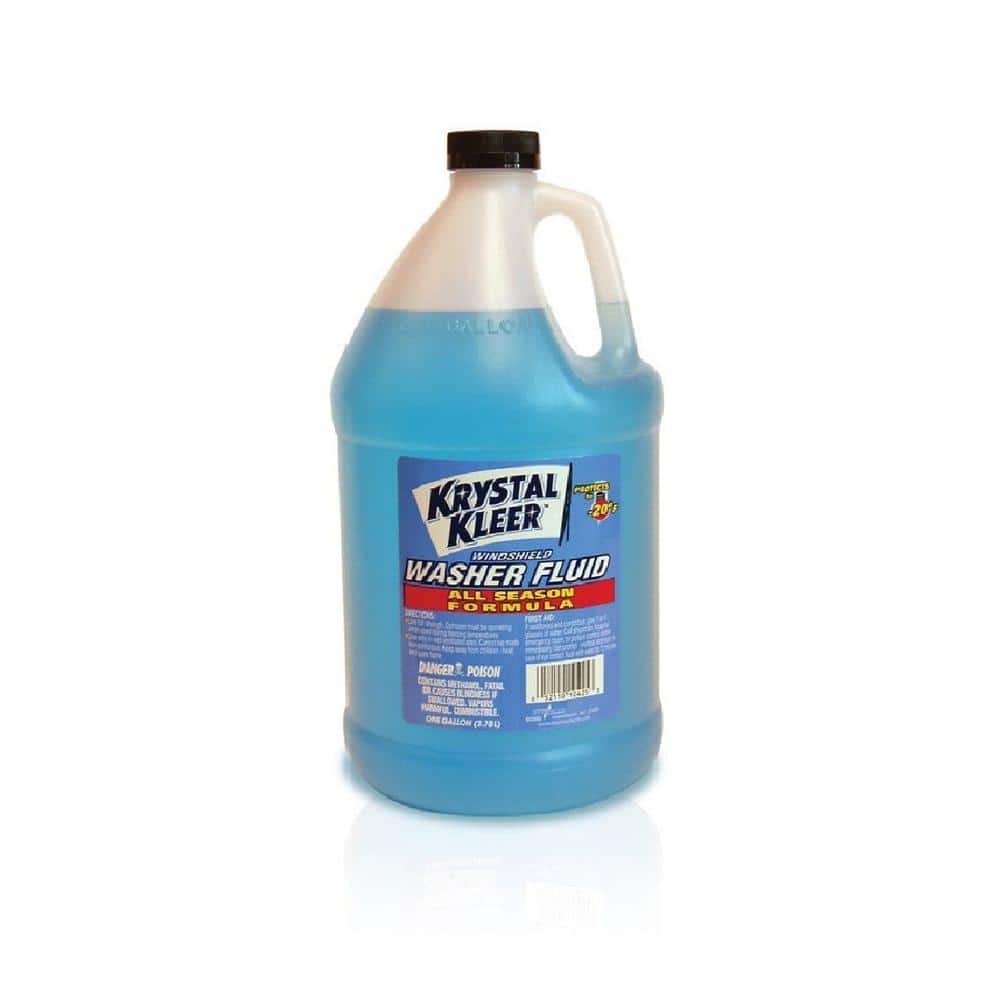
What Is Car Washer Fluid? Ingredients, Types & Freeze Ratings
Washer fluid is a methanol- or ethanol-based cleaner that sprays onto the windshield to clear dirt, bugs, and grime — winter blends lower its freeze point to as low as -40°F. Substituting plain water can freeze solid in the reservoir and lines, and swallowing concentrated fluid is toxic. This guide covers what’s in washer fluid, how to pick the right type, safe DIY recipes, and how to refill and troubleshoot it.
Quick Answer
Washer fluid is a mix of water, methanol (or ethanol), and surfactants that cleans your windshield and resists freezing. All-season fluid protects to about 32°F; winter formulas with more methanol resist freezing down to -20°F to -40°F. Never use plain water or DIY dish-soap mixes in freezing weather — both can freeze and crack the reservoir or lines.
Understanding Washer Fluid
Washer fluid is a liquid made to clean your car’s windshield. Most formulas are a mix of water, methanol (or ethanol), and surfactants — the same basic chemistry used in commercial de-icers. Methanol lowers the fluid’s freeze point and helps break down road grime, while surfactants (detergents) lift bugs and film without streaking. Some fluids also add a small amount of ethylene glycol or propylene glycol for extra freeze protection. Blue or green dye doesn’t affect cleaning power — it just makes the fluid easy to tell apart from coolant or oil at a glance.
Ready-to-use washer fluid typically contains roughly 30–50% methanol; concentrated versions made for diluting can run considerably higher. That’s why washer fluid should always stay in its original, labeled container — never a cup, bottle, or anything a child could mistake for a drink. If you’re wondering whether plain water belongs in that reservoir at all, our guide on what water to use for your car wiper covers that question in more depth.
Is Washer Fluid Toxic or Poisonous?
Yes. Washer fluid is made mostly of methanol, a poisonous alcohol, and swallowing even a small amount can cause serious harm. Because it’s often brightly colored, young children sometimes mistake it for a sports drink or juice, which is how most accidental poisonings happen.
📊 Windshield washer fluid is made of methanol, a poisonous alcohol, and even small amounts can cause serious harm if swallowed. If accidental exposure happens, call the national Poison Help hotline at 1-800-222-1222. — Source: MedlinePlus, U.S. National Library of Medicine
“Windshield washer fluid is a brightly-colored liquid made of methanol, a poisonous alcohol. Sometimes, small amounts of other toxic alcohols, such as ethylene glycol, are added to the mixture. Some young children may mistake the fluid for juice, which can lead to accidental poisoning.”
MedlinePlus Medical Encyclopedia, U.S. National Library of Medicine (NIH)
Store washer fluid in its original, sealed container out of reach of kids and pets, and never siphon it by mouth or transfer it into an unlabeled bottle.
Importance Of Washer Fluid
Safety and visibility: Washer fluid keeps your windshield clean. Dirt and bugs can block your view, and clean glass helps you see better — good visibility keeps you safe on the road.
Protection against dirt and debris: Washer fluid removes grime before dust and mud can stick to your glass. Fluid washes it away quickly, and keeping the glass clean also protects your wiper blades and the wipers themselves from grinding grit into the windshield.
Choosing The Right Washer Fluid
Climate is the biggest factor in choosing washer fluid. In cold regions, choose a fluid that won’t freeze — look for labels like “all-weather” or a specific temperature rating (such as “protects to -20”). Hot climates need fluid that resists evaporation and streaking instead. Always check the bottle for its temperature limit before buying.
Some fluids add bug remover for summer driving, while de-icing formulas melt ice on contact in winter. Rain-repellent versions help water run off the glass faster during heavy rain, and pairing any of these with a good glass cleaner keeps the windshield clearer between refills. Specialty blends add these features on top of the base cleaning and anti-freeze chemistry.
| Formula Type | Freeze Protection | Best For |
|---|---|---|
| Summer / “protects to 32°F” | ~32°F (0°C) | Mild climates, bug and tar removal |
| All-season | 0°F to -20°F | Most of the continental U.S. |
| Winter / de-icer | -20°F to -40°F | Northern states, mountain regions |
| Extreme-cold concentrate | Down to about -50°F | Alaska, high-altitude, deep freeze |
📊 California caps most washer fluid at just 1% VOC (volatile organic compounds), but allows up to 25% VOC in cold-weather “Type A” mountain counties — because that extra VOC content is what lowers the freeze point. Source: California Air Resources Board (CARB)
That regulation exists because, before it was restricted in 1993, washer fluid’s VOC content was a significant source of smog-forming pollution in California’s cities. VOCs act as the anti-freeze in washer fluid, so mild-climate areas don’t need much, while genuinely cold mountain regions are allowed a higher limit so the fluid still works. If you drive in one of those regions, buy a fluid explicitly labeled for it rather than assuming any bottle off the shelf will hold up.
Best Washer Fluid Pick
Prestone AS658P All Season 3-in-1 Windshield Washer Fluid
A trusted year-round formula that cleans, removes bugs, and resists mild freezing in one bottle.
- Best for: Year-round use in most U.S. climates
- Why we picked it: One all-season formula handles summer bugs and mild winter cold without switching bottles
- Main drawback: Not rated for extreme sub-zero climates — northern or mountain drivers need a colder-rated formula
Compare more washer fluid options
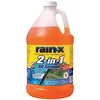 Option 1 Rain-X 2-in-1 All Season -25°F Washer Fluid
|
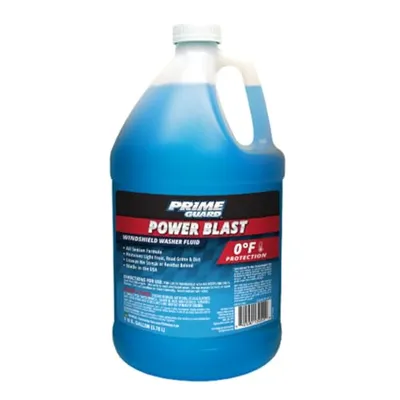 Option 2 Prime Guard 0°F Power Blast Windshield Washer Fluid | 1 Gallon
|
 Option 3 UCS Methanol-Free 2-in-1 Bug Remover
|
As an Amazon Associate we earn from qualifying purchases.
DIY Washer Fluid Options
Homemade washer fluid can save money, but the ratio and ingredients matter more than most recipes online let on. For a dish soap mix, add about one tablespoon of dish soap per one gallon of distilled water. For a vinegar mix, use one part white vinegar to three parts distilled water instead. Don’t combine vinegar and dish soap in the same batch — vinegar breaks down soap and cancels out its cleaning power.
Always use distilled water, not tap water. Tap water contains minerals and bacteria that can grow inside the reservoir and clog the spray nozzles over time. Homemade fluid also has little to no freeze protection, so it’s best treated as a warm-weather option — flush the reservoir with clean water and switch to a store-bought winter formula before temperatures drop near freezing. For a full ingredient breakdown and more recipe variations, see our dedicated guide on making car washer fluid at home.
| Pros | Cons | |
|---|---|---|
| Dish soap + distilled water | Cost-effective, easy to make | Little to no freeze protection |
| Vinegar + distilled water | Customizable, cuts through grime | Can leave streaks if over-concentrated |
| Store-bought all-season | Reliable freeze rating, no mixing | Costs more than a homemade batch |
How To Refill Washer Fluid
- Open the hood and locate the washer fluid reservoir — the cap is usually blue or marked with a windshield-and-spray icon.
- Twist the cap counterclockwise to remove it.
- Insert a clean funnel into the opening to avoid spilling fluid on the paint.
- Pour washer fluid until it reaches the “full” line or the neck of the reservoir — never use plain water instead.
- Replace and tighten the cap securely so it doesn’t rattle loose while driving.
- Test the spray using the washer stalk or button before closing the hood.
For model-specific reservoir locations and photos, see our step-by-step guide on filling up wiper water the right way. Store washer fluid away from kids and pets, and keep the funnel clean — a dirty funnel can contaminate the fresh fluid and clog the nozzles.
Troubleshooting Common Issues
Identifying Leaks
Washer fluid can leak easily. Check for wet spots under your car, especially near the front wheels — a puddle usually means trouble. Leaks often come from a cracked hose or a split in the reservoir itself. Fix leaks quickly to avoid wasting fluid and running dry without warning.
Dealing With Blockages
Blockages stop fluid from spraying even when the reservoir is full. Dirt clogs the washer nozzles, so a clogged nozzle can’t spray — clean it gently with a pin to restore flow. Blockages also happen in the hoses themselves; check for kinks or bends and straighten them out.
Environmental Impact
Eco-friendly alternatives to traditional washer fluid can reduce your environmental footprint. Many washer fluids contain chemicals that can harm soil and waterways, while eco-friendly options use ingredients that break down faster and cause less pollution.
Disposal matters for used or expired washer fluid. Don’t pour it down the drain — the chemicals in it can harm animals and plants. Check your local rules for hazardous waste disposal; many cities have a designated drop-off site for old automotive fluids.
Frequently Asked Questions
Can I Use Water Instead of Washer Fluid for My Car?
No — plain water lacks the cleaning surfactants in washer fluid and offers no freeze protection. In cold weather it can freeze inside the reservoir, hoses, and pump, cracking components and leaving you without any spray at all. Always use a washer fluid rated for your climate instead.
Can I Drive With No Washer Fluid?
Yes, it’s legal to drive with an empty washer fluid reservoir, but it isn’t safe. Without fluid to clear dirt, bugs, and road grime, visibility drops quickly, especially at highway speed or in rain. Refill the reservoir as soon as you can.
Does It Matter What Washer Fluid I Put in My Car?
Yes. All-season fluid works for most climates, but cold regions need a winter-rated formula with more methanol to prevent freezing. Bug-removal and rain-repellent formulas add extra cleaning power on top. Check your owner’s manual if your vehicle recommends a specific type.
What Happens When Washer Fluid Is Low?
A low-fluid warning light or a weak, sputtering spray usually means the reservoir needs a refill. Driving with low fluid leaves streaks and grime on the windshield, reducing visibility until you top it back off.
At What Temperature Does Washer Fluid Freeze?
It depends on the formula. Summer or all-season fluid rated to +32°F offers little cold protection. Winter formulas with a higher methanol concentration resist freezing down to about -20°F, and extreme-cold blends can stay liquid to roughly -40°F to -50°F.
Is Washer Fluid Toxic or Poisonous If Swallowed?
Yes. Washer fluid is made mostly of methanol, a poisonous alcohol, and even small amounts can cause serious harm — young children sometimes mistake it for juice because of its bright color. Store it in its original container out of reach of kids and pets, and call the Poison Help hotline at 1-800-222-1222 if exposure happens.
Conclusion
Washer fluid keeps your windshield clear and your drive safe — but the right type matters. Match the formula to your climate, refill before the reservoir runs dry, and never substitute plain water or an unlabeled DIY mix in freezing weather. A few dollars of washer fluid is a small price for a clear view of the road.
Products related to this article
Sponsored / affiliate links. As an Amazon Associate I earn from qualifying purchases. I may earn additional commission from eligible campaigns.