What Are the Charges for Stealing a Car? Felony vs. Misdemeanor
Car theft charges range from a misdemeanor (joyriding — temporary unauthorized use) to a felony (grand theft auto) — the split depends on intent, the vehicle’s value, and your state, not one national charge. California caps a standard felony conviction at 3 years under Penal Code 487(d)(1); Washington State allows up to 10. This guide covers joyriding vs. grand theft, state-by-state penalties, federal carjacking rules, and common defenses. This is general information, not legal advice — consult a licensed attorney in your state.
What Does Stealing a Car Mean?
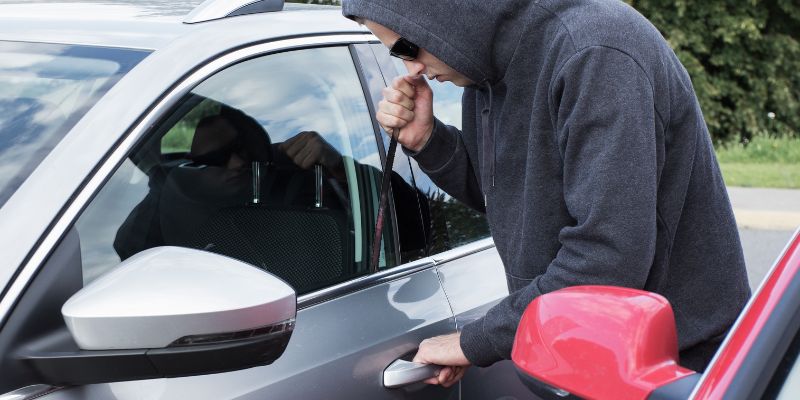
Stealing a car is taking someone else’s vehicle without permission. It’s a crime that can lead to serious consequences. In the USA, laws about car theft vary by state, but they all aim to protect people’s property. Some vehicles are stolen far more often than others, but the charges that follow depend on the same two categories everywhere: joyriding and grand theft auto. Joyriding is borrowing a car without consent but planning to return it. Grand theft auto is taking a car to keep or sell it. Both are bad, but grand theft is more serious.
Joyriding Explained
Joyriding means driving someone’s car without their okay, but you don’t plan to keep it. Imagine a teenager taking a neighbor’s car for a fun ride and returning it. That’s joyriding. In California, for example, it’s covered under Vehicle Code 10851. It’s often a misdemeanor, which is less serious than a felony.
Grand Theft Auto Explained
Grand theft auto is stealing a car to keep it, sell it, or strip it for parts. It’s a bigger crime because you intend to take the car permanently. In California, it’s under Penal Code 487(d)(1). This can be a misdemeanor or felony, depending on the car’s value or your criminal history.
What Are the Charges for Stealing a Car?
The charges for stealing a car depend on the state and the situation. Let’s break it down simply. Most states treat car theft as a misdemeanor or felony based on intent, car value, and your past. A misdemeanor might mean jail time for up to a year. A felony could mean longer jail time, up to seven years in some states like California. Fines can also apply, often ranging from $1,000 to $7,000.
Table 1: Joyriding vs. Grand Theft Auto Charges
| Charge | Intent | Penalty (Misdemeanor) | Penalty (Felony) |
|---|---|---|---|
| Joyriding | Temporary use | Up to 1 year jail, $1,000 fine | Up to 3 years prison, $5,000 fine |
| Grand Theft Auto | Permanent theft | Up to 1 year jail, $5,000 fine | Up to 7 years prison, $7,000 fine |
| Caption: This table compares typical penalties in states like California. |
How States Handle Car Theft
In California, joyriding is usually a misdemeanor with up to one year in jail. Grand theft auto can be a felony if the car is worth over $950. In New York, stealing a car is often petit larceny (a misdemeanor) unless the car is very expensive, then it’s grand larceny (a felony). Texas treats car theft as a misdemeanor if the car’s value is under $2,500. Knowing your state’s laws is key.
What Happens After a Car Theft Charge?
If you’re charged with stealing a car, the process can feel scary. Here’s what happens in simple steps:
- Arrest: Police may arrest you if they believe you stole a car.
- Court Appearance: You go to court to hear the charges.
- Plea: You say if you’re guilty or not guilty.
- Trial or Plea Deal: You might fight the case in court or agree to a deal.
- Sentencing: If guilty, the judge decides your punishment.
A lawyer can help you understand your options. For example, my friend hired a lawyer when accused of joyriding. The lawyer showed the car was returned quickly, and the charge was reduced. If your own vehicle was the one stolen, the process looks different — see what happens when police find stolen cars for the owner’s side of a recovery.
Penalties for Stealing a Car
Penalties depend on the charge and state. Here are common ones:
- Jail or Prison: Misdemeanors can mean up to one year in jail. Felonies can mean two to seven years in prison.
- Fines: You might pay $1,000 to $7,000, depending on the state.
- Probation: Instead of jail, you might get probation with rules like community service.
- Restitution: You may pay the car owner for damages or losses.
Table 2: Penalties by State
| State | Misdemeanor Penalty | Felony Penalty |
|---|---|---|
| California | Up to 1 year jail, $1,000 fine (VC 10851 joyriding) | 16 months–3 years prison, up to $10,000 fine (PC 487(d)(1), vehicle worth $950+) |
| New York | Up to 1 year jail (petit larceny, under $1,000) | Up to 4 years (Class E, $1,000+) to 15 years prison (Class C, $50,000+) |
| Texas | Up to 1 year jail, $4,000 fine (under $2,500) | 180 days–2 years (state jail, $2,500–$30,000) up to 2–20 years prison ($30,000+) |
| Washington | Not typically charged as a misdemeanor | Up to 10 years prison, $20,000 fine (Class B felony) |
| New Jersey | Not typically charged as a misdemeanor | 3–5 years prison; 5–10 years if the vehicle is worth $75,000+ or multiple vehicles were stolen |
| Colorado | Not typically charged as a misdemeanor | 2–6 years prison (Class 4 felony, second-degree vehicle theft) |
| Caption: Figures are general ranges based on public legal-reference sources as of 2026 — always confirm current penalties with a licensed attorney in your state. |
Special Cases
Some situations make penalties worse. Stealing a police car or ambulance can add jail time. If you have past crimes, penalties might increase. For example, in California, stealing a car with a prior theft conviction can turn a misdemeanor into a felony. Investigators who catch a car thief using VIN records, GPS data, or witness reports build the evidence prosecutors use to prove these aggravating factors.
Can Car Theft Become a Federal Crime?
Almost all car theft charges are filed under state law, not federal law — this is why penalties vary so much from state to state. Car theft only becomes a federal case in specific situations, most commonly carjacking under 18 U.S.C. § 2119 (part of the Anti-Car Theft Act of 1992). That statute applies when someone takes a vehicle by force or intimidation, and the vehicle has at some point traveled in interstate or foreign commerce — which covers almost any car sold in the U.S.
Federal carjacking penalties are far more severe than typical state theft charges: up to 15 years in federal prison if no one is hurt, up to 25 years if a victim suffers serious bodily injury, and up to life in prison or the death penalty if a death results. Simple joyriding or grand theft auto — taking a parked, unattended car — almost never triggers federal charges on its own; it’s the use of force or a threat against a person that moves a case from state court into federal court.
How to Defend Against Car Theft Charges
You can fight car theft charges with a good defense. Here are common defenses:
- You Had Permission: If the owner let you use the car, it’s not theft.
- No Intent to Steal: If you planned to return the car, it might be joyriding, not grand theft.
- Mistaken Identity: Maybe someone else took the car, not you.
A lawyer can build your defense. I once helped a friend who was accused of stealing a car. We showed he thought he had permission, and the case was dropped.
Tips for Handling Charges
Here are three tips to help if you’re charged:
- Hire a Lawyer: A good lawyer can reduce or dismiss charges.
- Be Honest: Tell your lawyer the truth to build a strong defense.
- Stay Calm: Don’t talk to police without a lawyer present.
Common Mistakes to Avoid
People make mistakes when facing car theft charges. Here are three to avoid:
- Talking Without a Lawyer: Don’t tell police your story without legal help.
- Ignoring the Charge: Always show up to court to avoid worse penalties.
- Not Knowing Your Rights: Learn what defenses you can use.
Table 3: Mistakes and How to Avoid Them
| Mistake | Why It’s Bad | How to Avoid |
|---|---|---|
| Talking Without a Lawyer | Can hurt your case | Wait for legal advice |
| Ignoring Court Dates | Leads to warrants | Attend all hearings |
| Not Knowing Rights | Misses defenses | Research or ask lawyer |
| Caption: This table helps you avoid common car theft charge mistakes. |
Benefits and Drawbacks of Plea Deals
A plea deal can lower your charges or penalties. For example, pleading guilty to joyriding instead of grand theft might mean less jail time. The benefit is avoiding a trial and getting a lighter punishment. The drawback is you’ll still have a criminal record, which can affect jobs or school. Talk to a lawyer to decide if a plea deal is right for you.
My Personal Tip
From my experience, acting fast is key. When my cousin’s car was taken, we contacted a lawyer right away. This helped us understand the situation and avoid bigger problems. Don’t wait—get help early to protect yourself.

Where to Learn More
For more details, check these trusted sources:
- Nolo’s Guide to Car Theft Laws
- California Courts Vehicle Theft Info
- FindLaw’s Theft Overview
- Texas Penal Code
Conclusion
Stealing a car can lead to serious charges, but understanding what the charges for stealing a car actually are helps you know what to expect. Whether it’s joyriding or grand theft auto, penalties include jail, fines, or probation, and depend heavily on your state and the vehicle’s value. Hiring a lawyer and knowing your defenses can make a real difference. If you’re facing charges, talk to a licensed attorney in your state as soon as possible.
Frequently Asked Questions
What Is the Difference Between Joyriding and Grand Theft Auto?
Joyriding is taking a car without permission but planning to return it. Grand theft auto is stealing a car to keep or sell it. Joyriding is usually a misdemeanor with less jail time. Grand theft can be a felony with harsher penalties. A lawyer can help clarify which charge applies.
Can I Go to Jail for Stealing a Car?
Yes, you can go to jail for stealing a car. Misdemeanor charges might mean up to one year in jail. Felony charges typically run two to ten years in prison, and some states allow up to 15 years for high-value vehicles or repeat offenses. Penalties also include fines or probation.
What If I Had Permission to Use the Car?
If you had the owner’s permission, it’s not theft. You’ll need proof, like a text or witness, to show you had consent. A lawyer can help present this defense to dismiss the charge.
How Much Are the Fines for Car Theft?
Fines vary by state and charge. Misdemeanors might cost $1,000 to $5,000. Felonies can have fines up to $7,000 or more. You might also pay restitution to the car owner. Separately, if it was your car that got stolen, check whether theft is covered in your car insurance policy before assuming you’ll get reimbursed.
Can Car Theft Charges Be Dropped?
Yes, charges can be dropped if you have a good defense. For example, proving you had permission or no intent to steal can help. A lawyer can negotiate with the prosecutor to reduce or dismiss charges.
What Happens If I Stole a Police Car?
Stealing a police car is a serious crime. It’s often a felony with extra jail time, up to four years in some states. Penalties are harsher because it’s a government vehicle.
How Can I Avoid Car Theft Charges?
To avoid charges, don’t take a car without clear permission. If accused, hire a lawyer quickly and don’t talk to police without them. Understanding your rights can prevent bigger problems.
Can a Passenger Be Charged for Riding in a Stolen Car?
Only if the passenger knew, or reasonably should have known, that the car was stolen or being used without the owner’s permission. Merely riding in a stolen car with no knowledge of the theft is not a crime by itself — for example, a hitchhiker picked up in a stolen car generally cannot be convicted. But a passenger who knowingly rides along, or who helps plan or carry out the theft, can be charged as an accomplice, and some states penalize a knowing passenger the same as the driver.
Products related to this article
Sponsored / affiliate links. As an Amazon Associate I earn from qualifying purchases. I may earn additional commission from eligible campaigns.
![iPhone Car Charger,USB C Fast Car Charger[Apple MFi Certified] Apple Car Charging 38W Dual Port CarCharger Cigarette Lighter Adapter 2x3ft PD&QC 3.0 Lightning Cable for iPhone 14/13/12 Pro/11/Airpods](https://m.media-amazon.com/images/I/41XizrssoiL._SL500_.jpg) iPhone Car Charger,USB C Fast Car Charger[Apple MFi Certified] Apple Car Charging 38W Dual Port CarCharger Cigarette Lighter Adapter 2x3ft PD&QC 3.0 Lightning Cable for iPhone 14/13/12 Pro/11/Airpods
iPhone Car Charger,USB C Fast Car Charger[Apple MFi Certified] Apple Car Charging 38W Dual Port CarCharger Cigarette Lighter Adapter 2x3ft PD&QC 3.0 Lightning Cable for iPhone 14/13/12 Pro/11/Airpods Portable Car Heater Car Heater, Portable Electronic Auto Heater Fan Fast Heating Defrost 12V 120W Car Defrost Defogger, 2 in 1 Heating/Cooling Function 3-Outlet, Plug Adjustable