How to Cool Down a Car Engine Safely
To cool down an overheating car engine, turn off the air conditioning and turn the heater to full blast, which pulls heat away from the engine and buys time to reach a safe stop. If the temperature keeps climbing, pull over immediately, shut off the engine, and wait 15-30 minutes before opening the hood — opening it too soon risks scalding steam or boiling coolant. This guide covers the correct sequence of steps and what never to do while an engine is overheating.
Related: how the engine works in the first place.
Immediate Steps To Take When Your Engine Overheats
When your car engine overheats, there are immediate steps you can take to prevent further damage. First, shut off the air conditioner to reduce the load on the engine. This will help it cool down more quickly. Next, crank up the heater to draw excess heat away from the engine and into the car. While this may seem counterintuitive, it can be an effective way to cool the engine. Additionally, you can put your car in neutral or park and rev the engine to aid in the cooling process. Finally, pull over and open the hood to allow heat to escape. These steps can help cool your car engine and prevent further overheating.
Zerex Dex-Cool 50/50 Ready-to-Use Antifreeze Coolant – $20.58


Safely Managing A Hot Engine
When it comes to safely managing a hot engine, there are a few steps you can take to cool it down. First, pull over to a safe location and turn off the engine. This will help prevent any further damage. Next, open the hood carefully to allow heat to escape. Be cautious as the engine may still be hot.
If your car is overheating, it’s important to take action quickly. Turn off the air conditioner as it puts a heavy load on the engine. Instead, turn on the heater to help draw the engine’s heat away. You can also put your car in neutral or park and rev the engine to help cool it down. Finally, pull over and open the hood to allow heat to escape.
Remember to never attempt to touch or work on a hot engine as it can cause serious burns. It’s always best to consult a professional mechanic if you’re unsure about how to safely cool down your car engine.
Checking And Managing Engine Fluids
When checking and managing engine fluids, it’s crucial to wait for the engine to cool before proceeding. Once the engine is cool, it’s important to top off coolant if necessary. This simple step can help prevent overheating and ensure the smooth operation of your car.
The Role Of The Radiator Cap
Loosening the radiator cap is a critical step in cooling an overheated car engine. However, it must be done with caution to avoid any accidents. After loosening the cap, it is important to inspect it for any signs of damage. This includes cracks, wear, or any other issues that could affect its ability to maintain pressure. If any damage is detected, it is essential to replace the cap immediately to ensure proper function and safety.
Using External Cooling Methods
When cooling a car engine using external methods, one effective approach is to spray water on the radiator. However, it’s important to avoid pouring cold water on a hot engine as this can cause damage. Instead, use a fine mist or spray to cool down the radiator, which in turn helps to regulate the engine temperature.
Revving The Engine: Does It Help?
Revving the engine of a hot car may not help cool it down. In fact, it could potentially cause more harm than good. Revving the engine increases the load on it, which in turn increases the temperature. This could lead to further overheating and damage to the engine. Instead, the best way to cool down an overheating engine is to allow it to rest and cool down naturally. Turn off the air conditioner, turn on the heater, and let the car idle for a few minutes. If the engine is still hot, pull over and open the hood to let it cool down faster. Avoid revving the engine unless it is an emergency and you need to move the car to a safe location.
Long-term Engine Cooling Solutions
Regular maintenance of your car’s coolant system is essential to maintain the engine’s temperature. Ensure that you flush and refill the coolant system according to the manufacturer’s instructions. Upgrade the cooling system components such as the radiator, water pump, and thermostat to ensure that they are working correctly. Also, check for any leaks in the system and fix them as soon as possible. Regularly inspect the hoses and belts to ensure that they are not worn or damaged. If you notice any signs of overheating, such as steam coming out of the hood, pull over and turn off the engine immediately. Allow the engine to cool down before attempting any repairs or further driving.
Understanding Engine Cooling Times
Understanding engine cooling times is essential for maintaining the optimal performance of your car. The average time for an engine to cool down varies depending on several factors such as the ambient temperature, the type of cooling system, and the condition of the radiator. Additionally, the size and design of the engine also play a significant role in determining the cooling time. It is important to consider these factors to ensure that the engine is given adequate time to cool down before attempting any maintenance or repairs. By understanding the average cooling time and the factors that affect it, you can effectively manage the maintenance of your car’s engine cooling system.
Preventive Measures To Avoid Overheating
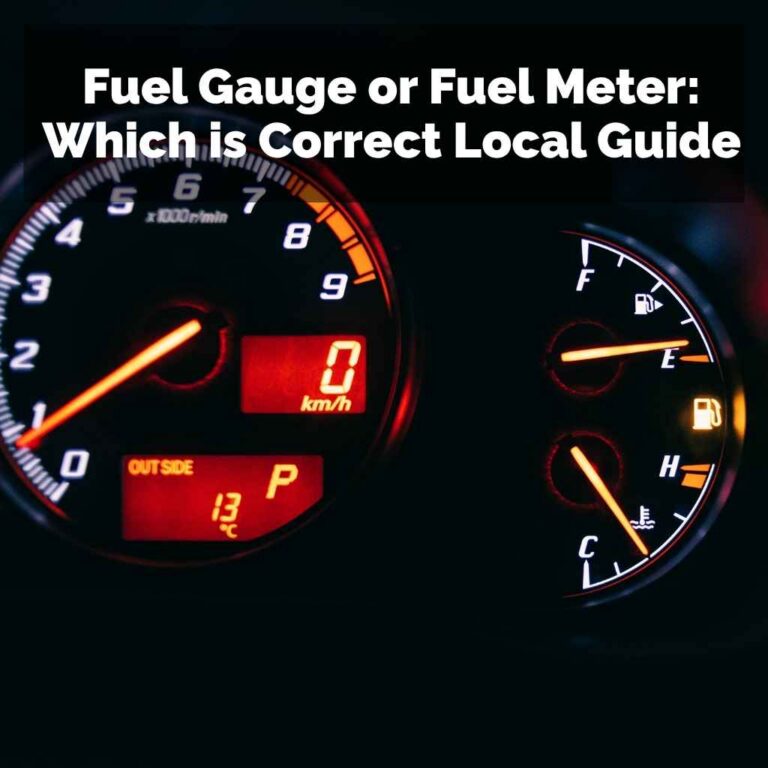
One way to prevent car engine overheating is to keep an eye on the temperature gauge, so you can take action at the first sign of trouble. Additionally, scheduling regular engine check-ups is crucial for maintaining the proper functioning of the cooling system. By adhering to these preventive measures, you can ensure that your car engine remains cool and operates efficiently.
What To Keep In Your Car For Engine Emergencies
When it comes to engine emergencies, it’s essential to keep a few tools and supplies in your car. Make sure to have a basic toolkit that includes a wrench, pliers, and screwdrivers. Additionally, carry a flashlight, duct tape, and gloves. Moreover, it’s important to have engine oil, coolant, and a funnel for refilling fluids. In addition, include jumper cables and a tire pressure gauge. Moreover, prepare an emergency plan with contact information for roadside assistance and local repair shops. In case of an emergency, stay calm and follow your plan to safely handle the situation.
Conclusion
Cooling a car engine is crucial for its optimal performance and longevity. To cool down an overheated engine, follow these steps: turn off the air conditioner, turn on the heater, rev the engine in neutral or park, and pull over to open the hood.
Additionally, checking the radiator for leaks or blockages is essential. Remember, timely cooling measures can prevent serious engine damage and ensure a smooth and safe driving experience.
Products related to this article
Sponsored / affiliate links. As an Amazon Associate I earn from qualifying purchases. I may earn additional commission from eligible campaigns.