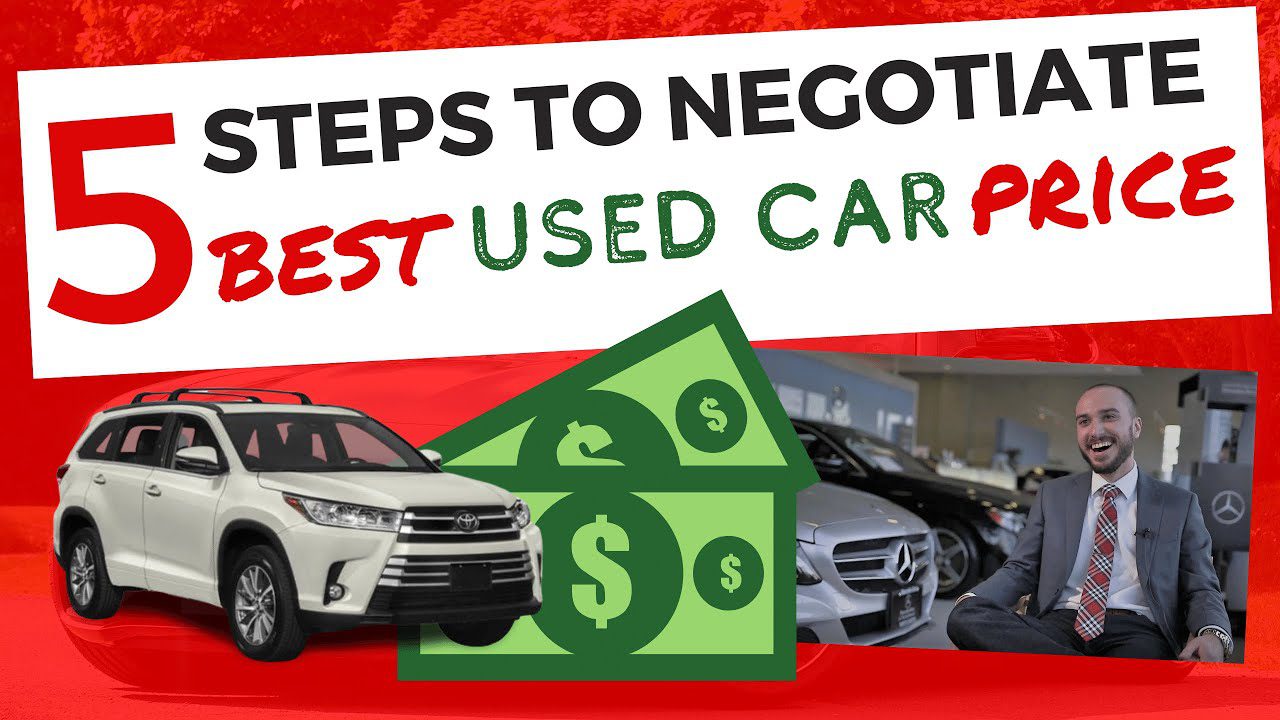
Can You Negotiate Car Price at Dealership: Insider Tips
Yes, you can negotiate car prices at a dealership. Understanding how to do it effectively can save you money.
Buying a car can be overwhelming. But with the right strategy, you can get the best deal. Negotiating the price at a dealership is a common practice. Many buyers don’t realize they have the power to lower the cost. This guide will explain how to approach the negotiation process.
We will provide tips and tricks to make sure you get a fair price. By the end, you will feel confident and ready to take on the challenge. Let’s dive in and learn how to negotiate car prices like a pro.
Research And Preparation
Researching and preparing before visiting a car dealership can significantly improve your chances of negotiating a better price. Knowledge about the car’s market value and understanding dealership tactics are crucial.
Understand Market Value
Check car prices online. Compare different dealerships. Look at the car’s features. Know the average price. This helps in negotiation. Be aware of discounts and offers. Dealers might offer incentives. Check these too.
Set Your Budget
Decide how much you can spend. Include taxes and fees. Stick to your budget. Don’t be swayed by sales talk. Know your limits. This helps in making a wise choice.
Choosing The Right Dealership
Pick a dealer with a good reputation. Honest dealers are easier to work with. They will give you fair prices. Reputable dealers have better customer service. They answer questions clearly. They are not pushy. Good dealers want you to be happy with your car.
Read reviews from other customers. Reviews show if a dealer is trustworthy. Look for reviews about price negotiations. If many people say they got a good deal, you might too. Bad reviews are warning signs. Be careful if many people had bad experiences. Happy customers mean you might be happy too.
Timing Your Purchase
Timing your car purchase can lead to better deals. Dealerships often negotiate prices towards the end of the month. This is when they need to meet sales targets.
Best Times Of The Year
Car prices often drop at certain times of the year. End of the year is a good time. Dealers want to clear old stock. Holiday seasons also offer discounts. Black Friday can be a great day to buy. New model releases mean discounts on older models. Winter months might see lower prices too.
End Of Month Strategies
Many dealerships have monthly sales targets. Salespeople may offer better deals at month’s end. They want to meet their goals. Last few days of the month are key. Buying at this time might save you money. Weekdays are quieter and can be better for negotiations. Avoid weekends if possible.
Initial Interaction With Salespeople
Car dealerships often allow price negotiations. Salespeople expect you to haggle and may offer discounts or incentives.
Making A Positive Impression
Speak politely to the salespeople. Show interest in the cars. Smile and be friendly. They will be more willing to help. Dress well. It shows you are serious. Have your facts ready. Know about the car you want.
Key Questions To Ask
- What is the best price you can offer?
- Are there any current promotions?
- What is the total cost with fees?
- Can you include extra features for free?
- Is there any room for negotiation?
Test Driving The Car
Check the outside of the car. Look for scratches and dents. Open and close all doors. Make sure they work well. Check the tires. They should not be worn out. Look inside the car. Make sure seats are clean. Turn on the air conditioner and heater. Check if they work. Look at the dashboard. Make sure all lights and gauges are working.
Start the engine. Listen for any strange sounds. Drive the car on different roads. Test the brakes. Make sure they stop the car smoothly. Check the steering. It should be easy to turn. Drive at different speeds. Make sure the car runs well. Test the acceleration. Make sure it speeds up quickly. Check the suspension. The ride should be comfortable.

Credit: www.reddit.com
Negotiation Tactics
Begin by offering a price lower than what you are willing to pay. This gives you room to increase your offer. The dealer might meet you halfway. It’s a good strategy. You get a better deal this way.
Gather quotes from different dealers. Show these quotes to the dealer. This shows that you have options. The dealer might lower the price to match or beat other quotes. This is a good way to save money.
Handling Counteroffers
Keep your budget in mind. Tell the dealer your limit. Do not let them sway you. Stick to your price. If they push, stay calm. Repeat your limit. Do not feel pressured. It is your money. You control it. Remember, you can always walk away. Another deal will come.
Research prices before you go. Know what a good deal looks like. Compare with other dealerships. Look at the car’s history. Check for any past damage. Low miles are good. Clean records are better. If the price matches your research, it is a good deal. Always trust your gut feeling.
Finalizing The Deal
Finalizing the deal involves negotiating the car price at the dealership. Many dealers are open to price discussions. This can lead to better offers for buyers.
Reviewing The Paperwork
Before signing, check all documents carefully. Look for any hidden charges. Ensure the price is what you agreed on. Ask the dealer to explain any unknown terms. Make sure the warranty details are clear. Confirm the interest rate if you are financing. Take your time with this step. It is important.
Understanding Additional Fees
Dealerships often add extra fees. These might include documentation fees, destination charges, and dealer add-ons. Documentation fees cover the paperwork. Destination charges cover the delivery of the car. Dealer add-ons might include window tinting or paint protection. Always ask for a breakdown of these fees. This helps you understand the total cost.
Post-purchase Considerations
After buying a car, thinking about warranty is important. Warranty can cover repairs. It can save money on big fixes. Some warranties last three years. Others last longer. Check the warranty details. Know what is covered. It can be engine, transmission, or other parts. Some warranties have limits. Some cover mileage or time limits. Ask the dealer for options.
Keeping your car in good shape is key. Maintenance plans help with this. These plans cover regular services. Oil changes, tire rotations, and inspections. They keep your car running well. Maintenance plans can save money. They can avoid big repair costs. Ask about different plans. Some plans last a few years. Others cover a set mileage. Compare plans and choose the best one.

Credit: www.capitalone.com

Credit: www.capitalone.com
Frequently Asked Questions
Will Car Dealerships Negotiate Prices?
Yes, car dealerships often negotiate prices. Buyers can discuss discounts, trade-in values, and financing options to get better deals.
How Much Can You Usually Negotiate Off A New Car?
You can usually negotiate around 5-10% off the MSRP of a new car. This varies by model and dealership.
How Much Do Dealerships Want You To Put Down On A Car?
Dealerships typically want a down payment of 10-20% of the car’s purchase price. This helps secure financing and reduces monthly payments.
How Can I Lower My Car Price At A Dealership?
Negotiate aggressively, research prices online, and get multiple quotes. Trade-in your old car and secure financing beforehand.
Conclusion
Negotiating car prices at dealerships is possible and often beneficial. Research is key. Know the car’s market value before visiting the dealership. Be confident and polite during negotiations. Ask about discounts, incentives, and financing options. Don’t rush; take your time to make an informed decision.
Remember, the goal is a fair price for both parties. With preparation and patience, you can drive away with a good deal.