Can You Put Duct Tape on a Car: Surprising Uses and Risks Explained
Have you ever wondered if you can put duct tape on your car? Maybe you’re dealing with a loose side mirror, a cracked bumper, or a quick fix before your next trip.
It sounds simple, right? But is duct tape really a good idea for your car’s surface? Before you grab that roll, you need to know what works, what could go wrong, and how to make the best choice for your vehicle.
Keep reading, and you’ll discover everything you need to know about using duct tape on your car safely and effectively.
Duct Tape Basics
Duct tape is a popular tool for quick fixes and repairs. It is strong and sticky. People use it for many tasks around the home and outdoors. Understanding what duct tape is made of helps to know its strengths and limits. This knowledge is important before using it on a car.
Its versatility makes it useful for temporary fixes on many surfaces. Cars are one area where people wonder if duct tape can help. Let’s explore the basics of duct tape, starting with its material makeup and common uses.
What Is Duct Tape Made Of
Duct tape has three main parts: a plastic backing, a cloth mesh, and a sticky adhesive. The plastic backing gives it strength and water resistance. The cloth mesh adds durability and prevents tearing. The adhesive makes it stick to many surfaces, even rough ones.
This combination allows duct tape to hold well under tough conditions. It can resist moisture and some heat. However, the adhesive may leave residue or lose stickiness over time, especially on cars.
Common Uses Of Duct Tape
Duct tape fixes broken items temporarily. People use it to patch holes, hold wires, or seal leaks. It works on wood, metal, plastic, and fabric. Campers and mechanics often carry duct tape for quick repairs.
In cars, it may hold a loose part or cover a cracked window for a short time. It is not meant for long-term auto repairs. Knowing common uses helps decide if duct tape suits your car needs.
Applying Duct Tape On Cars
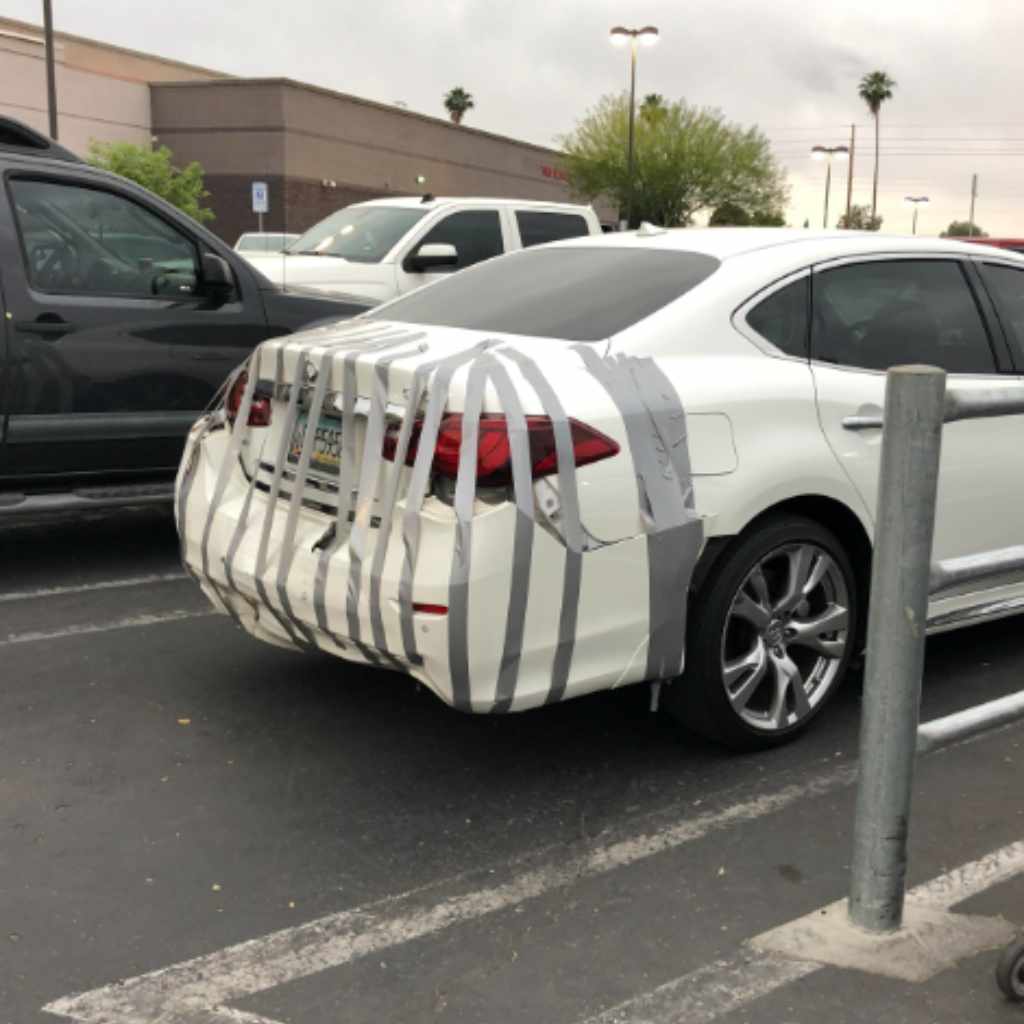
Applying duct tape on cars is a common quick solution for many car owners. It offers an easy and fast way to handle minor issues. People use duct tape to hold parts in place or cover small damages. Though it is not a long-term fix, it can save trouble on the road. Understanding how and where to apply duct tape helps to use it better.
Temporary Fixes And Repairs
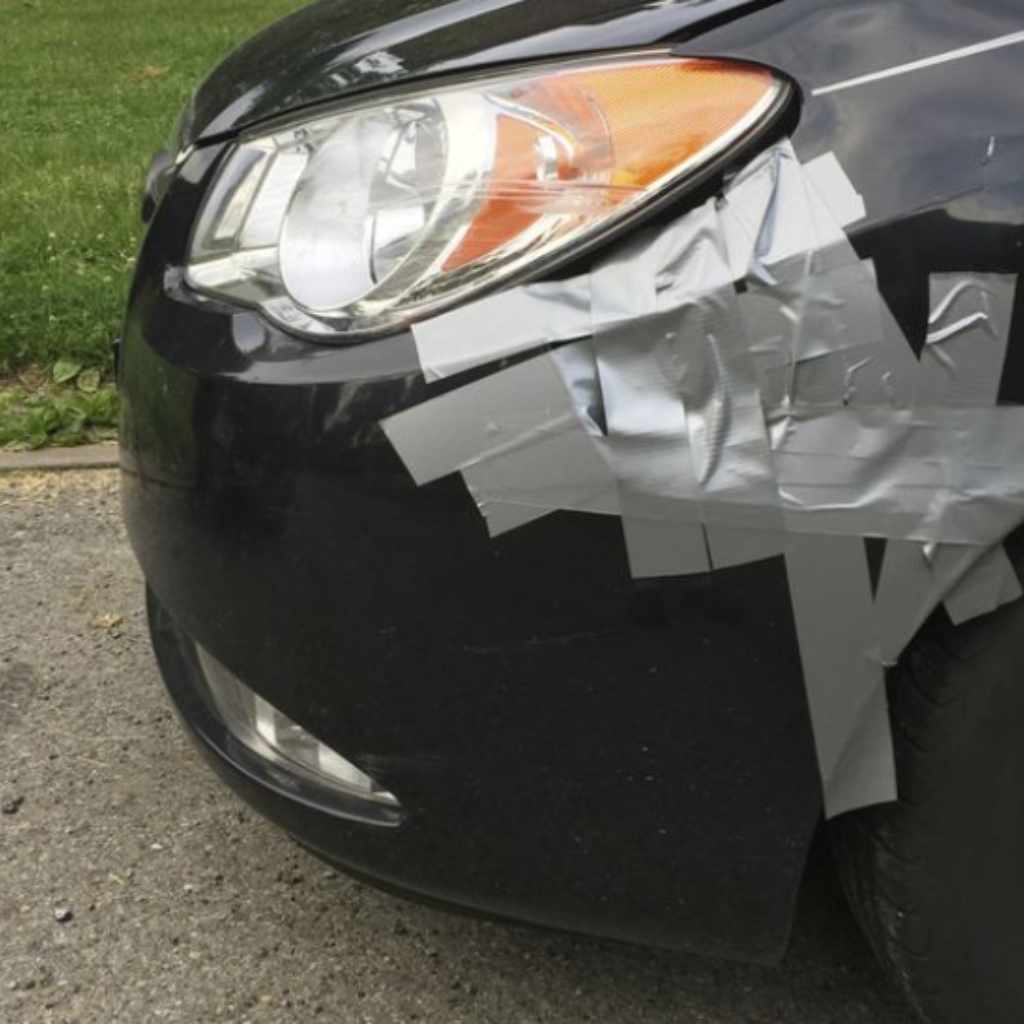
Duct tape acts as a quick patch for small car damages. It can cover cracks in windows or hold loose parts. For example, broken side mirrors or damaged bumpers can stay in place for a short time with duct tape. It stops water or dirt from entering damaged areas. This tape works well for temporary repairs until proper help arrives. It is strong and sticks well to most surfaces on a car.
Creative Car Customizations
Some people use duct tape to add unique designs to their cars. It can create stripes, patterns, or colorful shapes on the car’s surface. This method is cheap and easy to change anytime. Duct tape customization allows personal expression without permanent paint or decals. It can also protect certain parts from scratches in a stylish way. Using duct tape creatively adds fun and personality to a car.
Benefits Of Using Duct Tape On Vehicles
Duct tape is a handy tool for many vehicle problems. It offers quick fixes and saves money. Many drivers keep it in their cars for emergencies. Using duct tape on vehicles has clear benefits. It helps in tough situations and small repairs.
Its strong adhesive sticks well to different surfaces. Duct tape can hold parts together temporarily. It resists water and dirt, making it useful outside. These qualities make duct tape a practical choice for car owners.
Quick Emergency Solutions
Duct tape works fast to cover broken windows or mirrors. It can stop small leaks in hoses or pipes. Drivers use it to hold bumpers or lights in place. This tape helps prevent damage from getting worse. It is easy to apply even on the roadside.
Cost-effective Repairs
Duct tape costs very little compared to car parts. It helps avoid expensive trips to the mechanic right away. Many small issues can wait until proper repairs are possible. This tape reduces stress and saves money over time. It is a smart tool for budget-conscious drivers.
Potential Risks And Drawbacks
Using duct tape on a car might seem like a quick fix. It can hold parts together or cover cracks for a short time. Still, there are risks and drawbacks. These can cause more harm than good. Knowing these problems helps you make better choices.
Damage To Paint And Finish
Duct tape can pull off your car’s paint. It sticks very strongly to the surface. When you remove it, paint may peel or scratch. This damage is often costly to repair. The finish can lose its shine and look rough.
Adhesive Residue Issues
The tape leaves sticky glue behind. This residue is hard to clean. It attracts dirt and dust, making your car look dirty. Some cleaners can damage the paint more while removing glue. The residue can also cause small stains.
Weather-related Problems
Sun, rain, and cold affect duct tape on cars. Heat can soften the adhesive, making the tape slip or curl. Rain and moisture weaken the stickiness. Cold weather makes the tape brittle and easy to break. The tape may fail when you need it most.
Safe Alternatives To Duct Tape
Duct tape is popular for quick fixes, but it is not the best for cars. It can damage paint and leave sticky residue. Safer options protect your car and last longer.
Automotive-grade Tapes
These tapes are made for car surfaces. They stick well but do not harm paint. They resist water, heat, and dirt. Examples include masking tape and vinyl tape. Use them for small repairs or holding parts.
Professional Repair Options
Experts use special tools and materials for car repairs. These fix dents, scratches, or broken parts safely. They match the car’s color and texture. Repairs last longer and keep your car’s value. Visiting a professional saves time and money in the long run.
Tips For Using Duct Tape On Cars
Duct tape can be useful on cars for quick fixes and temporary holds. Using it right keeps your car safe and avoids damage. Follow simple tips to get the best results. These tips help the tape stick well and come off cleanly later.
Careful steps make a big difference. Prepare the surface and remove the tape properly to protect your car’s paint and finish.
Surface Preparation
Clean the area where you want to apply duct tape. Dirt and dust stop the tape from sticking well. Use a mild soap and water to wash the spot. Dry it completely with a soft cloth. Avoid oily or greasy areas, as tape loses grip there. Smooth surfaces work best for duct tape. Rough or rusty spots reduce adhesion and cause peeling.
Proper Removal Techniques
Remove duct tape slowly and carefully. Pull it back at a low angle, close to the surface. Quick yanks may peel paint or leave sticky residue. Warm the tape slightly with a hair dryer to soften the adhesive. This helps in gentle removal without damage. Use a soft cloth and mild cleaner to wipe off any leftover glue. Avoid harsh chemicals that can harm the paint.
Frequently Asked Questions
Can Duct Tape Damage Car Paint?
Yes, duct tape can damage car paint. The adhesive may peel off paint when removed. Use it only for short-term fixes.
Is Duct Tape Waterproof On A Car?
Duct tape is water-resistant but not fully waterproof. It can hold up in light rain but not heavy exposure.
Can Duct Tape Fix Car Dents Temporarily?
Duct tape cannot fix dents. It can only hold loose parts or cover small cracks temporarily.
How Long Does Duct Tape Last On A Car?
Duct tape lasts a few days to weeks on a car. Sun and weather reduce its durability.
Conclusion
Duct tape can help fix small car problems quickly. It works best for temporary repairs, not long-term fixes. Avoid putting duct tape on hot or dirty surfaces. It may leave sticky residue or damage paint. Use proper car materials for important repairs.
Duct tape is handy but not a permanent solution. Remember, safety comes first when fixing your car. Choose the right tools for lasting results. Keep your car in good shape with proper care. Simple fixes can save time but plan for real repairs.