Can You Return Used Car: Essential Guide
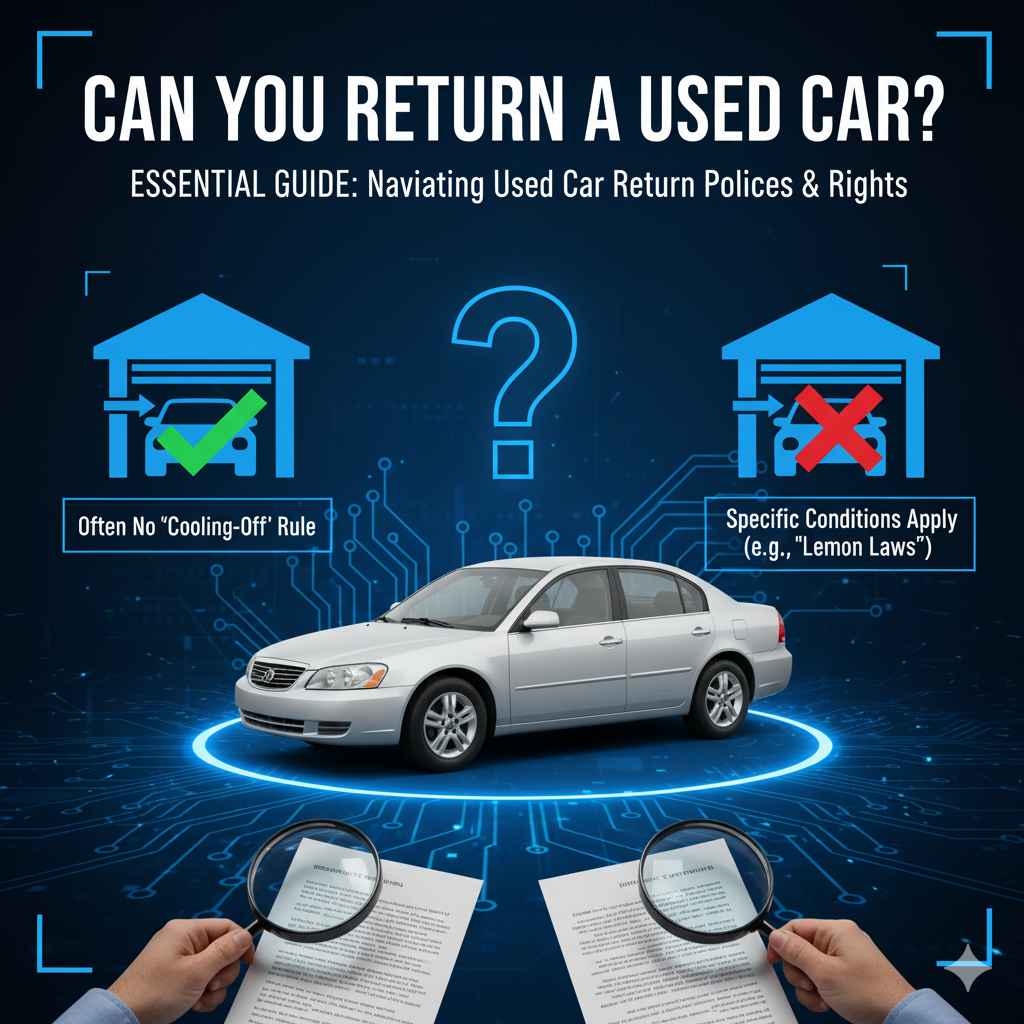
Yes, but it’s tricky. Returning a used car, especially from a private seller, often depends on specific circumstances like the contract terms, any misrepresentations, or lemon laws. Generally, a “no-return” policy is common, but there are exceptions if major issues were hidden or the sale wasn’t conducted legally.
Buying a used car can be exciting! It’s a big purchase, and sometimes, after driving your new-to-you vehicle home, you might have second thoughts or discover something you didn’t expect. This can lead to a frustrating question: “Can I return this used car?” It’s a common worry, especially when buying a car from a private seller, where few protections might seem to exist. But don’t fret! As your friendly automotive guide, I’m here to break down exactly what you need to know. We’ll explore your options, understand the rules, and help you figure out if returning that used car is possible. Let’s dive in and get you the clear answers you need!
Understanding Your Rights When Buying a Used Car
When you buy a used car, especially from an individual (a private seller), it’s important to understand that the rules are often different than buying from a dealership. Dealerships usually have more formal processes and might offer limited warranties or return policies, though these vary greatly. Private sales, on the other hand, are typically considered “as-is.” This means once you drive away, the car is yours, with all its current quirks and potential problems. However, “as-is” doesn’t mean you have no recourse in every situation.
There are specific situations where you might have grounds to return a car or seek other remedies, even from a private seller. These usually involve situations where you were misled, the car had undisclosed major problems, or the sale wasn’t handled legally. We’ll look at these scenarios in detail, so you know what to watch out for and what steps you can take.
The “As-Is” Sale: What It Really Means
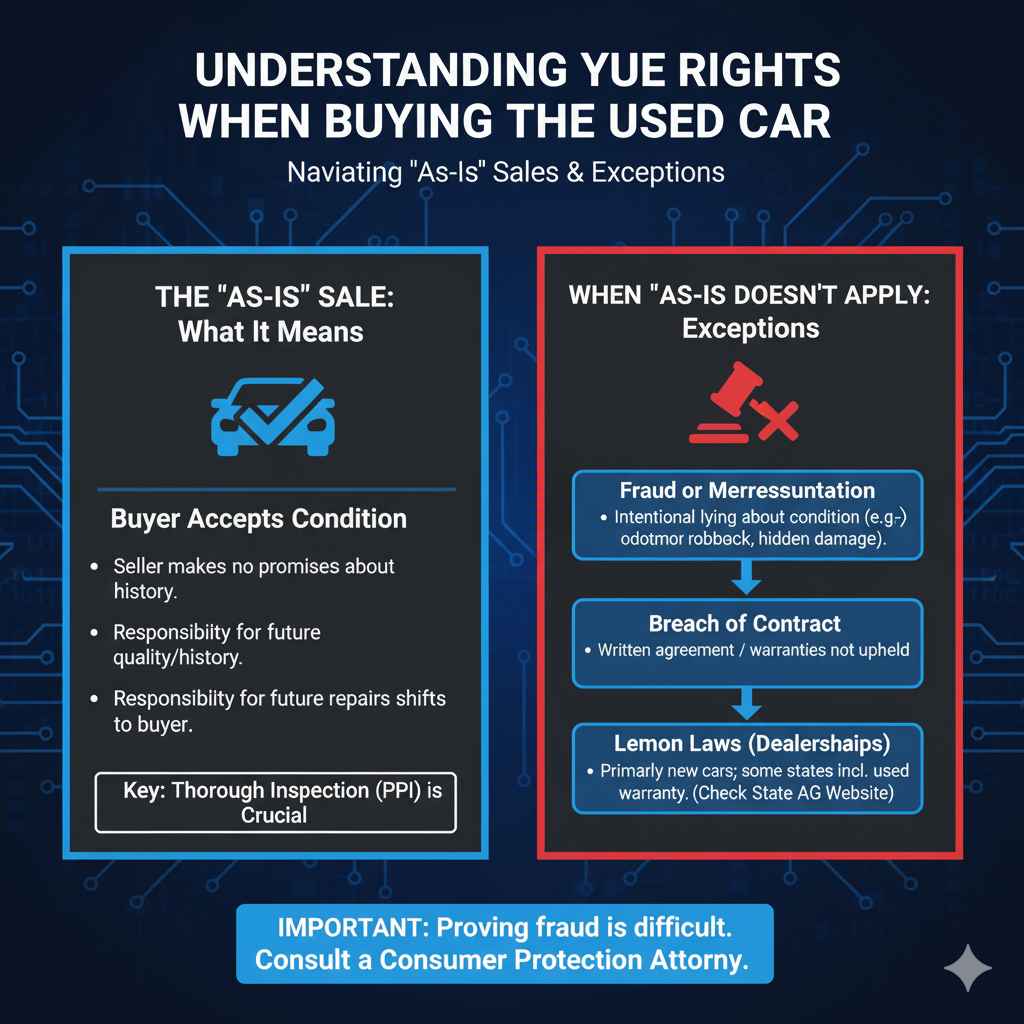
Most private used car sales are conducted “as-is.” This is a crucial term to understand. It means the buyer accepts the vehicle in its current condition, with all its faults, known or unknown. The seller isn’t making any promises about the car’s quality, performance, or history. In essence, “as-is” shifts the responsibility for any future repairs or issues squarely onto the buyer.
This is why thoroughly inspecting the car, taking it for a long test drive, and having a trusted mechanic inspect it before you buy is so incredibly important. It’s your best defense against unexpected problems after the sale. While “as-is” sales are common and generally binding, there are still situations where this protection can be bypassed if the seller acted fraudulently.
When “As-Is” Doesn’t Apply: Exceptions and Recourse
Even with an “as-is” sale, you might still have options if certain conditions are met. These are rare but important to know:
- Fraud or Misrepresentation: If the seller intentionally lied about the car’s condition or history to trick you into buying it, you may have grounds for a return or legal action. Examples include hiding severe accident damage, odometer rollback, or not disclosing major existing mechanical failures they knew about.
- Breach of Contract: If you had a written agreement that included specific promises or warranties (even in a private sale), and the seller didn’t uphold their end, you might have a case.
- Lemon Laws (Primarily for Dealerships, but Check State Laws): Most state lemon laws specifically apply to new cars, and some extend to used cars purchased from dealerships with a warranty. They generally do not apply to private sales. However, it’s always worth checking your specific state’s laws, as some consumer protection statutes might offer limited recourse in egregious cases. You can often find information on your state’s Attorney General website.
It’s a tough road to prove fraud or misrepresentation, and legal processes can be complex and costly. However, if you believe you’ve been a victim of these, consulting with a consumer protection attorney is a wise first step.
Can You Return a Used Car to a Private Seller?
This is the big question, and the direct answer is: usually no, but there are specific exceptions. When you buy a car from a private seller, you are entering into an “as-is” transaction unless you have a written agreement stating otherwise. There’s generally no cooling-off period, and the seller is not obligated to take the car back just because you changed your mind or found out you can’t afford the repairs.
The situations where you might successfully return a car to a private seller are very limited and often require proof of wrongdoing on the seller’s part:
- Deception or Fraud: If the seller actively concealed a major defect that significantly impacts the car’s safety or value, and they knew about it. For example, if they knew the engine was about to fail and didn’t disclose it, yet you have proof they did.
- Title Issues: If the seller didn’t have the legal right to sell the car (e.g., they didn’t own it free and clear, or they sold you a car with a salvaged title without disclosing it).
- Specific Contractual Agreements: Although rare in private sales, if you and the seller explicitly agreed in writing to a conditional sale or a short return period, that agreement would govern.
Proving fraud can be difficult. You’ll need evidence, such as repair bills showing pre-existing conditions they denied, witness statements, or documentation that the seller intentionally misled you. Simply discovering that the car needs repairs you didn’t anticipate is typically not enough to void a private sale.
Returning Used Cars from Dealerships: Different Rules Apply
Buying from a dealership is a different ballgame. While “as-is” sales can still happen at dealerships (if clearly stated and legally allowed), consumers often have more protections.
Cooling-Off Periods (Rare but Possible)
In some states, there are specific “cooling-off” periods or “buyer’s remorse” laws that allow you to return a vehicle purchased from a dealership within a certain timeframe (e.g., 24-48 hours) and a mileage limit, often for a fee. These laws are not universal, and they usually apply to new cars or specific types of used car sales. It’s vital to check your state’s specific regulations regarding these laws.
Dealer Warranties and Guarantees
Many dealerships offer some form of warranty, even on used cars. This can be:
- a “Bumper-to-Bumper” warranty: Covers most components.
- a “Powertrain” warranty: Covers the engine, transmission, and drivetrain.
- Implied Warranties: In some states, even without an explicit warranty, a car sold by a dealer might come with an “implied warranty of merchantability,” meaning it should be fit for its ordinary purpose. This can be disclaimed, but only under specific legal circumstances (e.g., with a prominent “as-is” notice).
If a car you bought from a dealership with a warranty develops a problem covered by that warranty, you’ll follow the dealership’s warranty claim process, not a return process. If the car is a “lemon” (meaning it has persistent, unfixable defects that impair its use, value, or safety), you might be entitled to a refund or replacement under state lemon laws. For detailed information on your state’s specific laws, the Consumer Federation of America offers resources on state-level protections.
Check the Buyer’s Guide
If you buy from a dealership, look for a “Buyer’s Guide” sticker on the car. This FTC-mandated sticker must be displayed on all used cars sold by dealers. It states whether the car is sold “as-is” or with a warranty and outlines the terms of any warranty. This guide is a critical part of your purchase agreement.
Steps to Take If You Believe You Can (or Should) Return a Used Car
If you find yourself in a situation where you believe you have grounds to return a used car, especially from a private seller, acting quickly and systematically is key. Here’s a general approach:
1. Stay Calm and Gather Information
Take a deep breath. Emotions can run high, but a clear head is your best asset. Gather all documentation related to the sale:
- The bill of sale.
- The title (ensure it’s clean and properly transferred).
- Any advertisements or written descriptions of the car.
- Any repair estimates or mechanic’s reports diagnosing the problem.
- Communication records (emails, texts) with the seller.
2. Review Your Contract and State Laws
Carefully read your bill of sale and any other written agreements. Look for any clauses about returns, warranties, or dispute resolution. Then, research your state’s consumer protection laws. Websites like your state’s Attorney General’s office are excellent resources for this.
3. Document the Problem Thoroughly
If the issue is a mechanical problem, get a professional diagnosis. Obtain detailed written reports from reputable mechanics that explain the problem, confirm it existed before you bought the car (if possible), and estimate repair costs.
4. Contact the Seller (Politely but Firmly)
Reach out to the seller as soon as possible. Clearly explain the situation and why you believe you have grounds for a return or a different resolution (like partial reimbursement for repairs). Come prepared with your evidence. Be prepared that a private seller may simply refuse. If they do, you’ll need to consider further steps.
5. Consider Mediation or Arbitration
Some contracts may include clauses for mediation or arbitration to resolve disputes outside of court. This can be a less expensive and faster way to settle disagreements.
6. Consult a Legal Professional
If the seller refuses to cooperate and you believe you have a strong case (e.g., clear evidence of fraud), consult with a consumer protection attorney. They can advise you on your legal options, which might include sending a demand letter or pursuing a lawsuit in small claims court.
7. Small Claims Court
For smaller disputes, small claims court can be an accessible option. You don’t usually need a lawyer, and the process is simpler than regular court. You’ll present your case and evidence to a judge, who will make a ruling.
Buying Smart: How to Avoid Needing to Return a Used Car
The best strategy, of course, is to do everything you can to ensure you’re making a good purchase before you hand over any money. This isn’t just about avoiding returns; it’s about getting a reliable car that fits your needs!
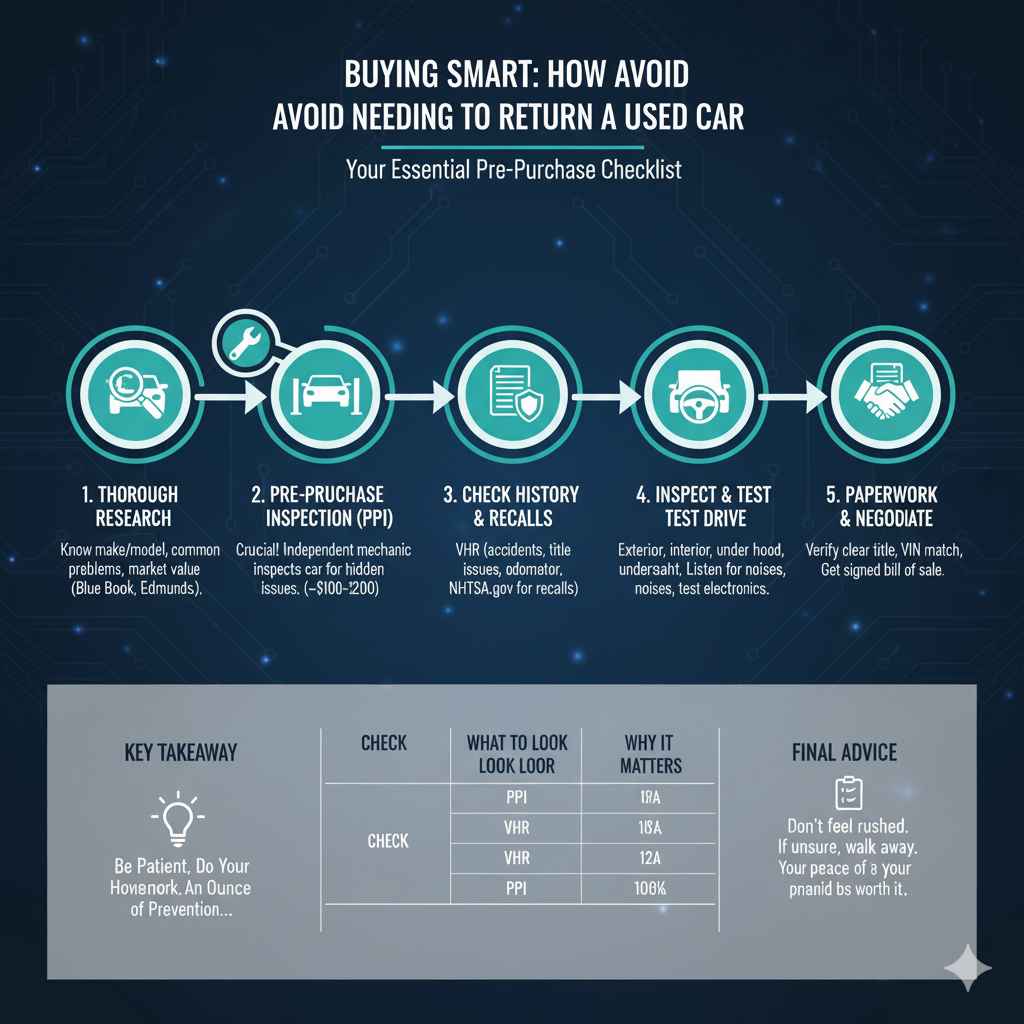
1. Thorough Research is Your Best Friend
Know the specific make, model, and year you’re interested in. Research common problems associated with that vehicle. Look up its market value using resources like Kelley Blue Book or Edmunds to make sure the price is fair.
Table: Essential Pre-Purchase Checks
| Check | What to Look For | Why It Matters |
|---|---|---|
| Test Drive | Smooth acceleration, braking, steering. No strange noises, vibrations, or warning lights. Test all electronics (AC, radio, windows). | Identifies immediate mechanical or electrical issues you can feel. |
| Vehicle History Report (VHR) | Check for accidents, title issues (salvage, flood, lemon), odometer discrepancies, number of previous owners. | Reveals past problems and potential hidden dangers. Services like NICB’s VINCheck can help. |
| Pre-Purchase Inspection (PPI) | Have an independent mechanic inspect the car thoroughly before buying. | An unbiased professional can spot issues you might miss and estimate repair costs. This is the single most important step. |
| Check for Recalls | Visit the NHTSA website (National Highway Traffic Safety Administration) to check for open recalls. | Some issues are safety hazards that should have been fixed by the manufacturer. |
2. Inspect the Car Carefully
Don’t be rushed. Check for:
- Exterior: Dents, rust, mismatched paint (indicating repairs), tire wear.
- Interior: Upholstery condition, unusual smells (mold, smoke), functioning electronics.
- Under the Hood: Fluid levels and condition (oil, coolant, brake fluid), signs of leaks, condition of belts and hoses.
- Underneath: Rust on the frame, exhaust system condition, leaks.
3. Get a Pre-Purchase Inspection (PPI)
This is non-negotiable! Before you finalize any deal, especially with a private seller, take the car to a trusted, independent mechanic. They can put the car on a lift, check for hidden damage or mechanical issues, and give you an honest assessment of its condition and potential future repair costs. This service typically costs around $100-$200, which is a small price to pay to avoid much larger expenses later.
4. Understand the Paperwork
Ensure the seller has a clear title in their name. Ask to see their driver’s license to match the name on the title. Make sure the VIN on the car matches the VIN on the title and any documentation. Be wary of sellers who are hesitant to provide proper paperwork.
5. Negotiate and Finalize the Sale Wisely
Use your research and the PPI findings to negotiate a fair price. If the PPI reveals issues, you can negotiate to have them fixed or get a discount. Once you agree on a price, get everything in writing on a bill of sale. This document should include the date, buyer and seller names, vehicle information (make, model, year, VIN), sale price, and any specific terms of the sale. Both parties should sign it.
Frequently Asked Questions About Returning Used Cars
Q1: Is there a “cooling-off” period for used cars bought from private sellers?
No, generally there is no legal “cooling-off” period for used cars bought from private sellers. These sales are typically considered final “as-is” from the moment of purchase.
Q2: What if the private seller lied about the car’s condition?
If you can prove the seller intentionally misrepresented the car’s condition or history (committed fraud) and that this misrepresentation led you to buy the car, you may have legal recourse. This is often difficult to prove and may require legal action.
Q3: Can I return a used car if I just don’t like it anymore?
Generally, no. If you simply changed your mind, discovered it’s more expensive to maintain than you thought, or it doesn’t fit your needs, you cannot return a used car, especially from a private seller. The sale is usually final.
Q4: What is a “lemon law” and does it apply to used cars from private sellers?
Lemon laws are consumer protection laws designed to help buyers of defective vehicles. While most state lemon laws primarily cover new cars, some extend to used cars purchased from dealerships with a warranty. They almost never apply to private sales.
Q5: How can I protect myself when buying a used car privately?
The best protection is thoroughness: research the car and its market value, conduct a thorough test drive, get a Vehicle History Report, and most importantly, always get a pre-purchase inspection (PPI) from an independent mechanic before you buy.
Q6: If a dealership sold me a car “as-is,” can I still return it if it breaks down immediately?
“As-is” sales mean you accept the car with its faults. However, if the “as-is” sale wasn’t properly disclosed according to your state’s laws, or if the dealer made explicit promises that were violated, you might have grounds. Also, if the car has a fundamental defect that makes it unsafe or unusable very soon after purchase, and it wasn’t disclosed, it could be a separate issue from simply breaking down.
Conclusion
Navigating the world of used car purchases can feel like a tightrope walk, and the question of returning a car is a common concern for many. As we’ve explored, when buying a used car from a private seller, the deck is often stacked against returns. The “as-is” nature of these transactions means you’re generally buying the car in its current condition, with all its potentials faults. However, knowledge is power! Understanding the limited exceptions, such as outright fraud or significant misrepresentation by the seller, is crucial.
When purchasing from a dealership, your rights might be slightly broader due to potential warranties and state-specific consumer protection laws.