What Is the Price of a Tesla Car in 2026? Model 3, Y, S and X Costs
As of September 2026, new Tesla prices in the US range from $36,990 for a base Model 3 up to roughly $129,990 for a Model X Plaid — and that range has shifted a lot since this page was last accurate. The Model S and Model X are no longer in production, the federal EV tax credit has expired, and Tesla has added new lower-priced Standard trims across the lineup.
Here’s exactly what each current Tesla model costs, what’s included at the base price, what it actually costs to own one, and how the numbers compare to buying a competing EV.
Tesla Price by Model (2026)
Charging Cost Add-On
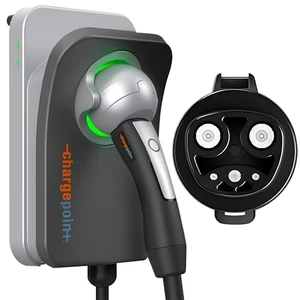 |
ChargePoint HomeFlex Level 2 EV Charger – $538.02 The sticker price is only part of what a Tesla costs — a home Level 2 charger is the single upgrade that does the most to lower your day-to-day charging cost and cut charging time from a full day down to a few hours.
|
Tesla’s US lineup currently spans five nameplates. Prices below are manufacturer starting MSRPs before destination fees (around $1,640 on most models), taxes, and any state incentives, and they change without much notice on Tesla’s own site — always confirm current pricing directly with Tesla or a dealer before budgeting.
| Model | Trim | Starting Price |
|---|---|---|
| Model 3 | Standard RWD | $36,990 |
| Model 3 | Premium RWD / AWD | $42,490 – $47,490 |
| Model 3 | Performance AWD | $54,490 |
| Model Y | Standard RWD | $39,990 |
| Model Y | Premium RWD | $45,990 |
| Model Y | Performance | $57,990 |
| Model Y L | Premium AWD (7-seat) | ~$61,990 |
| Cybertruck | AWD | $74,990 |
| Cybertruck | Cyberbeast | ~$99,990 |
| Model S * | Base – Plaid | $109,990 – $124,990 |
| Model X * | Base – Plaid | $99,990 – $129,990 |
* Tesla ended production of the Model S and Model X in Q2 2026 — these prices reflect remaining dealer inventory, not an ongoing new-car line. See the section below for what that actually means if you’re shopping for one.
Model S and Model X Are No Longer in Production
This is the single biggest change since Tesla pricing was last written about on this page. In January 2026, Elon Musk confirmed on Tesla’s earnings call that the Model S and Model X would stop production in the second quarter of 2026, with the Fremont factory lines that built them converting to Optimus robot manufacturing instead. Musk called it an “honorable discharge” for two vehicles that had been in Tesla’s lineup for 14 and 11 years, respectively, and together sold roughly 740,000 units worldwide.
Practically, that means anyone buying a Model S or Model X today is buying from a shrinking pool of built-but-unsold inventory, not ordering a custom-configured new car the way Model 3 and Model Y buyers still can. Tesla has said existing owners will continue to receive service and software support for as long as people own the vehicles, but if you want either model, expect fewer configuration choices and less negotiating room than on the models still in active production.
What’s Included in the Base Price vs. What Costs Extra
Every current Tesla ships standard with an electric drivetrain sized to its trim, a 15-inch center touchscreen, over-the-air software updates, and Tesla’s baseline driver-assist suite (Autopilot’s basic lane-keeping and adaptive cruise features). None of that costs extra.
What isn’t included, and adds meaningfully to the final price:
- Full Self-Driving (Supervised): Tesla’s most advanced driver-assist package is a separate purchase or subscription, and it’s one of the largest single add-ons available on any trim.
- Paint and wheel upgrades: any color beyond the standard white, plus larger or performance wheels, typically run a few hundred to a few thousand dollars.
- Interior and tow packages: premium interior finishes, tow hitches, and the extra third-row seating on Model Y L are all priced separately from the base trim.
- Destination and order fee: a flat charge Tesla adds to every order regardless of configuration, currently around $1,640.
Cost of Ownership: Charging, Maintenance, and Insurance
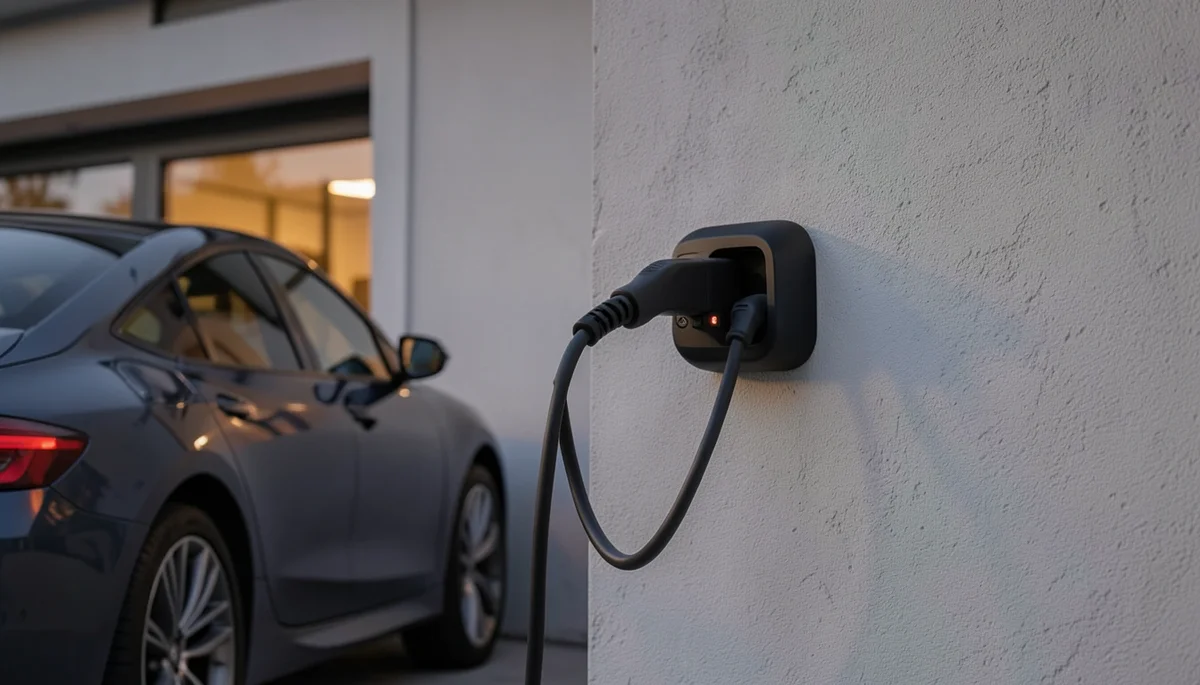
The purchase price is only the starting point. Teslas generally cost less to maintain than a comparable gas car because there’s no oil to change and regenerative braking extends brake pad life, but a few ownership costs still matter for your total budget:
- Home charging is the cheapest way to charge, especially on an overnight or off-peak electricity rate. A Level 2 home charger (see the pick above) is the upgrade most owners find worth the one-time cost.
- Supercharging on the road is faster but priced per kWh or per minute, and typically costs more per mile than charging at home.
- Insurance tends to run higher for Teslas than for comparable gas cars, largely because of expensive sensor and body-panel repair costs after a collision. Get a real quote for your specific model before you buy, not just an estimate.
- Tires wear faster on Tesla models than on a typical gas sedan because of the instant torque and extra weight from the battery pack, so budget for more frequent replacement.
Financing, Leasing, and Incentives

The biggest change to factor into any Tesla budget: the federal EV tax credit expired on September 30, 2025, and it no longer applies to new Tesla purchases. The one exception is if you signed a binding purchase contract and made a qualifying payment on or before that date, even if delivery came later. Some states and local utilities still offer their own EV rebates or incentives, so it’s worth checking what’s available where you live before you assume the sticker price is the final price.
On financing, Tesla offers standard auto loans through its own site and third-party lenders, with your rate depending mostly on credit score and loan term. Leasing gets you a lower monthly payment and the option to switch to a newer model every few years, but you don’t build equity and mileage limits apply — weigh that against outright ownership based on how long you actually plan to keep the car.
How Tesla Pricing Compares to Other EVs
Tesla’s Model 3 and Model Y now start close to, or even below, several mainstream competitors. The Chevrolet Equinox EV and Nissan Leaf both undercut Tesla’s entry price, while the Hyundai Ioniq 6 and Ford Mustang Mach-E land in a similar range to the Model 3. Tesla’s advantage is usually range and access to its Supercharger network, which is now open to most other EV brands as well through NACS adapters — so charging convenience is less of a Tesla-exclusive edge than it used to be. If you’re cross-shopping, see how a BMW EV stacks up against Tesla on build quality and materials for a look at the other side of that trade-off.
Frequently Asked Questions
What Is the Cheapest Tesla You Can Buy in 2026?
The cheapest new Tesla is the Model 3 Standard RWD, which starts at $36,990 before destination fees and taxes (about $38,630 out the door). The Model Y Standard RWD is a close second at $39,990.
Why Did Tesla Model S and Model X Prices Go Up?
Tesla ended production of the Model S and Model X in the second quarter of 2026 to shift factory capacity toward robotics. With no new units being built, remaining dealer inventory and existing stock are now priced higher — roughly $109,990 to $124,990 for the Model S and $99,990 to $129,990 for the Model X — reflecting scarcity rather than new features.
What Is the Most Expensive Tesla?
Among Tesla’s current lineup, the highest-priced model is the Model X Plaid, which starts around $129,990. The Cybertruck Cyberbeast trim is close behind at about $99,990.
Is There Still a Federal Tax Credit for Buying a Tesla?
No. The federal EV tax credit expired on September 30, 2025, and no longer applies to Tesla or any other electric vehicle purchased after that date. Some state and utility-level EV incentives may still be available depending on where you live.
How Far Can a Tesla Travel on a Full Charge?
EPA-estimated range varies by model and trim, generally running from about 270 miles on shorter-range configurations up to roughly 400 miles on long-range Model 3 and Model S variants. Real-world range depends on speed, weather, and driving style.
Is It Cheaper to Lease or Buy a Tesla?
Leasing usually means a lower monthly payment and lets you switch to a newer model every few years, but you build no equity and mileage limits apply. Buying costs more upfront but you own the car outright and can sell or trade it whenever you choose. Since the federal tax credit no longer applies to either option, the choice mostly comes down to how long you plan to keep the car.
The Bottom Line
A new Tesla in the US now costs anywhere from about $37,000 for a base Model 3 to well over $120,000 for a Model S or Model X, and those two flagship models are only available while remaining dealer stock lasts. Add in the loss of the federal tax credit and the case for cross-shopping other EVs is stronger than it’s been in years — but Model 3 and Model Y pricing has also come down at the entry level, which keeps Tesla competitive for buyers who don’t need the flagship models.
Products related to this article
Sponsored / affiliate links. As an Amazon Associate I earn from qualifying purchases. I may earn additional commission from eligible campaigns.